Is your machine losing accuracy, creating vibration, or producing inconsistent results because your linear motion system lacks precision?
A precision linear guide provides highly accurate and stable linear movement by minimizing friction and improving positioning repeatability. Choosing the right guidages linéaires de précision et precision linear guides helps automation systems achieve better accuracy, reliability, and long-term performance.
Let’s explore how precision linear guides work, their applications, and how to select the right solution.
What Is a Precision Linear Guide and Why Does Accuracy Matter?
A precision linear guide is a high-performance motion component designed to provide extremely accurate and smooth linear movement in industrial equipment. Unlike standard sliding mechanisms, precision linear guides use carefully engineered rolling elements between the rail and carriage to reduce friction while maintaining exceptional positioning accuracy.
In modern manufacturing, even small positioning errors can affect product quality and production efficiency. Industries such as semiconductor manufacturing, medical equipment, CNC machining, optical inspection, and robotics require motion systems that can repeatedly achieve precise positioning under continuous operation.
The main purpose of guidages linéaires de précision is to maintain stable movement while supporting external loads. Their advanced design allows machines to achieve higher speeds, lower vibration, and improved repeatability. By reducing mechanical resistance, precision guides also help extend the service life of motors, ball screws, and other connected components.
Selecting the correct guide depends on factors such as load capacity, accuracy requirements, operating speed, environmental conditions, and required service life. A properly designed system ensures reliable performance while reducing maintenance costs.
At Limon, we manufacture high-quality linear motion components through a fully integrated production process. From material selection and precision machining to heat treatment, grinding, assembly, and inspection, every step is carefully controlled to ensure our customers receive reliable and consistent motion solutions.
How Do Precision Linear Guides Improve Industrial Automation?
Industrial automation continues moving toward higher speed, greater accuracy, and improved efficiency. In this environment, precision linear guides play a critical role in maintaining reliable machine performance.
The primary advantage of precision guides is their ability to provide smooth and repeatable motion. Their optimized raceway design and high-quality rolling elements minimize friction and reduce mechanical deviation during operation. This allows automated systems to achieve consistent positioning even after millions of movement cycles.
Applications such as semiconductor equipment, electronic assembly machines, CNC systems, and robotic platforms depend heavily on precision movement. A small amount of backlash or vibration can lead to product defects, reduced productivity, and increased downtime.
Haute performance guidages linéaires de précision also improve system rigidity. By supporting loads evenly and resisting external forces, they help maintain alignment and reduce deformation during operation. This is especially important for machines requiring high acceleration, rapid movement, or continuous operation.
Limon provides precision linear motion solutions designed for demanding industrial applications. Our advanced manufacturing capabilities allow us to maintain strict dimensional accuracy and quality control. Combined with direct factory sales and professional engineering support, we help customers develop automation systems with improved reliability and performance.
What Factors Should You Consider When Choosing Precision Linear Guideways?
Choosing suitable guidages linéaires de précision requires careful evaluation of multiple engineering factors. The correct selection ensures that the motion system delivers the required accuracy, durability, and efficiency throughout its service life.
The first consideration is load capacity. Engineers must evaluate static loads, dynamic forces, acceleration, and external moments to determine the appropriate guide size and configuration. Selecting a guide that is too small may reduce service life, while an oversized guide may increase unnecessary costs.
Accuracy level is another critical factor. High-precision applications such as semiconductor manufacturing and optical inspection require tighter tolerances and better repeatability compared with general automation equipment.
Preload selection also influences performance. Higher preload improves rigidity and positioning accuracy but may increase friction. Therefore, the preload level should match the machine’s operating conditions and performance requirements.
Environmental factors should also be considered. Dust, moisture, temperature changes, and contamination can affect guide performance and require appropriate protection methods.
At Limon, our engineering team helps customers evaluate application requirements and select the most suitable precision linear guide configuration. Through our integrated manufacturing system, we provide stable quality, accurate production, and reliable solutions for various industrial applications.
What Are the Common Applications of Precision Linear Guides?
Precision linear guides are widely used in industries where accuracy, repeatability, and smooth motion are essential. Their ability to maintain precise movement under different loads makes them a fundamental component in advanced automation systems.
In CNC machining, precision guides ensure cutting tools move accurately along programmed paths, directly affecting machining quality and surface finish. In semiconductor manufacturing, they support extremely precise positioning required for handling delicate electronic components.
Robotics applications also depend on precision linear guides for accurate movement of robotic arms, inspection systems, and automated handling equipment. Their low friction and high rigidity allow robots to operate faster while maintaining positioning accuracy.
Medical equipment, laboratory instruments, and optical devices require precision motion because even minor movement errors can affect measurement results or product performance.
Different applications require different guide specifications. Compact systems may need miniature precision guides, while heavy industrial equipment may require larger structures with increased load capacity.
Limon manufactures a wide range of precision linear motion products designed for diverse industries. Our products are developed with strict quality standards to support customers building reliable automation equipment worldwide.
How Are Precision Linear Guides Manufactured for High Reliability?
La performance d'un precision linear guide depends heavily on manufacturing accuracy and quality control. Producing high-performance guides requires advanced equipment, strict process management, and careful inspection at every stage.
The manufacturing process typically includes precision machining of the rail and carriage, heat treatment for increased hardness, grinding for accurate raceway surfaces, assembly of rolling elements, and final performance testing.
Each manufacturing step affects the final accuracy, smoothness, and service life of the guide. Small dimensional errors can influence positioning performance, so precise control is essential.
At Limon, we operate a fully integrated production line that allows us to manage critical manufacturing processes internally. This approach provides better control over material quality, production consistency, and delivery reliability.
Our quality inspection procedures ensure every precision linear guide meets demanding industrial requirements. By combining advanced manufacturing technology with experienced engineering expertise, we deliver products that help customers reduce downtime and improve machine performance.
Through direct communication with customers, Limon also provides technical recommendations and customized solutions based on specific application needs.
Why Choose Limon for Precision Linear Motion Solutions?
Choosing the right supplier is a key factor in achieving long-term automation success. A reliable manufacturer should provide not only high-quality products but also stable production capability, technical expertise, and responsive service.
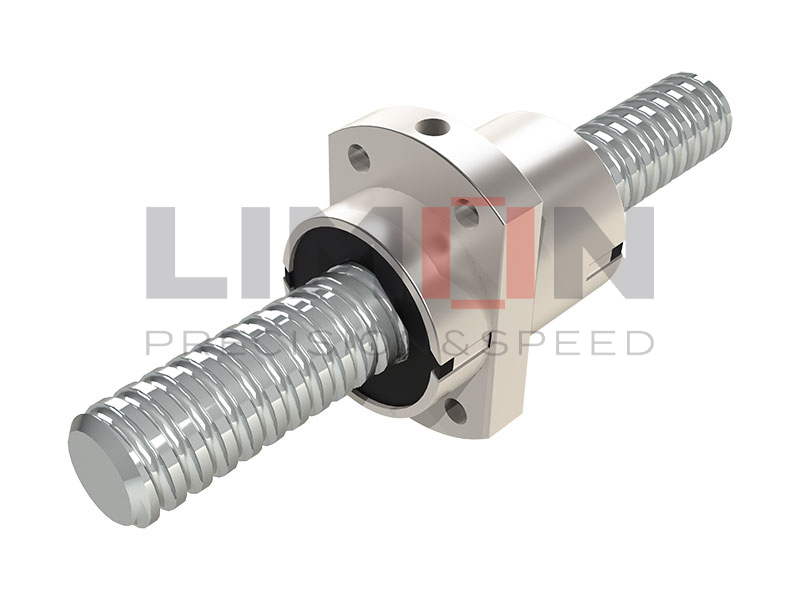
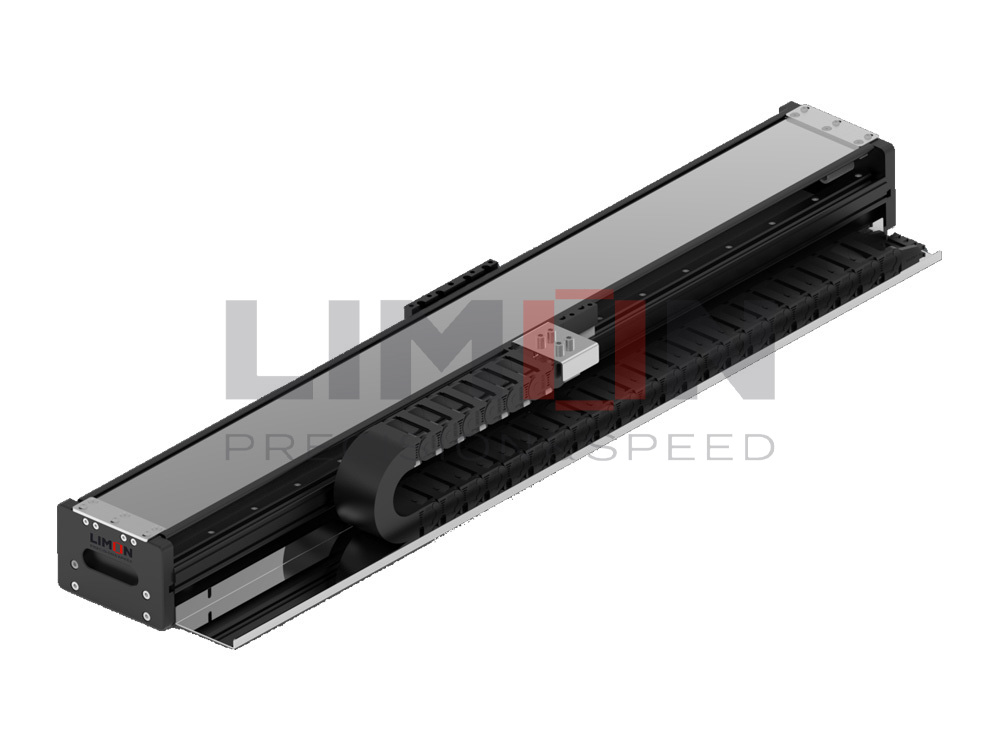
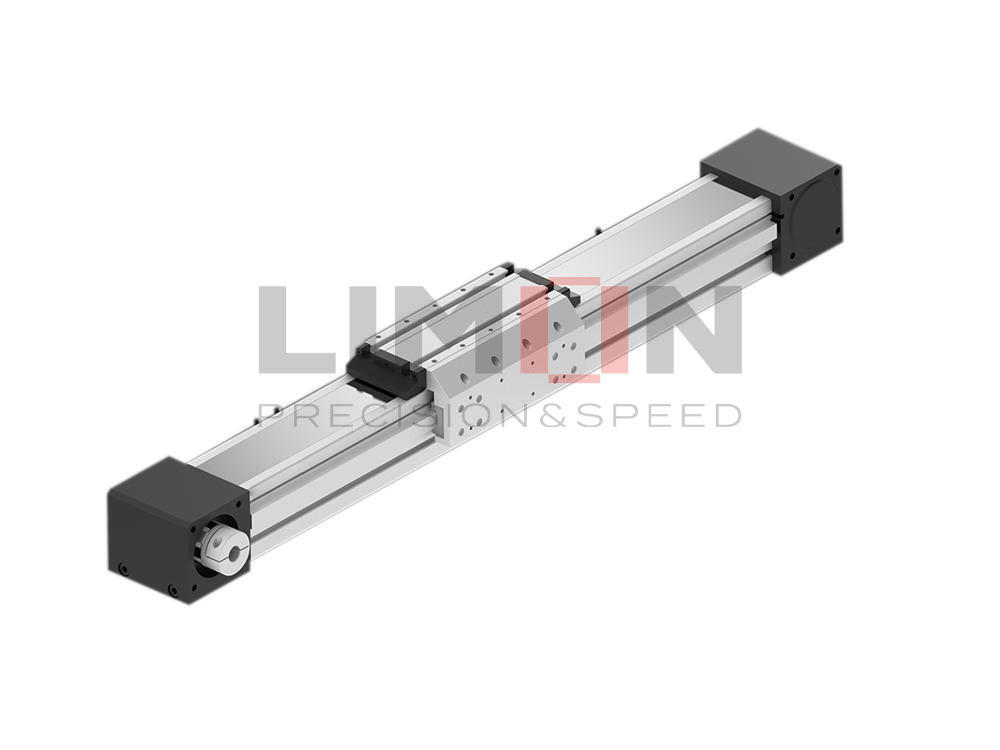
Limon specializes in manufacturing precision linear motion products, including precision linear guides, linear guide rails, ball screws, linear bearings, and linear actuators. Our fully integrated manufacturing system allows us to control every important production stage, ensuring consistent quality and dependable performance.
Unlike companies that depend on multiple external suppliers, Limon manages production internally. This enables strict quality control, faster response times, flexible customization, and reliable delivery.
Through our independent website, customers can purchase directly from the manufacturer while receiving professional engineering support. Whether you need standard products or customized motion solutions, our team provides guidance from product selection to application development.
By combining advanced manufacturing technology, premium materials, strict inspection standards, and customer-focused service, Limon delivers precision motion solutions trusted by automation industries worldwide.
Conclusion
Une grande qualité precision linear guide is essential for achieving accurate, stable, and efficient linear motion performance. By selecting suitable guidages linéaires de précision et precision linear guides, manufacturers can improve machine accuracy, reduce maintenance requirements, and extend equipment service life.
Au Limon, we combine fully integrated manufacturing, premium-quality linear motion products, factory-direct sales, and professional technical support to provide reliable, high-performance solutions for industrial automation. From precision equipment to large-scale manufacturing systems, Limon is your trusted partner for advanced linear motion technology.