Are inconsistent actuator quality, long lead times, and limited technical support putting your automation project at risk?
Extrait en vedette : The right linear actuator manufacturer should combine stable manufacturing, accurate motion performance, quality control, customization, reliable delivery, and technical support. Buyers should evaluate actuator type, stroke, load, speed, accuracy, duty cycle, and integration capabilities rather than choosing only by price.
Here’s how to evaluate manufacturers and select a reliable linear motion partner.
What Makes a Reliable Linear Actuator Manufacturer?
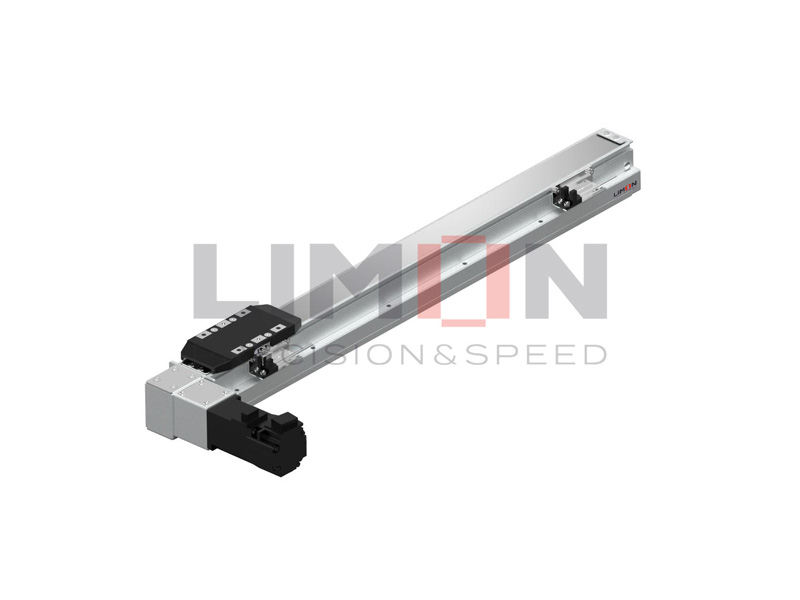
Une solution fiable linear actuator manufacturer should do more than assemble motors and mechanical components. The manufacturer needs to understand how an actuator performs under real operating conditions, including load, speed, acceleration, stroke, duty cycle, installation orientation, and environmental factors.
Manufacturing consistency is equally important. Small variations in machining, screw quality, bearing fit, alignment, or assembly can affect noise, backlash, positioning accuracy, and service life. For industrial buyers, these differences can become costly when hundreds or thousands of actuators are installed in production equipment.
A strong manufacturer should therefore have controlled production processes, inspection procedures, engineering capabilities, and application support. Limon follows an integrated manufacturing model covering key processes within one production system. This gives us greater control over product consistency and allows customers to communicate directly with the manufacturer rather than relying on multiple intermediaries.
How Should You Evaluate Linear Motion Actuators Manufacturers?
Lorsqu'on compare linear motion actuators manufacturers, look beyond product catalogs and advertised maximum specifications. A manufacturer’s actual capabilities can often be evaluated through several important areas: production integration, quality control, customization, technical support, and delivery capability.
First, check whether the manufacturer controls important production stages internally. An integrated factory can make quality management and process coordination more consistent. Second, ask how products are inspected and tested. Critical dimensions, travel performance, load capability, noise, and electrical functions may all require different inspection methods.
Customization is another important consideration for OEM and automation projects. Standard actuators may not always match the required mounting dimensions, stroke, motor configuration, feedback system, or control interface. Limon’s integrated production capabilities allow us to support customized requirements while maintaining direct communication with customers throughout the process.
Which Specifications Matter When Selecting a Linear Actuator?
The correct actuator should be selected according to the complete motion profile rather than one specification. Accident vasculaire cérébral defines the required linear travel, while charge determines the force or weight the actuator must move. For vertical applications, the load direction and required holding capability become particularly important.
Vitesse et accélération determine how quickly the actuator must complete its movement. However, maximum speed should not be considered independently because high speed combined with heavy loads or frequent acceleration can significantly affect service life. Précision et répétabilité are also essential for CNC equipment, inspection systems, robotics, and automated assembly.
Other considerations include mounting space, operating temperature, dust or moisture exposure, lubrication requirements, motor type, feedback, and control method. Limon helps customers evaluate these factors together so the selected actuator is properly matched to the actual application instead of being chosen solely from a product table.
Why Is Manufacturing Integration Important for Actuator Quality?
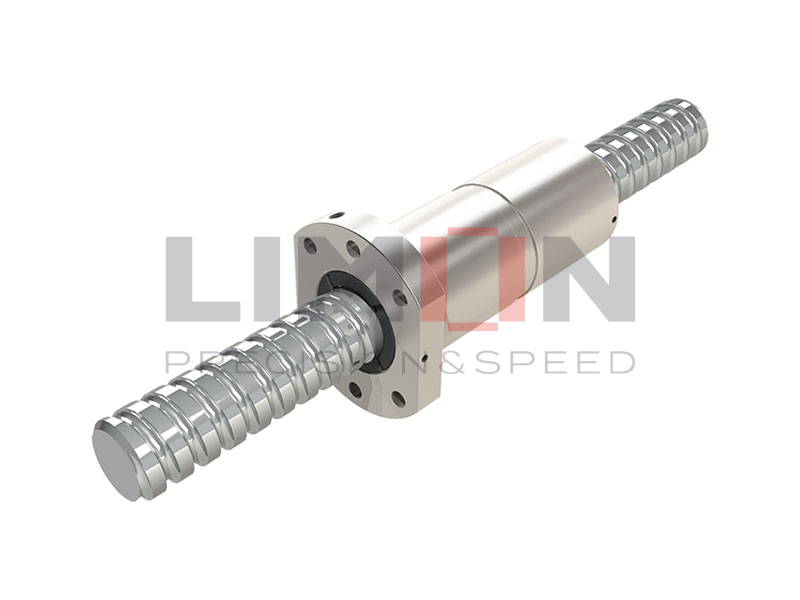
Linear actuators are precision motion products, and their performance depends on the interaction between multiple components. A screw, nut, bearing, motor, housing, guide, and mounting structure must work together correctly. Poor alignment or inconsistent component dimensions can increase friction, vibration, backlash, and wear.
This is why an integrated production line can provide an important advantage. When critical manufacturing processes are coordinated under one production system, it becomes easier to maintain process consistency, control quality, and identify potential problems. It also simplifies communication between engineering, production, and quality teams.
Limon has a fully integrated production line for linear motion products. This manufacturing structure supports stable production and quality management while allowing us to respond more efficiently to customer requirements. For buyers sourcing actuators for long-term industrial projects, this means greater attention to consistency rather than simply focusing on initial purchase price.
When Do You Need a Customized Linear Actuator?
Standard linear actuators are suitable for many applications, but customized solutions become valuable when equipment has special space, performance, or control requirements. For example, an automation machine may require a specific stroke length and mounting configuration. A robotic system may require a particular motor, encoder, or communication interface. A compact device may need an actuator with a reduced overall length.
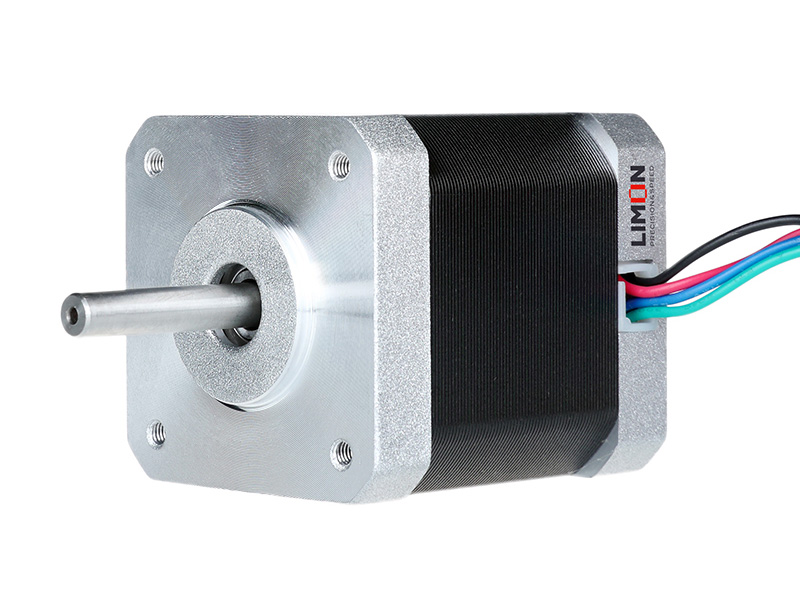
Customization can involve stroke, screw or belt transmission, motor configuration, mounting brackets, housing dimensions, limit switches, sensors, connectors, or control requirements. The goal is not simply to make a product different, but to ensure that the actuator integrates correctly with the customer’s complete mechanical and electrical system.
Limon supports OEM and application-specific requirements through direct communication with customers. Because manufacturing and technical capabilities are closely connected, we can evaluate customization requests from both engineering and production perspectives. This helps reduce unnecessary redesign and makes it easier to develop practical solutions for specialized equipment.
Why Does Direct Manufacturer Support Matter?
When purchasing linear motion components, technical communication can be just as important as product quality. A distributor may provide a catalog and quotation, but complex applications often require detailed discussion about load calculations, stroke, speed, mounting, synchronization, lubrication, or compatibility with other motion components.
Buying directly from a manufacturer provides a more direct communication path. Customers can explain the actual application, share drawings or specifications, and receive feedback from teams familiar with the products and manufacturing process. This can be especially valuable for OEM projects, custom machinery, and long-term supply programs.
Limon sells through its independent website and communicates directly with customers. In addition to linear actuators, we provide linear guide rails, ball screws, and linear bearings, allowing customers to source multiple linear motion components from one specialized manufacturer. Our technical support focuses on helping customers build reliable and high-performance motion systems rather than simply selling individual components.
Why Choose Limon as Your Linear Actuator Manufacturer?
Selecting a manufacturer is ultimately a long-term decision. The right partner should be able to provide consistent quality today while also supporting future product development, customization, and supply requirements.
Limon combines a fully integrated production line, direct manufacturer-to-customer sales, quality-focused manufacturing, and professional technical support. Our expertise covers linear actuators and complementary linear motion products, enabling us to consider the actuator as part of a complete motion system.
For customers developing automation equipment, robotics, CNC machinery, industrial machinery, or other applications requiring controlled linear movement, Limon provides practical support from product selection to customized requirements. Our focus is on delivering dependable products with the performance and consistency required for demanding applications.
Conclusion : Choisir le bon linear actuator manufacturer means evaluating manufacturing capability, quality consistency, technical expertise, customization, and long-term support—not simply comparing prices. With an integrated production line and direct customer service, Limon provides reliable, high-performance linear motion solutions designed around real application requirements.