Struggling to achieve precise, synchronized motion across multiple axes without making your automation system overly complex?
Linear actuator motion systems convert motor power into controlled linear movement for positioning, lifting, feeding, and automation. When combined into multi-axis systems, they enable coordinated movement across two or more directions, improving precision, flexibility, and productivity in industrial equipment.
Let’s explore how these systems work, where they are used, and how to choose the right configuration.
What Is a Linear Actuator Motion System?
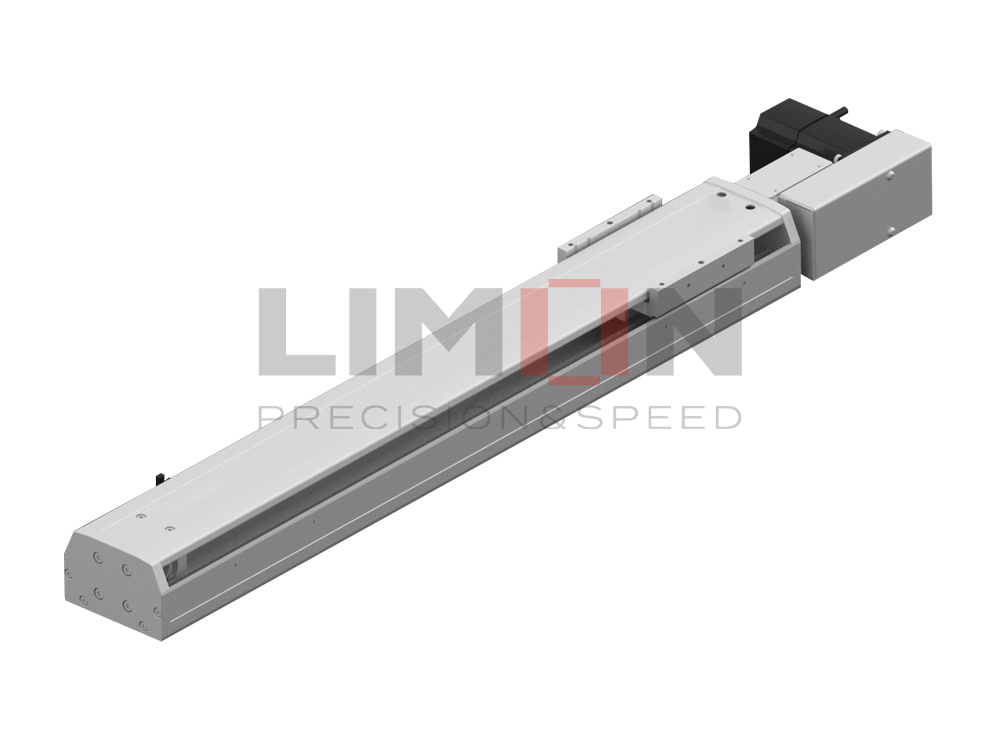
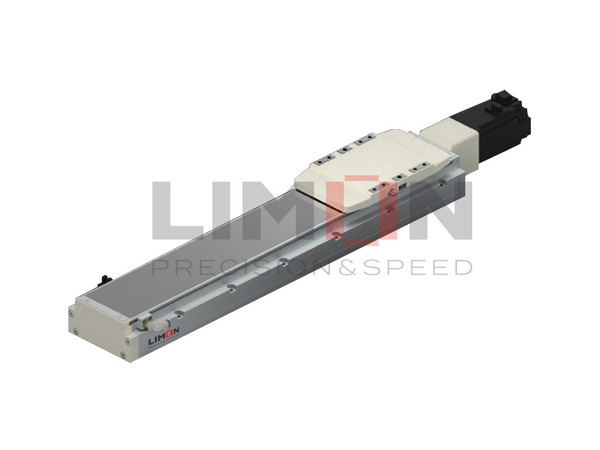
A linear actuator motion system is a combination of mechanical and electrical components designed to create controlled linear movement. Depending on the application, it may include a linear actuator, motor, guide rail, ball screw, controller, and feedback components.
Unlike a simple actuator used for basic pushing or pulling, a complete system focuses on coordinated motion, positioning accuracy, speed, load capacity, and repeatability. This makes it suitable for CNC equipment, material handling, packaging machinery, robotics, inspection equipment, and automated production lines.
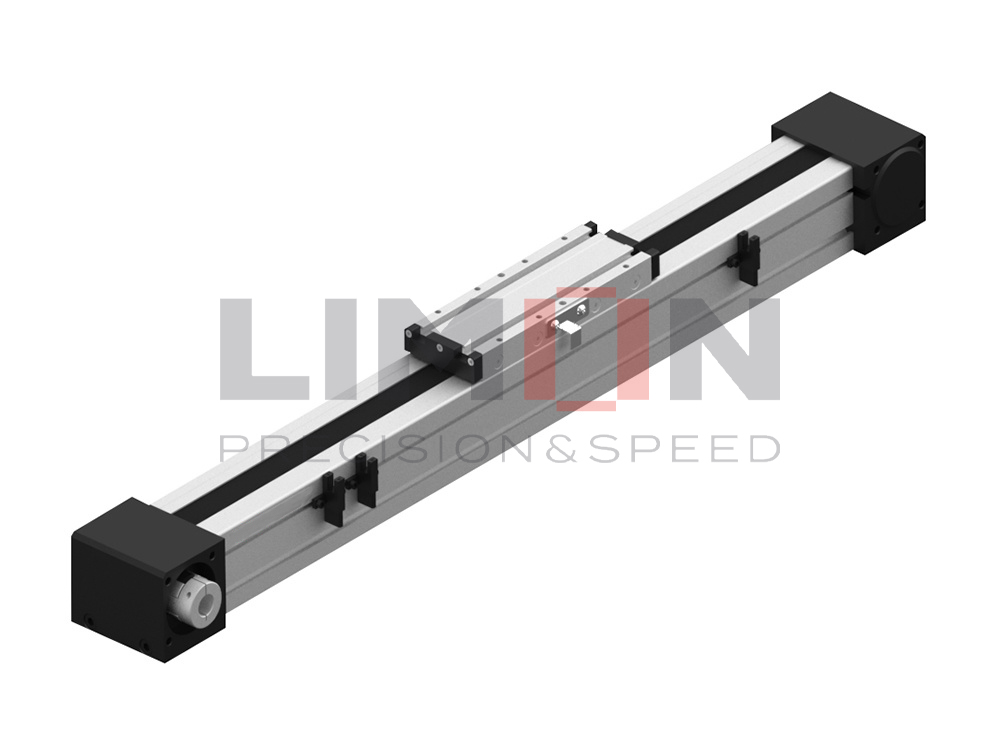
The actuator mechanism can use technologies such as ball screws, lead screws, belts, or linear motors. The best choice depends on required stroke, speed, load, duty cycle, and positioning accuracy.
For Limon, system reliability begins with manufacturing consistency. Our integrated production capabilities allow key linear motion components to be produced under controlled processes. By purchasing directly from Limon, customers can also receive product selection and technical support without unnecessary supply-chain complexity.
How Do Multi-Axis Systems Work?
Multi-axis systems combine multiple linear motion axes to create coordinated movement in different directions. A two-axis configuration may provide X-Y positioning, while a three-axis system can add vertical Z-axis movement.
For example, an automated pick-and-place machine may use one axis to move horizontally, another to position the tool forward and backward, and a third to raise or lower the mechanism. Each axis needs to work reliably while maintaining the required positioning relationship with the others.
The performance of the complete system depends not only on individual actuators but also on mechanical alignment, motor selection, controller settings, and synchronization. Poorly matched components can cause vibration, positioning errors, or unnecessary mechanical stress.
Limon can provide linear motion components designed for different industrial requirements, helping customers build more reliable automation platforms. Our direct-sales model also makes it easier to communicate application requirements and receive technical guidance when selecting components for multi-axis equipment.
Which Components Are Important in a Linear Motion System?
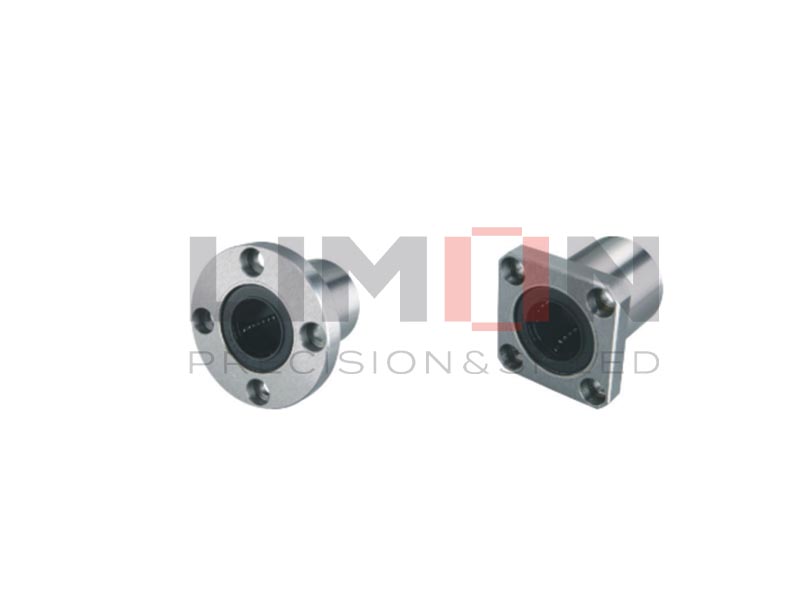
A complete linear motion solution normally includes several components working together. The linear actuator provides the driving force, while linear guide rails and bearings support and guide the moving load.
Ball screws are often selected when high positioning accuracy, rigidity, and efficient transmission are important. Belt-driven systems can be useful when longer travel and higher speed are priorities. Motors provide rotational power, while controllers determine how movement is started, stopped, accelerated, and synchronized.
Feedback devices can further improve positioning performance by allowing the control system to monitor actual motion. Depending on the application, sensors and limit switches may also be incorporated for safety and position detection.
Choosing each component separately without considering the complete system can create compatibility problems. Limon’s integrated manufacturing approach helps maintain consistency across linear motion products, while our technical support can help customers evaluate factors such as load, stroke, speed, accuracy, and operating environment.
Where Are Linear Actuator Motion Systems Used?
Linear actuator motion systems are widely used wherever equipment needs repeatable and controlled movement. Typical applications include automated assembly machines, packaging systems, CNC equipment, semiconductor manufacturing equipment, laboratory automation, robotics, inspection machines, and material handling systems.
In a simple application, one actuator may move a component along a single axis. More advanced equipment can use multi-axis systems to perform complex positioning tasks automatically.
For example, a production machine may require horizontal movement for material positioning, vertical movement for lifting, and another axis for tool positioning. Combining these movements allows manufacturers to automate tasks that would otherwise require manual intervention.
The appropriate actuator technology depends on the application. High-speed applications may prioritize belt-driven mechanisms or linear motors, while applications requiring high thrust and positioning accuracy may benefit from ball-screw-based solutions.
Limon focuses on providing reliable, high-performance linear motion products for industrial applications. Our products are manufactured through an integrated production system and sold directly, giving customers a practical source for both individual components and complete motion solutions.
How Should You Choose the Right Linear Actuator System?
Choosing the right system starts with the application requirements rather than the actuator itself. First, determine the required load capacity, stroke length, travel speed, positioning accuracy, acceleration, and duty cycle.
Next, consider the operating environment. Dust, moisture, temperature, vibration, and available installation space can influence the appropriate actuator and guide technology.
For multi-axis applications, synchronization is equally important. The axes must be mechanically and electronically compatible so that the complete system can achieve stable and predictable movement.
You should also consider maintenance requirements and expected service life. A lower initial cost does not necessarily mean a lower total cost if the system requires frequent maintenance or replacement.
Limon helps customers evaluate these factors before selecting products. With an integrated manufacturing line, direct sales, high-quality linear motion components, and technical support, Limon can provide solutions matched to different industrial motion requirements rather than simply supplying individual parts.
Why Choose Limon for Linear Motion Solutions?
A reliable automation system requires more than individual high-quality components. It requires consistency between the actuator, guide system, drive mechanism, motor, and control strategy.
Limon’s strength comes from its focus on linear motion technology and integrated manufacturing. Our product range includes linear guide rails, ball screws, linear bearings, and linear actuators, allowing customers to source multiple motion components from one manufacturer.
Our direct-to-customer business model also helps shorten communication between the manufacturer and end user. Customers can discuss application requirements directly with Limon and receive technical assistance when selecting specifications.
Whether you are developing a single-axis machine or a more complex multi-axis system, factors such as precision, speed, load, stroke, and service life should be considered together. Limon’s goal is to help customers build dependable motion systems that deliver stable performance in real industrial environments.
Conclusion
A well-designed linear actuator motion system can provide accurate, repeatable, and efficient movement for modern automation equipment. When multiple axes are coordinated, these systems can support increasingly complex manufacturing and robotic applications.
From individual linear actuators to complete multi-axis systems, Limon provides reliable, high-performance linear motion solutions backed by integrated manufacturing, direct sales, and technical support.
Choose Limon for dependable linear motion technology built for real industrial applications.