In modern industrial automation, precision linear motion is no longer optional—it’s mission-critical. From CNC machines and semiconductor equipment to automated assembly lines and medical devices, choosing the right motion components directly impacts accuracy, efficiency, reliability, and total cost of ownership.
One of the most common questions engineers and buyers ask is:
Linear rail vs vis à bille — which one is right for my application?
Understanding the Basics: What Is a Linear Rail?
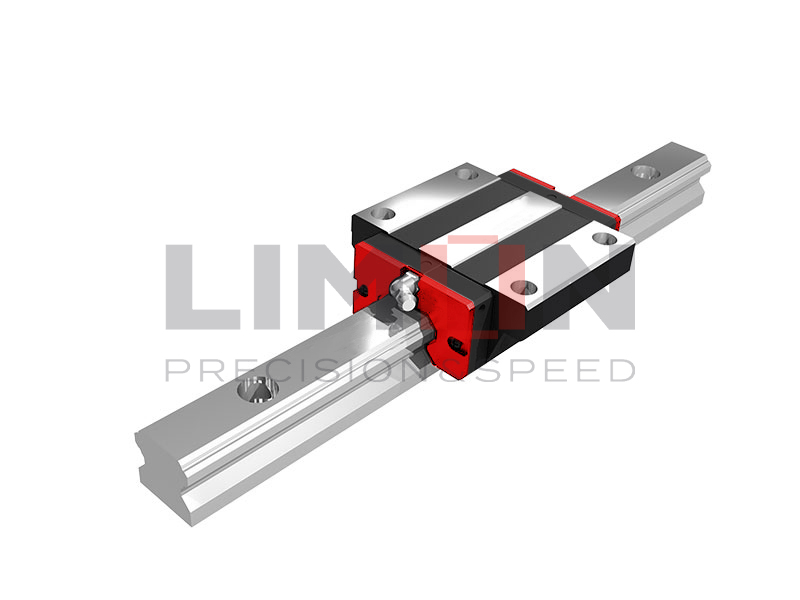
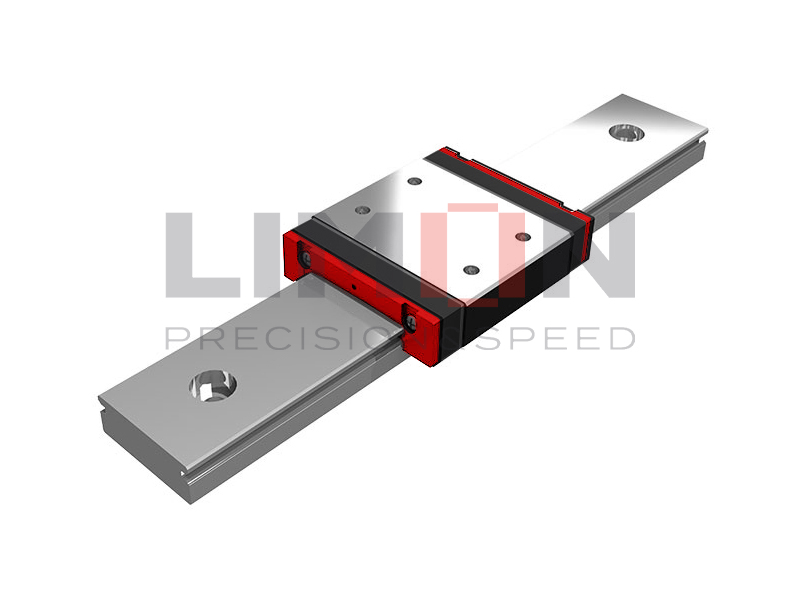
A rail linéaire, also known as a linear guide, is designed to provide smooth, precise, and low-friction linear motion along a fixed path.
How Linear Rails Work
Linear rails consist of:
- A hardened steel rail
- A carriage (block)
- Recirculating rolling elements (balls or rollers)
The carriage moves along the rail while maintaining high rigidity and accuracy, even under heavy or offset loads.
Key Advantages of Linear Rails
- Précision de positionnement et répétabilité élevées
- Excellent load capacity in multiple directions
- Faible frottement et mouvement souple
- Long service life with proper lubrication
Applications courantes
- Centres d'usinage CNC
- Robots industriels
- Imprimantes 3D
- Systèmes de prise et de dépose
- Équipements d'inspection automatisés
Rails linéaires guide motion, but they do not generate movement on their own. That’s where vis à billes Entrez.
Understanding the Basics: What Is a Linear Rail?
A rail linéaire, also known as a linear guide, is designed to provide smooth, precise, and low-friction linear motion along a fixed path.
How Linear Rails Work
Linear rails consist of:
- A hardened steel rail
- A carriage (block)
- Recirculating rolling elements (balls or rollers)
The carriage moves along the rail while maintaining high rigidity and accuracy, even under heavy or offset loads.
Key Advantages of Linear Rails
- Précision de positionnement et répétabilité élevées
- Excellent load capacity in multiple directions
- Faible frottement et mouvement souple
- Long service life with proper lubrication
Applications courantes
- Centres d'usinage CNC
- Robots industriels
- Imprimantes 3D
- Systèmes de prise et de dépose
- Équipements d'inspection automatisés
Rails linéaires guide motion, but they do not generate movement on their own. That’s where vis à billes Entrez.
Linear Rail vs Ball Screw: Core Differences Explained
While often compared, rail linéaire vs vis à bille is not always an “either-or” decision. They serve different mechanical functions.
| Fonctionnalité | Linear Rail | Vis à billes |
| Primary Function | Guides linear motion | Drives linear motion |
| Type de mouvement | Passive guidance | Active actuation |
| Load Type | Radial & moment loads | Axial thrust loads |
| Précision | High guidance accuracy | Grande précision de positionnement |
| Efficacité | Very low friction | Extremely high efficiency |
| Typical Pairing | Used with ball screw or belt | Used with linear guide |
Ball Screw and Linear Guide: Why They Are Often Used Together
In most high-precision systems, vis à bille et guide linéaire components work together to create a complete, stable motion solution.
Why This Combination Works
- Ball screws provide accurate thrust and positioning
- Linear guides handle radial forces and moments
- Together, they reduce vibration, wear, and alignment errors
This combination is standard in:
- Machines-outils à commande numérique
- Precision automation platforms
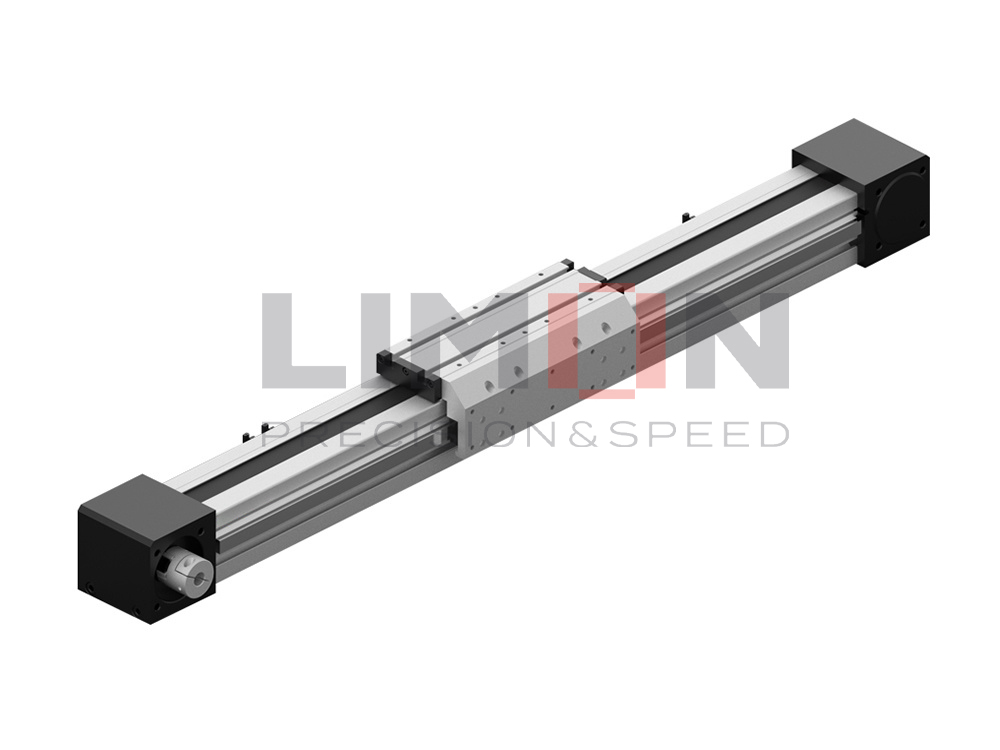
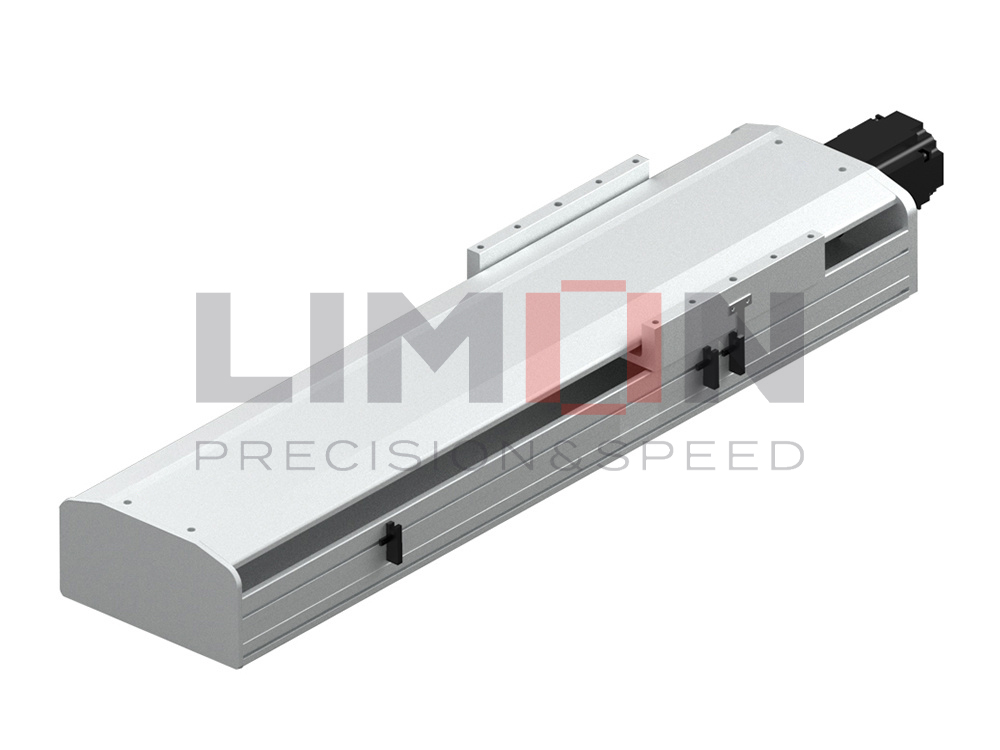
- Linear modules and actuators
At Limon, we design vis à bille et guide linéaire systems to work seamlessly together, ensuring optimal preload matching, stiffness balance, and service life.
How to Choose Between Linear Rail vs Ball Screw (or Both)
The right choice depends on your application requirements. Ask yourself the following:
- Do You Need Motion Generation or Guidance?
- Need movement only → Ball screw
- Need stable guidance → Linear rail
- Need both → Ball screw + linear guide
- Accuracy & Repeatability Requirements
- Micron-level positioning → Ball screw
- High straightness & rigidity → Linear rail
- Load & Speed Considerations
- Heavy axial loads → Ball screw
- Multi-directional or moment loads → Linear guide
- High-speed automation → Properly matched system
- Environment & Maintenance
- Cleanroom or medical → Precision-ground ball screws & sealed linear rails
- Industrial environment → Hardened rails with robust lubrication systems
Why Engineers Choose Limon Linear Motion Solutions
As a direct-to-customer manufacturer, Limon controls the entire production process—from raw material machining to final assembly and inspection.
Ce qui distingue Limon
- Fully integrated manufacturing lines
- Qualité constante et tolérances serrées
- Soutien technique axé sur les applications
- Des prix compétitifs sans intermédiaires
- Custom and standard solutions available
Whether you need a single rail linéaire, a high-précision vis à bille, or a complete vis à bille et guide linéaire system, Limon delivers industrial-grade performance you can trust.
Future Trends: Where Linear Motion Technology Is Headed
Looking ahead, linear motion systems are evolving toward:
- Higher precision with smarter preload designs
- Compact, integrated linear actuators
- Improved materials for longer service life
- Increased demand for plug-and-play motion modules
Manufacturers that understand rail linéaire vs vis à bille integration will gain a competitive edge in automation, robotics, and advanced manufacturing.
Final Thoughts: Linear Rail vs Ball Screw — The Smart Choice Is Understanding Both
The real question isn’t rail linéaire vs vis à bille, but how to use them together effectively.
By understanding their roles and selecting the right configuration, you can dramatically improve system accuracy, reliability, and ROI.
If you’re designing a new system or upgrading existing equipment, Limon’s engineering team is ready to help you choose the right linear motion solution—built for performance, built to last.