Are inconsistent motion, poor positioning accuracy, or limited actuator performance slowing down your automation projects?
Choosing the right actuator depends on speed, load, precision, and travel requirements. From a ball screw actuator et linear electric actuator to a servo hydraulic actuator, modern actuator technologies enable efficient, reliable, and precise motion control across industrial automation systems.
Let’s explore actuator types, applications, and selection strategies.
Why Are Actuators Essential in Modern Motion Control Systems?
Actuators are the driving force behind modern automation. They convert electrical, hydraulic, or mechanical energy into controlled movement, allowing machines to perform precise tasks repeatedly and efficiently.
Today, industries rely heavily on linear motion actuators for applications requiring accurate positioning, lifting, pushing, pulling, and material handling. Whether used in robotics, CNC equipment, packaging machinery, or semiconductor production, actuators directly impact productivity and operational reliability.
The growing demand for automation has increased the adoption of technologies such as the linear electric actuator et linear mechanical actuator, which provide cleaner, more energy-efficient alternatives to traditional systems.
At Limon, we manufacture high-performance linear motion products through a fully integrated production line. This allows us to maintain strict quality control standards while providing reliable solutions that meet the evolving needs of industrial automation worldwide.
Ball Screw Actuator vs Linear Belt Actuator: Which Performs Better?
Two of the most common actuator technologies in automation are the ball screw actuator et le linear belt actuator.
A ball screw actuator converts rotary motion into linear movement using recirculating ball bearings. This design offers:
- Grande précision de positionnement
- Excellente répétabilité
- Superior load capacity
- Un minimum de réactions négatives
- Longue durée de vie
These characteristics make ball screw systems ideal for CNC machinery, precision assembly equipment, and semiconductor manufacturing.
In contrast, a linear belt actuator uses a timing belt mechanism to drive movement. Belt-driven systems provide:
- Higher travel speeds
- Longer stroke lengths
- Lower initial costs
- Lightweight construction
However, they generally sacrifice some positioning accuracy compared to screw-driven solutions.
Limon engineers help customers evaluate speed, load, and precision requirements to determine the most suitable actuator technology for each application.
How Linear Electric Actuators Are Transforming Industrial Automation
Le linear electric actuator has become one of the fastest-growing motion control technologies in modern manufacturing.
Unlike pneumatic and hydraulic systems, electric actuators offer:
- Precise position control
- Efficacité énergétique
- Lower maintenance requirements
- Cleaner operation
- Easy integration with automation systems
A high-quality linear motion actuator can improve production efficiency while reducing operational costs and downtime.
Industries increasingly adopting electric actuator technology include:
- Medical equipment manufacturing
- Automotive production
- Warehouse automation
- Food processing
- Assemblage électronique
As Industry 4.0 continues to expand, electric actuators are becoming a cornerstone of intelligent manufacturing systems.
Limon’s integrated manufacturing capabilities allow us to deliver dependable electric actuator solutions that combine precision, durability, and long-term reliability.
What Makes a Linear Stage Actuator Ideal for Precision Applications?
Precision positioning systems often rely on the linear stage actuator because of its ability to achieve highly controlled movement.
A linear stage actuator combines a motion platform with guiding and driving components to provide accurate travel along a defined axis. These systems are commonly used in:
- Optical inspection equipment
- Automatisation des laboratoires
- Semiconductor production
- Precision measurement systems
- Scientific research instruments
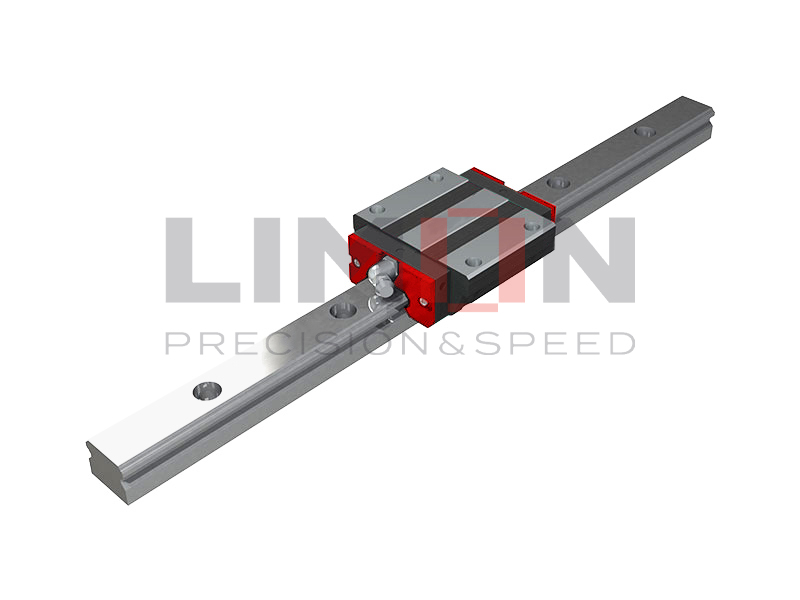
Many advanced linear motion actuators integrate ball screws and linear guides to achieve micron-level positioning accuracy.
At Limon, our expertise in ball screw manufacturing and linear guide technology enables us to develop actuator solutions that meet the stringent demands of precision automation applications.
Our factory-direct model also allows customers to receive high-quality products and technical support without unnecessary intermediary costs.
Servo Hydraulic Actuator vs Linear Mechanical Actuator
Selecting between a servo hydraulic actuator et un linear mechanical actuator often depends on application requirements.
A servo hydraulic actuator is designed for applications requiring:
- Extremely high force output
- Manipulation de charges lourdes
- Dynamic motion control
- Harsh operating environments
These actuators are commonly used in aerospace testing, heavy industrial equipment, and large-scale machinery.
Meanwhile, a linear mechanical actuator offers several advantages:
- Simpler maintenance
- Une plus grande efficacité énergétique
- Lower operating costs
- Cleaner installation
- Improved positioning precision
For many industrial automation systems, mechanical actuators provide the ideal balance between performance and cost-effectiveness.
Limon helps customers compare actuator technologies and select solutions that maximize both productivity and long-term return on investment.
Why Are Hollow Rotary Actuators and Linear Slide Actuators Gaining Popularity?
As automation systems become more compact and sophisticated, engineers are increasingly adopting specialized actuator designs such as the actionneur rotatif creux et linear slide actuator.
A actionneur rotatif creux features a central opening that allows cables, tubing, or sensors to pass through the actuator body. This simplifies machine design and improves space utilization.
Les avantages comprennent
- Compact layouts
- Reduced cable management complexity
- Improved integration flexibility
- Enhanced equipment aesthetics
Similarly, a linear slide actuator combines linear guidance and drive mechanisms into a compact unit that delivers smooth, precise movement.
These systems are widely used in:
- Robotique
- Electronics manufacturing
- Automatisation médicale
- Packaging systems
Limon continuously invests in advanced manufacturing technologies to support the growing demand for innovative motion control solutions.
Future Trends for Linear Actuators UK and Global Automation Markets
Demand for advanced actuator solutions continues to grow globally, including the expanding market for linear actuators UK and other industrial regions.
Several trends are shaping the future of motion control:
- Smart actuator integration
- Predictive maintenance systems
- Compact actuator designs
- Energy-efficient motion control
- High-speed automation platforms
- Multi-axis motion systems
Manufacturers increasingly seek actuator solutions that provide greater precision, connectivity, and operational efficiency.
Whether customers require a ball screw actuator, linear belt actuator, linear stage actuator, or advanced linear electric actuator, future systems will demand higher performance and greater intelligence.
Limon remains committed to innovation by combining engineering expertise, integrated manufacturing, and continuous product development to meet future automation challenges.
Conclusion: Build Smarter Automation with the Right Actuator Technology
Modern automation depends on selecting the right actuator technology. From the precision of a ball screw actuator et linear stage actuator to the power of a servo hydraulic actuator, every solution must be matched carefully to application requirements.
Understanding the strengths of technologies such as the linear electric actuator, linear slide actuator, linear belt actuatoret linear mechanical actuator helps manufacturers improve productivity, efficiency, and reliability.
Limon combines a fully integrated production line, factory-direct sales, rigorous quality control, and professional technical support to deliver reliable, high-performance linear motion solutions for customers worldwide.
With Limon, you gain more than actuator products—you gain a trusted partner dedicated to precision motion, industrial innovation, and long-term automation success.