If you’ve ever asked, “whats a servo and why is everyone using it in automation?” you’re not alone.
From CNC machines in Ohio to EV manufacturing lines in Texas, servo systems are at the heart of America’s most advanced production facilities. But understanding what is the servo, how it works, and why it matters is critical when designing reliable linear motion systems.
Au Limon, we manufacture precision linear motion components—including vis à billes, guides linéaires, and integrated linear actuators—that frequently operate alongside servo motors. In this guide, we’ll explain:
- Whats a servo?
- What is the servo motor actually doing?
- How do servo systems work with linear motion components?
- Why are servo-driven systems dominating U.S. automation?
Let’s break it down in practical, engineering-focused terms.
Whats a Servo? (Simple Definition)
So first — whats a servo?
A servo (short for servomécanisme) is a closed-loop motor system that uses feedback to control position, speed, and torque with high precision.
Unlike a basic motor that simply spins when powered, a servo motor continuously monitors its output using an encoder. It compares actual movement to commanded movement and automatically corrects any deviation.
En termes simples :
A servo is a smart motor that knows exactly where it is — and adjusts itself in real time.
That precision is why servo systems are standard in CNC machining, robotics, packaging, and automated assembly lines across the United States.
What Is the Servo Doing in an Industrial System?
Now let’s answer the next key question: what is the servo responsible for?
In most industrial environments, the servo motor:
- Controls exact positioning
- Regulates acceleration and deceleration
- Maintains consistent torque under load
- Ensures repeatable motion cycles
Par exemple :
- In a CNC machine, the servo controls axis movement down to microns.
- In warehouse automation, it ensures smooth high-speed positioning.
- In EV battery assembly lines, it synchronizes robotic operations.
Without servo systems, modern precision manufacturing simply wouldn’t function.
Comment fonctionne un servomoteur ?
To understand what is the servo, we need to examine its three core components:
- Servomoteur
The physical motor that produces rotational motion.
- Encoder (Feedback Device)
Measures position, speed, and direction in real time.
- Servomoteur (contrôleur)
Compares commanded motion to actual motion and corrects errors instantly.
This creates what engineers call a closed-loop system.
If there’s even a tiny deviation — caused by load changes, vibration, or resistance — the servo automatically compensates.
That’s why servo-driven systems outperform traditional open-loop stepper motors in demanding industrial applications.
Servo Motors and Linear Motion: Why They Work Together
In most manufacturing environments, servo motors generate rotary motion — but industrial systems often require straight-line movement.
That’s where linear motion components come in.
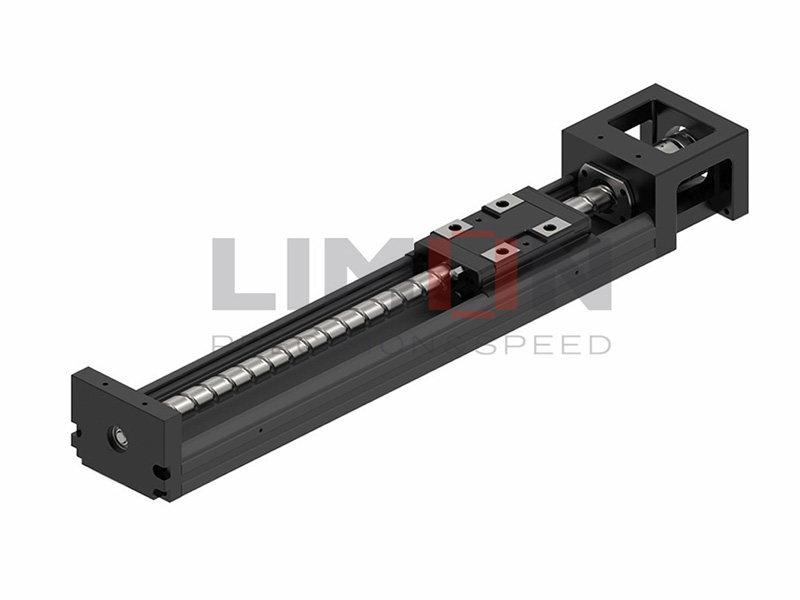
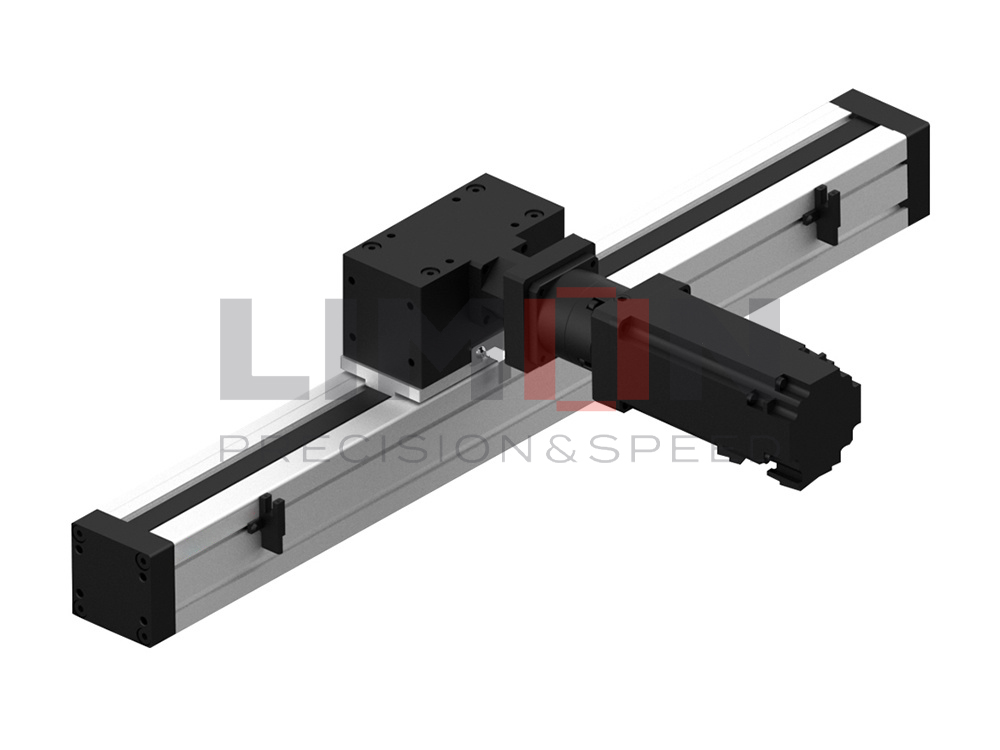
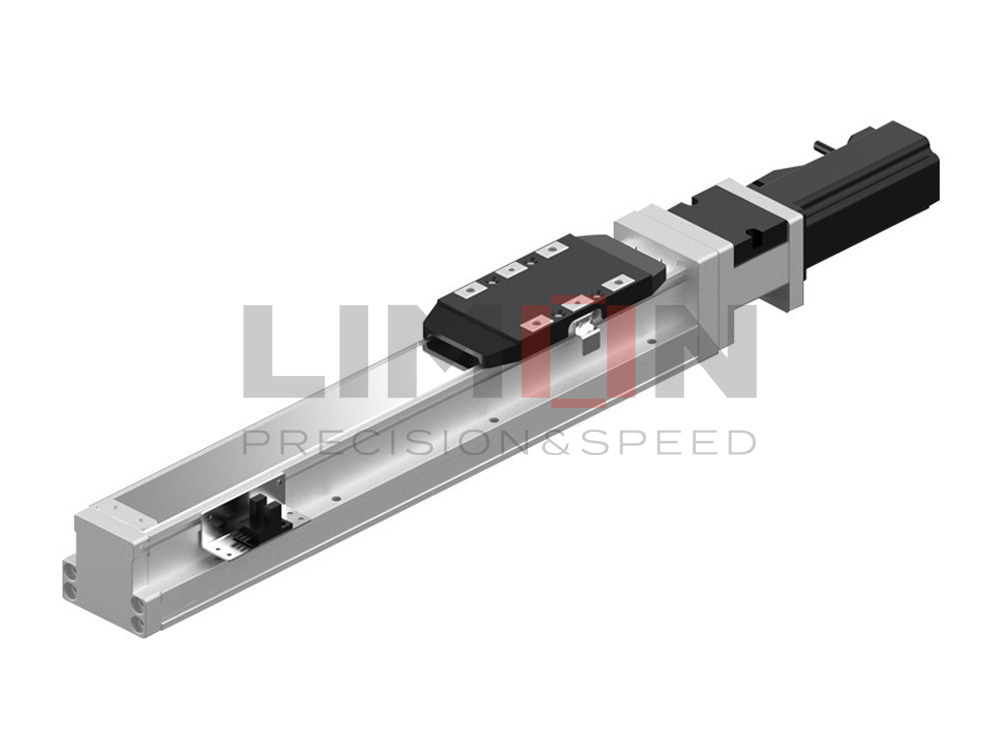
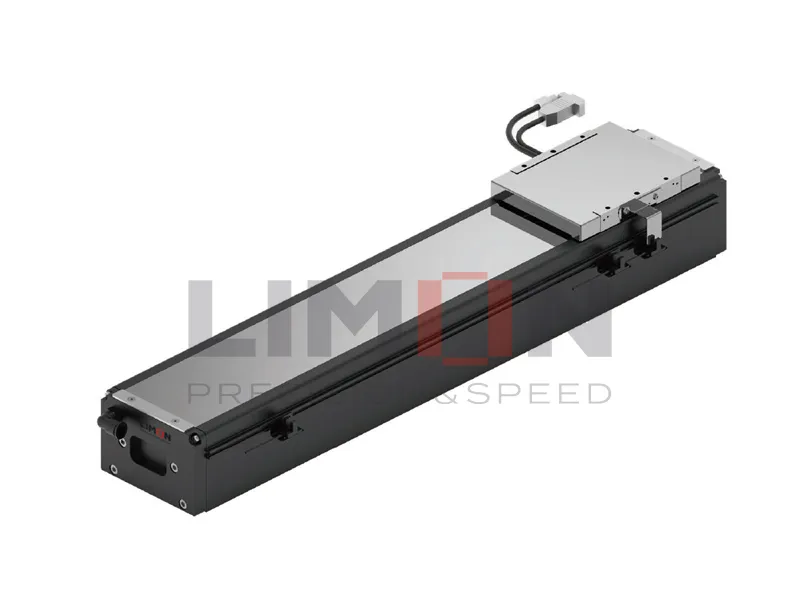
At Limon, our ball screws and linear guide rails convert precise rotary servo motion into highly accurate linear movement.
Voici comment cela fonctionne :
- The servo motor rotates.
- The ball screw converts rotation into linear travel.
- The linear guide ensures smooth, stable support.
- The system achieves precise positioning.
This combination is common in:
- Centres d'usinage CNC
- Systèmes d'inspection automatisés
- Pick-and-place robotics
- Équipements semi-conducteurs
The performance of your servo system is only as strong as the mechanical components supporting it.
Servo vs Stepper: Why Servo Systems Dominate U.S. Automation
Many engineers evaluating motion systems ask whether to choose stepper motors or servo motors.
Here’s the difference:
| Fonctionnalité | Moteur pas à pas | Servomoteur |
| Retour d'information | Boucle ouverte | Boucle fermée |
| Précision | Modéré | Extremely High |
| Vitesse | Limitée | High-speed capable |
| Torque at High RPM | Baisse significative | Maintains torque |
| Best for | Light-duty | Automatisation industrielle |
In American manufacturing, where downtime costs thousands of dollars per hour, reliability and precision win.
That’s why servo systems dominate industries like:
- Aérospatiale
- Construction automobile
- Robotique
- Advanced material processing
What Is the Servo Used For in Real Applications?
If you’re still wondering, what is the servo actually used for? Let’s look at real-world applications:
Machines CNC
Servo motors control X, Y, and Z axes for precise tool positioning.
Robotique
Articulated arms rely on synchronized servo control for smooth motion.
Packaging Systems
High-speed indexing requires controlled acceleration and deceleration.
Automated Warehousing
Servo-driven gantry systems move goods quickly and accurately.
Équipement médical
Surgical robotics and imaging systems demand ultra-precise motion control.
Across all these applications, the servo motor is the brain behind controlled movement.
Why Servo Quality Matters in Linear Actuator Systems
Even the best servo motor can’t compensate for poor mechanical design.
For optimal performance, servo systems require:
- Vis à billes rectifiées avec précision
- High-rigidity linear guides
- Un minimum de réactions négatives
- Proper preload selection
- Stable mounting alignment
At Limon, our fully integrated production line ensures tight quality control from raw material processing to final assembly. That means:
- Consistent dimensional accuracy
- Smooth motion performance
- Réduction des vibrations
- Extended system lifespan
When servo motors operate with well-matched linear components, the entire system achieves maximum efficiency.
The Future of Servo-Driven Automation in the United States
American manufacturing is evolving rapidly under trends like:
- Industrie 4.0
- Usines intelligentes
- Increased reshoring of production
- EV and semiconductor expansion
- Labor shortages driving automation
All of these trends increase demand for high-performance servo-driven linear systems.
Modern servo technology now includes:
- Advanced digital drives
- Integrated motion control software
- Predictive maintenance capabilities
- Conceptions à faible consommation d'énergie
As factories modernize, servo-based systems will continue replacing older hydraulic and pneumatic solutions.
How to Choose the Right Servo-Driven Linear System
If you’re designing a system, consider these factors:
- Required Positioning Accuracy
Micron-level CNC? Or millimeter-level packaging?
- Exigences en matière de charge
Heavy gantry systems require larger ball screws and reinforced guides.
- Vitesse et accélération
High-speed automation requires dynamic system rigidity.
- Cycle de travail
24/7 production environments demand durable components.
- Integration Requirements
Compatibility with PLC and servo drives is critical.
Choosing a reliable mechanical partner is just as important as selecting the servo motor itself.
Why Limon Is the Right Motion Partner
At Limon, we support servo-driven systems with:
- High-precision ball screws
- Durable linear guide rails
- Actionneurs linéaires intégrés
- OEM customization options
- Stable production capacity
- Direct-to-customer supply
Our fully integrated manufacturing ensures:
- Une qualité constante
- Des tarifs compétitifs
- Reliable lead times
- Engineering flexibility
When you combine advanced servo technology with precision linear components, you build systems that last.
Final Thoughts: What’s a Servo and Why It Matters
So — whats a servo?
It’s the intelligent motor system that makes modern automation possible.
And what is the servo in practical terms?
It’s the difference between rough movement and precision control. Between outdated machinery and smart manufacturing. Between production delays and operational excellence.
If you’re designing or upgrading automation systems, pairing high-quality servo motors with precision-engineered linear motion components is essential.
Limon is ready to support your next motion system project.
Ready to build a smarter servo-driven system?
Explore our full range of linear guides, ball screws, and actuator solutions—and let’s move your automation forward with precision.