À mesure que l'automatisation industrielle évolue vers davantage de vitesse, de précision et d'intelligence, le servomoteur est devenu un moteur essentiel des systèmes de mouvement linéaire modernes. Des machines à commande numérique à la robotique en passant par les chaînes de production automatisées, servomoteurs façonnent l'avenir du contrôle de précision.
Chez Limon, nous fabriquons des guidages linéaires, des vis à billes, des roulements linéaires et des actionneurs linéaires haute performance, conçus pour exploiter pleinement le potentiel des mouvements servocommandés. Dans cet article, nous allons découvrir ce qu'est un servomoteur ce qu'est cette technologie, comment elle fonctionne et pourquoi elle joue un rôle clé dans les applications industrielles de nouvelle génération.
Qu'est-ce qu'un servomoteur ?
A servomoteur est un système de moteur en boucle fermée capable de contrôler avec précision la position, la vitesse et le couple. Contrairement aux moteurs classiques, un servomoteur reçoit en permanence des données de retour provenant d'un codeur, ce qui permet une correction en temps réel.
Il vous arrive peut-être parfois de tomber sur des termes tels que moteur Seevo ou moteur SEVO en ligne — ce sont des fautes d'orthographe courantes, mais elles désignent la même chose servomoteur une technologie largement utilisée dans l'industrie.
Cette structure en boucle fermée constitue la base du contrôle servomoteur des performances alliant précision et fiabilité élevées.
Moteur à servocommande : le cerveau d'un contrôle de précision
- Le système électrique servomoteur
- Le servomoteur (contrôleur)
Le variateur interprète les signaux de commande et ajuste la tension, le courant et la fréquence afin de garantir un mouvement précis. Cette intégration étroite permet servomoteurs pour assurer un mouvement fluide et reproductible, ce qui est particulièrement important lors de l'entraînement de composants de précision tels que les vis à billes et les guidages linéaires.
Fonctionnement des systèmes de commande des servomoteurs
Les systèmes d'asservissement reposent sur un retour d'information continu. Le régulateur compare la consigne à la performance réelle du moteur et corrige instantanément tout écart.
Cette fonctionnalité garantit :
- Aucune perte de position
- Mouvement stable en cas de variations de charge
- Une précision constante sur de longs cycles de fonctionnement
Associé aux vis à billes rectifiées avec précision de Limon, le servocontrôle offre des performances exceptionnelles en matière de positionnement linéaire.
Servomoteur à courant alternatif : la référence du secteur
Un climatiseur servomoteur est le type de servomoteur le plus couramment utilisé aujourd'hui dans l'automatisation industrielle. Par rapport aux moteurs traditionnels, les moteurs à courant alternatif servomoteurs offre :
- Haute efficacité
- Large plage de vitesses
- Excellente dissipation thermique
- Longue durée de vie
Ces avantages font de l'AC servomoteurs idéal pour les actionneurs linéaires à grande vitesse et les systèmes d'automatisation fonctionnant en continu.
Servomoteur à couple : la puissance nécessaire pour les applications exigeantes
Un couple servomoteur est conçu pour fournir un couple élevé, même à faible vitesse ou à l'arrêt. Cela est essentiel pour :
- Axes linéaires verticaux
- Positionnement de charges lourdes
- Opérations de pressage et de serrage
Une grande stabilité du couple améliore directement les performances et la durée de vie des composants de mouvement linéaire, tels que les guidages et les roulements.
Moteur pas à pas et servomoteur : comprendre la différence
Le terme moteur pas à pas asservi désigne généralement un moteur pas à pas avec une rétroaction supplémentaire. Bien que cette approche hybride améliore la fiabilité, elle ne parvient toujours pas à égaler la réponse dynamique, la plage de vitesse ou la régularité du couple d'un véritable servomoteur.
Pour les systèmes de mouvement linéaire industriels exigeants, les solutions entièrement asservies restent le choix privilégié.
Systèmes de servomoteurs télécommandés
Une télécommande servomoteur permet de gérer les mouvements via des automates programmables (PLC), des contrôleurs CNC ou des réseaux industriels. Cette fonctionnalité est essentielle pour :
- Usines intelligentes
- Systèmes synchronisés multiaxiaux
- Surveillance et diagnostics centralisés
Les systèmes linéaires à servocommande permettent une automatisation évolutive et intelligente.
Câblage d'un servomoteur : éléments clés à prendre en compte
Câblage d'un servomoteur Cela concerne les câbles d'alimentation, les lignes de codeurs, la mise à la terre et les interfaces de communication. Un câblage correct garantit :
- Transmission stable du signal
- Réduction du bruit électrique
- Amélioration de la fiabilité du système
Un câblage bien conçu est essentiel pour garantir la précision lors de servomoteurs entraîner des systèmes de mouvement linéaire de haute précision.
Pourquoi les servomoteurs sont-ils déterminants pour l'avenir du mouvement linéaire ?
Comme l'exigent les secteurs d'activité :
- Une plus grande précision
- Des temps de cycle plus courts
- Efficacité énergétique
- Commande intelligente
Servomoteurs continuent de remplacer les solutions de mouvement traditionnelles. Leur adaptabilité les rend idéales pour les systèmes de mouvement linéaire de nouvelle génération, axés sur l'automatisation et le contrôle numérique.
Pourquoi les systèmes de mouvement linéaire Limon sont-ils les plus performants avec les servomoteurs ?
Chez Limon, notre chaîne de production entièrement intégrée nous permet de concevoir des produits de mouvement linéaire optimisés pour les applications servo.
Nos solutions offrent :
- Vis à billes à haut rendement pour moteurs d'entraînement servo
- Guides linéaires rigides pour mouvements dynamiques
- Roulements linéaires résistants pour une longue durée de vie
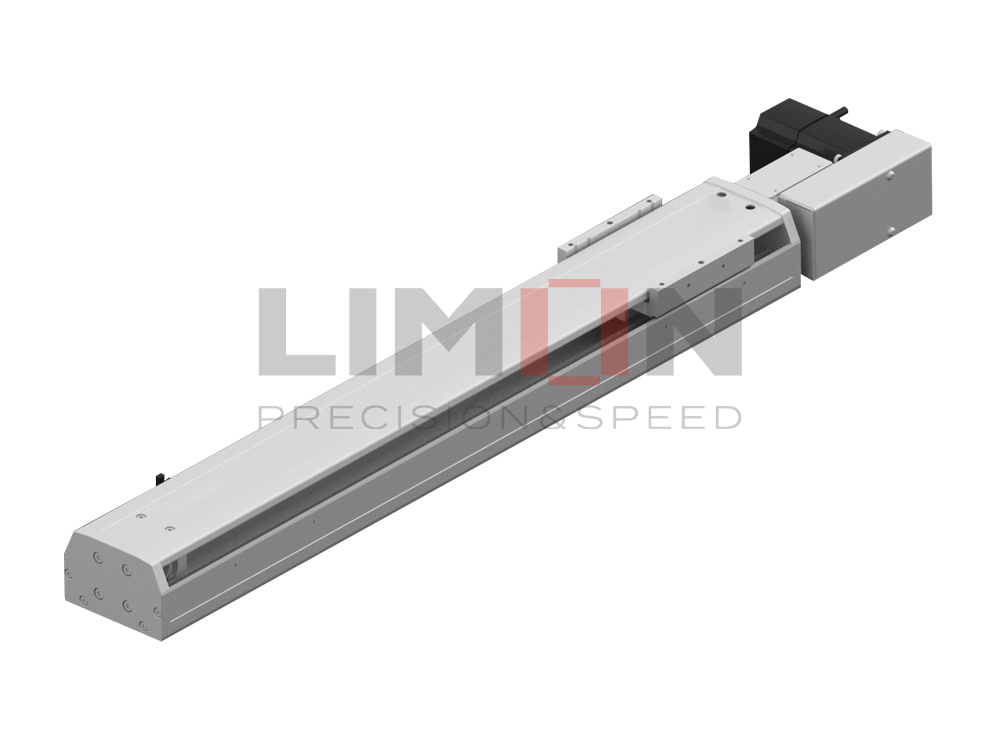
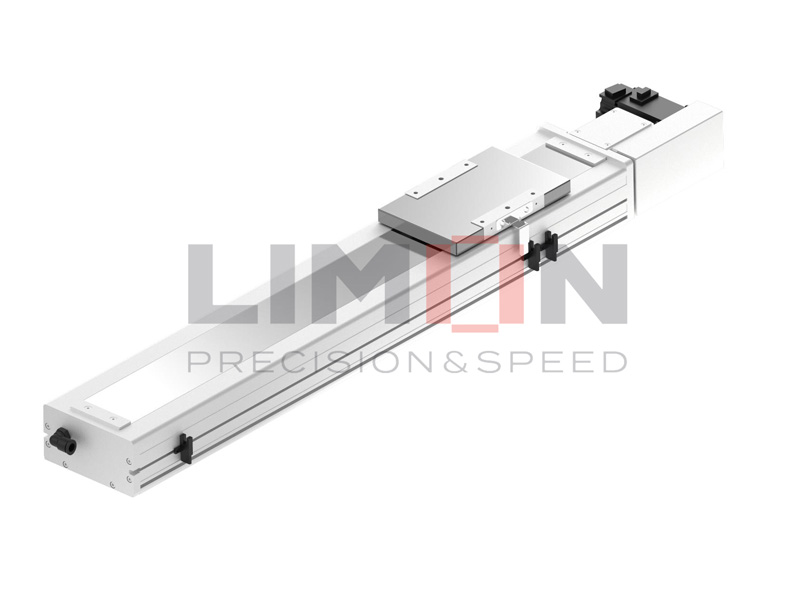
- Actionneurs linéaires compatibles avec les servomoteurs pour une intégration aisée
Cette optimisation au niveau du système permet aux clients d'obtenir de meilleures performances tout en réduisant le coût total de possession.