Moteurs pas à pas play a critical role in modern automation, precision motion control, and intelligent manufacturing. From CNC machines and packaging equipment to robotics and 3D printers, moteurs pas à pas are often the driving force behind accurate, repeatable motion.
Au Limon, we design and manufacture complete linear motion solutions—integrating moteurs pas à pas, linear guides, ball screws, linear bearings, and linear actuators—to help customers build reliable, high-performance industrial systems. In this article, we explain what stepper motors are, how they work, and where they deliver the most value.
What Is Stepper Motor: A Simple Definition
A moteur pas à pas is a type of electric motor that moves in precise, discrete steps rather than continuous rotation. Each electrical pulse sent to the motor results in a fixed angular movement, allowing for accurate position control without feedback systems.
This characteristic makes moteurs pas à pas ideal for applications where precision, repeatability, and controllability are more important than very high speed.
What Are Stepper Motors and How Do They Work?
So, what are moteurs pas à pas in practical terms?
Moteurs pas à pas operate by energizing coils in a specific sequence. This sequence creates a rotating magnetic field that forces the rotor to move in precise increments. Because each step is predictable, the motor’s position can be accurately controlled through software alone.
This is why what is moteurs pas à pas is a common question among engineers building cost-effective motion systems without complex encoders.
Key Advantages of Stepper Motors
Moteurs pas à pas offer several advantages that make them popular in industrial and automation environments:
- Grande précision de positionnement
- Excellente répétabilité
- Simple open-loop control
- Strong holding torque at low speeds
- Easy integration with motion controllers
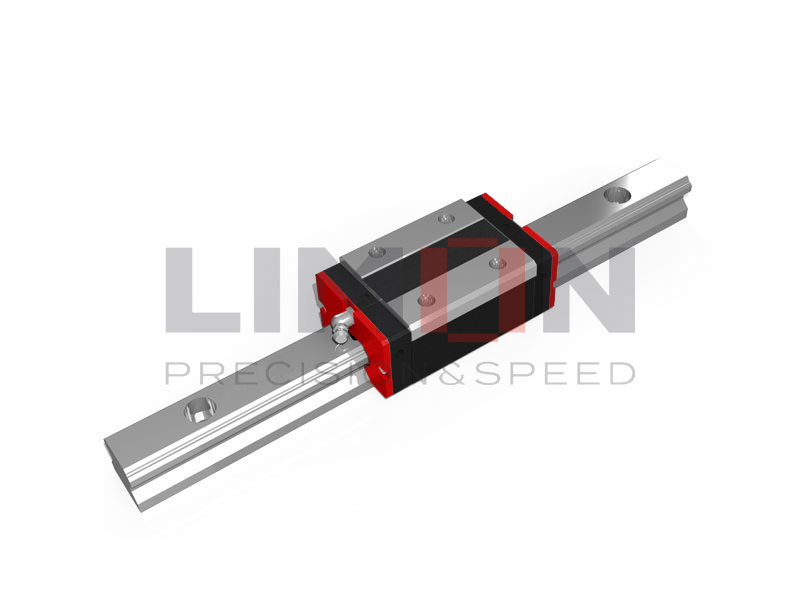
When paired with Limon linear guides or ball screws, moteurs pas à pas form compact, reliable linear motion systems.
Uses of Stepper Motor in Industrial Applications
The uses of moteur pas à pas span a wide range of industries, including:
- CNC machines and engraving equipment
- 3D printers and additive manufacturing systems
- Lignes d'assemblage automatisées
- Dispositifs médicaux et de laboratoire
- Machines d'emballage et d'étiquetage
Because they can precisely control position, moteurs pas à pas are especially effective in systems requiring synchronized multi-axis motion.
What Are Stepper Motors Used For Most Often?
What are moteurs pas à pas used for most frequently?
They are commonly used where accurate positioning, indexing, or controlled speed is required—particularly in applications where cost, simplicity, and reliability are critical factors.
Typical examples include linear actuators driven by ball screws, XY stages guided by linear rails, and compact automation modules.
What Is a Stepper Motor Used For in Linear Motion Systems?
A common question from system designers is: what is a moteur pas à pas used for when combined with linear motion components?
In linear motion systems, moteurs pas à pas are often used to:
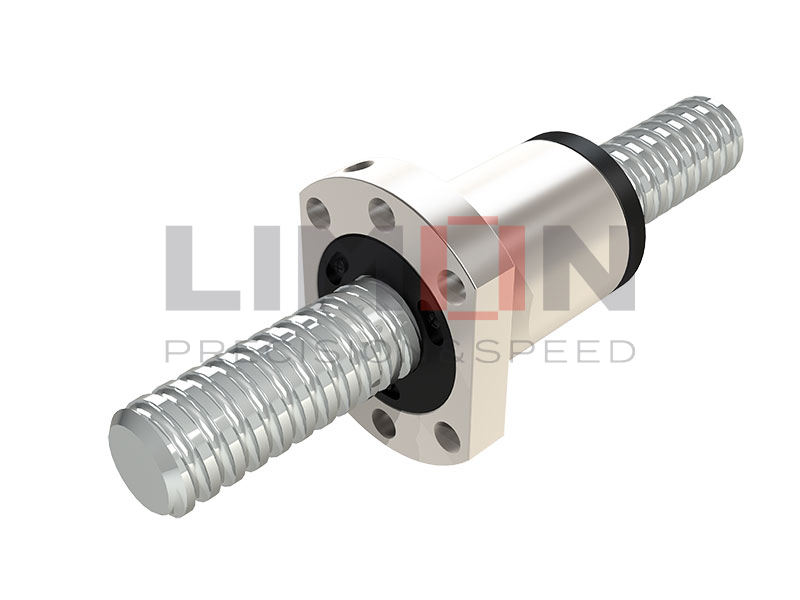
- Drive ball screws or lead screws
- Power belt-driven linear actuators
- Control precise linear positioning along linear guides
At Limon, we frequently integrate moteurs pas à pas into complete linear actuator solutions, offering customers a single-source, fully matched system.
Stepper Motors vs. Servo Motors: A Quick Comparison
While moteurs pas à pas excel at precision and simplicity, they are typically best suited for moderate-speed, moderate-load applications. Servo motors, by contrast, offer higher speed and dynamic performance but at higher system cost and complexity.
Choosing between them depends on application requirements—and Limon’s engineering team helps customers make the right decision for long-term performance and value.
Future Trends in Stepper Motor Applications
Looking ahead, moteurs pas à pas are evolving alongside automation trends:
- Integration with smarter controllers
- Higher efficiency and torque density
- Improved microstepping for smoother motion
- Deeper integration with linear guides and actuators
As automation grows, moteurs pas à pas will remain a cornerstone of precise, scalable motion systems.
Why Choose Limon for Stepper Motor Motion Solutions?
- Des capacités de production entièrement intégrées
- Expertise in linear guides, ball screws, and actuators
- Soutien technique axé sur les applications
- Reliable, industrial-grade performance
Whether you need a standalone stepper-driven actuator or a complete linear motion system, Limon delivers precision you can trust.