In modern manufacturing and automation, precision motion control is essential. From CNC machining centers to industrial robots and automated assembly lines, machines rely on components that can move smoothly, accurately, and reliably.
One of the most important components in these systems is the linear guide block. If you’ve ever wondered what is a linear guide block, how it works, or why it’s essential in modern machinery, you’re in the right place.
In this comprehensive guide, we’ll explain what is a linear guide block, what is a rail de guidage linéaire used for, how a linear rail guide system operates, and why these components are critical for high-precision industrial applications.
What Is a Linear Guide?
Before diving into the details of a guide block, it’s helpful to understand what is linear guide technology as a whole.
A guide linéaire is a mechanical system that allows an object to move smoothly and precisely along a straight path. Unlike traditional sliding systems that rely on surface contact, modern linear guides use rolling elements such as steel balls or rollers to reduce friction.
This design allows machines to achieve:
- Grande précision de positionnement
- Smooth and stable movement
- Lower friction and wear
- Higher load capacity
- Durée de vie plus longue
Because of these advantages, guides linéaires are widely used in industrial automation, robotics, semiconductor equipment, and precision manufacturing.
What Is a Linear Rail Guide?
Many engineers also ask: what is a guide linéaire sur rail?
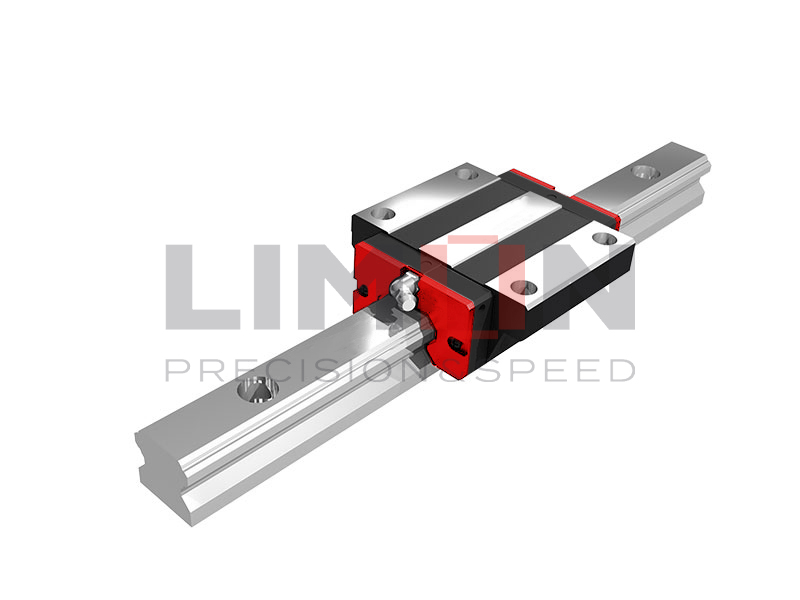
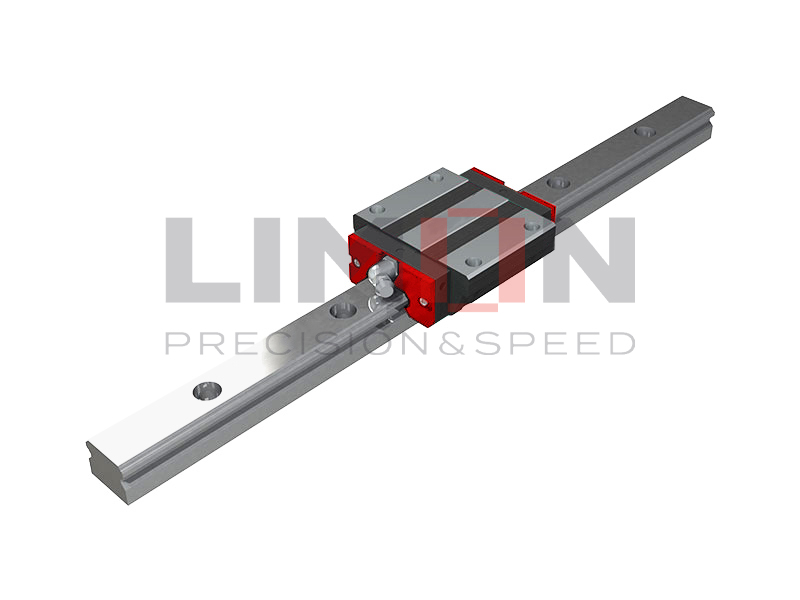
A guide linéaire sur rail (often called a linear guideway system) consists of two primary components:
- Linear guide rail – the stationary track mounted to the machine frame
- Linear guide block – the moving carriage that travels along the rail
Together, these components create a precision motion platform that allows machines to move loads smoothly and accurately.
Inside the block are rolling elements—usually hardened steel balls—that circulate through precision raceways. As the block moves along the rail, these rolling elements minimize friction while supporting the load.
This design is why linear rail guide systems are commonly used in high-performance equipment.
Qu'est-ce qu'un bloc de guidage linéaire ?
Now let’s answer the main question: what is a linear guide block?
A linear guide block (also called a carriage or slider) is the moving component of a linear guide system. It travels along the guide rail while supporting the machine’s moving structure.
The block contains recirculating rolling elements that allow it to glide smoothly along the rail with minimal friction.
Key Components of a Linear Guide Block
A typical linear guide block includes:
- Steel housing for structural rigidity
- Precision raceways that guide the rolling elements
- Recirculating ball or roller system
- End seals that protect against dust and debris
- Lubrication channels that maintain smooth operation
This carefully engineered structure allows the block to support heavy loads while maintaining extremely accurate motion.
What Is a Linear Guide Block Used For?
A common question engineers ask is: what is a linear guide block used for?
Linear guide blocks are used in any system that requires controlled, precise linear movement. They allow machines to move heavy loads smoothly while maintaining accurate positioning.
Applications courantes
Machines CNC
Machining centers rely on blocs de guidage linéaire to move cutting tools and worktables with micron-level precision.
Industrial Robotics
Robotic arms and motion platforms depend on linear guide systems to ensure smooth, repeatable movement.
Équipements semi-conducteurs
Chip manufacturing requires extremely precise motion systems where even tiny positioning errors can affect product quality.
Automated Production Lines
Linear guide blocks help move products, sensors, and tooling through high-speed assembly processes.
Medical and Laboratory Equipment
Precision imaging machines and diagnostic devices require smooth and vibration-free movement.
Because of their reliability and precision, blocs de guidage linéaire have become standard components in advanced automation systems.
Réflexions finales
Understanding what is a linear guide block and how it works is essential for anyone designing or operating modern machinery.
Combined with precision rails, these components form the backbone of reliable linear motion systems. Whether in CNC machines, robotics, or industrial automation, guide blocks ensure smooth movement, accurate positioning, and long-term durability.
If you’re looking for high-quality linear motion solutions, Limon offers precision-engineered linear guide systems designed to meet the demands of modern industry.
Explore our full range of rails de guidage linéaires, guide blocks, and motion components to build machines that move with accuracy, stability, and confidence.