In modern automation, CNC machinery, and industrial equipment, precise linear motion is critical. Among the most widely used mechanical components enabling linear movement are vis de plomb et vis à billes.
As a fully integrated linear motion manufacturer, Limon produces high-performance lead screws, vis à billes, linear guides, and actuators for demanding industrial applications. In this article, we’ll explain how lead screws work, how they compare to ball screws, and how to choose the right solution for your application.
What Is a Lead Screw?
A lead screw is a mechanical device that converts rotational motion into linear motion. It consists of two primary components:
- Screw (shaft) – a threaded rod
- Nut – travels along the screw when it rotates
When the screw rotates, the nut moves linearly along the axis of the screw, enabling controlled and predictable motion.
How a Lead Screw Works
The motion of a lead screw relies on direct contact between the screw threads and the nut threads. This sliding friction allows the system to:
- Position loads accurately
- Hold loads in place when power is removed
- Provide smooth, controlled movement
Because of this friction-based design, vis de plomb are often self-locking, making them ideal for vertical or load-holding applications.
Key Components of a Lead Screw Assembly
Un exemple typique lead screw Le système comprend :
1.Lead Screw Shaft
- Manufactured from carbon steel, stainless steel, or alloy steel
- Filetages rectifiés avec précision ou laminés
2.Lead Screw Nut
- Common materials: bronze, brass, polymer, or engineered plastics
- Selected based on load, speed, and wear requirements
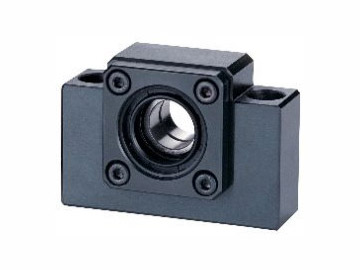
3.Support Bearings & End Mounts
- Ensure alignment and smooth rotation
At Limon, our vertically integrated production ensures tight tolerances, long service life, and consistent performance across all lead screw assemblies.
Advantages of Lead Screws
Understanding what is lead screw also means understanding why it remains popular in many industries.
1. Cost-Effective Linear Motion
Lead screws are generally more affordable than vis à billes, making them an excellent choice for budget-sensitive projects.
2. Self-Locking Capability
Due to higher friction, lead screws can prevent back-driving, reducing the need for additional braking systems.
3. Simple Design & Easy Maintenance
Fewer components mean:
- Easier installation
- Moins d'entretien nécessaire
4. Quiet Operation
Compared to rolling systems, lead screws often operate with lower noise levels.
Limitations of Lead Screws
While lead screws are highly effective, they are not ideal for every application.
- Lower efficiency (typically 20–40%) due to friction
- More heat generation at higher speeds
- Faster wear compared to rolling-contact systems
For high-speed, high-duty-cycle applications, another solution may be more appropriate—which brings us to vis à billes.
Qu'est-ce qu'une vis à billes ?
So, what are vis à billes, and how are they different?
A vis à bille is also a device that converts rotary motion into linear motion, but instead of sliding friction, it uses recirculating ball bearings between the screw and nut.
How Ball Screws Work
- Hardened steel balls roll between the nut and screw threads
- Balls recirculate through internal channels
- Rolling contact dramatically reduces friction
This design results in higher efficiency, greater precision, and longer lifespan.
Lead Screw vs Ball Screw: A Practical Comparison
| Fonctionnalité | Vis de plomb | Vis à billes |
| Type de mouvement | Sliding friction | Rolling friction |
| Efficacité | Faible à moyen | High (up to 90%+) |
| Capacité de charge | Modéré | Haut |
| Précision | Moyen | Très élevé |
| Vitesse | Faible à moyen | Haut |
| Autobloquant | Oui | Non |
| Coût | Plus bas | Plus élevé |
Understanding the difference between what is lead screw and what are ball screws is essential when selecting the right linear motion solution.
Typical Applications of Lead Screws
Lead screws are widely used in applications where cost control, load holding, and reliability matter more than extreme speed:
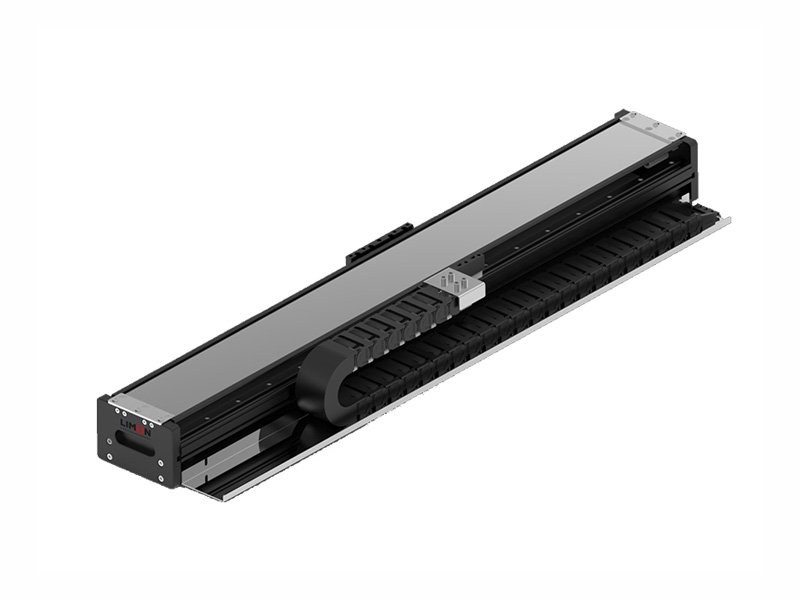
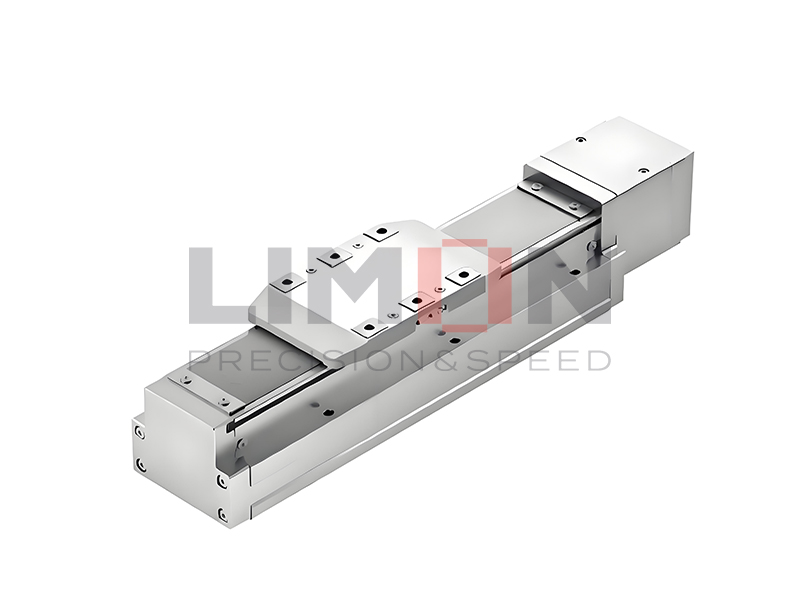
- Actionneurs linéaires
- Matériel médical
- Machines d'emballage
- Adjustable platforms
- Laboratory instruments
- Light-duty CNC and automation systems
Limon lead screws are engineered for consistent performance in industrial environments, even under continuous operation.
When Should You Choose a Ball Screw Instead?
Vis à billes are better suited for:
- Machines CNC
- Robotique et automatisation
- High-speed positioning systems
- Applications requiring micron-level accuracy
- High-duty-cycle industrial equipment
- As a complete linear motion supplier, Limon manufactures both lead screws and vis à billes, allowing us to recommend the most cost-effective solution for your exact needs.
Why Choose Limon for Lead Screws and Ball Screws?
At Limon, we are more than a component supplier—we are a linear motion solutions partner.
Ce qui nous distingue :
- Fully integrated manufacturing (from raw material to finished product)
- Strict quality control and industrial-grade tolerances
- Custom and standard lead screw & vis à bille solutions
- Direct-to-customer pricing through our independent website
- Engineering support for selection, design, and integration
Whether you need a standard lead screw or a high-precision ball screw assembly, Limon delivers reliability you can trust.
Final Thoughts: Understanding What Is Lead Screw Helps You Make Better Decisions
Knowing what is lead screw and what are vis à billes empowers engineers, designers, and buyers to choose the right motion system for their application.
- Choose lead screws for simplicity, cost efficiency, and load holding
- Choisir vis à billes for speed, precision, and long-term performance
If you’re ready to upgrade your linear motion system or need expert guidance, explore Limon’s full range of lead screws, vis à billes, linear guides, and actuators—engineered for industrial success.