Vous avez besoin de solutions automatisées pour pousser, soulever ou positionner des charges, mais vous rencontrez des difficultés liées à des mouvements irréguliers, à un contrôle limité ou à une manipulation manuelle peu efficace ?
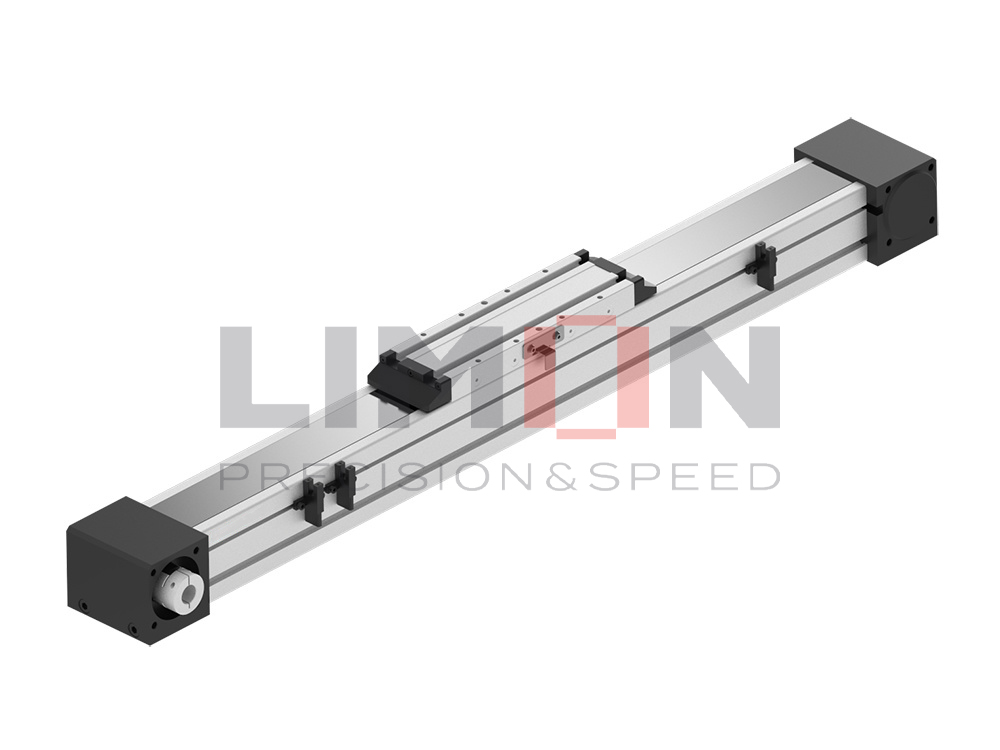
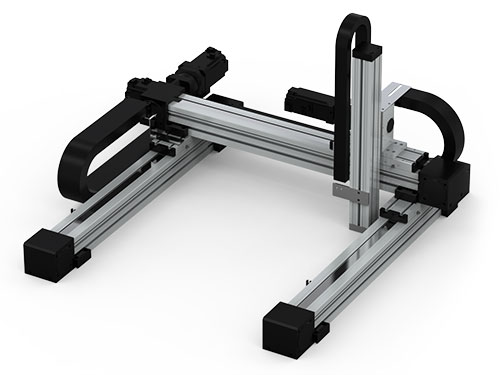
Les actionneurs linéaires servent à convertir l'énergie en un mouvement linéaire contrôlé pour le levage, la poussée, la traction, le positionnement et le réglage. Parmi leurs applications courantes, on peut citer l'automatisation industrielle, la robotique, les machines à commande numérique (CNC), les équipements d'emballage, les systèmes médicaux, la manutention et les machines agricoles.
Du simple positionnement à l'automatisation complexe, c'est l'application qui détermine l'actionneur dont vous avez besoin.
À quoi sert un actionneur linéaire ?
Un actionneur linéaire est conçu pour générer mouvement contrôlé le long d'une trajectoire rectiligne. Contrairement à un moteur classique, qui produit naturellement un mouvement rotatif, un actionneur linéaire génère un déplacement linéaire utile directement sur un mécanisme ou une charge.
C'est pourquoi les actionneurs s'avèrent indispensables dès lors qu'une machine doit déplacer un élément d'une position à une autre de manière contrôlée et reproductible.
Parmi les fonctions courantes, on peut citer :
- Pousser mettre un composant en place
- Tirer un mécanisme de retour
- Levage plates-formes ou équipements
- Abaissement composants réglables
- Positionnement outils, capteurs ou pièces à usiner
- Réglage paramètres de la machine
- Ouverture et fermeture structures mécaniques
- Automatisation des mouvements répétitifs
L'application peut être aussi simple que le réglage de la hauteur d'un composant de machine ou aussi complexe que le positionnement d'un axe dans un système de production automatisé.
Il est important de noter qu’il ne faut pas choisir un actionneur linéaire simplement parce que sa charge maximale semble suffisante. L’actionneur doit être adapté à l’ensemble du profil de mouvement, notamment en termes de charge, de course, de vitesse, de précision, de fréquence de fonctionnement et de conditions d’installation.
Pour Limon, cette approche axée sur les applications revêt une grande importance. En tant que fabricant d’actionneurs linéaires, de vis à billes, de rails de guidage linéaires et de roulements linéaires, nous nous attachons à adapter les composants de mouvement aux besoins réels des équipements, plutôt que de considérer chaque produit comme une pièce isolée.
Comment fonctionne un actionneur linéaire ?
Lors de vos recherches Actionneur linéaire : comment ça marche ?, le principe fondamental réside dans la conversion de l'énergie en déplacement linéaire.
Dans un actionneur électrique, le moteur génère généralement un mouvement rotatif. Une transmission mécanique convertit ensuite cette rotation en mouvement linéaire.
Parmi les mécanismes les plus courants, on peut citer :
Entraînement à vis
Une vis en rotation entraîne un écrou qui se déplace le long de son axe. Les actionneurs à vis sont largement utilisés dans les applications où le contrôle du mouvement, de la poussée et du positionnement est essentiel.
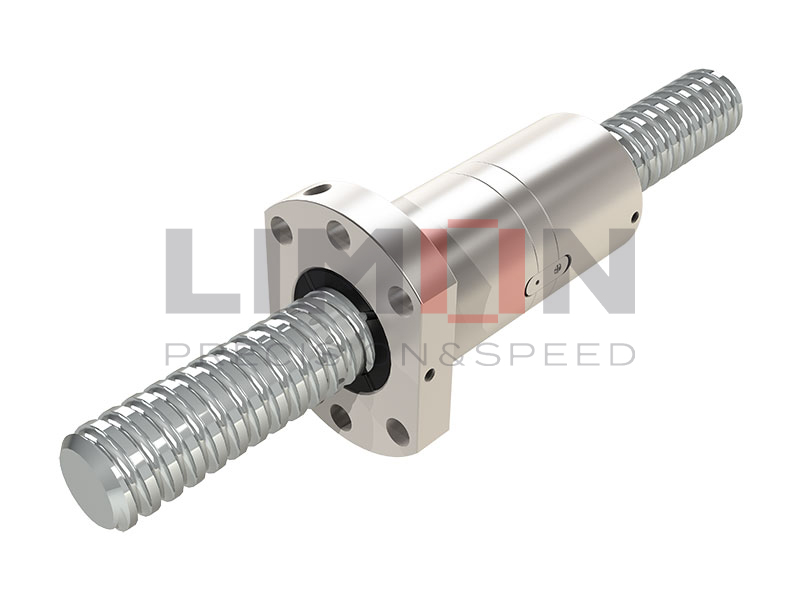
Vis à billes
Une vis à billes utilise un système de recirculation de billes entre la vis et l'écrou afin de réduire les frottements. Cela garantit un rendement de transmission élevé et rend les systèmes à vis à billes adaptés aux applications industrielles de précision et exigeantes.
Transmission par courroie
Un moteur fait tourner une poulie reliée à une courroie de distribution. La courroie entraîne alors le chariot de manière linéaire. Les systèmes à entraînement par courroie sont particulièrement adaptés aux applications à grande vitesse et à longue course.
Crémaillère et pignon
Un pignon rotatif s'engrène avec une crémaillère linéaire. Lorsque le pignon tourne, la crémaillère se déplace selon une trajectoire rectiligne. Ce mécanisme peut s'avérer avantageux pour certaines applications nécessitant une course importante.
Le mécanisme de transmission ne constitue qu'une partie de l'actionneur. Le choix du moteur, les roulements, les guidages, les dispositifs de rétroaction, la structure de fixation et l'électronique de commande influencent tous les performances finales.
C'est pourquoi un actionneur doit être évalué dans le cadre d'un système de mouvement linéaire, et non pas simplement comme un composant motorisé.
Les capacités de fabrication intégrées de Limon nous permettent d'exercer un contrôle plus étroit sur la production des composants clés du mouvement linéaire, tout en offrant à nos clients un accès direct à l'assistance technique.
Où utilise-t-on les actionneurs linéaires ?
La réponse à À quoi sert un actionneur linéaire ? Cela apparaît plus clairement lorsqu'on examine des applications industrielles concrètes.
Automatisation industrielle
Les équipements d'automatisation nécessitent souvent des mouvements contrôlés pour le positionnement des pièces, des outils, des capteurs et des composants de la machine. Les actionneurs linéaires permettent d'effectuer des mouvements répétitifs avec une plus grande régularité que les mécanismes manuels.
Robotique
Les systèmes robotiques peuvent nécessiter des mouvements linéaires en plus des articulations rotatives. Les actionneurs permettent d'assurer le positionnement le long d'un axe ou de commander des mécanismes spécifiques au sein d'équipements automatisés.
CNC et machines-outils
Les machines-outils de précision nécessitent un positionnement linéaire contrôlé. En fonction de l'architecture de la machine, les systèmes à vis à billes et les guidages linéaires peuvent fonctionner conjointement pour assurer un déplacement précis et stable.
Machines d'emballage
Les équipements d'emballage impliquent souvent des opérations répétitives de poussée, de positionnement, d'alimentation et de réglage. Les actionneurs permettent d'automatiser ces mouvements et de réduire les interventions manuelles.
Manutention
Le mouvement linéaire est couramment utilisé pour le transfert, le tri, le levage et le positionnement des produits. Les actionneurs à longue course et les modules linéaires peuvent être intégrés dans des systèmes de manutention automatisés.
Équipement médical
Les équipements médicaux et de laboratoire peuvent nécessiter un réglage précis des plateformes, des lits, des systèmes d'examen et des mécanismes de positionnement. Dans ces applications, il est particulièrement important que les mouvements soient fluides et reproductibles.
Matériel agricole
Les actionneurs permettent d'automatiser des réglages mécaniques qui, sans cela, nécessiteraient une intervention manuelle, ce qui améliore le confort d'utilisation et la régularité.
Dans toutes ces applications, l'actionneur ne constitue généralement pas à lui seul la solution complète. Il fonctionne en association avec des guides, des roulements, des moteurs, des variateurs et des éléments structurels pour générer le mouvement requis.
Cette approche globale constitue l'un des avantages de travailler avec un fabricant tel que Limon, auprès duquel il est possible de se procurer et d'évaluer simultanément plusieurs composants de mouvement linéaire.
Comment choisir un actionneur linéaire pour une application donnée ?
La plus grande erreur dans le choix d'un actionneur consiste à partir du produit plutôt que de l'application.
Une meilleure approche consiste à définir d'abord six paramètres essentiels.
- Chargement
Déterminez la force réelle nécessaire pour déplacer la charge. Tenez compte du poids de l'élément en mouvement, du frottement, des forces d'accélération et de la résistance externe.
Un actionneur monté à la verticale subit également l'effet de la gravité ; ses exigences peuvent donc différer considérablement de celles d'une application horizontale équivalente.
- Accident vasculaire cérébral
La course correspond à la distance linéaire à parcourir.
Une application à course courte peut ne nécessiter que quelques millimètres de déplacement, tandis qu'un équipement d'automatisation peut en nécessiter des centaines, voire des milliers de millimètres.
Le choix d'une course trop courte limite la plage de fonctionnement de la machine. Le choix d'une course inutilement longue peut augmenter la taille et le coût du système.
- Vitesse
Déterminez la vitesse à laquelle l'actionneur doit effectuer le mouvement requis.
Les applications à grande vitesse peuvent privilégier les systèmes à courroie, tandis que celles qui accordent la priorité à la précision et à la poussée peuvent privilégier les mécanismes à vis.
- Précision et répétabilité
La précision décrit dans quelle mesure l'actionneur se rapproche de la position souhaitée. La répétabilité décrit dans quelle mesure il revient systématiquement à la même position.
Ces paramètres revêtent une importance particulière dans les domaines de l'usinage CNC, du contrôle qualité, de l'assemblage et de l'automatisation de précision.
- Cycle de travail
Un actionneur utilisé de manière ponctuelle ne répond pas aux mêmes exigences qu'un actionneur fonctionnant en continu pendant toute une équipe de production.
Le fonctionnement à haute fréquence entraîne des contraintes thermiques et mécaniques supplémentaires dont il faut tenir compte lors du choix de l'équipement.
- Environnement
La poussière, l'humidité, la température, les vibrations, les produits chimiques et l'exposition à l'extérieur sont autant de facteurs pouvant influencer le choix des actionneurs et les exigences en matière de protection.
Chez Limon, ces paramètres constituent la base de la sélection de produits adaptée aux besoins spécifiques. Notre modèle de vente directe permet également aux clients de nous faire part directement de ces exigences, plutôt que de choisir un produit en se basant uniquement sur les caractéristiques techniques figurant dans un catalogue.
Qu'est-ce qui rend un actionneur linéaire adapté à l'automatisation ?
L'automatisation impose des exigences plus élevées au mouvement linéaire qu'un simple réglage mécanique.
Un actionneur adapté doit offrir un mouvement répétable, des performances prévisibles, une vitesse adaptée, une force suffisante et un fonctionnement fiable tout au long de son cycle de service prévu.
Dans les systèmes plus sophistiqués, la rétroaction revêt une importance croissante.
Un codeur ou un capteur de position peut fournir des informations sur la position réelle de l'actionneur. Le contrôleur peut alors comparer la position réelle à la position de consigne et effectuer des ajustements si nécessaire.
Cette approche en boucle fermée permet d'améliorer le contrôle du positionnement et de faciliter la détection des erreurs de mouvement.
Un autre aspect important à prendre en compte est la relation entre l'actionneur et le système de guidage.
L'actionneur génère le mouvement, mais c'est le système de guidage qui soutient et contraint la charge en mouvement. Si la charge n'est pas correctement guidée, des charges latérales excessives peuvent nuire aux performances et à la durée de vie de l'actionneur.
C'est pourquoi un système complet peut associer :
Moteur + actionneur + guidage linéaire + roulement + variateur + rétroaction
La configuration exacte dépend de l'application.
La gamme de produits de Limon couvre plusieurs de ces composants essentiels au mouvement linéaire, ce qui permet aux ingénieurs d'envisager le système mécanique dans son ensemble. Nos capacités de fabrication entièrement intégrées garantissent également une qualité constante des produits tout au long du processus de production.
Comment les actionneurs linéaires peuvent-ils améliorer les performances des machines ?
Le remplacement d'un mouvement manuel par un actionneur peut offrir bien plus qu'un simple gain de confort.
Répétabilité améliorée
Le mouvement automatisé suit une séquence de mouvements prédéfinie, ce qui réduit les variations d'un cycle de fonctionnement à l'autre.
Une meilleure productivité
Les machines peuvent effectuer automatiquement des opérations répétitives de positionnement et de réglage, ce qui réduit les interventions manuelles superflues.
Un meilleur contrôle
Associés à des contrôleurs et à des systèmes de rétroaction adaptés, les actionneurs permettent de contrôler la vitesse, la position et les profils de mouvement.
Intégration plus aisée aux machines
Les actionneurs linéaires électriques peuvent être intégrés à des automates programmables (PLC), des contrôleurs de mouvement, des capteurs et d'autres équipements d'automatisation.
Conception flexible des machines
Grâce à la diversité des courses, des configurations de montage, des mécanismes de transmission et des options de motorisation, les systèmes de mouvement linéaire peuvent s'adapter à différentes architectures de machines.
Toutefois, l'amélioration des performances dépend d'une conception correcte du système. Un actionneur hautement performant ne peut pas compenser un rail de guidage sous-dimensionné, une rigidité structurelle insuffisante, un dimensionnement incorrect du moteur ou une stratégie de commande inadaptée.
C'est pourquoi Limon met l'accent sur une solution complète en matière de mouvement linéaire. Nos capacités de fabrication, notre modèle de vente directe et notre assistance technique permettent à nos clients de choisir leurs actionneurs ainsi que les composants de mouvement associés.
Pourquoi choisir Limon pour les applications d'actionneurs linéaires ?
Pour un actionneur industriel, la fiabilité est déterminée bien avant que le produit n'arrive sur la machine.
Le choix des matériaux, la précision d'usinage, l'assemblage, le contrôle qualité, la lubrification et la cohérence de la fabrication contribuent tous aux performances finales.
Limon fonctionne avec un chaîne de production intégrée, ce qui nous permet de mieux maîtriser les processus de fabrication essentiels. Cette capacité de fabrication s'accompagne d'une gamme de produits comprenant des actionneurs linéaires, des vis à billes, des rails de guidage linéaires et des roulements linéaires.
Pour les clients, travailler directement avec Limon, c'est :
- Fabrication intégrée pour un meilleur contrôle des processus
- Achats directs du fabricant
- Des produits fiables conçu pour les applications de mouvement industriel
- Assistance technique lors du choix des produits
- Des solutions flexibles pour différentes exigences en matière de charge, de course, de vitesse et de positionnement
Mais surtout, Limon ne considère pas un actionneur comme un simple produit autonome.
L'objectif est d'aider les clients à atteindre mouvement linéaire stable, fiable et hautement performant dans la machine finale.
Que l'application concerne l'automatisation, la robotique, les équipements à commande numérique (CNC), le conditionnement, la manutention ou tout autre processus industriel, il convient de choisir l'actionneur adapté en fonction de l'ensemble des exigences en matière de mouvement.
Conclusion
Les actionneurs linéaires permettent d'obtenir un mouvement rectiligne contrôlé pour levage, poussée, traction, positionnement et réglage automatisé. Comprendre Actionneur linéaire : comment ça marche ? et À quoi sert un actionneur linéaire ? aide les ingénieurs à aller au-delà du simple choix d'un produit et à concevoir un système de mouvement plus performant.
Le choix de la solution appropriée dépend de la charge, de la course, de la vitesse, de la précision, du cycle de service, de l'environnement et de l'interaction entre l'actionneur et ses composants de guidage.
Limon propose des solutions de mouvement linéaire fiables et hautement performantes, s'appuyant sur une production intégrée, une vente directe et une assistance technique professionnelle.
Limon — Un mouvement fiable. Conçu pour la performance.