As industrial automation moves toward higher precision, faster response, and smarter systems, the servodrive has become a cornerstone of modern motion control. From CNC machines and robotics to linear actuators and smart factories, servo-driven systems define how accurately and efficiently machines move.
In this article, we’ll explain what a servodrive is, how servo-moteur motion works, why industrial servomoteurs are shaping the future of automation—and how Limon integrates servo technology into reliable, high-performance linear motion solutions.
What Is a Servodrive?
A servodrive (also known as a driver servo) is an electronic control device that regulates the motion of a servo motor by controlling position, speed, and torque in a closed-loop system.
Unlike conventional motor drives, a servodrive continuously receives feedback from sensors (such as encoders) and adjusts output in real time. This enables:
- Grande précision de positionnement
- Fast dynamic response
- Stable operation under variable loads
In modern automation, the servodrive acts as the “brain” that transforms commands into precise mechanical motion.
How Servo-Driven Motion Systems Work
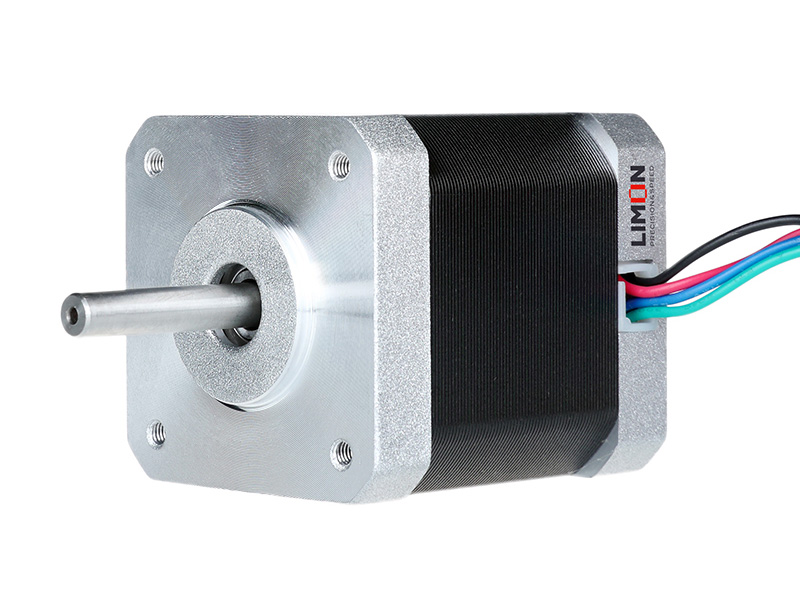
A servo-moteur system typically consists of:
- Servomoteur
- Servodrive (driver servo)
- Feedback device (encoder or resolver)
- Mechanical transmission (ball screw, belt, or linear actuator)
The industrial servomoteur compares command signals with real-time feedback and instantly corrects deviations. This closed-loop control is what allows servo systems to outperform stepper and induction motor solutions in demanding applications.
Why Servodrives Matter in Modern Automation
- Précision et répétabilité
Servodrives enable micron-level positioning accuracy—critical for CNC machining, electronics assembly, and medical devices.
- High Speed with Full Control
A servo-moteur system can accelerate, decelerate, and reverse direction smoothly without losing accuracy.
- Efficacité énergétique
By delivering only the required torque, an industrial servomoteur reduces energy consumption and heat generation.
- Reliability Under Dynamic Loads
Servo systems maintain stable performance even when loads fluctuate—essential for industrial environments.
Servodrive vs. Traditional Motor Drive
| Fonctionnalité | Servodrive | Conventional Motor Drive |
| Type de contrôle | Boucle fermée | Boucle ouverte |
| Précision | Très élevé | Limitée |
| Dynamic Response | Rapide | Slow |
| Adaptabilité de la charge | Excellent | Pauvre |
| Utilisation typique | Precision automation | Simple motion |
C'est pourquoi servo-moteur solutions dominate high-end automation and motion control systems.
Industrial Servo Drives in Linear Motion Systems
In linear motion applications, the servodrive plays a crucial role when combined with:
- Vis à billes
- Guides linéaires
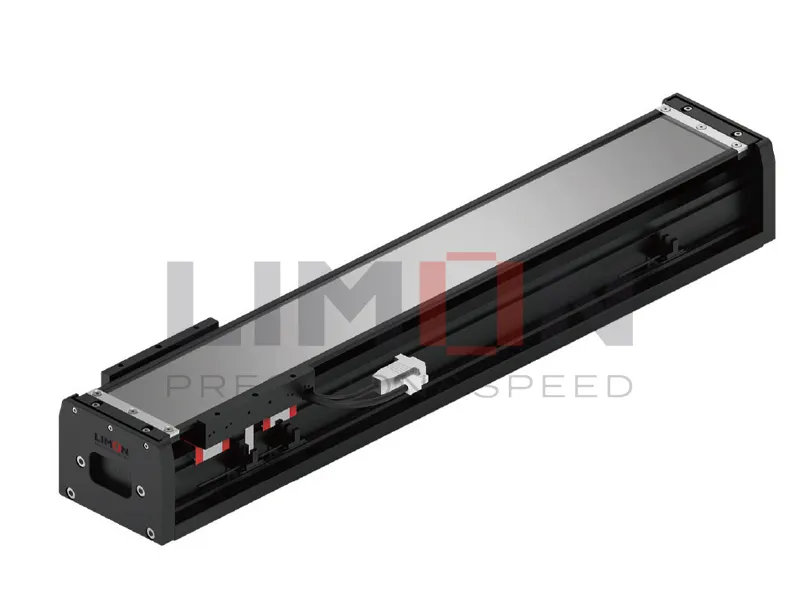
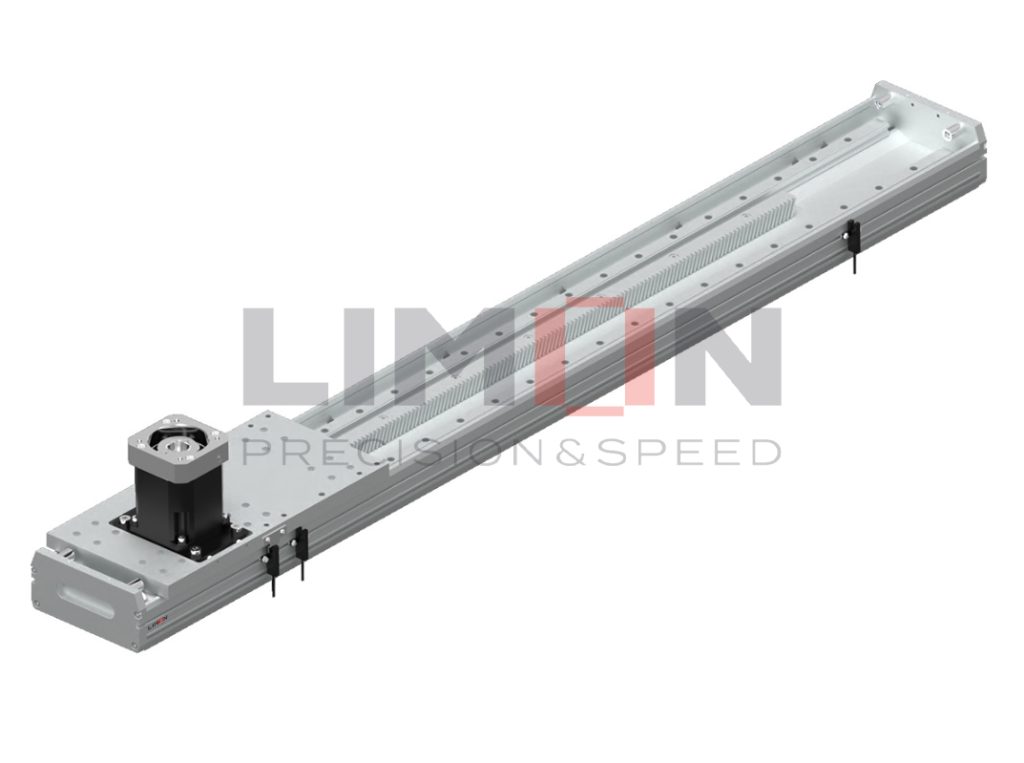
- Actionneurs linéaires
A well-matched industrial servomoteur ensures:
- Smooth linear travel
- Un positionnement précis
- Reduced vibration and noise
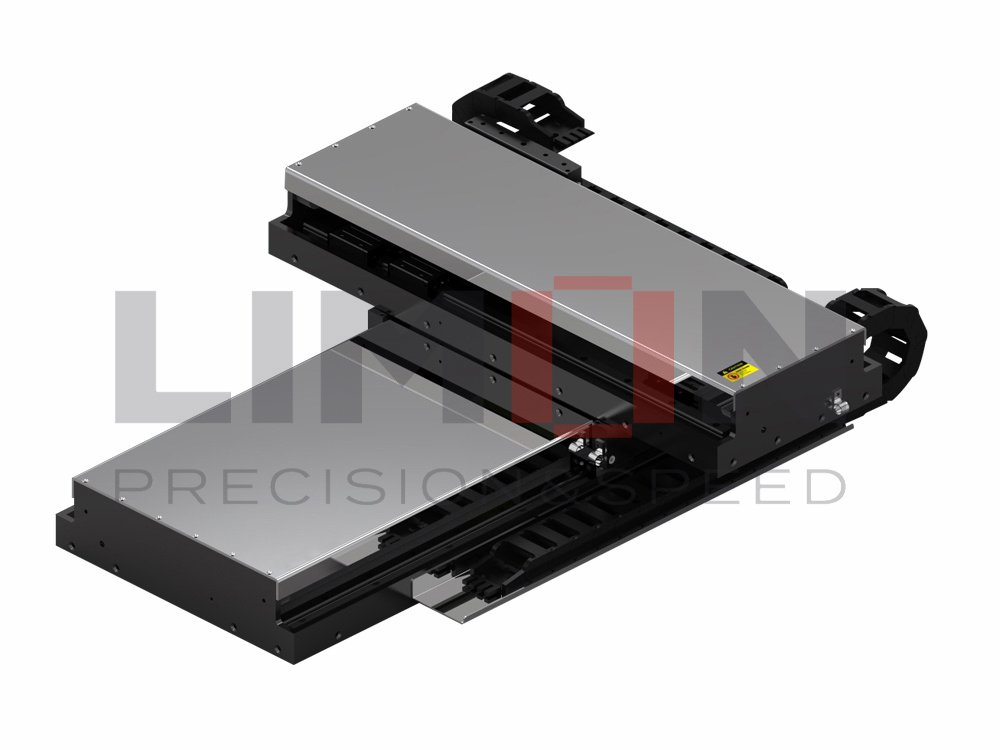
Au Limon, servo-moteur architectures are commonly used in precision linear actuators and automation modules where performance and reliability are non-negotiable.
Key Applications of Servodrives
Servodrives are widely used across U.S. industrial sectors, including:
- Centres d'usinage CNC
- Industrial robots and cobots
- Emballage et manutention
- Fabrication de semi-conducteurs et d'électronique
- Automated assembly and testing systems
As smart manufacturing expands, demand for advanced driver servo solutions continues to grow.
Tendances futures de la technologie des servocommandes
The evolution of servodrive technology is closely tied to Industry 4.0 and smart factories. Key trends include:
Smarter Servo Drives
Integrated diagnostics, condition monitoring, and predictive maintenance.
Compact and High-Power Designs
Smaller industrial servomoteurs delivering higher torque density.
Seamless System Integration
Better compatibility with PLCs, sensors, and servo-driven linear actuators.
Energy-Optimized Motion Control
Advanced algorithms to reduce power consumption without sacrificing performance.
Why System Integration Matters More Than Ever
A servodrive alone doesn’t guarantee performance. True motion control excellence comes from system-level integration—where motors, drives, and mechanical components are engineered to work together.
This is especially important in linear motion systems, where mismatched components can lead to:
- Précision réduite
- Premature wear
- Increased downtime
Why Limon Is a Trusted Servo-Driven Motion Partner
Limon is more than a component supplier—we are a complete linear motion solution manufacturer.
Ce qui distingue Limon :
- Vertically integrated production of linear guides, ball screws, bearings, and linear actuators
- Servo-driven system compatibility engineered from the ground up
- Industrial-grade quality for demanding applications
- Direct-to-customer model with technical support and customization
By combining high-quality mechanical components with servo-moteur control architectures, Limon helps customers build automation systems that are precise, reliable, and future-ready.
Choosing the Right Servodrive Solution
Lors de la sélection d'un servodrive ou servo-moteur system, consider:
- Required accuracy and speed
- Load characteristics
- Cycle d'utilisation et environnement d'exploitation
- Integration with linear motion components
Limon’s engineering team supports customers in selecting and integrating the right industrial servomoteur solution for real-world applications—not just theoretical specs.
Final Thoughts: The Future Is Servo-Driven
As automation systems demand more intelligence, flexibility, and precision, the servodrive will remain at the heart of motion control innovation.
From CNC machines to servo-moteur linear actuators, investing in the right servo technology—and the right manufacturing partner—directly impacts performance, uptime, and long-term ROI.