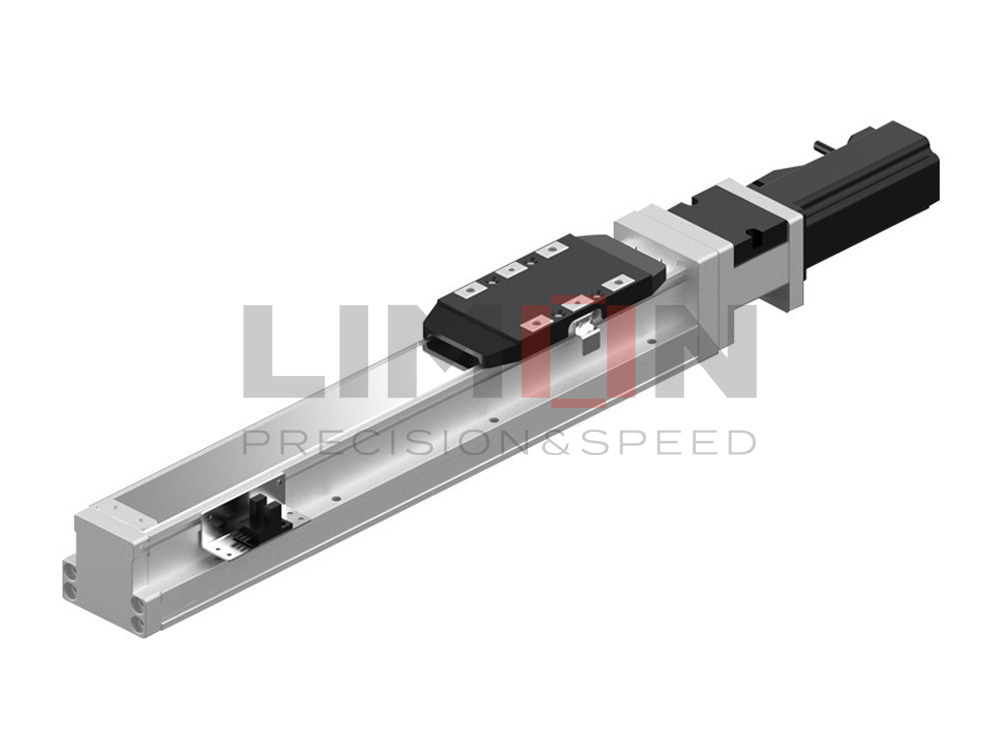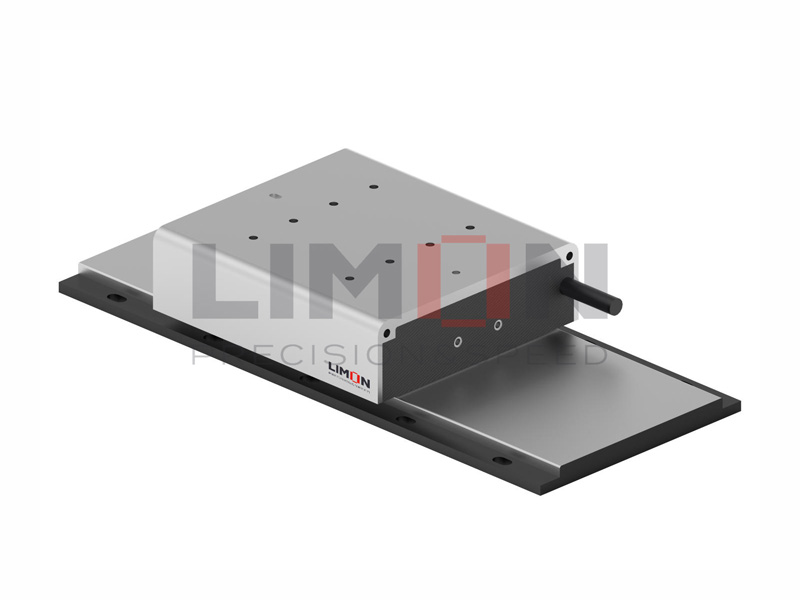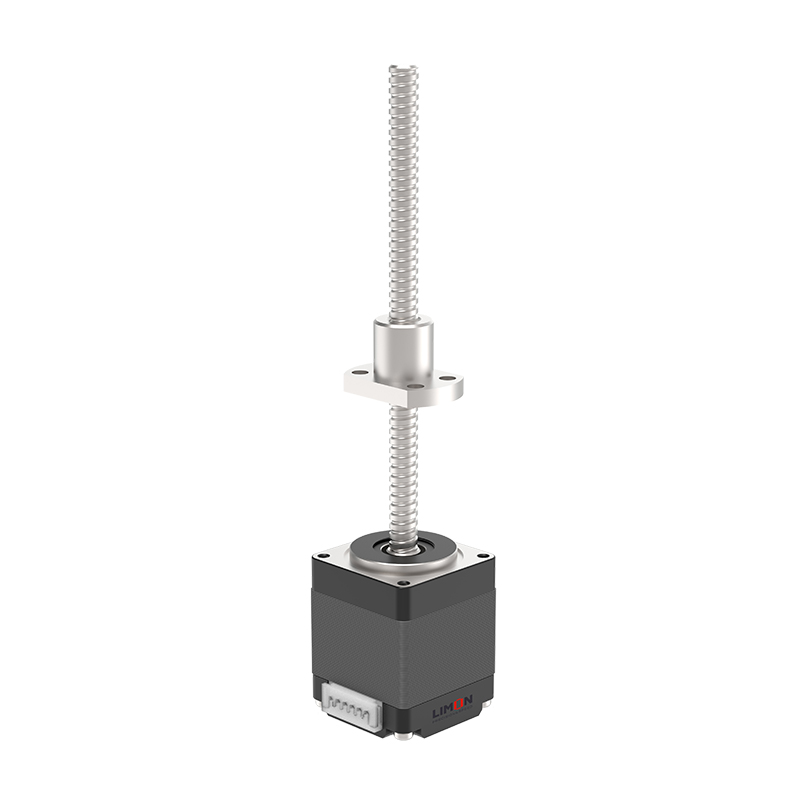
Medical equipment often suffers from vibration, positioning errors, and unstable movement. Poor linear guides can reduce accuracy, damage sensitive components, and increase maintenance costs. Choosing the right miniature linear guide improves precision, reliability, and equipment lifespan.
A miniature linear guide for medical equipment is a compact motion system designed for precise, smooth, and low-noise linear movement. It is widely used in diagnostic devices, laboratory automation, surgical systems, and imaging equipment because it provides high positioning accuracy, stable operation, corrosion resistance, and long-term reliability in compact medical applications.
Choosing the wrong linear guide can affect equipment performance, patient safety, and production efficiency. Let’s explore how miniature linear guides improve modern medical devices.
What Is a Miniature Linear Guide?
A miniature linear guide is a compact mechanical component designed to support and guide linear motion with minimal friction. Compared with standard linear guides, miniature versions are smaller, lighter, and optimized for precision applications where installation space is limited.
These guides typically consist of a rail, carriage block, rolling elements, and sealing systems. High-quality miniature linear guides provide smooth movement, excellent repeatability, and stable load support even under continuous operation.
In medical equipment, precision is critical. Devices such as blood analyzers, CT scanners, dental systems, and laboratory automation machines require exact positioning to ensure accurate test results and stable operation. Miniature linear guides help achieve this level of precision.
Many medical environments also require low particle generation and corrosion resistance. Stainless steel miniature linear guides are widely used because they resist rust, tolerate cleaning chemicals, and maintain hygienic conditions.
Modern medical equipment manufacturers also prefer miniature linear guides because they support compact product design. As healthcare devices become smaller and more portable, miniature components help reduce machine size without sacrificing performance.
Why Are Miniature Linear Guides Important in Medical Equipment?
Medical equipment requires consistent accuracy and reliability. Even a small positioning error can affect imaging quality, diagnostic accuracy, or automated laboratory testing.
Miniature linear guides play a major role in ensuring stable and repeatable movement. Their rolling element structure reduces friction and enables smooth motion control. This improves equipment efficiency while reducing vibration and noise.
Another important advantage is compactness. Medical devices often have limited internal installation space. Miniature linear guides allow engineers to design smaller and lighter systems while maintaining high precision.
Low maintenance is another key factor. Hospitals and laboratories operate equipment continuously, so downtime can be costly. High-quality miniature linear guides provide long service life and stable operation with minimal lubrication requirements.
Noise reduction is also essential in medical environments. Quiet operation improves patient comfort and creates a better clinical experience. Precision miniature linear guides help reduce vibration and operating noise significantly.
In addition, miniature linear guides support high-speed automation systems commonly used in modern medical laboratories. Automated testing machines depend on fast and accurate motion control to improve testing efficiency and reduce manual labor.
What Materials Are Best for Medical Linear Guides?
Material selection is extremely important in medical applications because medical environments often involve humidity, cleaning chemicals, and strict hygiene standards.
Stainless steel is one of the most popular materials for miniature linear guides used in medical devices. It provides excellent corrosion resistance and maintains stable performance even after repeated cleaning and sterilization.
Some miniature linear guides also use special surface treatments to improve wear resistance and reduce friction. These coatings help extend service life and maintain positioning accuracy over long operating periods.
For lightweight medical devices, aluminum alloy components may also be used in certain non-load-bearing structures. However, stainless steel remains the preferred option for critical motion systems due to its durability and reliability.
Lubrication systems are equally important. Medical-grade lubricants are often required to reduce contamination risks and ensure smooth movement. Some advanced miniature linear guides use self-lubricating designs to reduce maintenance frequency.
Seal design also matters in medical environments. Effective sealing systems prevent dust, liquids, and contaminants from entering the guide structure. This helps maintain accuracy and reduces wear on internal rolling elements.
Manufacturers should carefully evaluate operating conditions, cleaning requirements, load capacity, and motion speed before selecting guide materials.
Where Are Miniature Linear Guides Used in Medical Devices?
Miniature linear guides are widely used in various medical and laboratory applications because they provide precise and reliable linear motion.
Diagnostic Equipment
Devices such as CT scanners, X-ray systems, and ultrasound equipment require accurate positioning for imaging components. Miniature linear guides ensure smooth movement and stable imaging quality.
Laboratory Automation
Automated laboratory systems use miniature linear guides to move samples, robotic arms, and testing modules accurately. High repeatability improves testing efficiency and reduces errors.
Robots chirurgicaux
Surgical systems depend on highly accurate motion control. Miniature linear guides support smooth robotic movement and precise positioning during minimally invasive procedures.
Dental Equipment
Dental imaging systems and treatment devices often use compact linear motion systems because installation space is limited. Miniature linear guides help improve movement stability and patient comfort.
Pharmaceutical Equipment
Medical packaging and pharmaceutical automation systems require clean, reliable, and high-speed motion components. Miniature linear guides support precise product handling and automated manufacturing processes.
Portable Medical Devices
Compact healthcare equipment such as portable scanners and mobile diagnostic systems benefit from lightweight miniature linear guides that support miniaturized product design.
How to Choose the Right Miniature Linear Guide?
Selecting the correct miniature linear guide depends on several important factors.
First, engineers should evaluate load capacity. Even compact medical devices may require stable support for moving components.
Second, positioning accuracy must be considered. High-precision applications require guides with excellent repeatability and minimal motion deviation.
Third, operating environment matters. Humid or chemically exposed environments require corrosion-resistant materials such as stainless steel.
Noise level is another important factor. Quiet operation improves patient experience and reduces workplace noise.
Engineers should also consider installation space, maintenance requirements, movement speed, and service life when selecting a miniature linear guide.
Working with experienced linear guide manufacturers can help medical equipment companies choose the best solution for their application requirements.
Reliable miniature linear guides improve precision, reduce maintenance, and support long-term medical equipment performance.