n the world of linear motion, few components are as fundamental and transformative as the vis à bille. At Limon, we’ve built our reputation on manufacturing high-precision vis à billes that power everything from CNC machines to medical devices and aerospace systems. As we move into 2025, understanding ball screw technology isn’t just about components—it’s about unlocking new levels of performance, efficiency, and reliability in your applications.
This comprehensive guide explores everything from basic vis à bille mechanics to cutting-edge innovations, helping you make informed decisions for your next project.
1.Understanding Ball Screws – The Basics and Beyond
What Exactly Are Ball Screws?
A vis à bille is a mechanical linear actuator that translates rotational motion into precise linear movement. Unlike traditional lead screws that rely on sliding friction, vis à billes use recirculating ball bearings between the screw shaft and nut, dramatically reducing friction and increasing efficiency.
Key Components Explained:
- Vis Arbre: The threaded rod that rotates
- Ecrou à bille: Contains the ball bearings and moves along the screw
- Recirculating Balls: Transfer motion with minimal friction
- Return System: Guides balls back through the nut for continuous operation
Why Ball Screws Outperform Alternatives
Compared to other linear motion solutions, vis à billes de précision offre :
- 95%+ Efficiency: Significantly higher than lead screws (20-50%)
- Longer Service Life: Properly maintained ball screws can last decades
- Higher Speed Capability: Smooth operation at speeds exceeding 10 m/s
- Greater Precision: Repeatability down to micron levels
- Predictable Performance: Consistent behavior throughout lifespan
At Limon, we’ve optimized every aspect of our vis à bille designs, from material selection to precision grinding, ensuring each component delivers maximum performance.
2.Types of Ball Screws for Every Application
Precision Ball Screws for Demanding Applications
CNC Ball Screws represent the gold standard in machining applications. These components are engineered for:
- Extreme accuracy in positioning (often ±5μm/300mm or better)
- High rigidity to withstand cutting forces
- Thermal stability to maintain precision during extended operation
- Smooth operation at various speeds
Notre CNC ball screws feature ground thread profiles and specialized preloading systems that eliminate backlash while maintaining buttery-smooth motion.
Mini Ball Screws for Compact Designs
Space-constrained applications demand compact solutions without compromising performance. Mini ball screws fournir :
- Diameters as small as 4mm
- High precision in miniature packages
- Custom end machining for tight integration
- Perfect for medical devices, semiconductor equipment, and small automation systems
Linear Ball Screw Systems
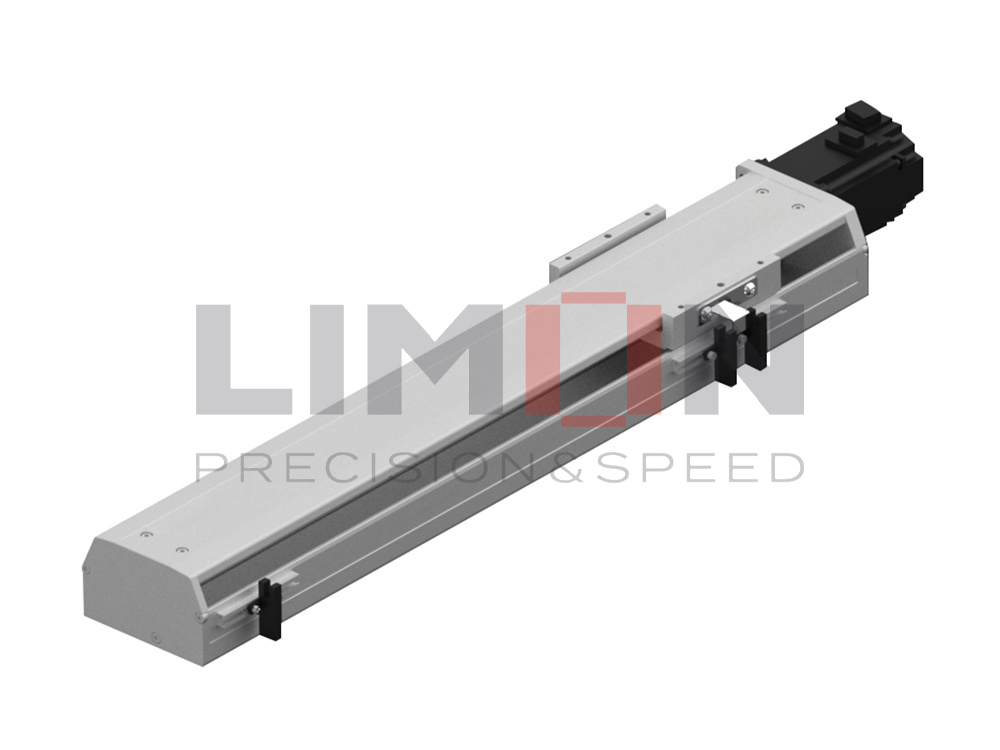
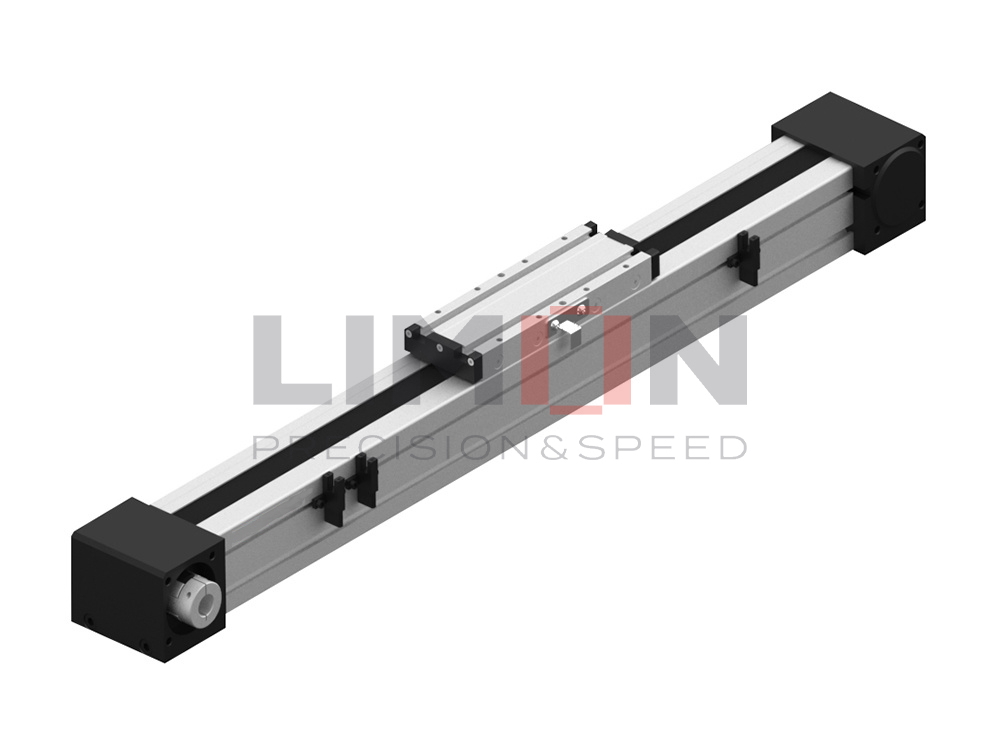
When you need complete, ready-to-install solutions, linear ball screw systems integrate:
- Precision-ground vis à billes
- High-rigidity support units
- Properly sized motors and couplings
- Comprehensive mounting hardware
- Full testing and certification
3.The 2025 Innovation Landscape
Smart Ball Screws with Integrated Sensing
L'avenir de la vis à bille technology lies in intelligence. Our latest generation includes:
- Embedded Sensors: Monitor temperature, vibration, and load in real-time
- Maintenance prédictive: Algorithms that forecast maintenance needs before failures occur
- Digital Twins: Virtual models that simulate performance under various conditions
- Wireless Connectivity: Bluetooth and IoT integration for remote monitoring
Advanced Materials and Coatings
2025 brings new material science breakthroughs:
- Ceramic Hybrid Balls: 60% lighter than steel with superior wear resistance
- Nanocoatings: Diamond-like carbon coatings that triple service life
- Composite Nuts: Carbon-fiber reinforced materials that reduce weight by 40%
- Corrosion-Resistant Alloys: Special formulations for harsh environments
Energy Efficiency Innovations
With sustainability becoming increasingly important, we’re developing:
- Low-Friction Designs: New ball groove geometries that reduce power consumption by up to 15%
- Regenerative Systems: Capturing energy during deceleration phases
- Optimized Lubrication: Smart lubrication systems that extend intervals while improving performance
4.Selecting the Right Ball Screw for Your Application
Key Selection Criteria
- Accuracy Requirements
- Standard grade: ±23μm/300mm
- Precision grade: ±8μm/300mm
- Ultra-precision: ±3μm/300mm or better
- Capacité de charge
- Dynamic load ratings from 500N to 500,000N
- Static load considerations for stationary applications
- Moment load capabilities for cantilevered setups
- Speed Considerations
- DN values (screw diameter in mm × RPM) up to 140,000
- Critical speed calculations to avoid resonance
- Acceleration requirements for high-dynamic applications
- Facteurs environnementaux
- Temperature ranges from -40°C to 120°C
- Clean room compatibility for semiconductor applications
- Corrosion resistance for marine or chemical environments
Limon’s Selection Support Process
Our engineers help you navigate these decisions through:
- Online Configurator: Interactive tool for preliminary selection
- Application Analysis: Deep dive into your specific requirements
- Prototype Testing: Validating performance before full-scale implementation
- Lifecycle Cost Analysis: Understanding total cost beyond initial purchase
5.Installation, Maintenance, and Maximizing Performance
Proper Installation Techniques
Même les meilleurs vis à billes de précision can underperform if installed incorrectly. Key considerations include:
Mounting Alignment
- Foundation rigidity requirements
- Parallelism and perpendicularity tolerances
- Thermal expansion accommodation
- Vibration isolation strategies
Réglage de la précharge
- Determining optimal preload for your application
- Torque-controlled installation procedures
- Regular checking and adjustment protocols
Maintenance Best Practices
Lubrication Systems
- Oil vs. grease selection criteria
- Automatic lubrication system integration
- Interval optimization based on usage patterns
Contrôle et inspection
- Vibration analysis techniques
- Temperature monitoring protocols
- Wear pattern recognition and interpretation
- Performance degradation tracking
Troubleshooting Common Issues
Backlash Development
- Causes: Wear, improper preload, mounting issues
- Solutions: Adjustment procedures, component replacement
- Prevention: Regular maintenance, proper installation
Noise and Vibration
- Sources: Damage, contamination, resonance
- Diagnosis: Frequency analysis, visual inspection
- Resolution: Cleaning, replacement, system tuning
Reduced Accuracy
- Potential causes: Thermal effects, wear, mounting shifts
- Corrective actions: Compensation, recalibration, component replacement
- Prevention: Environmental control, regular calibration
Conclusion: Partnering for Precision
Ball screws are more than just components—they’re the precision heart of modern linear motion systems. As technology advances into 2025 and beyond, choosing the right ball screw partner becomes increasingly critical.
At Limon, we combine decades of manufacturing expertise with cutting-edge innovation to deliver vis à billes that not only meet today’s requirements but anticipate tomorrow’s challenges. Our complete vertical integration—from raw material processing to final testing—ensures unparalleled quality control and consistency.
Ready to elevate your linear motion system?
Explore Limon’s comprehensive range ofvis à billes de précision, CNC ball screws, mini ball screws, and complete linear ball screw systems. Contact our engineering team today for personalized consultation and discover how our solutions can transform your application performance.