In modern industrial automation, precision, efficiency, and reliability are non-negotiable. From CNC machining and robotics to semiconductor equipment and automated assembly lines, vis à bille systems play a critical role in converting rotary motion into accurate, repeatable linear motion.
En tant que fabricant de systèmes de mouvement linéaire entièrement intégré, Limon conçoit et fabrique des produits hautement performants vis à billes, screw shafts, screw bearings, and linear motion solutions that meet the demanding requirements of today’s industrial users. In this guide, we’ll explore how ball screws work, how they compare to lead screws, maintenance best practices, and how to select the right solution for your application.
Qu'est-ce qu'une vis à billes ?
A vis à bille is a mechanical linear actuator that transforms rotational motion into linear motion with high efficiency and minimal friction. It consists of:
- Screw shafts with precisely machined helical grooves
- A ball nut containing circulating steel balls
- A return system that allows balls to continuously recirculate
Unlike traditional sliding contact mechanisms, vis à billes rely on rolling contact, which dramatically reduces friction and wear.
Key advantages of ball screws include:
- Grande précision de positionnement
- Excellente répétabilité
- Low energy consumption
- Long service life under proper lubrication
These characteristics make vis à billes ideal for high-speed, high-load, and high-precision applications.
Lead Screw vs Ball Screw: What’s the Difference?
One of the most common engineering questions is lead screw vs vis à bille. While both convert rotary motion into linear motion, their performance differs significantly.
Ball vs Lead Screw: Core Comparison
| Fonctionnalité | Vis à billes | Vis de plomb |
| Contact Type | Rolling (ball bearings) | Coulissant |
| Efficacité | 85-95% | 20–40% |
| Précision | Haut | Modéré |
| Capacité de vitesse | Haut | Faible à moyen |
| Wear Rate | Faible | Plus élevé |
| Maintenance | Lubrication required | Lower initial maintenance |
When comparing ball vs lead screw, vis à billes clearly outperform lead screws in applications requiring precision, speed, and efficiency.
When to Choose Each Option
- Lead screw and vis à bille systems both have a place in industrial design.
- Choose a lead screw for low-cost, low-speed, or self-locking applications.
- Choisir un vis à bille when accuracy, cycle life, and efficiency matter.
For most automated industrial equipment, the decision between lead screw vs vis à bille favors vis à billes.
Understanding Ball Screw Pitch and Accuracy
Vis à bille pitch refers to the linear distance the nut travels per one full revolution of the screw shaft. Pitch selection directly impacts:
- Linear speed
- Positioning resolution
- Capacité de charge
Common Ball Screw Pitch Options
- Small pitch: Higher resolution, better for precision positioning
- Large pitch: Higher speed, suitable for rapid motion systems
At Limon, we manufacture vis à billes with tight pitch tolerances, ensuring smooth motion and consistent accuracy across the entire stroke length.
Key Components: Screw Shafts and Screw Bearings
A vis à bille system is only as strong as its components.
Screw Shafts
High-quality screw shafts are precision-ground or precision-rolled to achieve:
- Excellent straightness
- Consistent groove geometry
- Dureté de surface élevée
Limon’s screw shafts are produced in-house, allowing us to control every step of the manufacturing process.
Screw Bearing Support
Proper screw bearing selection is essential for:
- Axial load support
- Minimizing backlash
- Ensuring stable high-speed rotation
Matched bearing configurations significantly improve overall vis à bille performance and service life.
Ball Screw Lubricant: Why It Matters
Using the correct vis à bille lubricant is critical to performance and longevity. Lubrication reduces friction, prevents corrosion, and protects contact surfaces from premature wear.
Best Practices for Ball Screw Lubrication
- Use manufacturer-recommended grease or oil
- Maintain consistent lubrication intervals
- Avoid contamination from dust or metal chips
- Match lubricant viscosity to operating speed and temperature
Correct vis à bille lubricant selection can extend service life by several times and reduce unexpected downtime.
Ball Screw Repairs: When to Repair vs Replace
Même les meilleurs vis à billes experience wear over time. Understanding vis à bille repairs helps minimize downtime and costs.
Signs You May Need Ball Screw Repairs
- Increased backlash
- Unusual noise during operation
- Réduction de la précision du positionnement
- Visible wear on screw shafts or ball nut
Repair or Replace?
- Minor wear: Re-lubrication or ball replacement may be sufficient
- Severe damage: Full replacement is often more cost-effective
Limon provides expert guidance to help customers determine whether vis à bille repairs or replacement is the smarter choice for their application.
Typical Applications of Ball Screws
Vis à billes are widely used across industries, including:
- Machines-outils à commande numérique
- Robotique industrielle
- Systèmes d'assemblage automatisés
- Matériel médical et de laboratoire
- Fabrication de semi-conducteurs
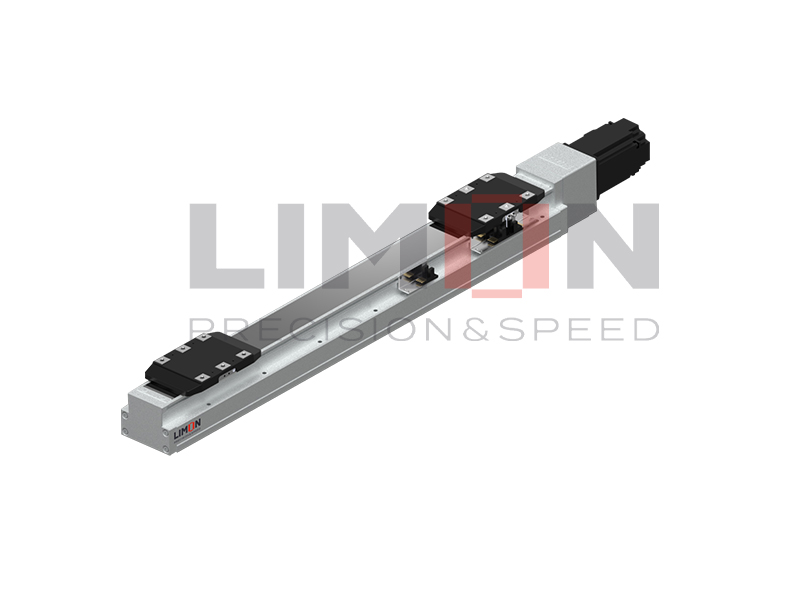
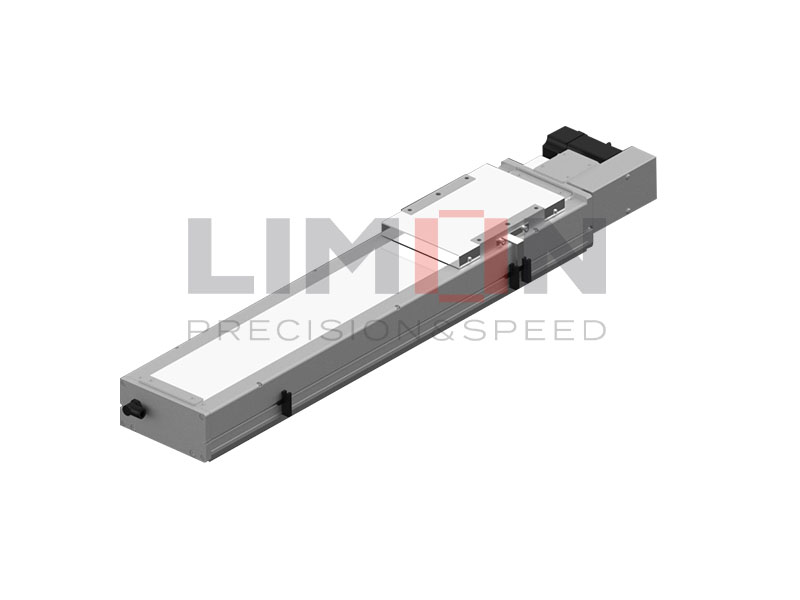
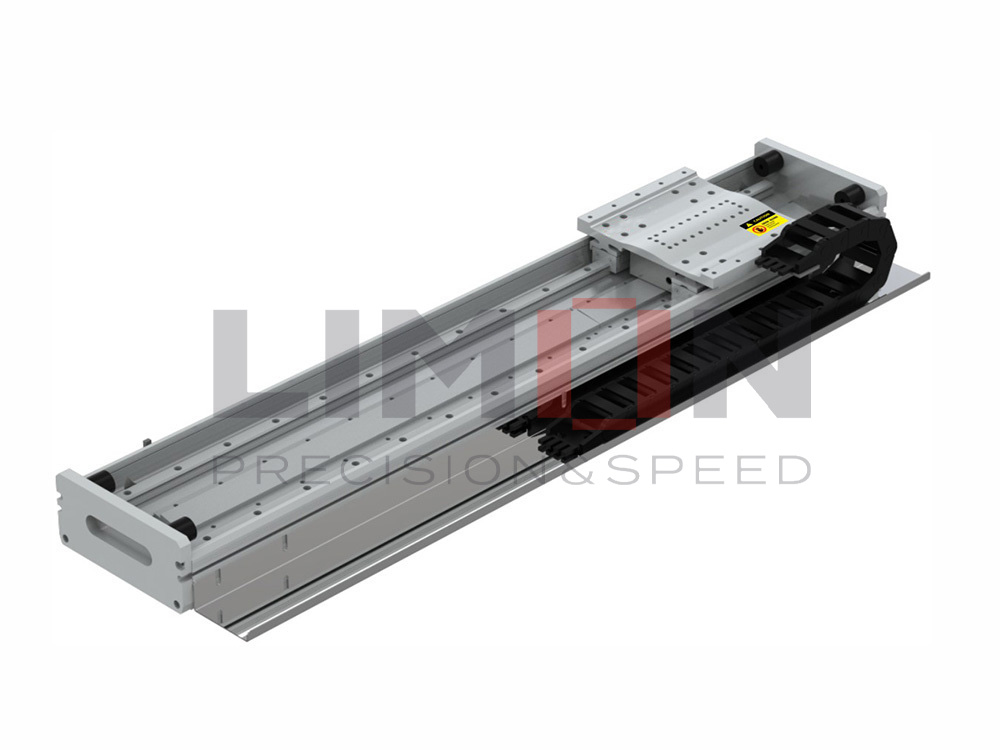
- Actionneurs linéaires et platines de positionnement
Their ability to deliver precise, repeatable motion makes them indispensable in modern automation.
Why Choose Limon Ball Screw Solutions?
Chez Limon, nous ne nous contentons pas de vendre des composants, nous fournissons des solutions complètes de mouvement linéaire.
Ce qui distingue Limon
- Fully integrated manufacturing from raw material to final assembly
- Tight quality control on screw shafts, screw bearings, and ball nuts
- Sur mesure vis à bille pitch options
- Engineering support from application design to deployment
- Reliable supply for North American industrial customers
Whether you’re comparing lead screw and vis à bille designs or upgrading an existing system, Limon provides dependable, high-performance solutions built for real-world industrial demands.
Final Thoughts: Choosing the Right Ball Screw for Your System
Choisir le bon vis à bille isn’t just about specifications—it’s about long-term performance, reliability, and total cost of ownership. By understanding factors such as vis à bille pitch, lubrication, component quality, and repair strategies, engineers can build systems that perform consistently for years.
If you’re evaluating ball vs lead screw options, planning upgrades, or seeking a trusted manufacturer for your next project, Limon is ready to help.