In today’s highly automated manufacturing world, precision, efficiency, and reliability are more critical than ever. From advanced CNC machining centers to robotics and semiconductor equipment, modern machines rely on highly accurate motion systems to maintain productivity and quality.
At the heart of many of these systems is the linear motion ball screw—a proven technology that converts rotary motion into smooth, efficient linear movement. Whether powering industrial automation lines in the Midwest or high-tech manufacturing facilities on the West Coast, linear motion ball screws remain one of the most trusted solutions for high-precision motion control.
In this guide, we’ll explore how ball screw linear motion systems work, where they are used, and why they continue to be essential for modern industrial applications.
What Is a Linear Motion Ball Screw?
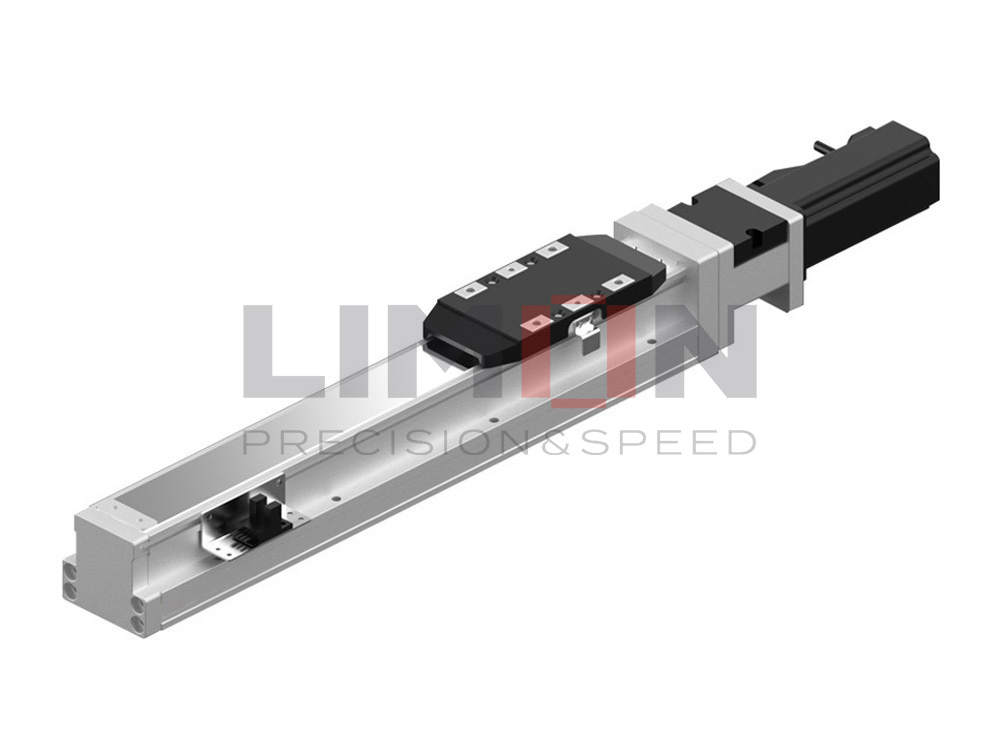
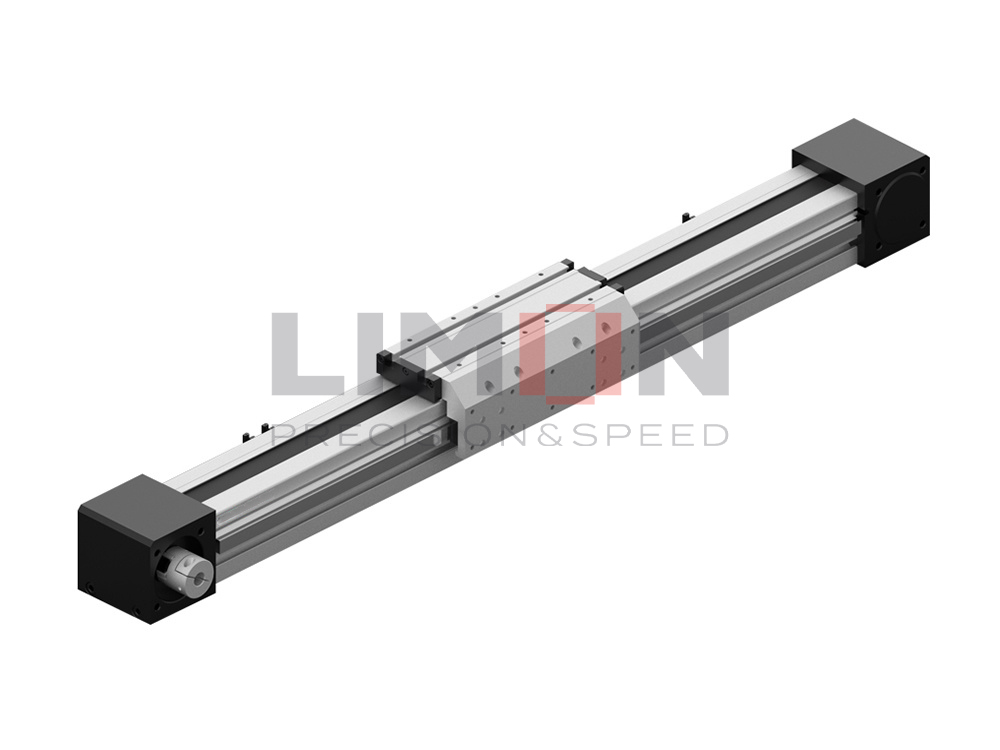
A linear motion ball screw is a mechanical device designed to convert rotary motion from a motor into precise linear movement. It consists primarily of three components:
- A threaded screw shaft
- A ball nut
- Recirculating ball bearings
Inside the ball nut, hardened steel balls roll between the nut and the screw shaft. As the screw rotates, the balls circulate continuously within the nut, allowing smooth and highly efficient motion along the screw’s axis.
Because rolling friction replaces sliding friction, ball screw linear motion systems achieve very high efficiency—often exceeding 90%.
This makes linear motion ball screws ideal for applications that require both precision and energy efficiency.
How Ball Screw Linear Motion Works
Understanding ball screw linear motion helps engineers design systems with optimal accuracy and reliability.
The operation follows a simple principle:
- A motor rotates the screw shaft.
- The ball nut contains a series of recirculating ball bearings.
- As the screw rotates, the balls roll along the threads.
- The ball nut moves linearly along the screw shaft.
This rolling mechanism dramatically reduces friction compared to traditional lead screws.
The result is:
- Smooth linear travel
- Grande précision de positionnement
- Reduced mechanical wear
- Improved system efficiency
For high-performance automation equipment, the reliability of linear motion ball screws is a key advantage.
Key Advantages of Linear Motion Ball Screws
Exceptional Precision
Precision positioning is essential in modern manufacturing. Linear motion ball screws offer extremely accurate positioning thanks to their precisely machined threads and recirculating ball design.
In industries such as aerospace, medical device manufacturing, and precision machining, ball screw linear motion systems allow machines to maintain micron-level accuracy.
Efficacité mécanique élevée
Because vis à billes use rolling contact instead of sliding friction, they offer efficiency levels of up to 90–95%.
This means:
- Réduction de la consommation d'énergie
- Réduction de la production de chaleur
- Smoother machine operation
For American manufacturers aiming to improve operational efficiency, linear motion ball screws are a highly effective solution.
Excellente capacité de charge
One of the biggest advantages of linear motion ball screws is their ability to handle heavy loads.
The load is distributed across multiple rolling balls, allowing the system to support significant forces while maintaining precision.
This makes them ideal for applications such as:
- Machines-outils à commande numérique
- Systèmes d'automatisation industrielle
- Équipements de manutention
- Robotic positioning systems
Longue durée de vie
When properly lubricated and maintained, linear motion ball screws can operate reliably for millions of cycles.
Their durable design makes them well-suited for high-duty industrial environments where uptime is essential.
Common Applications of Linear Motion Ball Screws
The versatility of ball screw linear motion systems has made them a cornerstone of many industries across the United States.
Machines-outils à commande numérique
CNC machines rely heavily on linear motion ball screws for axis positioning.
They enable:
- Precise tool movement
- Haute répétabilité
- Smooth machining operations
In machining centers used in aerospace and automotive production, even small positioning errors can affect part quality. Vis à billes help maintain tight tolerances throughout the machining process.
Automatisation industrielle
Automation systems often require fast, precise, and repeatable motion.
Linear motion ball screws are widely used in:
- Assembly lines
- Machines d'emballage
- Robots de manutention « pick-and-place »
- Systèmes d'inspection
These systems depend on the consistent accuracy provided by ball screw linear motion technology.
Robotics and Motion Platforms
Many robotic systems require precise linear positioning to control tools, sensors, or workpieces.
Linear motion ball screws help robotic platforms achieve smooth motion and accurate positioning while supporting heavy payloads.
This is particularly important in industries like electronics assembly and automated manufacturing.
Équipement médical
Medical devices such as imaging systems, surgical platforms, and diagnostic equipment rely on highly controlled motion.
In these environments, linear motion ball screws provide quiet, smooth, and precise positioning—essential for sensitive medical applications.
Ball Screws vs Other Linear Motion Technologies
While linear motion ball screws are widely used, they are one of several technologies available for generating linear motion.
Here’s how they compare to other systems:
| Technology | Avantages | Limites |
| Ball Screw Linear Motion | High precision, high load capacity, high efficiency | Nécessite une lubrification |
| Vis de plomb | Lower cost | Lower efficiency, higher friction |
| Moteur linéaire | Extremely high speed, no mechanical contact | Coût plus élevé |
| Transmission par courroie | Fast and suitable for long travel distances | Lower precision |
For many precision automation applications, linear motion ball screws offer the best balance of performance, durability, and cost.
Design Considerations for Linear Motion Ball Screws
Selecting the right linear motion ball screw is critical to achieving optimal system performance.
Engineers should consider several factors:
Exigences en matière de charge
Determine the axial force the system must support.
Distance parcourue
Ensure the screw length matches the required motion stroke.
Accuracy and Lead Precision
High-end applications may require ground ball screws with tighter tolerances.
Vitesse et accélération
Choose appropriate lead and diameter to match motor performance.
Integration with Linear Guides
For maximum stability, ball screw linear motion systems are often paired with linear guide rails to support loads and maintain alignment.
Proper system design ensures smooth and reliable motion over the life of the machine.
The Future of Linear Motion Ball Screws in Smart Manufacturing
As Industry 4.0 continues to reshape manufacturing, motion systems are becoming smarter and more connected.
Future trends include:
- Integrated sensors for predictive maintenance
- Higher precision machining technologies
- Advanced materials for improved durability
- Integration with smart automation systems
Even as new motion technologies emerge, linear motion ball screws remain a foundational component of precision automation.
Their proven reliability ensures they will continue to power advanced manufacturing systems for decades to come.
Conclusion: Why Linear Motion Ball Screws Remain Essential
Despite rapid advances in automation technology, the linear motion ball screw continues to be one of the most reliable and widely used motion solutions in modern industry.
With their combination of:
- Haute précision
- Excellent efficiency
- Grande capacité de charge
- Longue durée de vie
Linear motion ball screws play a crucial role in powering the machines that drive modern manufacturing.
For companies building or upgrading automation systems, choosing a high-quality ball screw linear motion solution is essential to achieving long-term performance and reliability.
By integrating precision components such as linear motion ball screws, linear guides, and actuators, manufacturers can build motion systems that meet the demanding requirements of today’s industrial environment.
The future of precision motion starts with the right mechanical foundation—and ball screw technology continues to lead the way.