Are incorrect screw specifications causing positioning errors, poor efficiency, or unexpected performance in your linear motion system?
Thread lead is the linear distance a screw nut travels during one complete screw revolution. Pitch is the distance between adjacent threads. For single-start threads, lead equals pitch; for multi-start screws, lead equals pitch multiplied by the number of starts.
Understanding lead, pitch, and measurement methods can help you select the right screw for your application.
What Is Thread Lead?
Thread lead describes how far a nut moves axially when a screw rotates one full revolution. It is one of the most important specifications when selecting a lead screw or ball screw because it directly affects linear travel, speed, and mechanical advantage.
For example, if a screw has a 10 mm lead, one complete revolution theoretically moves the nut 10 mm along the screw axis. A smaller lead generally provides finer positioning and greater mechanical advantage, while a larger lead allows the nut to travel farther with each revolution and can support higher linear speeds.
Thread lead should not be confused with screw diameter or thread pitch. These specifications describe different characteristics of the screw. Understanding their relationship is particularly important when designing CNC equipment, automation machinery, linear actuators, and other motion systems.
At Limon, ball screws and related linear motion components are manufactured through an integrated production process. This helps us maintain consistent product quality and provide customers with reliable solutions for different positioning and motion requirements.
What Is a Screw Pitch?
So, what is a screw pitch? Screw pitch is the axial distance between corresponding points on two adjacent threads. It is normally measured parallel to the screw’s axis.
For a single-start screw, pitch and lead are equal. For example, a screw with a 5 mm pitch and one thread start will have a 5 mm lead. However, multi-start screws work differently because multiple thread starts advance the nut during one revolution.
Understanding pitch is important when selecting screws because it affects how the screw interacts with the nut and contributes to the overall motion characteristics of the system.
When engineers inspect an unknown screw, they can determine pitch by measuring the distance between multiple thread crests and dividing the total distance by the number of thread intervals. This can reduce measurement errors compared with measuring only one thread spacing.
For industrial linear motion applications, accurate screw dimensions are essential. Limon’s integrated manufacturing capabilities help control critical production processes, while direct sales allow customers to communicate their specifications directly with the manufacturer.
What Is the Difference?
The relationship between lead vs pitch becomes especially important when working with multi-start screws.
- Pitch: The distance from one thread to the corresponding point on the next adjacent thread.
- Lead: The distance the nut moves during one complete revolution.
- Single-start screw: Lead = Pitch.
- Multi-start screw: Lead = Pitch × Number of starts.
For example, consider a two-start screw with a 4 mm pitch. Its lead is 8 mm because the nut advances through two thread starts during one revolution.
This distinction matters when designing a linear motion system. A larger lead can increase linear travel per revolution, which may be beneficial for high-speed applications. A smaller lead can provide finer movement and greater mechanical advantage, depending on the screw design.
Limon helps customers select appropriate ball screws and linear motion components according to application requirements such as speed, load, stroke, positioning accuracy, and operating conditions. Our goal is not simply to provide a screw, but to help customers select a practical motion solution.
How Can You Measure Screw Pitch Accurately?
There are several ways to measure screw pitch. For basic inspection, you can measure the distance between multiple thread crests using a precision measuring tool. Measuring several thread intervals instead of just one can improve accuracy.
Another practical method is using screw pitch gages. These gages contain blades with standardized thread profiles and pitches. By placing the appropriate blade against the screw threads, you can compare the profile and identify the matching pitch.
For metric screws, the pitch is typically expressed in millimeters. For example, a 2 mm pitch means there is 2 mm between corresponding points on adjacent threads.
For more demanding applications, optical measurement equipment or specialized inspection systems may be used to evaluate thread geometry with greater precision.
When measuring screws for a replacement or new machine design, pitch should not be considered alone. Diameter, lead, thread form, length, accuracy class, preload, and nut configuration may also affect compatibility.
Limon’s technical support can help customers identify the appropriate ball screw specifications instead of relying on pitch alone.
Why Do Lead and Pitch Matter in Ball Screws?
In a ball screw system, lead directly influences the relationship between rotational speed and linear travel. A motor driving a screw at a fixed RPM will produce different linear speeds depending on the screw’s lead.
The basic relationship is:
Linear Speed = Screw RPM × Lead
For example, if a ball screw has a 10 mm lead and rotates at 1,000 RPM, the theoretical linear travel rate is 10,000 mm/min before considering acceleration, load, efficiency, and other system factors.
A larger lead can therefore be useful for applications requiring rapid linear movement. A smaller lead may be more suitable when finer positioning or higher mechanical advantage is required.
However, selecting a ball screw should involve more than simply choosing the largest or smallest lead. Load, required positioning accuracy, critical speed, operating environment, duty cycle, and motor characteristics all need to be considered.
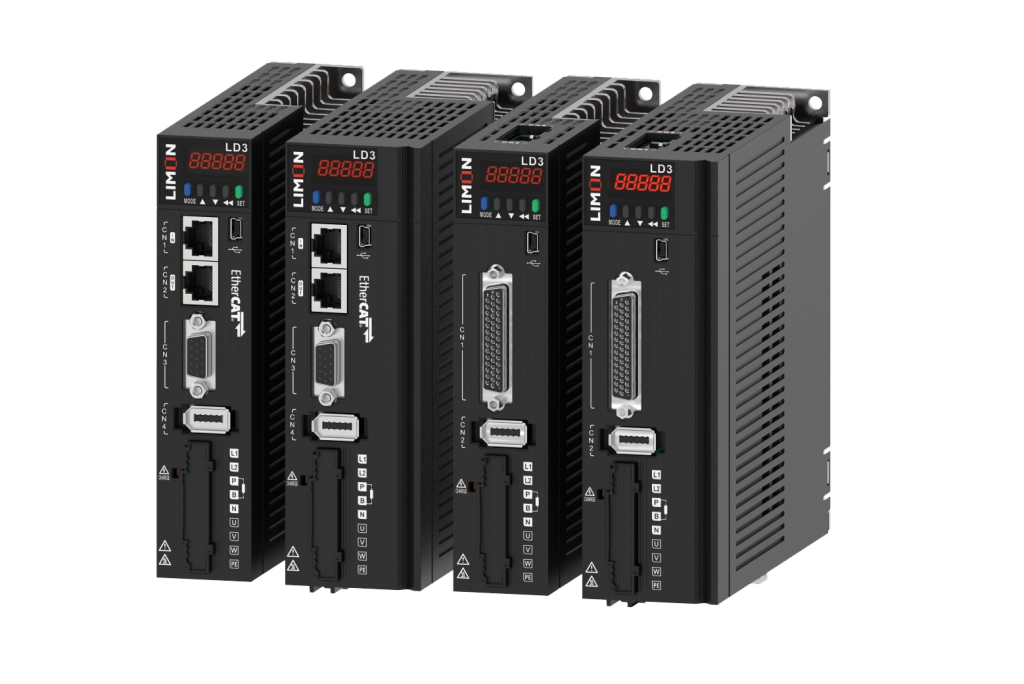
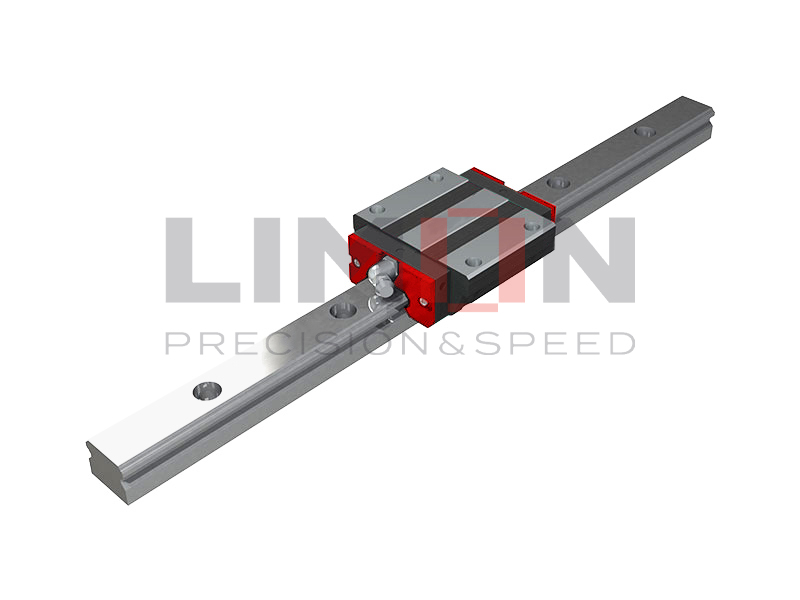
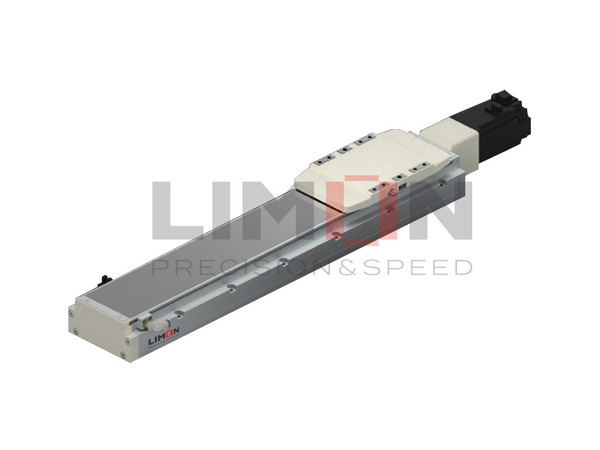
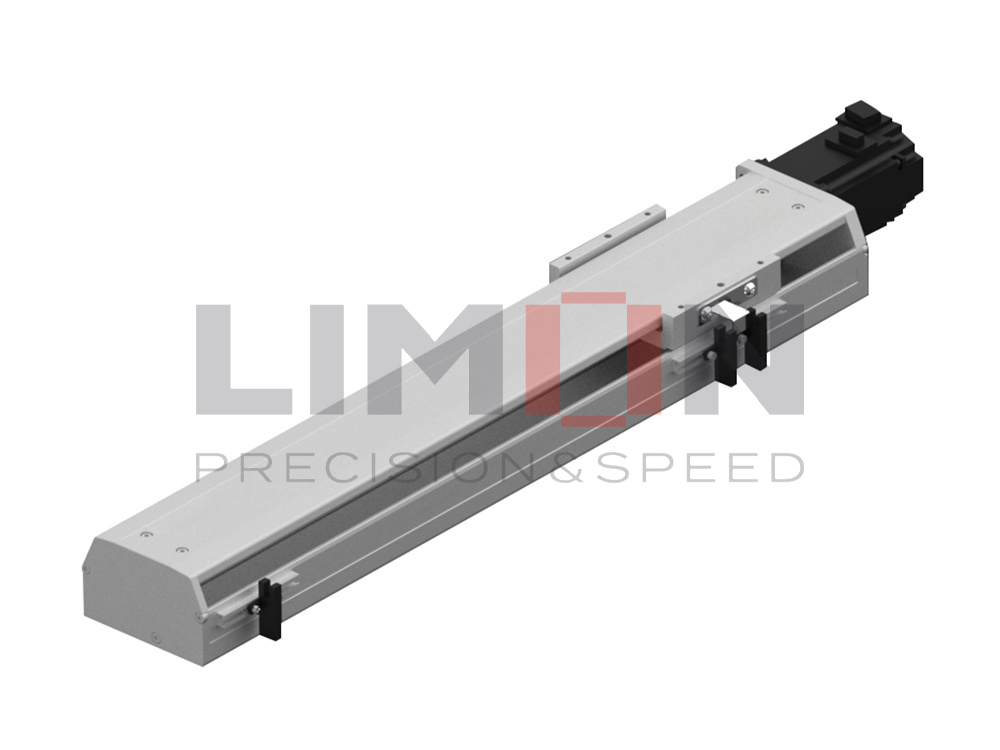
Limon’s product range covers multiple linear motion components, including ball screws, linear guide rails, linear bearings, and linear actuators. Our integrated production line and direct-sales model allow us to provide high-quality products while supporting customers with application-specific technical guidance.
How Should You Choose the Right Thread Lead?
The correct thread lead depends primarily on what your machine needs to accomplish. Start by defining the required linear speed, positioning accuracy, load, stroke, motor speed, and duty cycle.
If the application prioritizes high-speed travel, a larger lead may be appropriate because the screw can produce more linear movement per revolution. If extremely fine positioning is required, a smaller lead may offer better control.
You should also make sure the selected lead is compatible with the motor and control system. A screw with an unsuitable lead may force the motor to operate outside its ideal speed or torque range.
For ball screw applications, engineers should also evaluate efficiency, preload, rigidity, expected service life, and critical speed. The guide rail system should be selected alongside the ball screw to ensure the entire linear motion assembly works properly.
Limon combines manufacturing capability with direct customer support to help buyers make these decisions. With an integrated production line and expertise across linear motion products, Limon can provide reliable, high-performance solutions for industrial equipment and automation applications.
Заключение
Thread lead and screw pitch may appear to be simple specifications, but they have a major impact on linear motion performance. Understanding what is a screw pitch, the difference between lead vs pitch, and how to use screw pitch gages can help engineers avoid specification and compatibility problems.
For applications involving ball screws, linear actuators, CNC equipment, and automation systems, choosing the correct lead requires considering speed, load, accuracy, motor performance, and service life together.
Limon provides reliable, high-performance linear motion solutions backed by integrated manufacturing, direct sales, high-quality products, and technical support—helping customers build more dependable industrial motion systems.