In modern automation and precision machinery, speed alone is no longer enough. Accuracy, responsiveness, and reliability define competitive systems. This is where servo technology becomes essential.
But what is servo, exactly? How does it work, what does it control, and why is it so critical in today’s industrial motion systems?
What is servo?
A servo is a closed-loop motion control system designed to precisely control position, speed, and torque. Unlike basic motors that simply rotate when powered, a servo system continuously monitors its output and automatically corrects errors in real time.
In practical terms, a servo ensures that motion happens exactly as commanded, even under changing loads or high-speed conditions.
A complete servo system typically includes:
- Серводвигатель
- Устройство обратной связи (энкодер или резольвер)
- A servo drive
- A motion controller or PLC
Together, these components form a highly responsive and accurate motion control solution.
Servo What Is: Understanding the Core Concept
If you’ve ever asked servo what is, the simplest answer is this:
A servo is a smart motor system that knows where it is, where it needs to go, and how to correct itself instantly.
This intelligence is what separates servo systems from traditional motors. The feedback loop allows continuous comparison between:
- Commanded position or speed
- Actual position or speed
Any difference is corrected instantly, ensuring high precision and repeatability.
What Does a Servo Do?
One of the most common questions engineers ask is: what does a servo do in real-world applications?
Primary Functions of a Servo
A servo system can:
- Precisely control position (micron-level accuracy)
- Maintain constant speed under variable loads
- Deliver controlled torque
- Respond instantly to changes
- Hold position without drift
This makes servos ideal for applications where precision and dynamic performance are critical.
Why Servo Systems Are Essential in Modern Automation
Servo systems have become the backbone of advanced automation because they offer:
- High accuracy and repeatability
- Fast acceleration and deceleration
- Стабильная работа на высоких скоростях
- Энергоэффективность
- Долгосрочная надежность
When paired with precision mechanical components—such as linear guides, ball screws, and linear actuators—servo systems unlock the full potential of motion control.
Что такое сервопривод?
To fully understand servo systems, it’s essential to answer: what is a servo drive?
A servo drive is the electronic controller that powers and manages the servo motor. It acts as the brain of the servo system.
What a Servo Drive Does
A servo drive:
- Receives motion commands from a controller
- Regulates voltage and current to the motor
- Interprets feedback from the encoder
- Continuously corrects motion errors
- Protects the system from overloads and faults
In short, the servo drive ensures the motor moves exactly as instructed—no more, no less.
Servo Systems vs Traditional Motors
Understanding what is servo also means knowing how it differs from other motor types.
| Характеристика | Серводвигатель | Standard Motor |
| Обратная связь | Замкнутый цикл | Открытый контур |
| Точность | Very high | Ограниченный |
| Контроль скорости | Precise | Основные |
| Load Adaptability | Превосходно | Poor |
| Типовые применения | Automation, CNC, robotics | Fans, pumps |
This performance gap explains why servo systems dominate industrial automation, robotics, and precision machinery.
Where Servo Systems Are Used
Servo technology is deeply embedded in modern industry. Typical applications include:
Industrial Applications
- Станки с ЧПУ
- Упаковочные и сборочные линии
- Производство полупроводников
- Robotics and cobots
- Material handling systems
Motion Systems with Linear Components
When combined with:
- Линейные направляющие
- Шариковые винты
- Линейные приводы
Servos enable precise linear positioning, making them essential in automated production environments.
How Servo Systems Work with Linear Motion Components
Servo systems don’t work alone. Their performance depends heavily on the mechanical components they drive.
At Limon, servo systems are commonly paired with:
- Ball screws for high-precision linear positioning
- Linear guides for rigidity and smooth motion
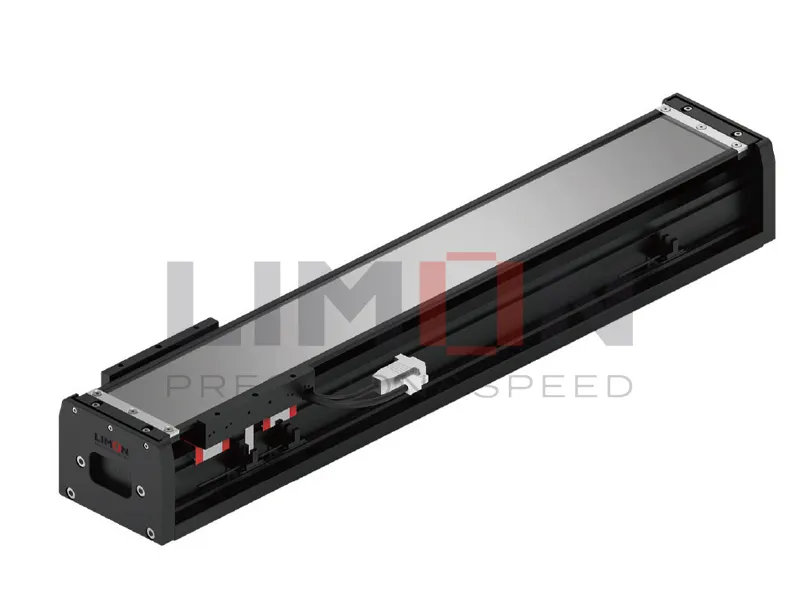
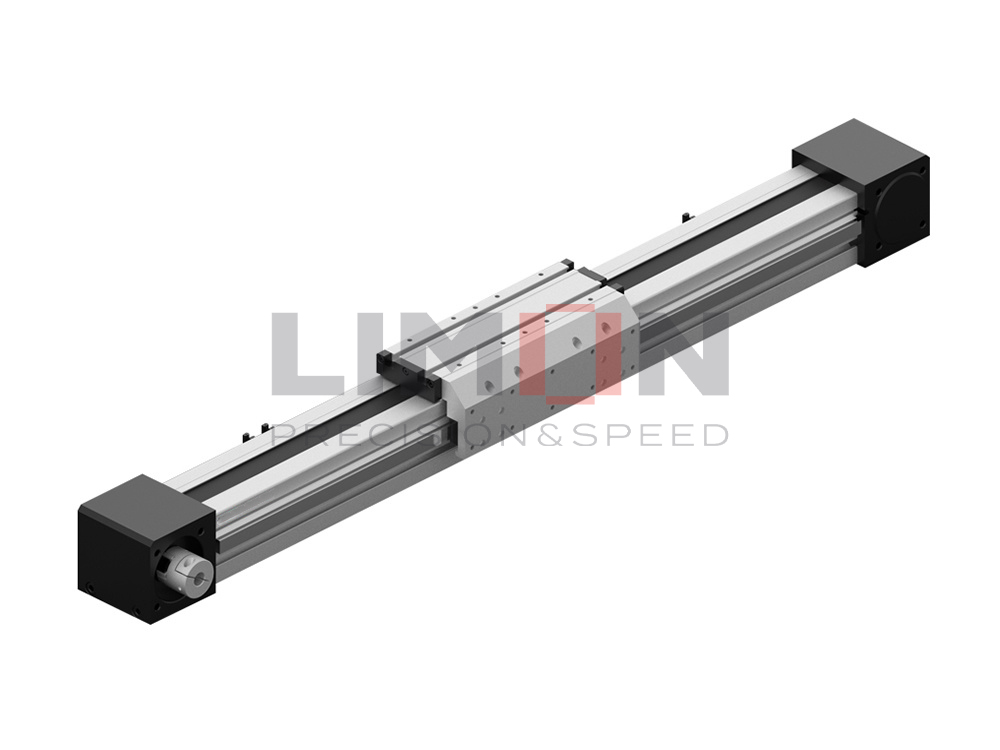
- Linear actuators for compact, integrated solutions
This combination ensures:
- Accurate motion transmission
- Minimal mechanical loss
- Long system life
- Consistent industrial performance
Why Limon Is a Trusted Partner for Servo-Driven Motion Systems
As a vertically integrated manufacturer, Limon offers unique advantages for servo-based applications:
- Complete in-house production for consistent quality
- Precision-machined linear guides and ball screws
- Servo-ready linear actuators
- Инженерная поддержка на основе приложений
- Reliable industrial performance at competitive pricing
Instead of sourcing components from multiple suppliers, engineers can rely on Limon for a complete, optimized motion solution.
Future Trends in Servo Technology
Looking ahead, servo systems will continue to evolve with trends such as:
- Smarter servo drives with advanced diagnostics
- Increased integration with IIoT systems
- Higher energy efficiency
- More compact servo-driven linear actuators
- Greater demand for plug-and-play automation modules
These trends align directly with Limon’s mission to deliver high-performance, future-ready linear motion solutions.
Final Thoughts: Why Understanding “What Is Servo” Matters
So, what is servo really about?
It’s about control, precision, and confidence in motion. From understanding what does a servo do to knowing what is a servo drive, this knowledge empowers engineers and decision-makers to build faster, smarter, and more reliable machines.
When servo technology is paired with high-quality linear motion components, the result is industrial performance you can trust.
If you’re designing or upgrading a servo-driven system, Limon’s linear guides, ball screws, and linear actuators are built to move with precision—every time.
2.jpg)