Is an unstable slider causing vibration, positioning errors, or unexpected downtime in your linear motion equipment?
A slider is a mechanical component that moves along a defined path, typically using linear guides, rails, bearings, or other sliding mechanisms. In linear motion systems, sliders provide controlled movement for machines, automation equipment, CNC systems, robotics, and positioning applications.
Let us explore how sliders work, where they are used, and how to choose the right solution.
What Is a Slider in a Linear Motion System?
A slider is a moving component designed to travel along a fixed path while supporting a load or positioning another mechanical component. In linear motion systems, the slider normally works together with a rail, guideway, bearing, screw drive, or actuator to create controlled linear movement.
Unlike a simple sliding surface, an industrial linear slider is designed to provide predictable movement, load support, and positioning performance. Depending on the design, the slider may incorporate ball bearings, rollers, sliding elements, or a carriage that travels along a precision rail.
A typical linear slider system may include several important components:
- A guide rail that defines the travel path
- A carriage or slider that moves along the rail
- Rolling or sliding elements that reduce friction
- Mounting surfaces for attaching the payload
- A drive mechanism such as a ball screw, lead screw, belt, or linear actuator
- End supports and other mechanical components
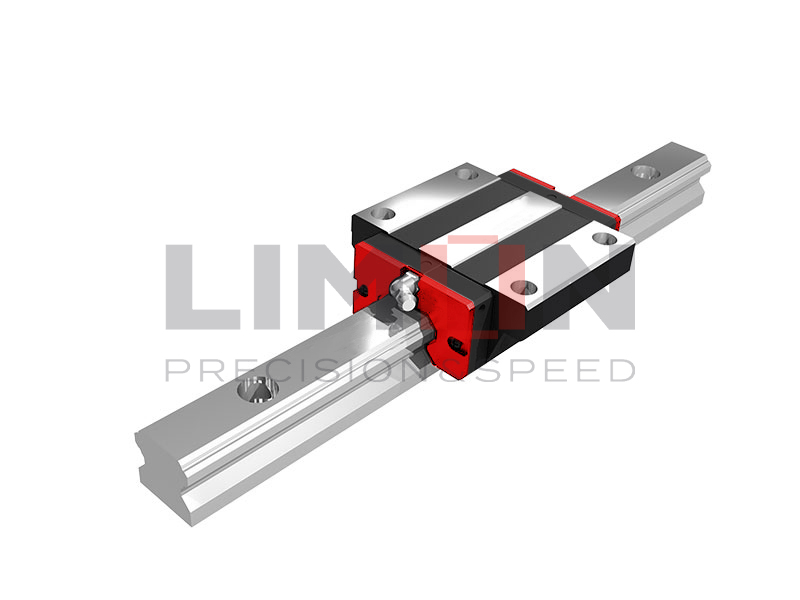
The relationship between the rail and moving carriage is especially important. For example, linear guides rails and carriages are commonly used when equipment requires stable, accurate, and repeatable movement. The rail provides the reference path, while the carriage transfers the load and travels along the guide.
This makes the slider more than simply a moving block. It is an important part of the complete motion architecture.
What Are the Main Types of Linear Sliders?
Linear sliders can be designed in different ways depending on the required load capacity, speed, accuracy, travel distance, and operating environment.
Ball-Bearing Sliders
Ball-bearing sliders use rolling balls between the moving carriage and guide rail. Because rolling contact produces relatively low friction, these systems can provide smooth movement and good positioning performance.
They are widely used in automation equipment, CNC machines, inspection systems, electronic equipment, and other applications where controlled movement is important.
Roller Sliders
Roller-based sliders use cylindrical or other shaped rollers instead of balls. Their larger contact area can provide higher rigidity and load capacity, making them suitable for applications involving heavier loads or greater mechanical forces.
Sliding Sliders
Sliding mechanisms use low-friction materials that directly slide against a guide surface. They can be useful when the application requires a simple structure, low maintenance, or resistance to certain environmental conditions.
Motorized Linear Sliders
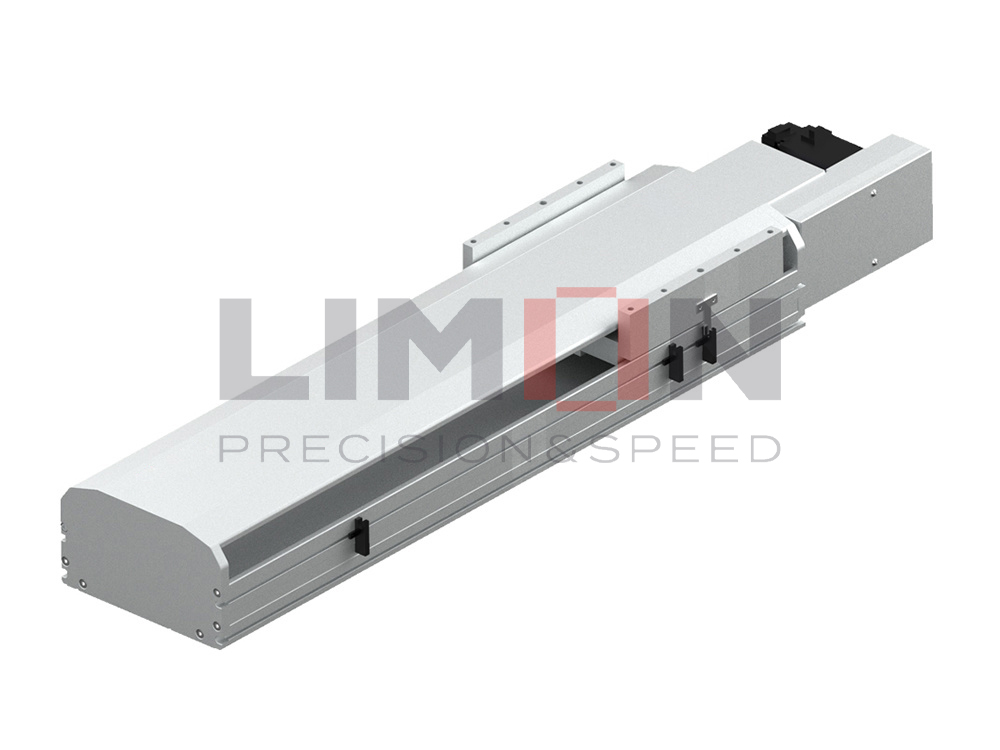
A motorized slider combines the moving mechanism with a drive system. Depending on the design, it may use a ball screw, lead screw, belt, or another transmission method. Motorized sliders are useful when automated positioning, adjustable speed, or programmable movement is required.
Choosing between these types depends on the complete application rather than simply selecting the slider with the highest load rating.
How Does a Slider Work With Linear Guides and Rails?
A slider normally works as part of a guided linear motion system rather than operating independently. The guide rail establishes the movement direction, while the carriage or slider travels along that rail.
In a rolling linear guide system, balls or rollers circulate between the rail and carriage. As the carriage moves, these rolling elements reduce friction while maintaining contact between the two components. This allows the slider to support loads while moving along a controlled path.
The guide system also helps control unwanted movement. A properly selected linear guide can resist forces and moments acting in different directions, helping the machine maintain stability during operation.
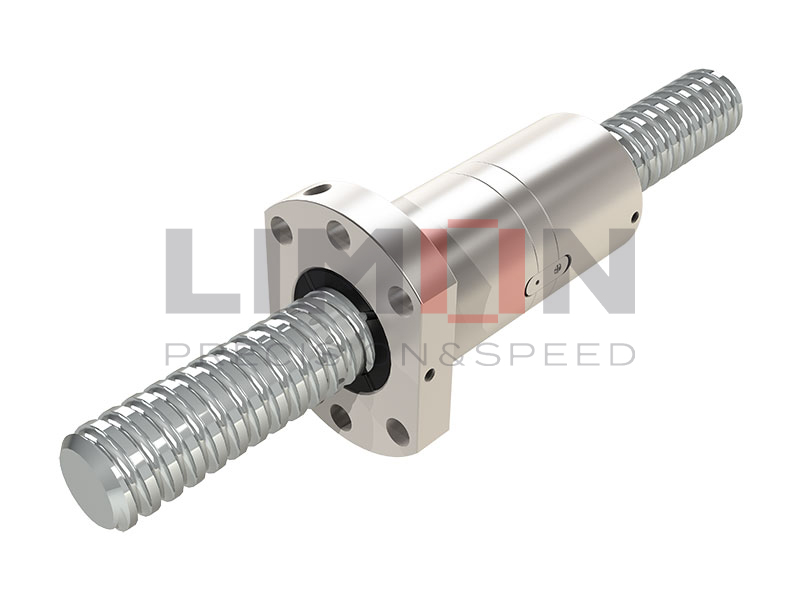
The drive mechanism provides the force needed to move the slider. For example, a ball screw can provide precise screw-driven movement, while a belt drive can be suitable for applications requiring longer travel and higher speed.
The slider therefore forms part of a larger system:
Drive mechanism → Slider/carriage → Guide rail → Machine load
For demanding industrial applications, the compatibility between these components is critical. Rail size, carriage design, load capacity, preload, mounting accuracy, lubrication, and operating conditions can all affect overall performance.
Where Are Linear Sliders Used?
Linear sliders are used wherever equipment needs controlled movement along a straight path. Their applications range from relatively simple positioning equipment to high-precision industrial automation.
К числу распространенных областей применения относятся:
Промышленная автоматизация
Automation equipment often uses sliders to move workpieces, tools, sensors, or other machine components between defined positions. Smooth and repeatable movement can improve cycle consistency and production efficiency.
ЧПУ и станки
CNC machines require stable movement to position cutting tools or workpieces accurately. Linear sliders and guide systems can support these movements while handling significant loads and repeated operating cycles.
Робототехника
Robotic systems frequently use linear axes alongside rotary joints. A slider can provide a straight-line movement axis for pick-and-place systems, material handling, inspection equipment, and automated production lines.
Упаковочное оборудование
Packaging equipment may use linear sliders for feeding, positioning, cutting, sealing, labeling, and other repetitive operations. Depending on the machine design, high speed and reliable repeatability may be more important than extremely high positioning accuracy.
Inspection and Measurement Equipment
Inspection systems often require smooth movement to position cameras, sensors, probes, or measuring instruments. Low vibration and controlled motion can be particularly important when measurement accuracy is involved.
Electronic and Semiconductor Equipment
Manufacturing and inspection equipment for electronic components may require compact, smooth, and precise linear movement. The appropriate slider and guide configuration can help maintain stable positioning within limited installation spaces.
How Do You Choose the Right Slider?
Choosing a slider should begin with the requirements of the entire linear motion system rather than the slider alone.
First, determine the загрузка. Calculate not only the static weight but also dynamic forces generated during acceleration, deceleration, vibration, and changes in direction.
Next, consider travel distance and speed. A short-stroke application may require a different slider configuration from a machine that needs long continuous travel. High-speed applications also require careful consideration of acceleration, rigidity, lubrication, and guide performance.
Positioning requirements are another important factor. If the system requires high positioning accuracy and repeatability, the guide, drive mechanism, motor, and control system must work together.
You should also evaluate:
- Static and dynamic load capacity
- Длина хода
- Travel speed
- Ускорение и замедление
- Точность и повторяемость позиционирования
- Жесткость
- Место для монтажа
- Рабочая температура
- Dust, moisture, or contamination
- Lubrication requirements
- Рабочий цикл
- Motor and controller compatibility
For example, a high-speed packaging machine may prioritize speed and cycle life, while a CNC or inspection application may place greater emphasis on rigidity and positioning performance.
It is also important to match the slider with the appropriate rail and drive mechanism. Using a high-quality carriage with an unsuitable rail or drive system can prevent the complete machine from achieving its expected performance.
Why Choose Limon for Linear Slider and Motion Solutions?
A slider performs best when it is considered as part of a complete linear motion system. This is where Limon’s manufacturing capability can provide value beyond supplying individual components.
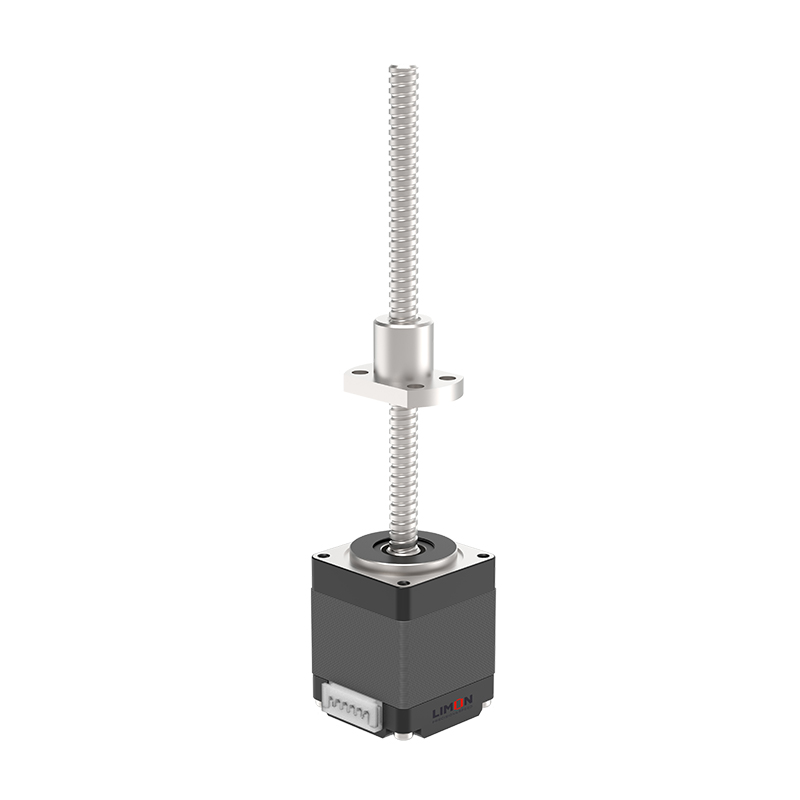
Limon manufactures a range of linear motion products, including линейные направляющие, шариковые винты, линейные подшипники и линейные приводы. With an integrated production line, Limon can focus on consistency across key components instead of treating each product as an isolated part.
This integrated approach is particularly useful when customers need to combine linear guides with carriages, screw-driven motion, bearings, or actuators. Component compatibility can have a direct effect on system performance, installation, service life, and maintenance.
Limon also provides products directly through its independent website, allowing customers to communicate their requirements and purchase linear motion products without relying solely on multiple layers of distribution.
Quality is another important consideration. Precision linear motion components require consistent manufacturing, appropriate material and machining control, reliable assembly, and careful quality management. These factors influence smoothness, load capacity, positioning stability, and operating life.
For customers with specific application requirements, Limon also provides technical support to help evaluate factors such as load, stroke, speed, installation conditions, and component matching.
Whether you need a standalone linear guide, a slider and rail combination, a ball screw drive, or a complete linear actuator solution, Limon aims to provide reliable, high-performance linear motion products for industrial applications.
Заключение
A slider is a fundamental moving element in many linear motion systems, providing controlled movement along a rail or guideway. Its performance depends on the interaction between the carriage, guide rail, drive mechanism, load, and operating environment.
Understanding these factors helps you select a slider that delivers smoother movement, better stability, and reliable long-term performance.
Благодаря интегрированной производственной линии, модели прямых продаж, высококачественной продукции для линейных перемещений и технической поддержке, Limon provides reliable, high-performance solutions for modern industrial motion applications. From linear guide rails and carriages to ball screws, linear bearings, and linear actuators, Limon can support your motion system from individual components to complete application requirements.