In today’s fast-paced industrial landscape, efficiency and precision aren’t optional—they’re expected. Whether you’re designing automated machinery, upgrading CNC equipment, or optimizing a production line, one often-overlooked component plays a critical role in performance: the douille.
So what exactly is a douille, and why does it matter so much in modern engineering applications? More importantly, how can choosing the right douille linéaire dramatically improve your system’s reliability and lifespan?
Voyons cela en détail.
What Is a Bushing?
A douille is a mechanical component used to reduce friction between moving parts. It acts as a lining for a hole, shaft, or housing, allowing smooth motion while minimizing wear. Unlike rolling-element bearings, bushings typically rely on sliding motion.
Bagues are widely used across industries in applications where cost-effectiveness, simplicity, and durability are essential. From automotive suspensions to industrial automation systems, bushings provide reliable performance under a wide range of operating conditions.
What Is a Linear Bushing?
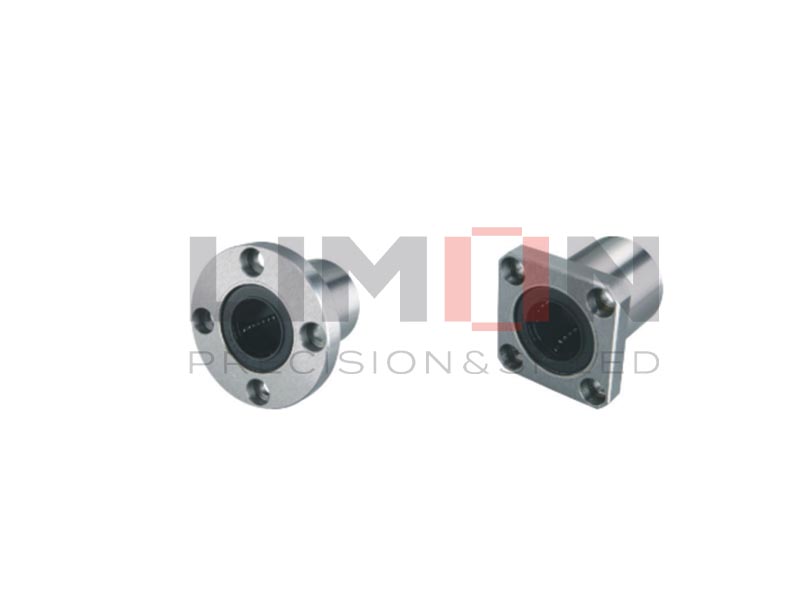
A douille linéaire is a specialized type of bushing designed specifically for linear motion. Instead of supporting rotational movement, it enables smooth, straight-line motion along a shaft.
Bagues linéaires are commonly paired with precision shafts or guide rods and are essential in applications like:
- Machines CNC
- Équipements d'emballage
- Robotique et systèmes d'automatisation
- Dispositifs médicaux
- Fabrication de semi-conducteurs
Key Advantages of Linear Bushing Systems
- Low friction movement for smooth operation
- High load capacity in compact designs
- Cost-effective alternative to more complex bearing systems
- Easy installation and replacement
- Des performances fiables dans des environnements exigeants
When engineers search for bushing linear solutions, they’re often looking for a balance between performance, cost, and durability—and that’s exactly what bagues linéaires livrer.
Linear Bushing vs. Other Bearing Solutions
Lorsqu'on compare bagues linéaires to other motion components like linear guide rails or ball screws, each has its place.
| Composant | Meilleur pour | Principaux avantages |
| Douille linéaire | Simple linear motion | Cost-effective and easy to maintain |
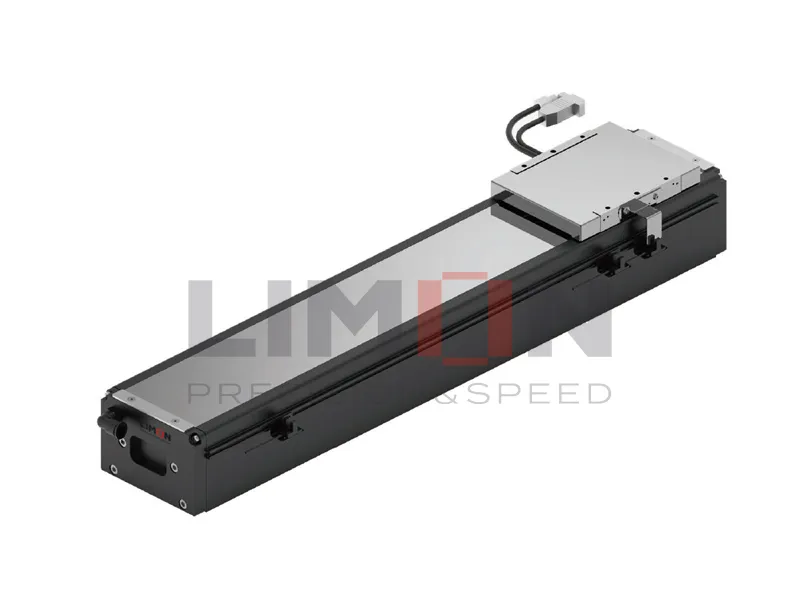
| Rail de guidage linéaire | High precision systems | Superior accuracy and rigidity |
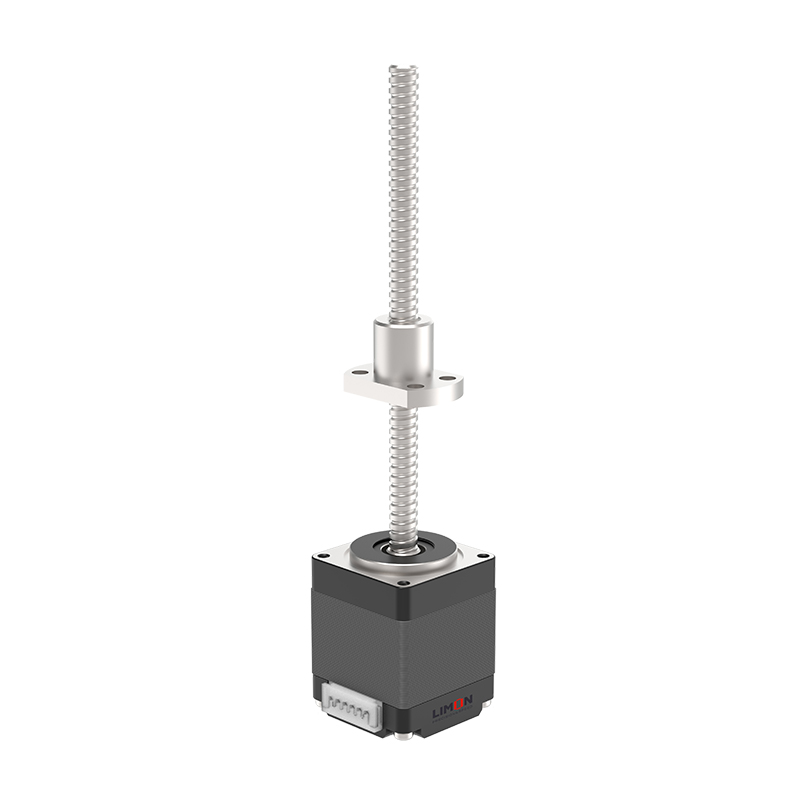
| Vis à billes | High-load positioning | Excellent efficiency and control |
For many applications, especially where budget and simplicity are priorities, bushing linear systems offer the perfect solution.
How to Choose the Right Linear Bushing
Choisir le bon douille linéaire requires careful consideration of several factors:
- Capacité de charge
Ensure the bushing can handle both dynamic and static loads.
- Exigences en matière de vitesse
High-speed applications may require ball-type linear bushings.
- Conditions environnementales
Dust, moisture, and chemicals can impact performance—polymer bushings may be better in harsh environments.
- Shaft Compatibility
Precision shafts must match the bushing’s internal diameter for optimal performance.
- Mounting Method
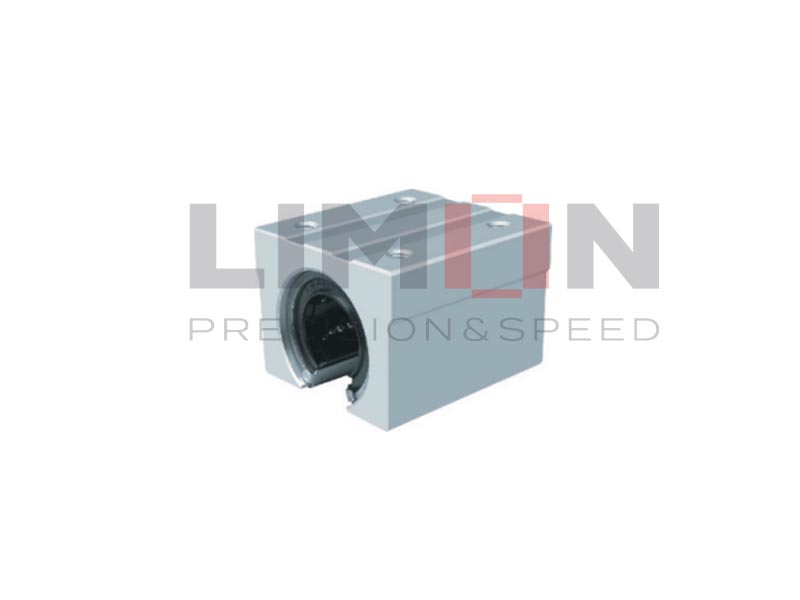
Consider whether a linear bushing block is needed for easier integration.
Why Quality Matters in Linear Bushings
Pas tous bushings are created equal. Low-quality bushings can lead to:
- Increased friction and wear
- System misalignment
- Frequent maintenance
- Unexpected downtime
For U.S.-based manufacturers and global OEMs alike, reliability is non-negotiable. Investing in high-quality douille linéaire solutions ensures consistent performance and long-term cost savings.
Why Choose Limon for Linear Bushings?
At Limon, we understand that every motion system demands precision, durability, and efficiency.
With our fully integrated production line, we offer:
- Strict quality control from raw materials to final product
- High-performance linear bushing blocks and bushings
- Custom solutions tailored to your application
- Competitive pricing for global B2B customers
- Fast delivery and responsive technical support
Whether you need a standard douille linéaire or a customized bushing linear system, Limon delivers solutions you can trust.
The Future of Bushings in Automation
As industries move toward smarter manufacturing and Industry 4.0, the demand for efficient, low-maintenance motion components continues to grow.
Future trends include:
- Self-lubricating and maintenance-free bushings
- Lightweight composite materials
- Integration with smart monitoring systems
- Increased demand in robotics and AI-driven automation
Bagues linéaires will remain a cornerstone of motion design—especially in cost-sensitive, high-efficiency applications.
Conclusion: Small Component, Big Impact
So, what is a bushing really worth to your system?
The answer: everything.
From reducing friction to improving precision and extending equipment life, bushings—especially linear bushings—are essential to modern engineering.
If you’re looking to optimize your machinery, reduce downtime, and improve performance, investing in the right linear bushing, bushing linear solution, or linear bushing block is a smart move.