Is unclear actuator operation leading to poor sizing, unstable motion, premature wear, or expensive machine redesigns?
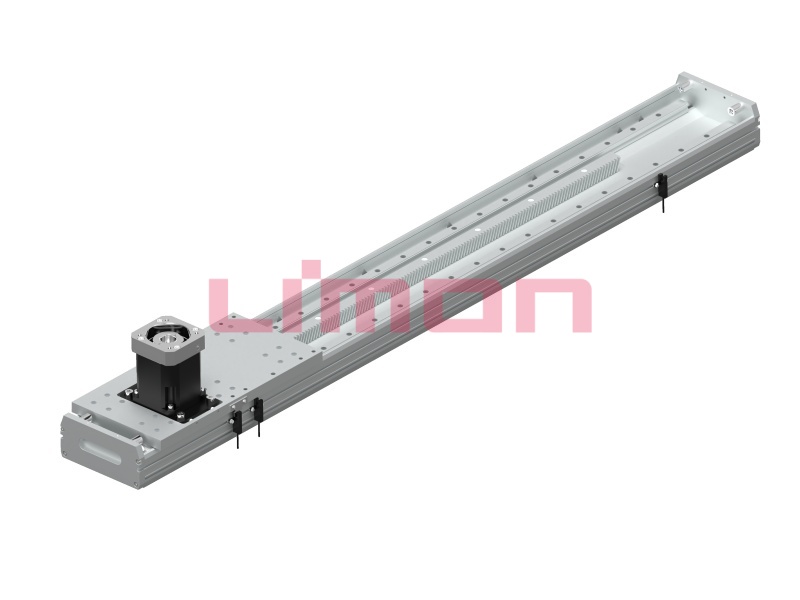
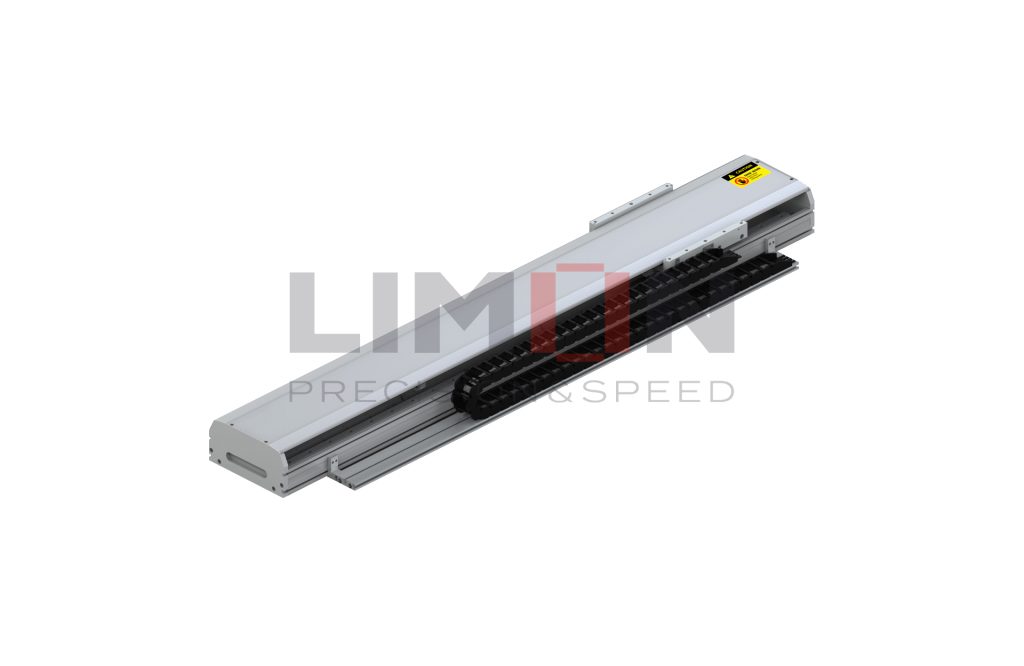
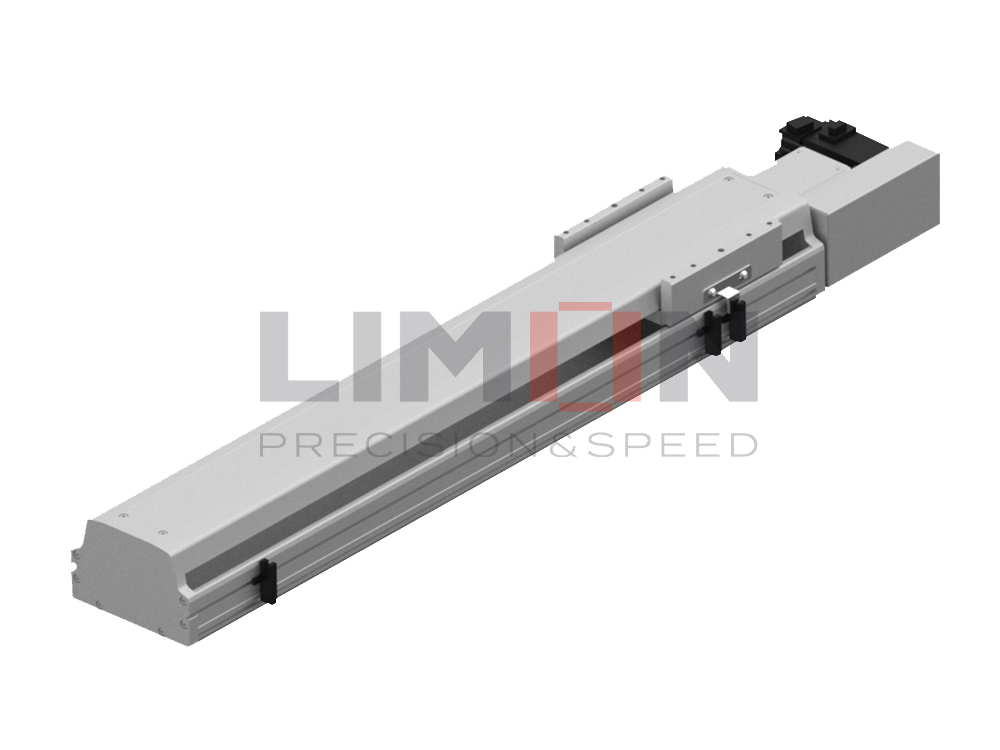
: A linear actuator converts energy into straight-line movement. In an electric actuator, a motor rotates a ball screw, lead screw, belt, or gear mechanism. This transmission moves a nut, rod, or carriage to push, pull, lift, or position a load. Controls and sensors can regulate direction, speed, force, and position.
This guide explains each operating stage, key components, control methods, applications, selection factors, and future trends.
How Does Linear Actuator Work Step by Step?
Para responder how does linear actuator work, consider a screw-driven electric actuator. First, an electrical power source supplies energy to an AC, DC, stepper, or servo motor. When the controller commands movement, the motor shaft begins rotating.
The motor may drive the screw directly or transmit power through gears, a coupling, or a timing belt. This transmission adjusts the relationship between motor speed and output torque. A ball screw or lead screw then converts the rotary movement into linear travel. The nut moves along the screw and pushes an extension rod or carries a moving table.
Reversing motor rotation reverses the actuator’s direction. Limit switches can stop movement at the ends of the permitted stroke, while an encoder or position sensor tells the controller where the actuator is located.
Thomson describes a typical rod actuator as a system in which the motor drives gearing, the gearing turns a screw, and the traveling nut moves an extension tube.、
Which Components Make Linear Motion Possible?
The motor provides rotary power. Brushed DC motors support relatively simple voltage control, while brushless DC motors offer electronic commutation and reduced brush maintenance. Stepper motors move through commanded increments, and servo motors use feedback for dynamic closed-loop control. AC motors are common in fixed industrial equipment, especially when paired with variable-frequency drives.
The mechanical transmission converts motor rotation into linear movement. Ball screws use recirculating balls between the nut and screw raceways, providing efficient, accurate movement. Lead screws use sliding contact and can offer an economical solution for moderate loads and speeds. Belt drives use pulleys and reinforced belts for fast travel over longer strokes.
Support bearings maintain screw position and transmit axial forces into the actuator structure. Linear guides support the carriage, payload, side forces, and overturning moments. Seals, wipers, covers, and bellows protect internal components.
The housing maintains alignment between these parts. Poor housing rigidity or machining accuracy can create friction and uneven loading, even when the individual components are high quality. This is why Limon’s integrated manufacturing of screws, guides, bearings, and actuators provides an important system-level advantage.
How Do Screw-Driven and Belt-Driven Actuators Differ?
Screw-driven actuators create linear movement through the relationship between a rotating screw and traveling nut. Screw lead defines how far the nut moves during one revolution. A small lead provides greater mechanical advantage and finer travel per revolution, while a larger lead produces faster linear travel but typically requires more motor torque.
Ball screws are selected for efficiency, rigidity, accuracy, and repeatability. Lead screws can provide a simpler and more economical option, particularly for lighter loads or intermittent movement. Depending on thread geometry and load, some lead screw systems offer greater resistance to back-driving.
Belt-driven actuators move a carriage using a toothed belt and pulleys. They are well suited to long strokes and high travel speeds. However, belt elasticity, tension, acceleration, and load inertia must be considered when evaluating accuracy and settling time.
Long screw-driven systems have critical-speed limitations. If the screw rotates too quickly, it can oscillate or whip, creating vibration, noise, and premature bearing wear. Tolomatic advises designers to evaluate critical screw speed, duty cycle, bending moments, velocity, and load together.
How Are Position, Speed, and Force Controlled?
A basic actuator may use a switch or relay to extend and retract between two limit positions. Reversing the electrical polarity of certain DC motors reverses their direction. AC actuators may use contactors or a variable-frequency drive, depending on the motor and required control.
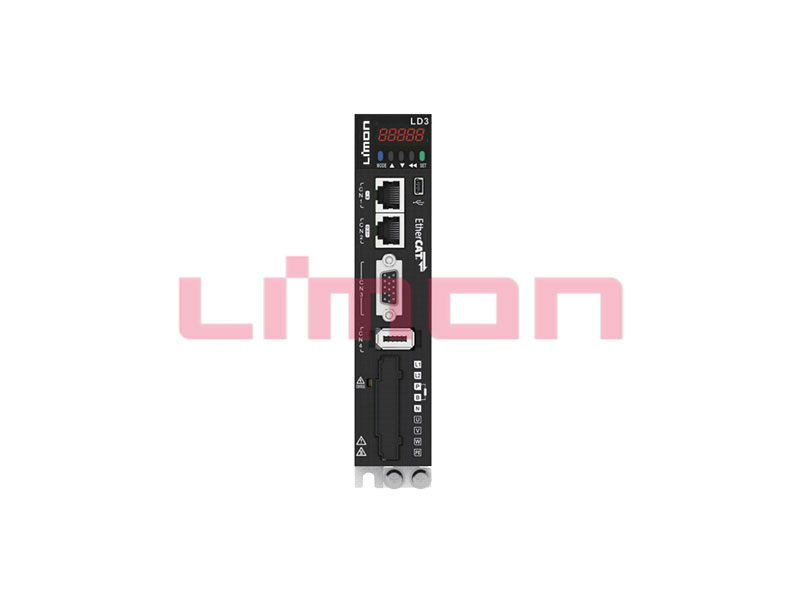
Programmable systems use motor drives and feedback devices. A stepper drive sends electrical pulses corresponding to incremental movement. A servo drive receives a target position, speed, or torque command and compares it with encoder feedback. It then adjusts motor current to reduce the difference between commanded and actual motion.
Position feedback may come from an encoder, Hall sensor, potentiometer, or external linear scale. Force can be estimated from motor current or measured directly with a load cell. Limit switches provide end-of-stroke protection, while brakes help hold vertical loads when power is removed.
Movement quality also depends on the acceleration profile. Controlled acceleration and deceleration reduce shock, vibration, and stress on screws, couplings, bearings, and machine frames. Smart control improves performance, but it cannot compensate fully for mechanical backlash, guide deflection, poor alignment, or inadequate lubrication.
¿Dónde se utilizan los actuadores lineales?
Factory automation uses linear actuators to position workpieces, adjust machine formats, lift assemblies, move inspection cameras, operate gates, and transfer products. Packaging, electronics, semiconductor, pharmaceutical, printing, and warehouse systems frequently require several coordinated linear axes.
Medical and laboratory equipment uses actuators to adjust beds, chairs, treatment platforms, imaging components, sample trays, pumps, and rehabilitation mechanisms. Smooth movement, low noise, compact dimensions, and repeatability are often important in these applications.
Agricultural and mobile equipment uses DC-powered actuators for steering, ventilation, feeders, hoods, spraying equipment, and adjustable attachments. Material-handling systems use them in sorters, clamps, lifts, diverters, and automated storage equipment.
Other applications include solar tracking, access control, adjustable furniture, renewable energy, robotics, and machine-tool auxiliary axes. Thomson similarly identifies medical devices, agriculture, factory automation, and material handling as established electric-actuator applications.
Each market requires a different balance of force, speed, accuracy, protection, noise, duty cycle, and cost.
¿Cómo se elige el actuador lineal adecuado?
Begin with the load. Include payload, process force, friction, gravity, acceleration, shock, and emergency-stop conditions. Determine whether the actuator will push, pull, lift, hold, or lower the load. Offset loads and overturning moments should normally be supported by linear guides rather than the actuator rod or screw.
Next, specify stroke, maximum speed, acceleration, move time, cycle rate, duty cycle, accuracy, repeatability, and expected travel life. For screw-driven systems, calculate screw lead, efficiency, critical speed, buckling capacity, preload, and support-bearing arrangement.
The installation environment also matters. Temperature, dust, moisture, corrosion, washdown, vibration, cleanroom conditions, and noise restrictions may require special seals, materials, lubrication, or protective covers.
Electrical requirements include voltage, motor technology, encoder, brake, limit switches, controller, communication protocol, and power-loss behavior. Tolomatic lists orientation, travel distance, load, force, move time, cycle rate, and environment as basic actuator-selection inputs.
Limon’s technical team can help customers review these requirements and select compatible linear guides, ball screws, bearings, and actuator configurations.
What Will Future Linear Actuators Look Like?
Future actuators will integrate more mechanical, electrical, sensing, and software functions into compact assemblies. Built-in drives, encoders, force sensing, temperature monitoring, and network communication will simplify machine wiring and commissioning.
Actuators will increasingly report position, motor current, temperature, vibration, load, and operating cycles. This information can help detect abnormal friction, misalignment, contamination, or lubrication deterioration before a breakdown occurs. Multiple connected actuators can also synchronize movement and compensate for uneven loading.
Electric actuators will continue replacing selected pneumatic and hydraulic systems where programmable movement, cleanliness, process data, and energy management create sufficient value. Modular construction will allow machine builders to configure stroke, screw lead, motor position, feedback, brake, and mounting more efficiently.
Control intelligence cannot replace mechanical quality. Inaccurate screws, weak guides, poor bearing alignment, or unsuitable lubrication still limit performance. Limon’s fully integrated production line covers linear guides, ball screws, linear bearings, and linear actuators. Combined with direct sales, this enables consistent quality, competitive manufacturer pricing, customization support, and efficient access to technical expertise.
Conclusión:
A linear actuator works by converting an energy source into controlled straight-line motion through a screw, belt, fluid, or electromagnetic mechanism. Reliable results require the motor, transmission, guides, bearings, controls, and structure to work together. Limon provides dependable, high-performance linear motion solutions backed by integrated manufacturing, quality control, direct sales, and professional support.
Planning a new linear motion system or replacing an underperforming actuator? Visit the Limon independent website to explore our linear actuators, ball screws, linear guides, and linear bearings. Contact the Limon technical team with your load, stroke, speed, accuracy, duty cycle, mounting, and environmental requirements for product-selection or customization assistance.