В современном мире промышленной автоматизации и высокоточного машиностроения движения должны быть точными, повторяемыми и «умными». Именно здесь сервотехнологии приобретают решающее значение. Тем не менее многие инженеры, закупщики и руководители по-прежнему задают фундаментальный вопрос: что такое «серво» — что это на самом деле означает в реальных условиях эксплуатации?
В этой статье мы дадим чёткое определение термина «сервопривод», объясним, как работают сервосистемы, и покажем, как они интегрируются с линейные направляющие, шариковые винты, а также линейные приводы для привода высокопроизводительных промышленных систем перемещения. Мы также рассмотрим, почему выбор правильных механических компонентов — таких, как те, что производятся компанией Лимон—не менее важно, чем выбор самого сервопривода.
Определение термина “серво”: что означает слово «серво»?
Если говорить простым языком, то «серво» — это:
A сервопривод представляет собой устройство управления движением с замкнутым контуром, которое с высокой точностью регулирует положение, скорость и крутящий момент с помощью обратной связи в режиме реального времени.
В отличие от простых двигателей, которые при подаче питания вращаются с заданной скоростью, сервосистема постоянно отслеживает свои выходные параметры и автоматически корректирует любое отклонение от заданного движения. Именно такое управление с обратной связью обеспечивает сервосистемам высокую точность
Определение сервосистемы: нечто большее, чем просто двигатель
Чтобы дать полное определение сервосистемы, важно понимать, что а сервопривод это не отдельный компонент — это слаженная система.
Типичная сервосистема включает в себя:
- Серводвигатель – обеспечивает контролируемое движение
- Устройство обратной связи (энкодер или резольвер) — контролирует положение и скорость
- Сервопривод — регулирует мощность и обрабатывает сигнал обратной связи
- Контроллер или ПЛК — посылает команды управления движением
В совокупности эти компоненты образуют систему с замкнутым контуром, которая обеспечивает точное движение при изменяющихся нагрузках и условиях эксплуатации.
тщательно отобранные и надежные.
Как работает сервосистема
Как только вы определите принцип работы сервосистемы, её функционирование станет легче понять.
Управление по замкнутому циклу на практике
- Контроллер посылает команду движения
- Сервомотор перемещается соответствующим образом
- Устройство обратной связи передает данные о фактическом положении или скорости
- Сервопривод сравнивает фактические значения с заданными
- Любая ошибка исправляется мгновенно
Благодаря этому непрерывному циклу сервосистемы обеспечивают высокую точность, быстрое время отклика и стабильную работу.
Почему сервосистемы играют ключевую роль в современной автоматизации
Сервотехнологии широко применяются, поскольку они обеспечивают возможности, недоступные традиционным двигателям.
Ключевые преимущества включают:
- Точное позиционирование и повторяемость
- Высокий крутящий момент на низких скоростях
- Резкое ускорение и торможение
- Стабильная производительность при переменных нагрузках
- Повышение энергоэффективности
Благодаря этим характеристикам сервосистемы идеально подходят для современных промышленных и автоматизированных сред.
Где применяются сервосистемы
Сервосистемы используются практически во всех отраслях, требующих высокой точности.
Общие приложения
- Станки с ЧПУ
- Линии промышленной автоматизации
- Робототехника и портальные системы
- Оборудование для упаковки и маркировки
- Производство полупроводников
- Системы транспортировки материалов
В большинстве таких систем сервоприводы работают в сочетании с компонентами линейного перемещения, обеспечивая управляемое линейное движение.
Сервосистемы и линейное перемещение: важнейшее взаимодействие
A сервопривод само по себе не гарантирует точность. Решающую роль играют механические компоненты.
В компании Limon сервосистемы обычно используются в сочетании со следующим оборудованием:
- Шариковые винты для преобразования вращательного движения в линейное
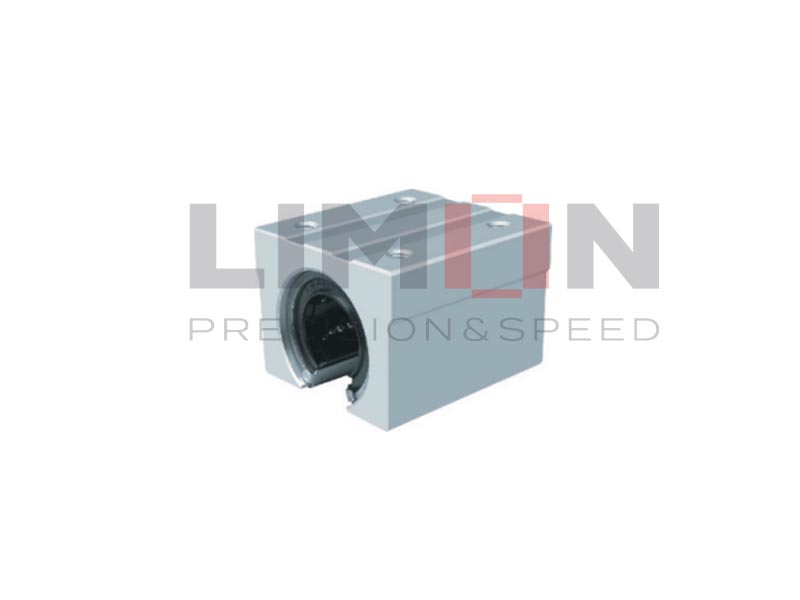
- Линейные направляющие для обеспечения жесткости и выравнивания
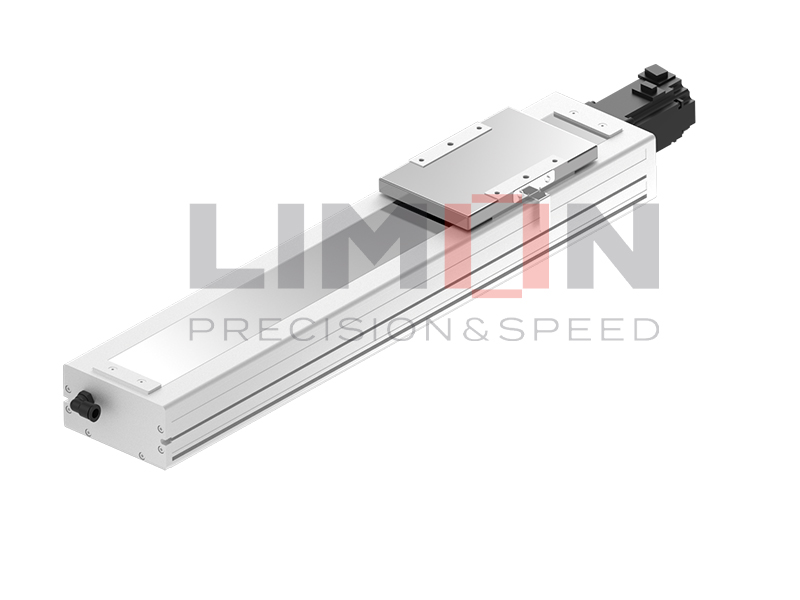
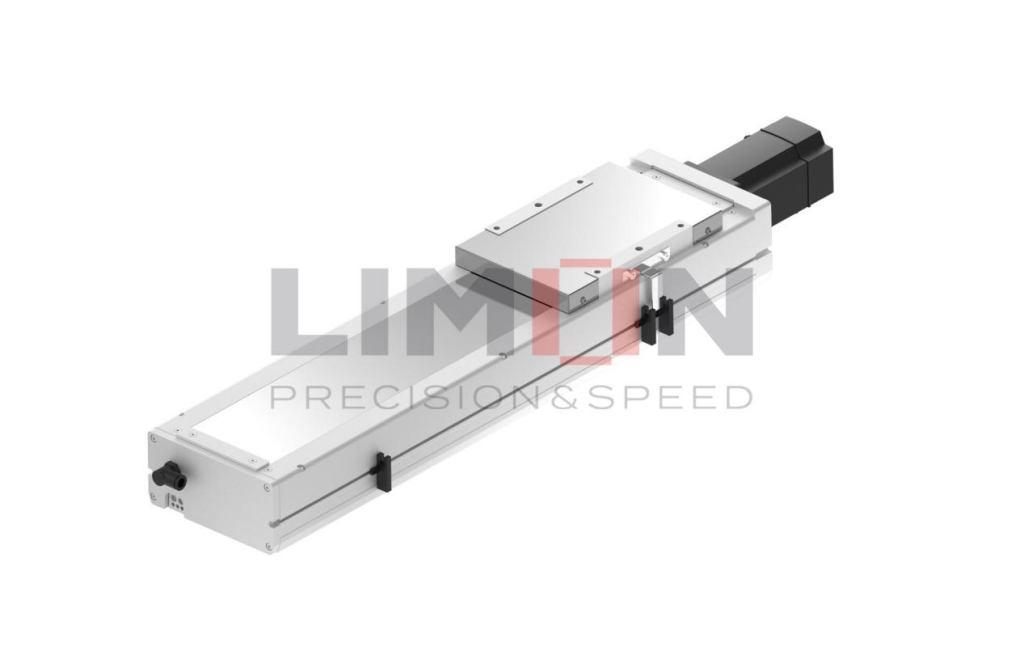
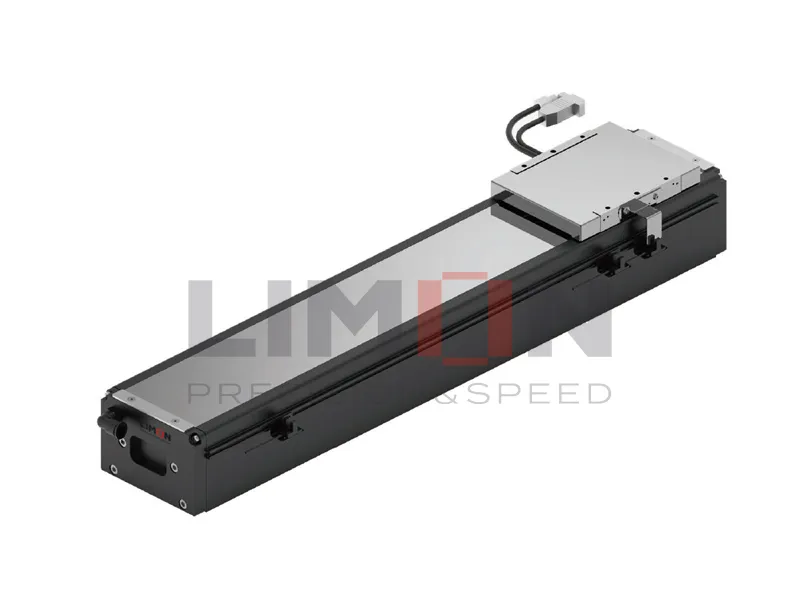
- Линейные приводы для компактных интегрированных решений
Такое сочетание гарантирует, что рабочие характеристики сервопривода в полной мере преобразуются в точное, плавное и повторяемое линейное движение.
Почему качество механических узлов имеет значение в сервосистеме
Даже после того, как вы определите понятия «сервопривод» и «сервосистема», остается один неоспоримый факт: низкое качество механических компонентов ограничивает рабочие характеристики сервопривода.
Низкокачественные детали линейного привода могут привести к:
- Вибрация и шум
- Снижение точности позиционирования
- Повышенный износ
- Сложная настройка сервопривода
Именно поэтому инженеры отдают предпочтение линейным компонентам, готовым к подключению к сервоприводам, изготовленным с соблюдением жестких допусков и стабильного качества.
Почему компания «Limon» является надежным партнером в области систем с сервоприводом
Являясь производителем систем линейного перемещения с вертикальной интеграцией, компания Limon предлагает преимущества, выходящие за рамки возможностей стандартных поставщиков компонентов:
- Полный цикл производства на собственном предприятии для обеспечения стабильного качества
- Линейные направляющие и шариковые винты, изготовленные с высокой точностью
- Линейные приводы с сервооптимизацией
- Надежные сроки поставки и техническая поддержка
- Решения для управления движением на системном уровне
Это позволяет заказчикам разрабатывать системы с сервоприводами, которые надежно работают в реальных промышленных условиях.
Будущие тенденции в области сервотехники
По мере дальнейшего развития автоматизации сервосистемы совершенствуются в нескольких ключевых областях:
- Более интеллектуальные сервоприводы с диагностикой в режиме реального времени
- Интеграция с IIoT и «умными» заводами
- Повышенные стандарты энергоэффективности
- Более компактные линейные приводы с сервоуправлением
- Растущий спрос на модульные решения в области автоматизации
Эти тенденции в полной мере соответствуют миссии компании Limon — поставлять перспективные и высокоэффективные решения для линейного перемещения.
Заключительные мысли: почему важно правильно определить понятие «сервопривод»
Правильно определить, что такое сервопривод, — значит понять, что это не просто двигатель, а высокоточная система управления, обеспечивающая работу современных систем автоматизации.
Правильно определить суть сервосистемы — значит осознать важность каждого её компонента, от двигателя и привода до линейных направляющих и шариковые винты которые позволяют преобразовать движение в реальные результаты.
Когда сервотехнологии сочетаются с высококачественными механическими компонентами, в результате получается точность, которой можно доверять, и производительность, которую можно масштабировать.
Если вы занимаетесь проектированием или модернизацией системы перемещения с сервоприводом, решения Limon для линейного перемещения помогут вашему сервоприводу работать с максимальной эффективностью.