В современной промышленной автоматизации точность, повторяемость и надёжность являются обязательными условиями. От систем «pick-and-place» до роботизированных сборочных линий — один компонент играет решающую роль в эффективности взаимодействия машин с деталями: это параллельный захват.
В этом руководстве мы подробно расскажем, что такое параллельный захват, как он работает, где он применяется и как выбрать подходящее решение для вашей системы автоматизации. Мы также покажем, как высококачественные компоненты линейного перемещения — такие, как разработанные компанией Лимон—помогают максимально повысить эффективность захватов в реальных промышленных условиях.
Что такое параллельный захват?
Параллельный захват — это тип робототехнического концевого устройства, сконструированного таким образом, что его губки при раскрытии и закрытии движутся параллельно друг другу. Такое движение позволяет захвату прикладывать равномерное, сбалансированное усилие с обеих сторон заготовки.
В отличие от угловых или радиальных захватов, параллельные захваты сохраняют постоянное выравнивание на протяжении всего процесса захвата, что делает их идеальным решением для задач прецизионной манипуляции, где важны ориентация детали и повторяемость.
Основные характеристики параллельного захвата:
- Линейное синхронизированное движение щек
- Высокая точность позиционирования
- Стабильное усилие захвата
- Совместимость с системами автоматизации и робототехники
Благодаря этим особенностям параллельный захват стал стандартным решением в современных производственных условиях.
Как работают параллельные захваты?
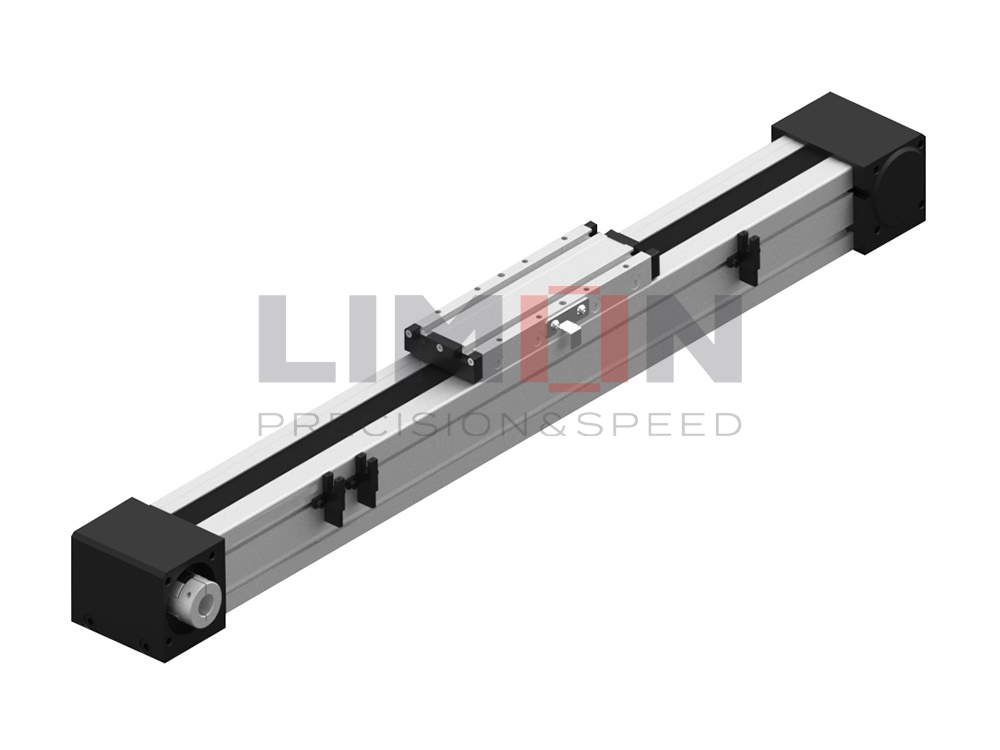
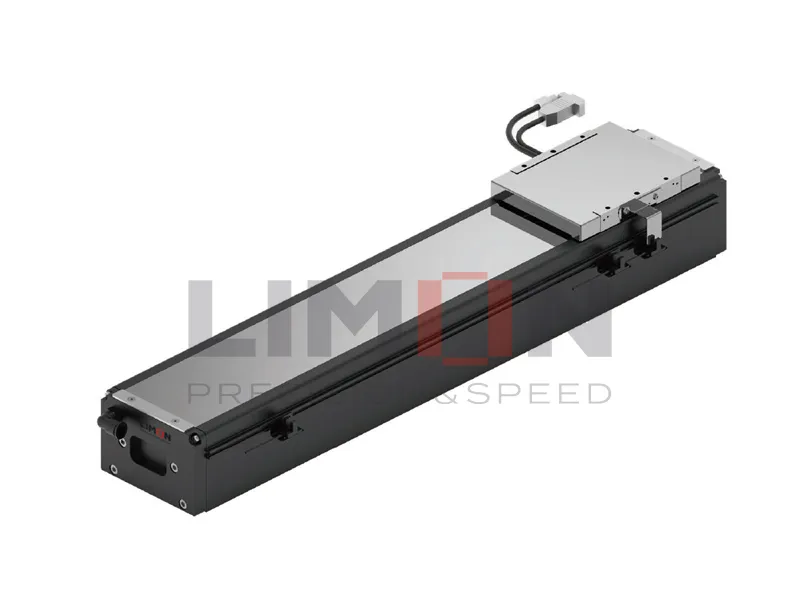
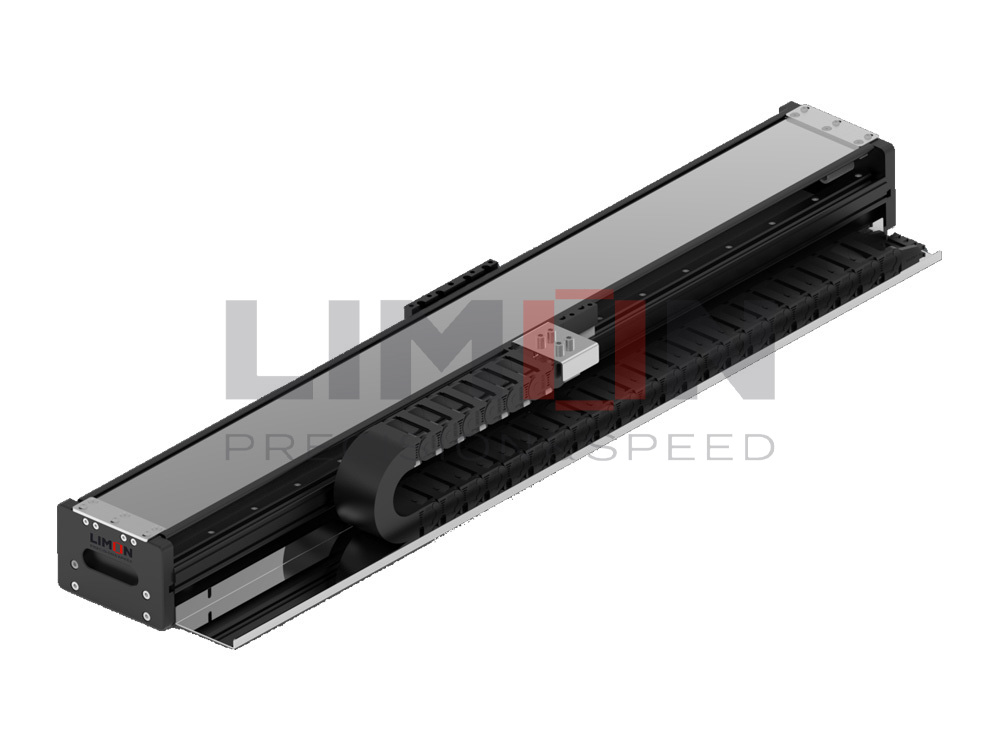
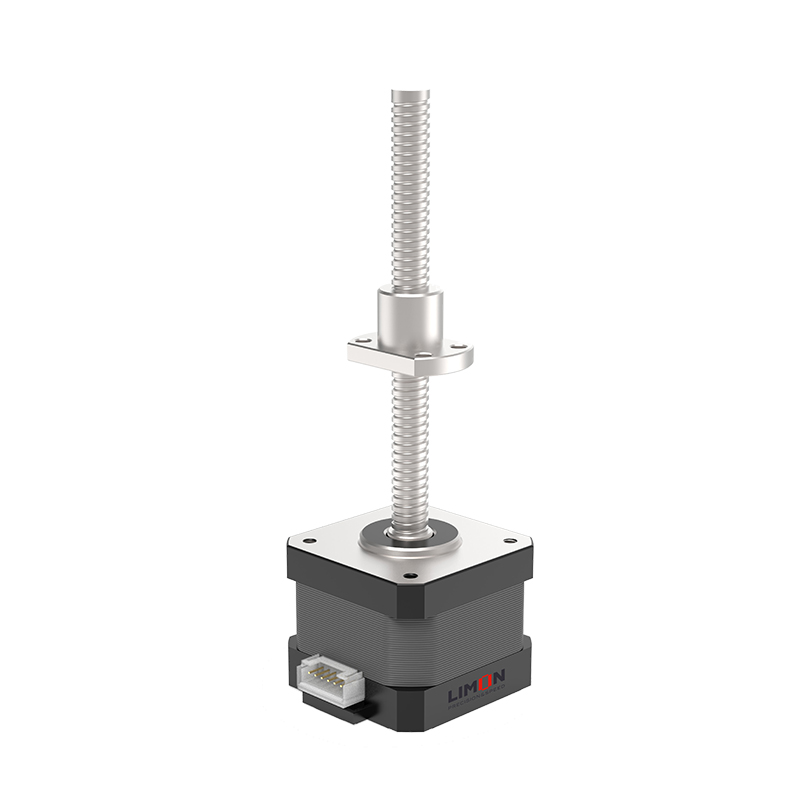
В основе своей параллельные захваты используют механизмы линейного перемещения для преобразования сигнала привода в плавное и контролируемое движение губок. В зависимости от конструкции это может включать:
- Шариковые винты или ходовые винты
- Линейные направляющие
- Привод с ременной передачей или пневматический привод
- Управление сервоприводом или электродвигателем
Высокоточные линейные подшипники, шариковые винты и направляющие системы играют ключевую роль в обеспечении низкого коэффициента трения, минимального люфта и длительного срока службы.
В компании «Limon» наши полностью интегрированные производственные линии позволяют нам изготавливать компоненты для линейных перемещений, которые обеспечивают жесткость, точность и повторяемость, необходимые для высокопроизводительных параллельных захватов.
Распространенные типы параллельных захватов
Различные задачи автоматизации требуют использования захватов различной конструкции. К наиболее распространенным типам параллельных захватов относятся:
- Пневматические параллельные захваты
- Быстрое время отклика
- Экономически эффективный
- Идеально подходит для простых задач высокоскоростной укладки деталей
- Электрические параллельные захваты
- Точное управление усилием и положением
- Простая интеграция с сервосистемами
- Идеально подходит для «умных» заводов и гибкой автоматизации
- Параллельные захваты с сервоприводом
- Высокая повторяемость и программируемость
- Идеально подходит для работы с хрупкими или разнообразными деталями
- Безупречная интеграция с передовыми системами управления движением
В каждой модели используются высококачественные компоненты линейного привода, обеспечивающие стабильную и повторяемую работу.
Применение параллельных захватов в промышленности
Благодаря своей универсальности параллельные захваты широко применяются в различных отраслях промышленности, в том числе:
- Автомобилестроение — сборка узлов, контроль качества
- Электроника — обработка печатных плат, установка микрокомпонентов
- Упаковка и логистика — сортировка, укладка на поддоны
- Медицинское оборудование — аккуратная и точная обработка деталей
- ЧПУ и станки — операции по загрузке и разгрузке
Во всех этих областях применения решающее значение имеет плавное линейное перемещение, поэтому качество направляющих, подшипников и приводов не менее важно, чем качество самого захвата.
Почему работа параллельных захватов зависит от точности линейного перемещения
Точность параллельного захвата зависит от точности системы привода, на которой он основан. Компоненты низкого качества могут привести к смещению, неравномерному износу, вибрации и снижению силы захвата.
Высокоэффективные решения для линейного перемещения обеспечивают:
- Плавное движение с низким коэффициентом трения
- Повышенная грузоподъемность
- Более длительные интервалы между техническими обслуживаниями
- Повышенная точность позиционирования
Компания Limon разрабатывает и производит линейные направляющие, шариковые винты, линейные валы и приводы, предназначенные для эксплуатации в сложных условиях автоматизации, что обеспечивает надежную работу параллельных захватов на протяжении миллионов циклов.
Как выбрать подходящий параллельный захват
При выборе параллельного захвата для вашей системы автоматизации следует учитывать следующее:
- Требования к полезной нагрузке и удерживающему усилию
- Длина хода и ход челюсти
- Требуемая точность и повторяемость
- Время цикла и коэффициент заполнения
- Интеграция с системами линейного перемещения и управления
Выбор подходящего захвата неразрывно связан с подбором соответствующих компонентов привода. Правильно скомпонованная система сокращает время простоя и повышает общую эффективность оборудования (OEE).
Будущее параллельных захватов в автоматизации
По мере дальнейшего развития «Промышленности 4.0» и «умного производства» параллельные захваты становятся:
- Более интеллектуальные и оснащенные встроенными датчиками
- Более компактный и энергоэффективный
- Более тесная интеграция с линейными приводами с сервоуправлением
Производители требуют решений, которые были бы не только точными, но и масштабируемыми и адаптируемыми. Эта тенденция приводит к тому, что всё большее внимание уделяется высококачественным, полностью интегрированным системам линейного перемещения — области, в которую компания Limon продолжает вкладывать средства и внедрять инновации.
Почему стоит выбрать компанию «Limon» для решений в области автоматизации на основе анализа движения?
Компания Limon не просто поставляет комплектующие — мы предлагаем комплексные решения в области приводов, ориентированные на высокую производительность.
Что отличает нас от других:
- Полностью интегрированный производственный процесс — от сырья до готовой продукции
- Надежные и высокопроизводительные компоненты для линейного перемещения
- Инженерная поддержка в области промышленной автоматизации
- Продукция, разработанная с учетом длительного срока службы и обеспечения точного управления
Независимо от того, создаете ли вы роботизированную систему с параллельными захватами или модернизируете существующую линию автоматизации, компания Limon предоставляет надежную основу для систем привода, которой можно доверять.
Заключительные размышления
Параллельный захват является важнейшим звеном, связывающим робототехнические системы с реальным миром. Его рабочие характеристики в значительной степени зависят от качества компонентов линейного перемещения, обеспечивающих его работу.
Благодаря сочетанию хорошо спроектированных параллельных захватов с прецизионными направляющими, подшипниками и приводами производители могут добиться более высокой точности, большей эффективности и долгосрочной надежности.
Если вы хотите оптимизировать свою систему автоматизации, компания Limon готова помочь вам двигаться вперед — точно, надежно и эффективно.