В современном мире автоматизации — от передовых обрабатывающих центров с ЧПУ в Огайо до интеллектуальных складских систем в Калифорнии — управление движением играет ключевую роль. Если вы когда-нибудь искали в интернете информацию о том, “что такое линейный привод”, то, скорее всего, вы занимаетесь проектированием или модернизацией системы, требующей точного и контролируемого прямолинейного перемещения.
Итак, давайте ответим на этот вопрос чётко и профессионально:
Что такое линейный привод?
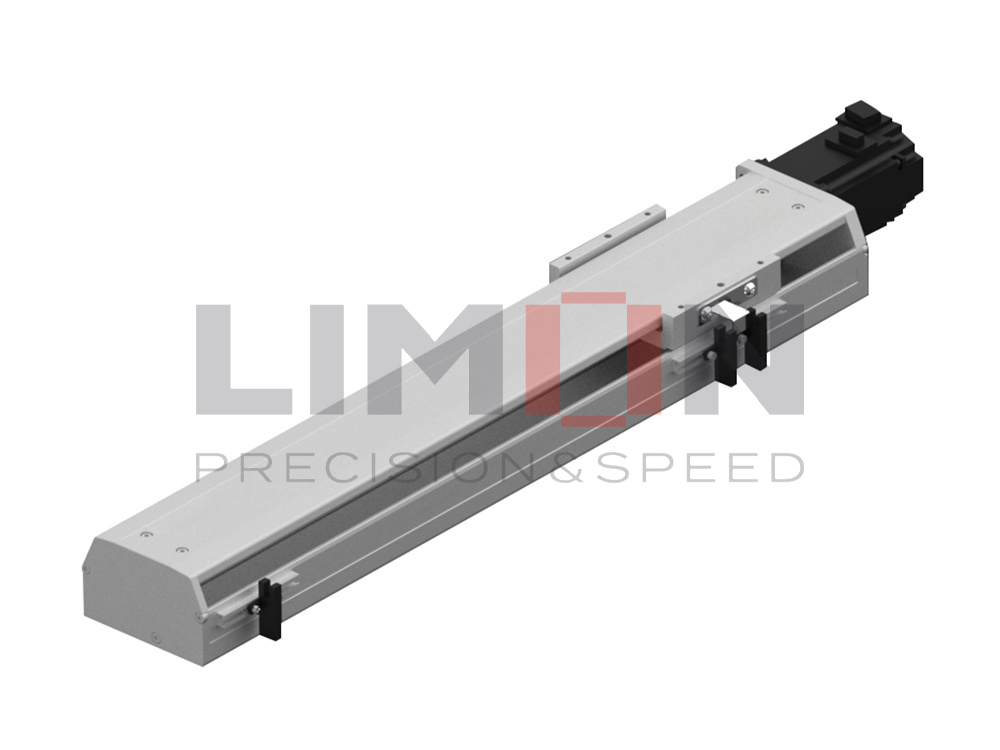
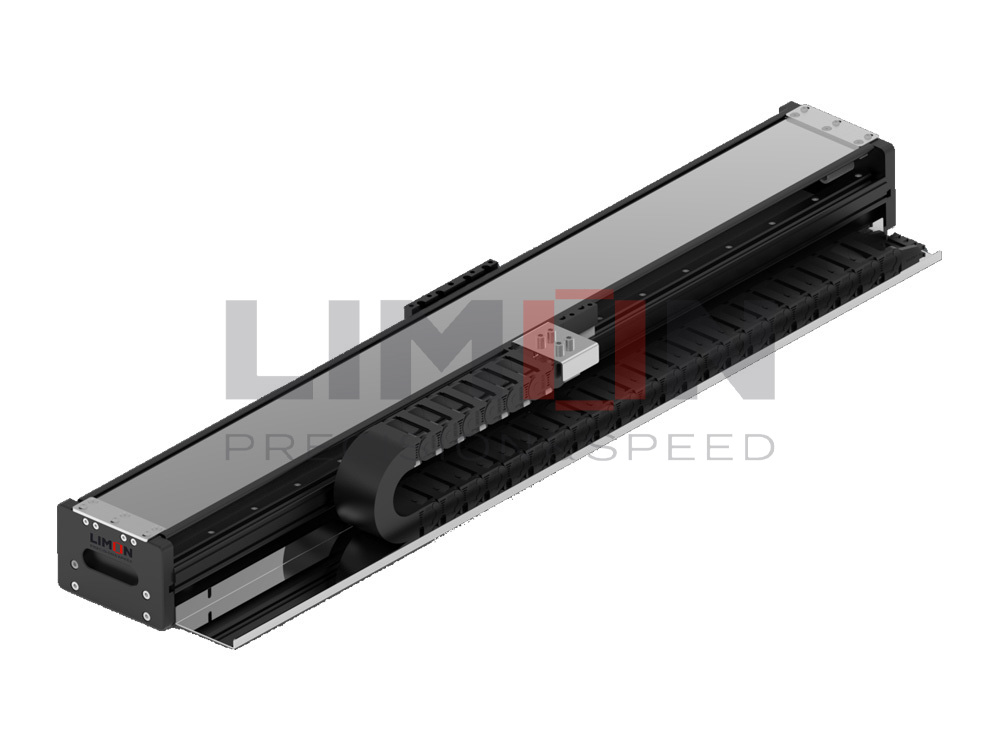
Линейный привод — это механическое устройство, преобразующее вращательное движение (как правило, от двигателя) в прямолинейное (линейное) движение. В отличие от традиционного вала двигателя, который вращается, линейный привод толкает или тянет по прямой траектории.
В поисковых запросах вы также можете встретить фразы “что такое линейный привод” или “что представляет собой линейный привод” — все они сводятся к одному и тому же основному вопросу: как машины обеспечивают управляемое линейное перемещение?
Линейные приводы являются основными компонентами в:
- Системы промышленной автоматизации
- Оборудование с ЧПУ
- Робототехника
- Упаковочное оборудование
- Медицинские приборы
- Регулируемые рабочие места
- Применение в аэрокосмической и оборонной отраслях
Без линейных приводов современная автоматизация просто не могла бы существовать.
Как работает линейный привод?
По сути, линейный привод преобразует вращательное движение в линейное перемещение. К наиболее распространённым механизмам относятся:
- Линейные приводы с шариковым винтом
Электродвигатель приводит в движение прецизионный шарико-винтовой механизм. При вращении винта шариковая гайка перемещается по его длине, обеспечивая высокоточное линейное перемещение. Такие механизмы идеально подходят для применения в условиях высоких нагрузок и высоких требований к точности.
- Приводы с винтовым приводом
Похожи на шариковые винты, но вместо качения шариков в них используется трение скольжения. Они отличаются экономичностью и подходят для небольших нагрузок.
- Линейные приводы с ременным приводом
Двигатель приводит в действие систему шкивов, соединенных ремнем, что обеспечивает высокоскоростное перемещение на большие расстояния.
- Линейные приводы штангового типа
Эти устройства, которые часто используются в системах с противодействующими силами, обеспечивают выдвижение и втягивание штока из корпуса.
В американских промышленных условиях, где надежность имеет решающее значение, из-за высоких требований к эксплуатационным характеристикам преобладают системы с шариковыми винтами и ременными приводами.
Что такое промышленные линейные приводы?
Когда клиенты спрашивают: “Что такое промышленные линейные приводы?”, они, как правило, имеют в виду высокопрочные приводы прецизионного изготовления, предназначенные для эксплуатации в сложных производственных условиях.
Промышленные линейные приводы отличаются от приводов бытового назначения по нескольким параметрам:
- Более высокая грузоподъёмность
- Более длительный срок службы
- Более высокая точность позиционирования
- Повышенная прочность
- Совместимость с системами автоматизированного управления
Данные приводы разработаны для непрерывной эксплуатации в следующих условиях:
- Автомобильные сборочные линии
- Производство полупроводников
- Аэрокосмическое производство
- Предприятия пищевой промышленности
- Логистика и центры выполнения заказов
В производственном секторе США простои обходятся дорого. Промышленные линейные приводы должны выдерживать миллионы циклов, сохраняя при этом точность.
Почему линейные приводы играют важную роль в современной автоматизации
Развитие «Промышленности 4.0», «умных» заводов и робототехники привело к резкому росту спроса на надёжные системы линейного перемещения.
Вот почему линейные приводы играют важную роль:
Точность
Современные системы с ЧПУ и робототехника требуют точности позиционирования на уровне микронов.
Повторяемость
Автоматизированные системы должны обеспечивать стабильные результаты на протяжении тысяч циклов.
Эффективность
Линейные приводы позволяют сократить потери энергии по сравнению с гидравлическими системами.
Безопасная эксплуатация
Электрические линейные приводы позволяют обойтись без гидравлических жидкостей — это важное преимущество в пищевой, фармацевтической и полупроводниковой отраслях.
По мере распространения автоматизации в Северной Америке компании всё чаще отдают предпочтение системам с электрическими линейными приводами благодаря их эффективности и низким требованиям к техническому обслуживанию.
Основные компоненты высокопроизводительного линейного привода
Если вы изучаете, что такое линейный привод, важно понимать, какие компоненты являются ключевыми:
Двигатель
Как правило, это серво- или шаговые двигатели, используемые в промышленных целях.
Приводной механизм
Шарико-винтовая передача, ходовой винт или ременная передача.
Система линейных направляющих
Часто опираются на линейные направляющие или штанги линейных направляющих для обеспечения стабильности.
Структура жилищного фонда
Алюминиевые или стальные профили, обеспечивающие жесткость конструкции.
Система управления
Интегрируется с ПЛК, сервоприводами или контроллерами движения.
Взаимодействие этих компонентов определяет производительность, скорость и долговечность.
Выбор подходящего линейного привода для вашей задачи
Выбор подходящего привода зависит не только от длины хода. Инженеры должны учитывать следующие факторы:
- Требования к нагрузке
Статическая нагрузка и динамическая грузоподъёмность.
- Скорость
Высокоскоростная установка компонентов? Или медленное прижимание с большим усилием?
- Точность
Оборудование с ЧПУ и медицинские приборы требуют более жестких допусков.
- Цикл работы
Непрерывная работа или периодическое использование?
- Условия окружающей среды
Пыль, влага, промывка или высокие температуры?
Для промышленных покупателей в США соблюдение стандартов качества и стабильность цепочек поставок также являются важнейшими факторами.
Тенденции в области линейных приводов, определяющие будущее
Отрасль линейных приводов стремительно развивается. Ниже приведены основные тенденции, влияющие на спрос:
- Интегрированные системы управления движением
Клиенты всё чаще ищут комплексные решения в области приводов, сочетающие линейные направляющие, шариковые винты и приводы от одного производителя.
- Интеграция интеллектуальной системы обратной связи
Датчики и энкодеры обеспечивают мониторинг в режиме реального времени для профилактического технического обслуживания.
- Компактные конструкции
Робототехника и совместная автоматизация требуют использования легких и компактных приводов.
- Энергоэффективность
Электрические линейные приводы продолжают вытеснять пневматические и гидравлические системы.
- Настройка
Производители оригинального оборудования (OEM) требуют конфигураций, адаптированных к конкретным задачам, для обеспечения оптимальной производительности.
Компании, которые инвестируют в вертикально интегрированное производство, имеют больше возможностей для обеспечения стабильного качества и сокращения сроков выполнения заказов.
Электрические, гидравлические и пневматические линейные приводы: сравнение
Отвечая на вопрос о том, что такое линейный привод, важно также уточнить, какие типы существуют:
| Тип | Преимущества | Ограничения |
| Электрический | Чистый, точный, программируемый | Более высокие первоначальные затраты |
| Гидравлический | Очень высокая развиваемая сила | Требующий большого объема технического обслуживания |
| Пневматический | Просто и быстро | Ограниченная точность |
На американских предприятиях, занимающихся автоматизацией, электрические приводы становятся предпочтительным решением в связи с требованиями к экологичности и точности.
Почему качество производства имеет значение
Не все приводы одинаковы.
Производительность зависит от:
- Точная обработка шариковых винтов
- Обработка поверхности и термическая обработка
- Интеграция высококачественных линейных направляющих
- Конструктивная жесткость
- Проверка качества
Полностью интегрированные производственные линии обеспечивают стабильность на каждом этапе — от обработки сырья до окончательной сборки.
Почему стоит выбрать компанию «Limon» в качестве поставщика линейных приводов?
Компания «Limon» занимается производством высокоэффективных изделий для линейного перемещения, в том числе:
- Линейные приводы
- Линейные направляющие
- Штанги линейных направляющих
- Шариковые винты
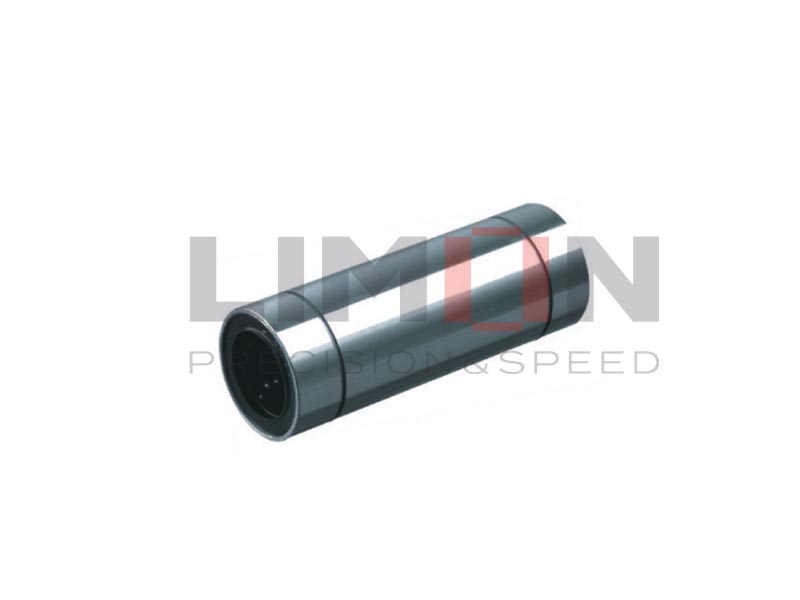
- Линейные подшипники
Наш вертикально интегрированный производственный процесс обеспечивает:
- Строгий контроль качества
- Надежная стабильность цепочки поставок
- Конкурентоспособные цены
- Индивидуальная инженерная поддержка
Мы разрабатываем решения промышленного уровня, предназначенные для реальных задач — от систем автоматизации производств в Техасе до интеграторов робототехники на Среднем Западе.
Независимо от того, интересуетесь ли вы, что такое линейный привод для нового проекта, или ищете высокоэффективное решение для серийного производства, наша команда готова предоставить вам техническую экспертизу и масштабируемые производственные возможности.
Заключительные мысли: Основа промышленного привода
Итак, что такое линейный привод?
Это незаменимое устройство, которое преобразует вращение двигателя в управляемое и точное линейное движение, что позволяет внедрять автоматизацию практически во всех современных отраслях промышленности.
От робототехники и обработки с ЧПУ до интеллектуальной логистики и медицинских технологий — линейные приводы становятся движущей силой инноваций в производстве нового поколения.
Если вы планируете очередное обновление системы автоматизации или реализацию проекта OEM, выбор подходящего поставщика приводов имеет такое же важное значение, как и выбор правильной конструкции.
Готовы модернизировать свою систему управления движением?
Ознакомьтесь с полным ассортиментом промышленных линейных приводов и комплексных решений для линейного перемещения компании Limon. Свяжитесь с нашей командой инженеров уже сегодня, чтобы получить квалифицированную консультацию и индивидуальную поддержку.
Ведь в современной автоматизации точность — это не роскошь, а необходимое условие.