Are unstable motion, positioning errors, or system delays caused by an inefficient control system in your linear automation setup?
A control system in linear motion automation manages and coordinates movement of actuators and motors to ensure accurate positioning, speed, and force control. Key types include servo system configurations and servo drive system architectures. In advanced automation, a linear actuator control system integrates feedback and motion control to achieve high precision and stability.
Below we explain system types, architecture, applications, and how to select the right control solution.
What Is a Control System in Linear Motion and Why Is It Critical?
A control system in linear motion automation is the brain of the entire mechanical system. It determines how actuators move, how fast they respond, and how accurately they reach target positions. Without a well-designed control system, even high-quality hardware such as linear guides or ball screws cannot perform effectively.
In industrial automation, a control system ensures synchronization between motors, sensors, and actuators. A properly designed servo system allows real-time feedback, ensuring that motion is corrected instantly when deviations occur. At Limon, control systems are integrated with mechanical design to ensure that motion components operate as a unified, high-performance system rather than isolated parts. This integration improves reliability, reduces tuning complexity, and enhances overall efficiency in demanding industrial environments.
How Does a Servo System Improve Motion Precision and Stability?
A servo system is one of the most important technologies in modern automation. It uses closed-loop feedback to continuously monitor position, speed, and torque, ensuring that motion remains accurate even under changing load conditions. This is especially critical in applications such as CNC machining, robotics, and semiconductor equipment.
Compared to open-loop systems, servo control significantly reduces errors caused by inertia, friction, or external disturbances. The system automatically compensates for deviations in real time. When paired with high-precision mechanical components, the result is extremely smooth and repeatable motion. Limon designs systems where servo integration is optimized with mechanical structures, ensuring stable performance across high-speed and high-load applications.
What Is a Servo Drive System and Why Is It the Core of Automation?
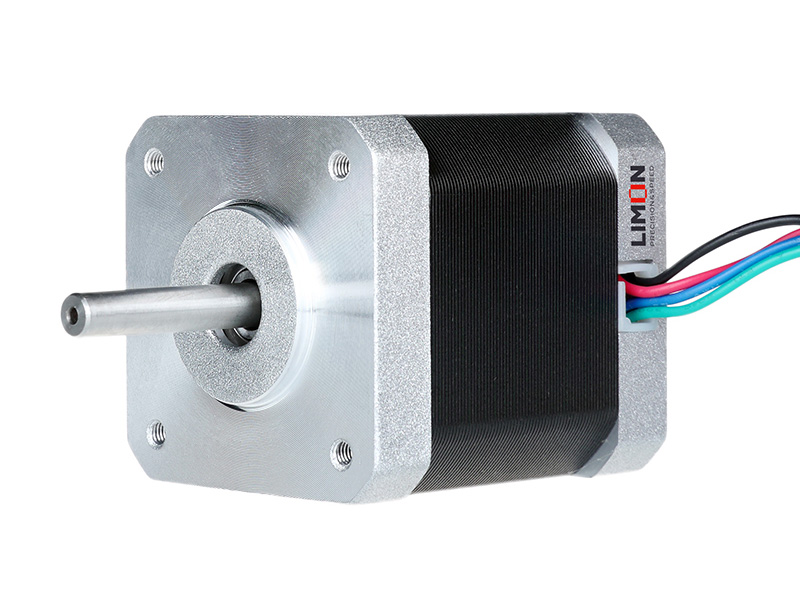
Сайт servo drive system acts as the power amplifier and intelligence layer between the controller and the motor. It interprets commands from the control unit and converts them into precise electrical signals that drive motion. Without a properly tuned servo drive, even the best motor or actuator cannot achieve optimal performance.
Servo drives are responsible for regulating speed, torque, and position, making them essential in precision automation. Advanced systems also include real-time diagnostics and adaptive tuning to improve efficiency. In industrial environments, improper drive configuration often leads to vibration, overheating, or reduced lifespan. At Limon, servo-driven solutions are engineered to match mechanical systems precisely, ensuring smooth integration and minimizing commissioning time for customers.
What Is a Linear Actuator Control System and How Does It Work?
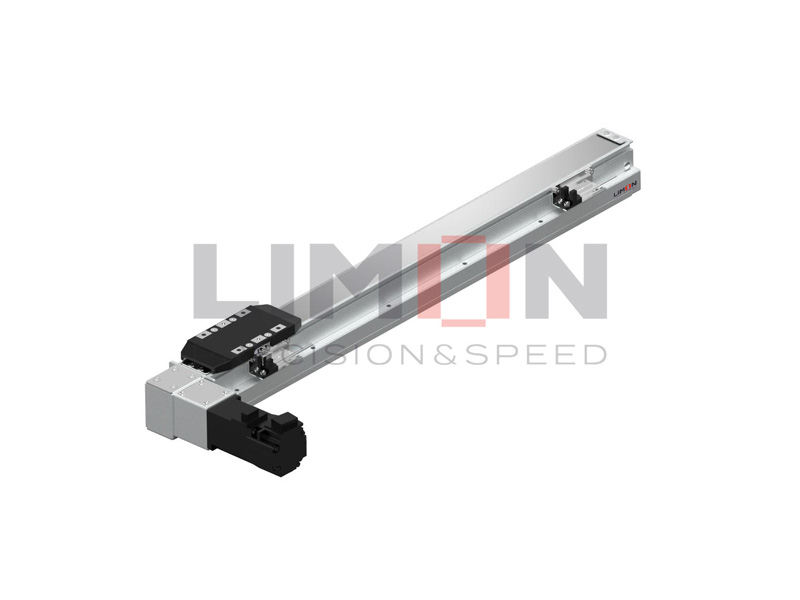
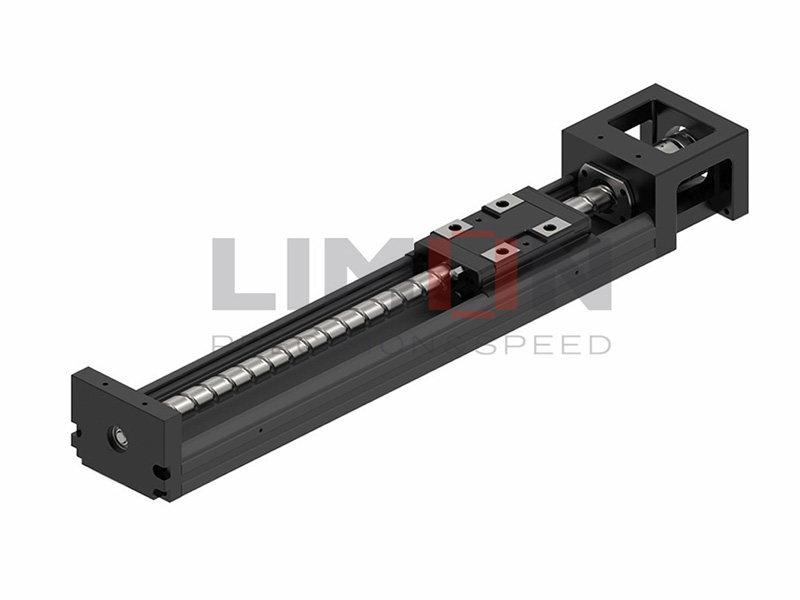
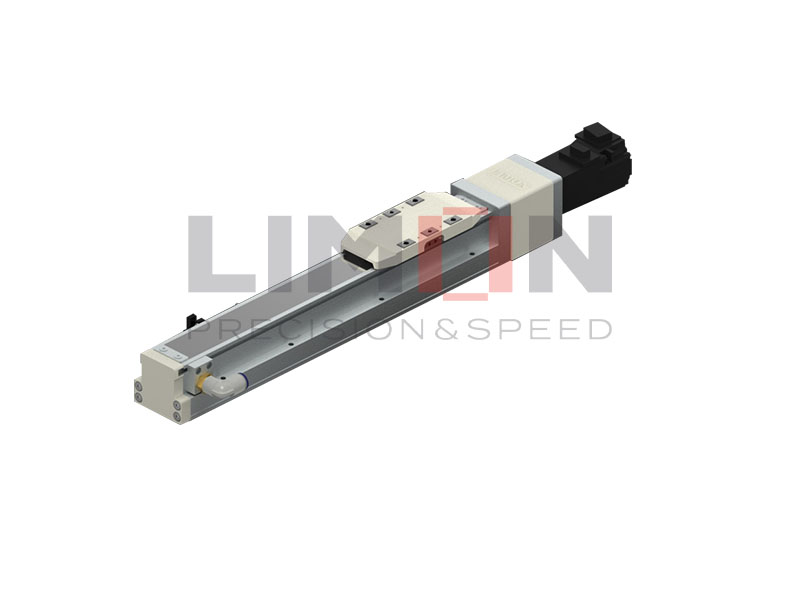
A linear actuator control system integrates mechanical actuators with electronic feedback and control algorithms to achieve precise linear motion. It combines sensors, controllers, and drive units to regulate movement along a straight axis with high accuracy.
This system is widely used in automated production lines, medical equipment, and precision positioning systems. It ensures smooth acceleration, controlled deceleration, and accurate stopping positions. Unlike traditional mechanical-only systems, it adapts dynamically to load changes and environmental conditions. Limon develops actuator systems where control architecture and mechanical design are co-optimized, improving both precision and durability in real-world industrial applications.
How Do Control Systems Impact Linear Motion Performance?
Control systems directly influence the performance of every linear motion application. Even small delays in signal processing or poor tuning can result in positioning errors, vibration, or unstable operation. In high-speed automation, these issues can lead to production inefficiencies or product defects.
A well-designed system ensures smooth coordination between motors, actuators, and feedback sensors. It also improves energy efficiency by optimizing acceleration and deceleration profiles. When properly integrated, the system reduces mechanical stress and extends equipment lifespan. At Limon, control system design is tightly integrated with mechanical engineering, ensuring that customers receive fully optimized motion solutions rather than standalone components.
Why Integration Between Control System and Mechanical Design Matters
In modern automation, performance is not determined by individual components but by system integration. A high-quality control system must be matched with equally precise mechanical structures such as linear guides, ball screws, and actuators. Without this synergy, system performance will always be limited.
Integrated design reduces tuning complexity, improves responsiveness, and minimizes downtime during installation. It also ensures better compatibility between hardware and software layers. Limon focuses on full-system manufacturing, meaning control logic and mechanical components are designed together from the start, ensuring optimal performance across all operating conditions.
How to Choose the Right Control System for Your Application
Selecting the right control system depends on multiple factors including load requirements, speed, precision, and environmental conditions. High-speed applications often require advanced servo systems with fast response times, while heavy-duty systems prioritize torque stability and thermal management.
Engineers must also consider integration complexity, maintenance needs, and long-term scalability. A poorly matched system can lead to inefficiency or frequent downtime. With engineering support and integrated production, Limon helps customers select the right combination of servo systems, drives, and actuator control architectures tailored to their specific industrial needs.
Заключение
A control system is the foundation of modern linear motion automation, determining accuracy, stability, and overall performance. From servo system architecture to advanced servo drive system technology and fully integrated linear actuator control system designs, it enables precise and efficient motion control.
With fully integrated manufacturing, engineering expertise, and direct supply capability, Limon delivers reliable, high-performance linear motion solutions designed to meet the demands of modern industrial automation.