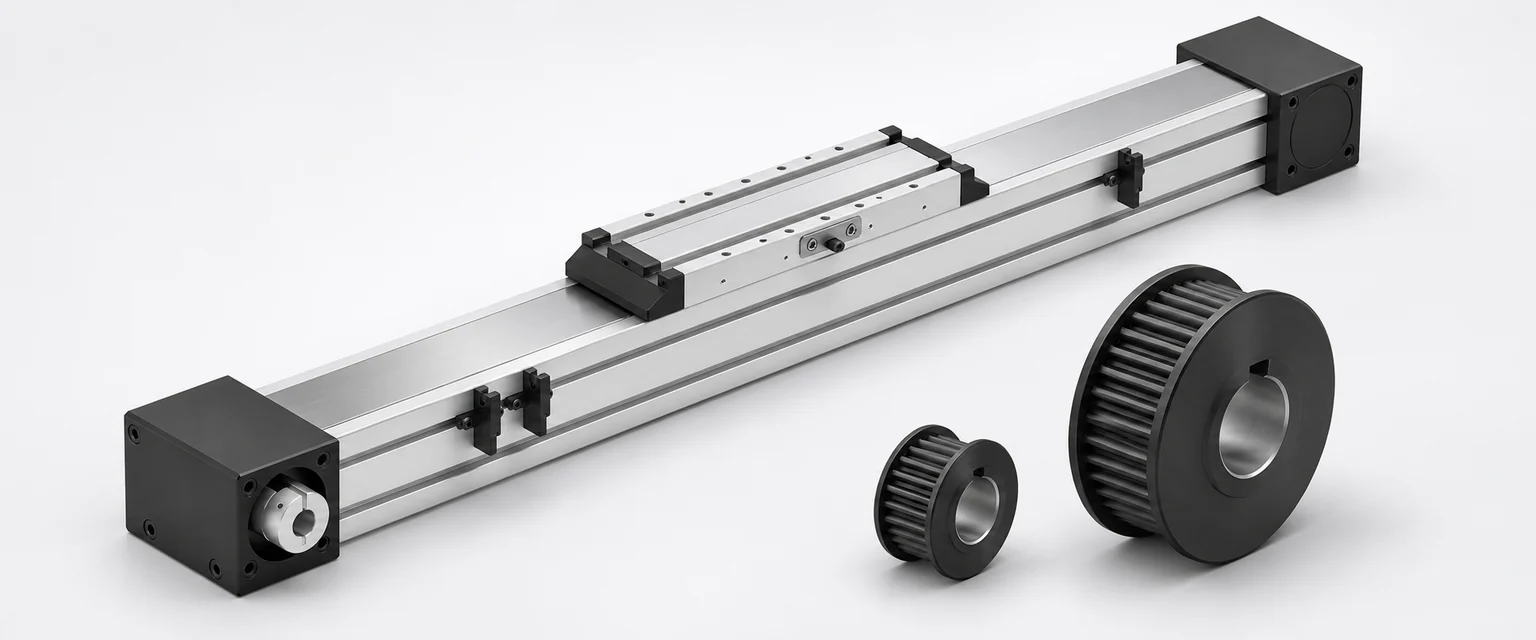
A larger drive pulley moves a timing belt farther per revolution. At the same shaft speed, that raises carriage speed. At the same shaft torque, there is less force available to drive the carriage. Use pitch diameter to calculate this tradeoff. The outer diameter across the teeth describes a different circle.
Start with travel per revolution
For a synchronous pulley with z teeth and a belt pitch p, the belt advances z × p per pulley revolution. The pitch diameter is that circumference divided by π. If a carriage attaches directly to a single moving belt span, its nominal travel equals the belt advance. Reeved or otherwise mechanically multiplied layouts need their own travel ratio. Gates' belt sizing guide uses tooth count and belt pitch to determine the pulley pitch diameter.
Use the speed and torque at the pulley shaft. If there is a reducer, carry its ratio and losses into those quantities first. Multiply travel per revolution by rpm and divide by 60 for speed per second. Divide pulley torque by the pitch radius in metres to find the ideal effective pull in newtons. This pull is the difference between the belt span tensions. It's distinct from the load the two tensions put on the pulley support.
Compare two pulleys on the same shaft
Compare two pulleys for a 5 mm pitch belt with the carriage attached directly. Assume 600 rpm and 3 N·m at the shaft in both cases.
| At the same shaft operating point | 20 teeth | 32 teeth |
|---|---|---|
| Travel per revolution | 100 mm | 160 mm |
| Pitch diameter | 31.8 mm | 50.9 mm |
| Nominal speed at 600 rpm | 1.00 m/s | 1.60 m/s |
| Ideal effective pull at 3 N·m | 188 N | 118 N |
| Nominal travel per command count at 10,000 counts per pulley revolution | 10 µm | 16 µm |
The last row is a scaling value. It won't predict how far the loaded carriage moves after one count. Belt stretch, transmission error and the feedback location still affect position. Compare both pulleys again at the same required carriage speed when selecting a motor. The 32-tooth pulley reaches 1 m/s at 375 rpm, while the 20-tooth pulley needs 600 rpm. Available motor torque may change across those points.
Check whether the belt and module can use the pulley
Use the belt maker's minimum pulley size and tooth engagement requirements, then check the maximum tension, allowable speed and shaft support. Bearing reactions depend on installed tension and operating geometry as well as drive pull. Using a smaller pulley for more force can also change belt length and wrap. Confirm the combination with the axis supplier before treating a pulley as a field substitution.
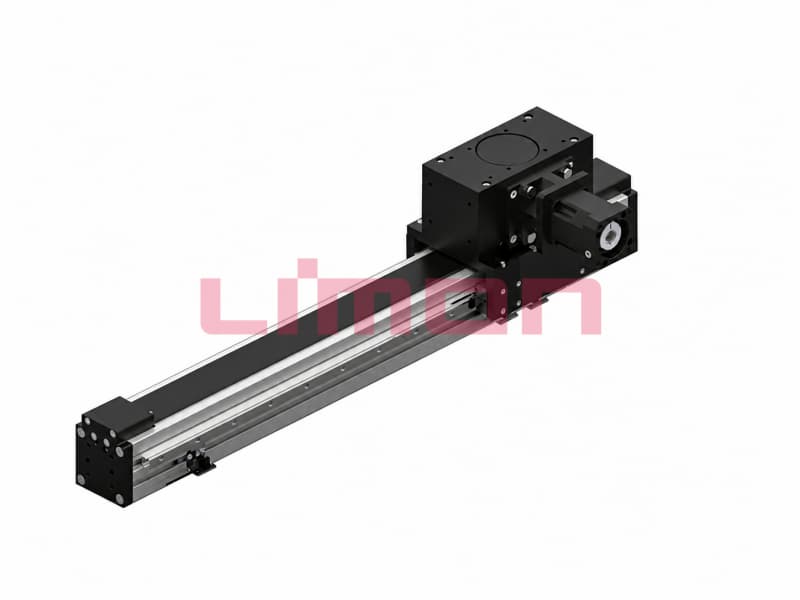
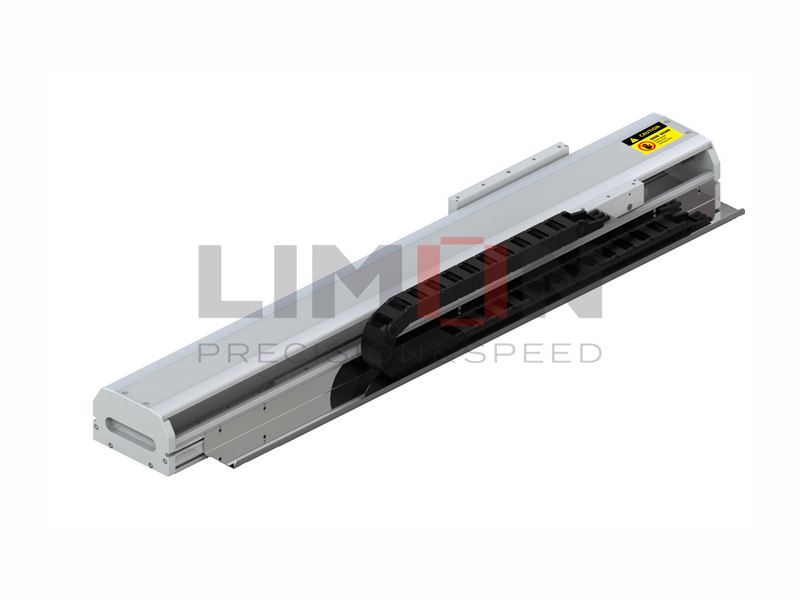
Check the installed tension again if the span geometry changes. The belt frequency guide shows why moving a tension value or a frequency setting between different spans gives misleading results. For an enclosed module such as the LIMON ITC80, work from the supplier's documented transmission data for that configuration.
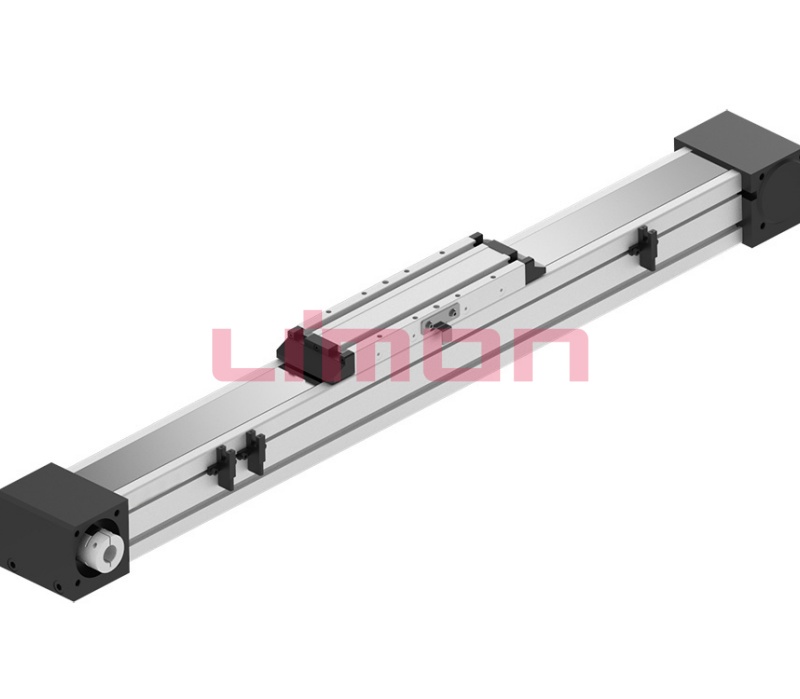
When specifying a ось зубчатого ремня, send the required speed and acceleration, moving load, effective stroke and motor or gearbox details with your запрос о применении. Ask for the proposed travel per revolution, force at the required speed and belt configuration on the same quote.