From CNC machining centers in Ohio to advanced robotics labs in Silicon Valley, motion is the foundation of modern industry. Every automated system depends on one of two fundamental mechanical movements — linear and rotary motion.
Understanding the difference between linear and rotary motion, and how they work together, is essential for engineers, OEM manufacturers, and automation designers looking to build high-performance systems.
In this comprehensive guide, we’ll explore:
- What linear and rotary motion are
- How rotary and linear motion interact in industrial systems
- Real-world applications across U.S. manufacturing
- Key components that convert and control motion
- Future trends shaping motion technology
- How choosing the right motion partner impacts system reliability
If you’re designing equipment or upgrading automation systems, this guide will help you make informed decisions that improve performance and long-term ROI.
What Is Linear and Rotary Motion?
At the most basic level, motion in mechanical systems falls into two categories:
Linear Motion
Linear motion is movement along a straight path. It can move forward and backward along a single axis.
Примеры:
- CNC machine table travel
- Robotic arm extension
- Automated packaging pusher mechanisms
- Adjustable hospital beds
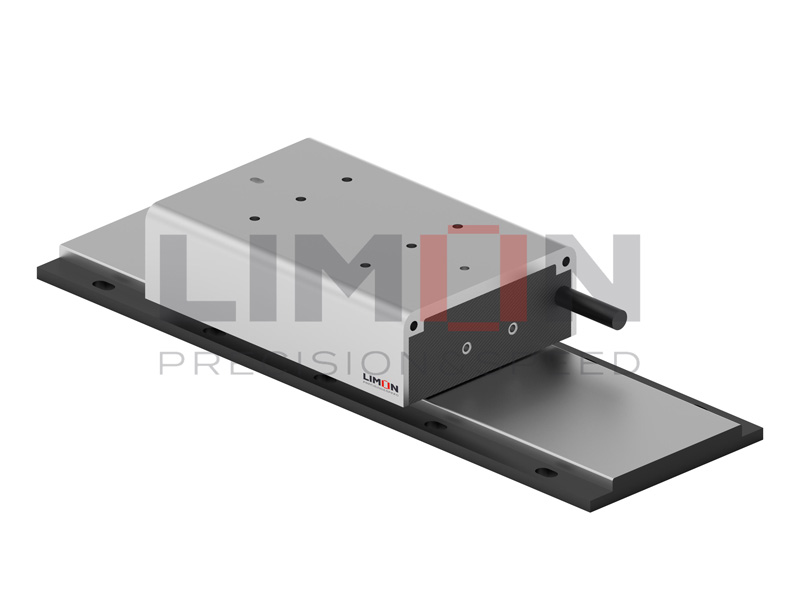
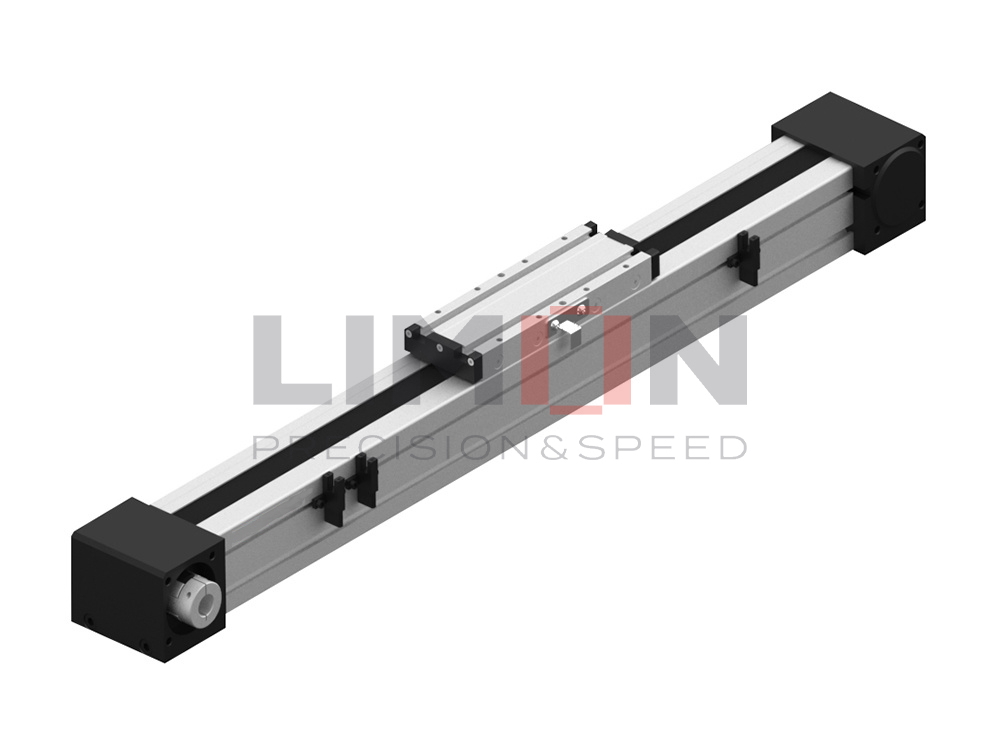
Linear motion is typically achieved using:
- Шариковые винты
- Lead screws
- Линейные приводы
- Линейные направляющие
- Linear guide rods
Rotary Motion
Rotary motion is circular movement around a fixed axis.
Примеры:
- Electric motor shafts
- Conveyor rollers
- Drill spindles
- Robotic joint rotation
Rotary motion is produced by:
- Electric motors
- Gear systems
- Поворотные приводы
- Подшипники
Understanding how linear and rotary motion differ is critical — but even more important is understanding how they work together.
How Rotary and Linear Motion Work Together
In most industrial applications, systems rely on converting rotary and linear motion back and forth.
Например:
- A servo motor produces rotary motion.
- A ball screw converts that rotary motion into linear motion.
- The linear motion moves a load precisely along a guided axis.
This conversion process is the backbone of modern automation.
In American manufacturing facilities, especially in automotive and aerospace sectors, precision motion conversion directly impacts product quality and production speed.
The Physics Behind Linear and Rotary Motion
Understanding the physics helps engineers optimize performance.
Rotary Motion Principles
- Measured in RPM (revolutions per minute)
- Generates torque
- Creates angular displacement
Linear Motion Principles
- Measured in inches or millimeters of travel
- Generates thrust force
- Creates straight-line displacement
Шариковые винты, rack-and-pinion systems, and belt drives act as translators between rotary and linear motion.
Efficiency in this conversion determines:
- Energy consumption
- Heat generation
- Wear rates
- System longevity
High-precision manufacturing ensures minimal energy loss during conversion.
Key Components That Control Linear and Rotary Motion
Modern industrial systems rely on carefully engineered components to manage motion.
- Шариковые винты
Convert rotary motor motion into precise linear movement with high efficiency and minimal backlash.
- Linear Actuators
Self-contained systems that integrate motor and drive mechanism for controlled linear motion.
- Linear Guide Rails and Rods
Provide structural support and alignment for linear movement.
- Rotary Bearings
Support rotational shafts while minimizing friction.
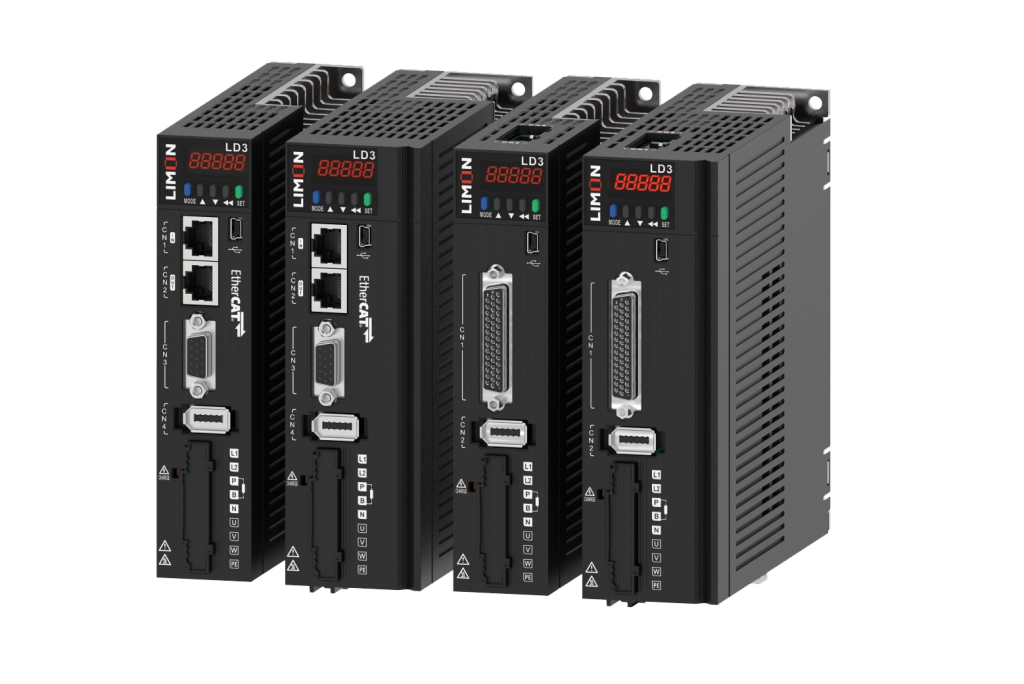
- Серводвигатели
Deliver controlled rotary motion with high torque and precision.
When these components are manufactured with strict tolerances, the transition between linear and rotary motion becomes seamless and reliable.
Industrial Applications of Linear and Rotary Motion
Across the United States, nearly every advanced production facility relies on coordinated motion systems.
Обработка с ЧПУ
Rotary spindle motion cuts material while linear axes position the tool.
Робототехника
Rotary joints control articulation; linear actuators extend reach.
Packaging Automation
Rotary motors drive conveyors; linear systems perform precise product placement.
Производство полупроводников
Micron-level linear positioning combined with precise rotary alignment.
Автоматизация склада
Rotary rollers transport goods while linear lifts move inventory vertically.
These systems depend on synchronized rotary and linear motion to achieve speed and precision.
Choosing the Right Motion System
Selecting components requires balancing several factors:
Требования к нагрузке
Is the system primarily rotational torque or linear thrust?
Precision Needs
High-end CNC equipment demands minimal backlash.
Требования к скорости
Packaging systems often prioritize rapid rotary cycles.
Условия окружающей среды
Dust, humidity, and temperature affect material selection.
Цикл работы
Continuous 24/7 production requires durable, heat-treated components.
For OEMs and system integrators, the right motion design reduces downtime and improves throughput.
Future Trends in Linear and Rotary Motion
American manufacturing is evolving rapidly under Industry 4.0 principles. Motion systems are adapting accordingly.
- Smart Motion Systems
Integrated sensors monitor torque, thrust, and alignment in real time.
- Higher Energy Efficiency
Advanced ball screw designs reduce friction losses.
- Compact Modular Solutions
Pre-engineered linear modules simplify installation.
- Increased Automation Precision
Semiconductor and aerospace industries demand tighter tolerances than ever before.
- Integrated Motion Platforms
Manufacturers are seeking suppliers who provide both rotary and linear motion solutions under one roof.
Companies with vertically integrated production capabilities are best positioned to meet these demands.
Why Manufacturing Quality Matters
Precision in both rotary and linear components directly impacts system performance.
Critical quality factors include:
- Material hardness and consistency
- Прецизионное шлифование
- Surface finishing quality
- Heat treatment accuracy
- Dimensional tolerances
- Alignment consistency
Even minor inconsistencies can cause:
- Вибрация
- Excessive wear
- Reduced efficiency
- Преждевременный отказ системы
Fully integrated production ensures quality control at every stage — from raw material processing to final inspection.
Linear and Rotary Motion: Cost vs Performance
In many U.S. industries, engineers must balance cost efficiency with performance reliability.
Low-cost components may seem attractive initially, but they often lead to:
- Increased maintenance
- Reduced lifespan
- Низкая эффективность
- Higher total cost of ownership
Investing in high-quality motion components delivers long-term ROI.
Why Choose Limon for Linear and Rotary Motion Solutions?
На сайте Лимон, we specialize in high-performance motion components including:
- Линейные направляющие
- Linear guide rods
- Шариковые винты
- Линейные приводы
- Линейные подшипники
Our fully integrated production line allows us to control:
- Raw material sourcing
- Precision machining
- Surface treatment
- Assembly accuracy
- Проверка качества
We provide reliable solutions for:
- Оборудование с ЧПУ
- Робототехника
- Packaging automation
- Industrial manufacturing systems
By offering precision-engineered products, we ensure seamless coordination between linear and rotary motion components.
Final Thoughts: Motion Drives Innovation
Every modern machine relies on controlled motion. Whether it’s a rotating motor shaft or a precisely guided linear axis, understanding linear and rotary motion is essential for building efficient, reliable automation systems.
As American manufacturing continues advancing toward smarter, more connected factories, the demand for precision motion components will only increase.
If you’re designing a new system or upgrading existing equipment, choosing the right motion partner can make all the difference.