From aerospace components built in Washington State to custom automotive parts machined in Michigan, CNC (Computer Numerical Control) technology remains the backbone of advanced U.S. manufacturing.
But behind every high-performing CNC machine lies something even more critical:
Precision linear motion systems.
If you’re building, upgrading, or sourcing components for CNC equipment, understanding how motion components like ball screw CNC systems, linear guide rail CNC assemblies, and linear actuator CNC solutions work together is essential for long-term success.
In this comprehensive guide, we’ll cover:
- What CNC is and how it works
- Why motion control defines CNC performance
- The role of ball screw CNC systems
- How linear guide rail CNC assemblies improve precision
- When linear actuator CNC systems are used
- Future CNC trends shaping American manufacturing
What Is CNC?
CNC stands for Computer Numerical Control. It’s a manufacturing process in which pre-programmed computer software controls machine tool movement.
Instead of manual operation, CNC machines rely on:
- Digital design files (CAD)
- Programmed instructions (G-code)
- Automated motion control systems
These machines can produce highly precise parts with repeatable accuracy—often within microns.
In the United States, CNC technology drives industries such as:
- Аэрокосмическая промышленность
- Автомобили
- Медицинские приборы
- Defense
- Электроника
- Energy equipment
But no CNC system can outperform its motion platform.
Why Motion Control Defines CNC Performance
When customers evaluate CNC equipment, they often focus on spindle power or software capability.
However, real machining precision depends heavily on:
- Шариковые винты
- Линейные направляющие
- Actuation systems
- Servo control integration
Without high-quality linear motion components, even the best CNC controller cannot deliver consistent accuracy.
The Role of Ball Screw CNC Systems
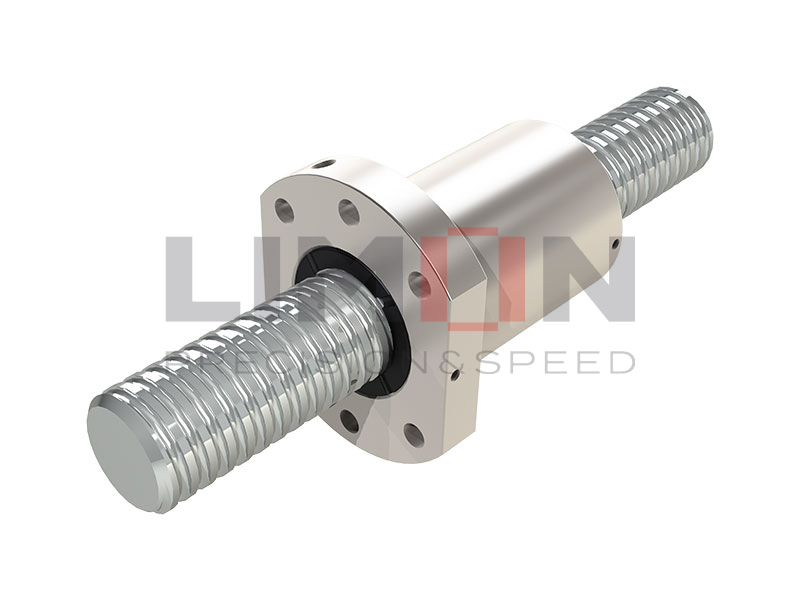
A ball screw CNC system converts rotary motor motion into precise linear travel along the machine axis.
Unlike traditional lead screws, шариковые винты use recirculating ball bearings, which significantly reduce friction and increase efficiency—often above 90%.
Why Ball Screw CNC Systems Are Critical
A properly engineered ballscrew CNC setup provides:
- Высокая точность позиционирования
- Минимальный люфт
- Плавное движение
- Отличная повторяемость
- Длительный срок службы
In CNC milling machines, lathes, and machining centers, ball screws drive the X, Y, and Z axes. Any deviation in motion directly affects part quality.
In industries like aerospace or medical manufacturing, even minor positioning errors can result in costly scrap.
Linear Guide Rail CNC: The Backbone of Stability
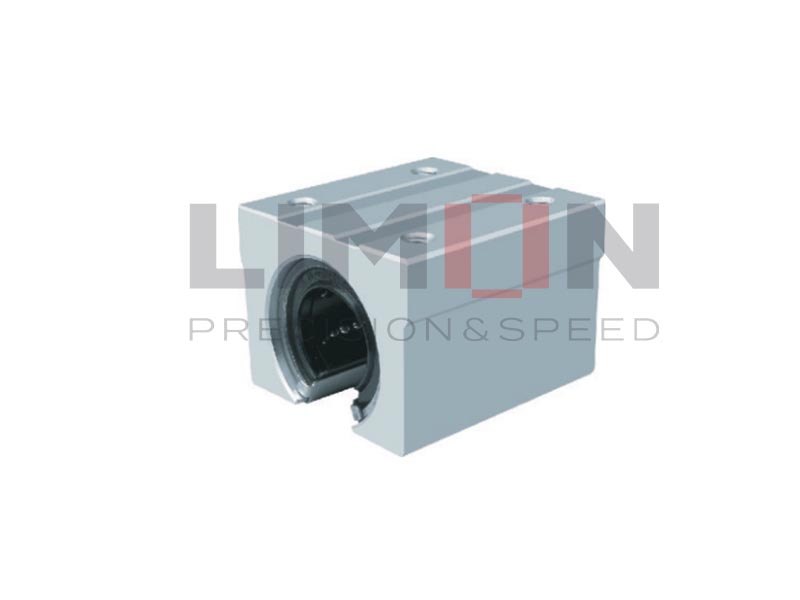
While the ball screw drives movement, the linear guide rail CNC system controls direction and rigidity.
Linear guide rails:
- Support machine loads
- Maintain alignment
- Reduce vibration
- Ensure smooth sliding motion
A high-quality linear guide rail CNC assembly ensures that the cutting tool remains stable during high-speed machining.
In heavy-duty machining environments—such as metal fabrication facilities in Ohio or Texas—rigidity directly impacts:
- Surface finish quality
- Tool life
- Machining speed
- Overall productivity
Without stable guidance, precision machining becomes impossible.
Linear Actuator CNC: Expanding Automation Capabilities
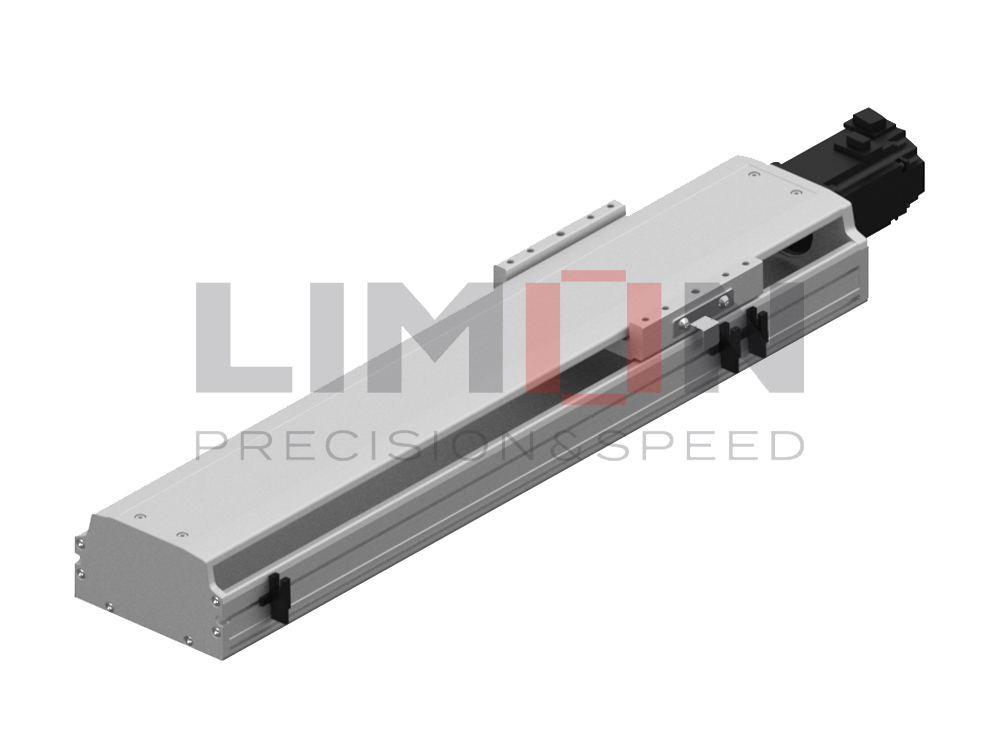
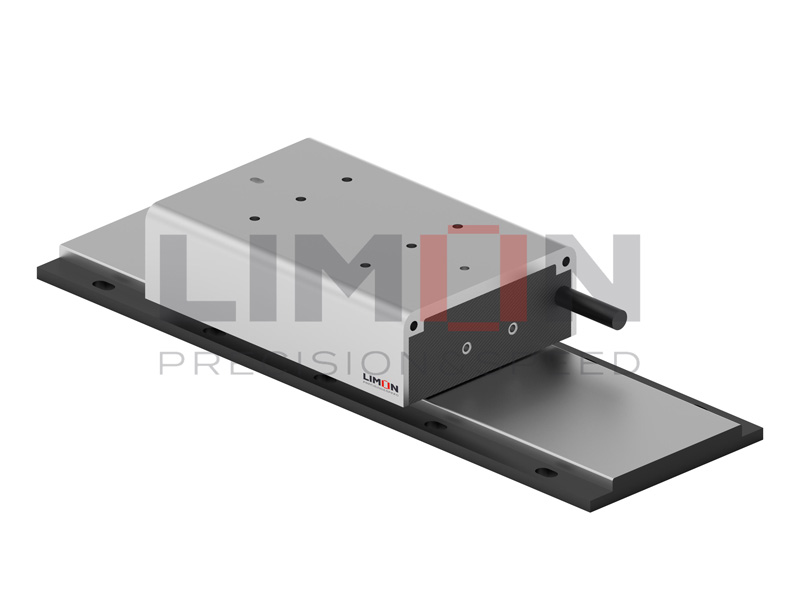
Although traditional CNC machines rely heavily on шариковые винты, modern systems increasingly integrate linear actuator CNC solutions.
A linear actuator CNC configuration is often used in:
- Automated tool changers
- Material loading systems
- Auxiliary positioning mechanisms
- Custom CNC automation platforms
Electric linear actuators offer:
- Компактный дизайн
- Безопасная эксплуатация
- Easy integration with servo systems
- Programmable motion control
As American manufacturers push toward Industry 4.0, linear actuators are becoming a key part of CNC automation ecosystems.
Ball Screw CNC vs. Belt-Driven CNC Systems
In entry-level hobby CNC machines, belt-driven systems are sometimes used to reduce cost.
However, industrial-grade equipment typically uses ball screw CNC designs due to:
- Higher stiffness
- Better load capacity
- Superior accuracy
- Reduced long-term wear
Professional machine shops across the United States overwhelmingly rely on ballscrew CNC systems for precision production.
When uptime and accuracy determine profitability, ball screws are the standard.
How Linear Guide Rail CNC Systems Improve Machine Longevity
Durability matters in high-production environments.
A precision linear guide rail CNC assembly provides:
- Равномерное распределение нагрузки
- Снижение трения
- Enhanced shock absorption
- Более длительный срок службы
When paired with properly aligned шариковые винты, the system maintains accuracy across millions of cycles.
For American manufacturers operating 24/7 production schedules, reliability is a competitive advantage.
Key Industries Powered by CNC Motion Systems
CNC machines equipped with advanced ball screw CNC and linear guide rail CNC systems are widely used in:
Aerospace Manufacturing
Tight tolerances and complex geometries require ultra-precise motion control.
Automotive Production
High-speed machining of engine blocks and structural components depends on stable axis movement.
Производство медицинского оборудования
Micron-level precision ensures surgical tools and implants meet regulatory standards.
Energy and Oil & Gas Equipment
Large, heavy-duty parts require rigid and durable ballscrew CNC systems capable of handling substantial loads.
Engineering Considerations for CNC Motion Components
When designing or upgrading CNC systems, consider:
- Грузоподъемность
Сайт шариковый винт и линейная направляющая must handle cutting forces without deformation.
- Класс точности
High-end machining centers require tighter tolerance шариковые винты.
- Thermal Stability
Heat expansion can affect positioning accuracy. Precision manufacturing minimizes these effects.
- Смазка и техническое обслуживание
Proper lubrication extends service life and ensures smooth motion.
The Future of CNC in the United States
CNC technology continues evolving, driven by automation and digital transformation.
К ключевым тенденциям относятся:
Smart CNC Systems
Integrated sensors monitor performance and predict maintenance needs.
Multi-Axis High-Speed Machining
5-axis and 6-axis CNC machines require even more precise motion control.
Modular CNC Automation
Manufacturers are integrating linear actuator CNC solutions for automated loading, unloading, and inspection.
Increased Demand for Custom Motion Solutions
OEMs increasingly require tailored ball screw CNC and linear guide rail CNC assemblies to fit specialized equipment.
Why Motion Component Quality Matters
The true performance of any CNC machine depends on the quality of its motion components.
Precision manufacturing ensures:
- Accurate ball screw grinding
- Tight rail tolerances
- Контролируемая термообработка
- Consistent assembly standards
Когда шариковые винты и линейные направляющие are engineered together, system alignment improves, vibration decreases, and machine lifespan extends.
For American manufacturers competing globally, this consistency is crucial.
Final Thoughts: CNC Precision Starts with the Right Motion System
CNC machines are the engines of modern industry—but motion systems are their foundation.
High-quality ball screw CNC assemblies, rigid linear guide rail CNC systems, and integrated linear actuator CNC solutions together determine:
- Machine accuracy
- Production speed
- Surface finish quality
- Maintenance costs
- Долгосрочная рентабельность инвестиций
In today’s competitive manufacturing environment, precision is not optional—it’s strategic.