В современной американской промышленности одной только скорости недостаточно. Точность, повторяемость и интеллектуальная автоматизация — вот что отличает лидеров отрасли от остальных. Независимо от того, занимаетесь ли вы производством оборудования с ЧПУ в Индиане, робототехнических систем в Калифорнии или медицинского оборудования в Северной Каролине, в основе передовых систем управления движением лежит одна технология:
Система сервоуправления.
Современные системы сервоуправления — это «мозг», обеспечивающий точное линейное перемещение. Они гарантируют, что ваша шариковые винты, линейные направляющие, а приводы перемещаются именно туда, куда — и так, как — вам нужно.
В этом руководстве мы подробно рассмотрим:
- Что такое система сервоуправления
- Как работают системы сервоуправления
- Почему они играют важную роль в платформах линейного перемещения
- Основные области промышленного применения в США.
- Будущие тенденции, определяющие развитие автоматизации следующего поколения
Что такое система сервоуправления?
Система сервоуправления — это система управления движением с замкнутым контуром, которая с высокой точностью регулирует положение, скорость и крутящий момент с помощью обратной связи в режиме реального времени.
В отличие от простых систем с открытым контуром, сервосистемы постоянно отслеживают движение и мгновенно корректируют отклонения.
Основные компоненты систем сервоуправления
Типичная система сервоуправления включает в себя:
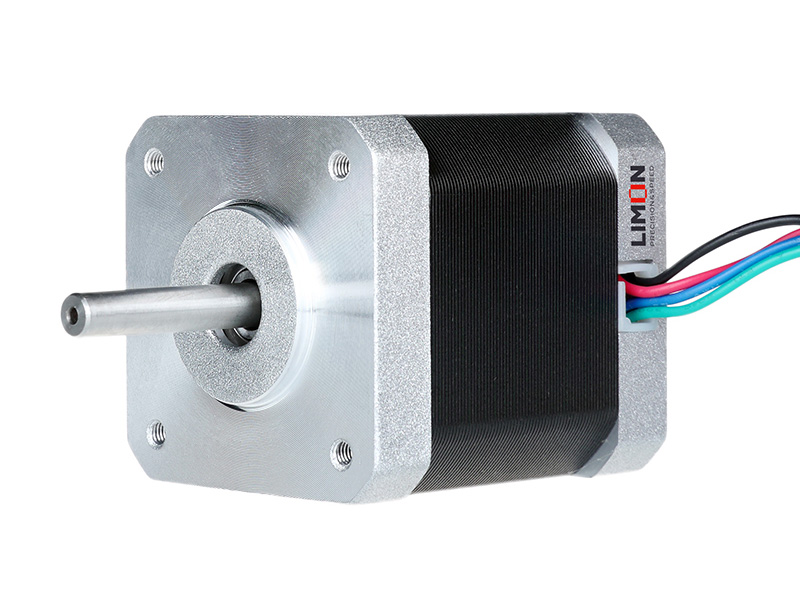
- Сервомотор — обеспечивает управляемое вращательное движение.
- Сервопривод (контроллер) — интерпретирует команды и регулирует мощность.
- Устройство обратной связи (энкодер/резольвер) — контролирует положение и скорость.
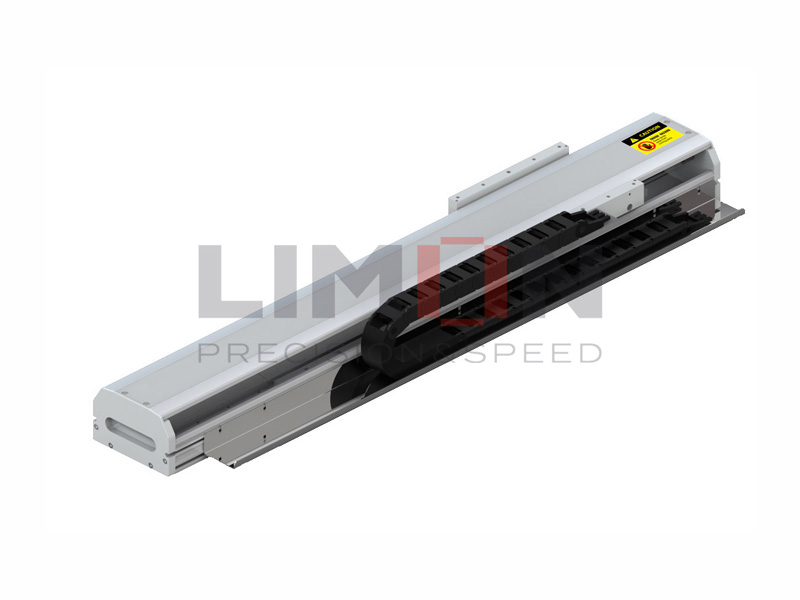
- Механическая передача — например, шарико-винтовой механизм или линейный привод.
При интеграции с высокоточными компонентами системы перемещения, такими как шариковые винты и линейные направляющие, системы сервоуправления обеспечивают высокоточное линейное позиционирование.
Как работает система сервоуправления
Понимание принципов работы систем сервоуправления помогает объяснить их важность в высокопроизводительной автоматизации.
Пошаговая инструкция:
- Командный сигнал (координаты, скорость или крутящий момент) поступает от ПЛК или контроллера движения.
- Сервопривод обеспечивает соответствующее питание двигателя.
- Двигатель вращается и приводит в действие механическую систему (например, шарико-винтовую пару).
- Датчик передает информацию в режиме реального времени на контроллер.
- Контроллер сравнивает фактическое движение с заданным.
- В случае отклонений корректировки вносятся незамедлительно.
Этот процесс с замкнутым циклом обеспечивает:
- Точность на уровне микронов
- Плавное ускорение и замедление
- Минимальный перерегулирование
- Стабильная работа на высоких скоростях
В отраслях, где точность равнозначна прибыльности, такой уровень контроля имеет решающее значение.
Почему системы сервоуправления играют важную роль в системах линейного перемещения
Сервосистемы становятся ещё более мощными в сочетании с высокоточными компонентами линейного перемещения.
Например:
- Шарико-винтовая пара преобразует вращательное движение в линейное перемещение.
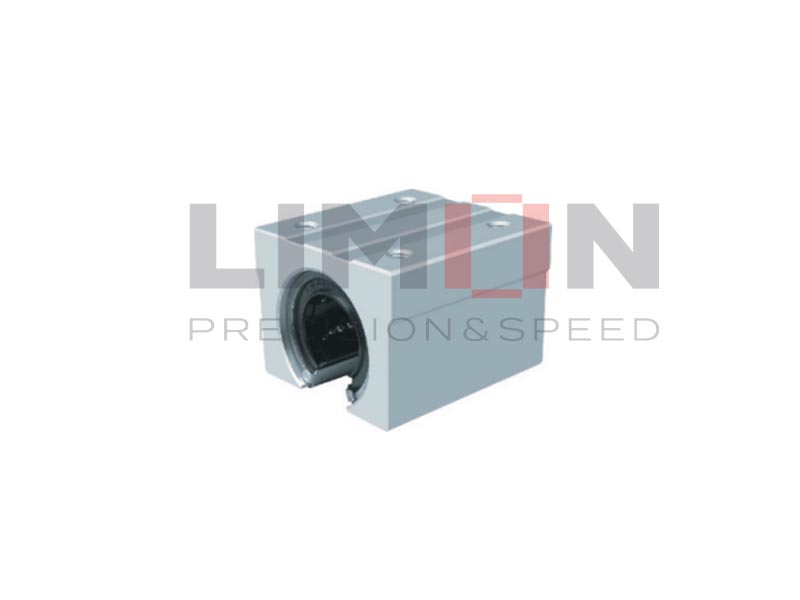
- Линейная направляющая обеспечивает плавное и стабильное перемещение.
- Система сервоуправления регулирует положение и скорость.
Вместе они образуют высокопроизводительную платформу движения.
Преимущества систем сервоуправления в линейных механизмах
- Высочайшая точность позиционирования
В области обработки с ЧПУ, производства инструментов для аэрокосмической отрасли и производства полупроводников погрешности позиционирования не должны превышать микроны.
Системы сервоуправления устраняют накопительный дрейф позиционирования и погрешности, связанные с люфтом.
- Высокоскоростная автоматизация
Современные производственные линии в США требуют сокращения времени цикла. Системы с сервоприводом позволяют:
- Быстрое ускорение
- Плавная тормозность
- Точные точки остановки
Это позволяет повысить пропускную способность без ущерба для качества.
- Энергоэффективность
По сравнению с традиционными гидравлическими системами электрические системы с сервоприводом:
- Потребляйте энергию только во время движения
- Выделять меньше тепла
- Требуют меньшего объема технического обслуживания
Энергоэффективность напрямую способствует сокращению эксплуатационных расходов, что имеет решающее значение в современных условиях жесткой конкуренции в промышленности.
Где применяются системы сервоуправления
По всей территории Соединённых Штатов системы сервоуправления находят применение в самых разных отраслях промышленности.
Оборудование с ЧПУ и станки
Станки с ЧПУ в значительной степени полагаются на системы шариковых винтов с сервоприводом для:
- Перемещение по осям X, Y и Z
- Позиционирование инструмента
- Высокоскоростная обработка по контуру
Без систем сервоуправления современная точность ЧПУ была бы невозможна.
Робототехника и промышленная автоматизация
От автомобильных сборочных заводов в Мичигане до упаковочных предприятий в Техасе — автоматизированные системы с сервоприводом обеспечивают:
- Робототехника для систем «подъем-укладка»
- Индексация конвейера
- Автоматизированный контроль
- Синхронизация конвейера
Сервоуправление обеспечивает синхронизированное и повторяемое движение по нескольким осям.
Медицинское и лабораторное оборудование
В медицинской среде чрезвычайно важны точность и плавность движений.
Мощность систем сервоуправления:
- Платформы для визуализации
- Хирургическая робототехника
- Оборудование для автоматизации лабораторных работ
Бесшумная работа и высокая точность позиционирования повышают безопасность и надёжность.
Производство полупроводников и электронных компонентов
По мере расширения производства полупроводников в США спрос на высокоэффективные системы управления движением продолжает расти.
Системы сервоуправления позволяют:
- Позиционирование с субмикронной точностью
- Стабильные тепловые характеристики
- Высокоскоростная обработка пластин
Точное перемещение имеет основополагающее значение для производства микросхем.
Системы сервоуправления и «Промышленность 4.0»
Современные заводы становятся всё более «умными». Интеграция в рамках концепции «Промышленность 4.0» кардинально меняет подход к управлению движением с использованием сервоприводов.
К ключевым тенденциям относятся:
- Интеллектуальная диагностика и профилактическое техническое обслуживание
Современные системы сервоуправления предоставляют данные в режиме реального времени по следующим параметрам:
- Температура двигателя
- Крутящая нагрузка
- Точность позиционирования
- Уровни вибрации
Это позволяет осуществлять профилактическое техническое обслуживание и сокращает количество непредвиденных простоев.
- Многоосевая синхронизация
Современные платформы движения требуют скоординированных перемещений по нескольким осям.
Сервосистемы обеспечивают точную синхронизацию между шариковыми винтами, линейными направляющими и приводами.
- Компактные конструкции высокой мощности
По мере того как оборудование становится всё более компактным, сервомоторы и приводы становятся меньше по размеру, но при этом — всё более мощными.
Это обеспечивает высокий выходной крутящий момент в условиях ограниченного монтажного пространства.
Выбор подходящей системы сервоуправления для вашей задачи
Выбор правильной настройки сервопривода требует тщательного анализа.
Ключевые соображения:
- Требуемая точность позиционирования
- Требования к пусковому моменту
- Требования к скорости и ускорению
- Рабочий цикл
- Условия окружающей среды
При использовании в сочетании с прецизионными компонентами линейного перемещения правильный подбор размеров гарантирует:
- Более длительный срок службы системы
- Снижение механической нагрузки
- Стабильная работа при динамических нагрузках
Неправильно подобранная сервосистема может снизить общую эффективность станка — даже если механические компоненты имеют высокое качество.
Почему важна интеграция между компонентами системы движения
Наилучшие результаты достигаются при сочетании:
- Прецизионные шариковинтовые пары
- Жесткие линейные направляющие
- Высококачественные системы сервоуправления
Когда эти компоненты спроектированы для совместной работы, система обеспечивает:
- Минимальная вибрация
- Уменьшенный зазор
- Плавные кривые движения
- Стабильная точность в долгосрочной перспективе
В производственных условиях США, где время безотказной работы равнозначно доходу, системная интеграция — это не просто дополнительная возможность, а стратегическая необходимость.
Будущее систем сервоуправления в области линейного перемещения
Если смотреть в будущее, несколько тенденций будут определять его:
Управление движением с оптимизацией на основе ИИ
В сервосистемах всё чаще будут применяться адаптивные алгоритмы для повышения производительности в режиме реального времени.
Более широкие возможности настройки
Производители оригинального оборудования (OEM) требуют настройки и конфигурации с учетом специфики конкретных приложений.
Повышение эффективности использования энергии
Энергосберегающие сервоприводы станут стандартом на экологически устойчивых заводах.
Полностью интегрированные модули управления движением
Сервомоторы, шариковые винты и линейные направляющие будут поставляться в виде модульных систем, что ускорит их внедрение.
Заключительные мысли: точность начинается с интеллектуального управления
Высококачественная система сервоуправления — это «мозг» современной автоматизации. Она преобразует механическое движение в контролируемое, повторяемое и высокоточное действие.
Во всех отраслях промышленности США — от обработки на станках с ЧПУ до робототехники и производства медицинского оборудования — системы сервоуправления способствуют росту производительности, эффективности и инновациям.
В сочетании с высокоточными компонентами линейного перемещения они образуют платформу перемещения, способную удовлетворить требования производства следующего поколения.
.jpg)