From automated warehouses in Texas to precision CNC shops in Ohio, linear actuators are powering the backbone of modern American manufacturing. But buying the right actuator is only half the equation. Proper implementation determines whether your system runs smoothly for years — or struggles with wear, vibration, and costly downtime.
If you’ve searched “how to use a linear actuator” or “how to use linear actuators”, this guide will walk you through everything you need to know — from setup and integration to best practices and future trends.
Whether you’re an OEM engineer, automation integrator, or machine builder, this comprehensive guide is designed to help you maximize performance and reliability.
What Is a Linear Actuator and What Does It Do?
Before diving into how to use a linear actuator, let’s quickly define it.
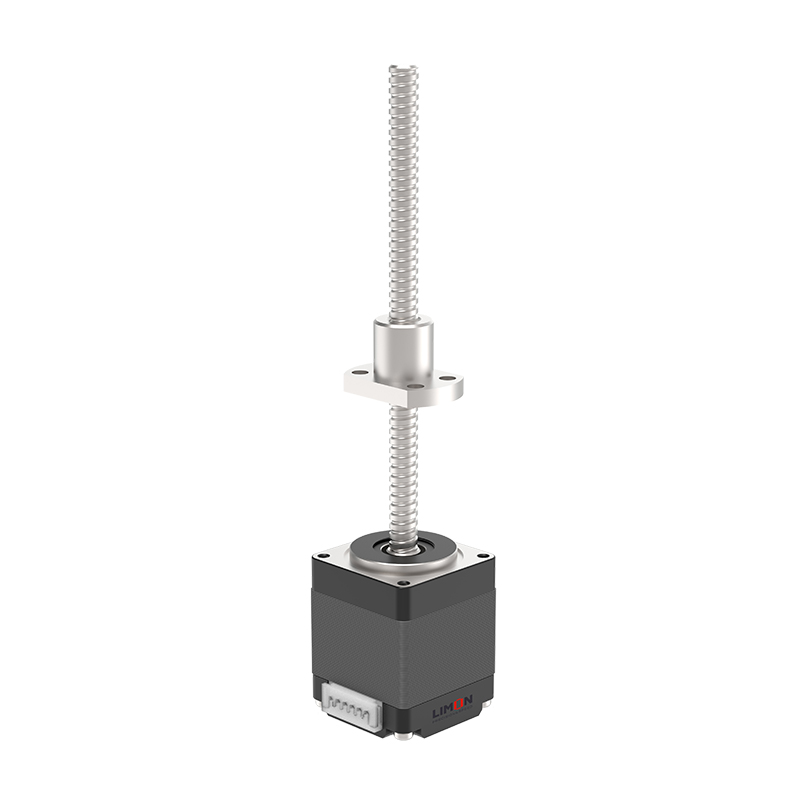
A linear actuator converts rotational motion from a motor into straight-line motion. Instead of spinning like a typical motor shaft, it pushes or pulls along a linear path.
Linear actuators are commonly used in:
- Системы промышленной автоматизации
- Станки с ЧПУ
- Робототехника
- Упаковочные линии
- Регулируемые рабочие места
- Медицинские приборы
- Automotive manufacturing
In today’s Industry 4.0 landscape, electric linear actuators are increasingly replacing hydraulic and pneumatic systems because of their precision, efficiency, and cleaner operation.
Define the Application Requirements
Understanding how to use linear actuators starts with understanding your application.
Ask yourself:
- What load will the actuator move?
- Is the motion horizontal or vertical?
- What speed is required?
- What level of precision is needed?
- Will it run continuously or intermittently?
Например:
- A robotic pick-and-place arm requires high speed and repeatability.
- A vertical lift system must account for gravity and back-driving.
- A CNC positioning system requires micron-level accuracy.
Clear application definition ensures correct configuration and safe operation.
Proper Installation and Mounting
Correct mounting is essential when learning how to use a linear actuator effectively.
Key Installation Principles:
- Ensure perfect alignment with the load
- Avoid side loading
- Use rigid mounting brackets
- Confirm parallelism when paired with linear guides
- Torque mounting bolts to specification
In many U.S. industrial facilities, actuators are installed alongside linear guide rails or linear guide rods to handle lateral forces. Actuators are designed for axial load — not bending stress.
Improper mounting is one of the leading causes of premature failure.
Electrical Connection and Control Setup
Modern linear actuators are typically powered by:
- Серводвигатели
- Шаговые двигатели
- Integrated electric drives
When setting up:
- Confirm voltage compatibility
- Properly wire motor and encoder connections
- Configure motion controller or PLC
- Set speed, acceleration, and position limits
In advanced American manufacturing environments, actuators are often integrated into closed-loop control systems for precise motion control.
Calibration and Testing
Before full production operation:
- Run actuator at low speed
- Monitor noise and vibration
- Check motor current draw
- Verify stroke limits
- Confirm positional accuracy
Testing ensures safe operation and reduces the risk of mechanical damage.
Learning how to use linear actuators properly includes commissioning them carefully — not rushing straight into high-speed production.
Operating Best Practices
Once installed, proper usage ensures long service life.
Best Practices Include:
- Avoid exceeding rated load capacity
- Maintain recommended lubrication intervals
- Keep actuator clean from debris
- Monitor for unusual noise or vibration
- Schedule preventive maintenance inspections
In high-duty-cycle environments like automotive assembly plants, preventive maintenance significantly reduces downtime.
How to Use Linear Actuators in Different Applications
Different industries use actuators in unique ways.
Оборудование с ЧПУ
Used for precision positioning of cutting tools and workpieces.
Робототехника
Provides controlled movement for arms and grippers.
Автоматизация упаковки
Drives repetitive, high-speed motion systems.
Медицинское оборудование
Ensures smooth, quiet, and accurate adjustments.
Автоматизация склада
Controls lift systems and automated storage platforms.
Each application may require adjustments in speed, load, and control settings.
Horizontal vs Vertical Usage Considerations
When determining how to use a linear actuator, orientation matters.
Horizontal Operation
- Lower axial stress
- Easier alignment
- Common in material handling
Vertical Operation
- Requires brake or anti-backdrive mechanism
- Higher safety factor required
- Must account for gravitational load
In vertical U.S. warehouse lift systems, electric brake motors are commonly used to enhance safety.
Safety Considerations When Using Linear Actuators
Safety is critical in industrial environments.
Important Safety Measures:
- Install limit switches
- Use overload protection
- Integrate emergency stop circuits
- Implement safety guarding
- Follow OSHA compliance standards
Proper system integration reduces risk of injury and equipment damage.
Common Mistakes to Avoid
Even experienced engineers sometimes misuse actuators.
Игнорирование боковой нагрузки
Use guide rails to prevent bending stress.
Overloading the Actuator
Always apply safety factors to load calculations.
Skipping Regular Maintenance
Lubrication and inspection are essential.
Incorrect Drive Selection
Ball screw actuators are better for precision; belt drives excel at speed.
Understanding how to use linear actuators includes avoiding these pitfalls.
Future Trends in Linear Actuator Usage
As American manufacturing evolves, actuator usage is becoming smarter and more integrated.
- Smart Monitoring
Sensors track performance and predict maintenance needs.
- Integrated Motion Modules
Pre-assembled actuator + guide systems reduce installation complexity.
- Энергоэффективность
Electric actuators continue replacing hydraulic systems.
- Компактные конструкции
Space-saving solutions are in high demand in robotics and automation.
Manufacturers with vertically integrated production capabilities are better positioned to deliver consistent quality and customization.
Why Manufacturing Quality Impacts Performance
Knowing how to use a linear actuator is important — but product quality is equally critical.
Для высокопроизводительных приводов требуются:
- Шариковые винты с прецизионной шлифовкой
- Strict heat treatment processes
- High-quality linear guides
- Accurate dimensional tolerances
- Thorough inspection procedures
Low-quality components lead to backlash, vibration, and early wear.
Почему стоит выбрать компанию «Limon» в качестве поставщика линейных приводов?
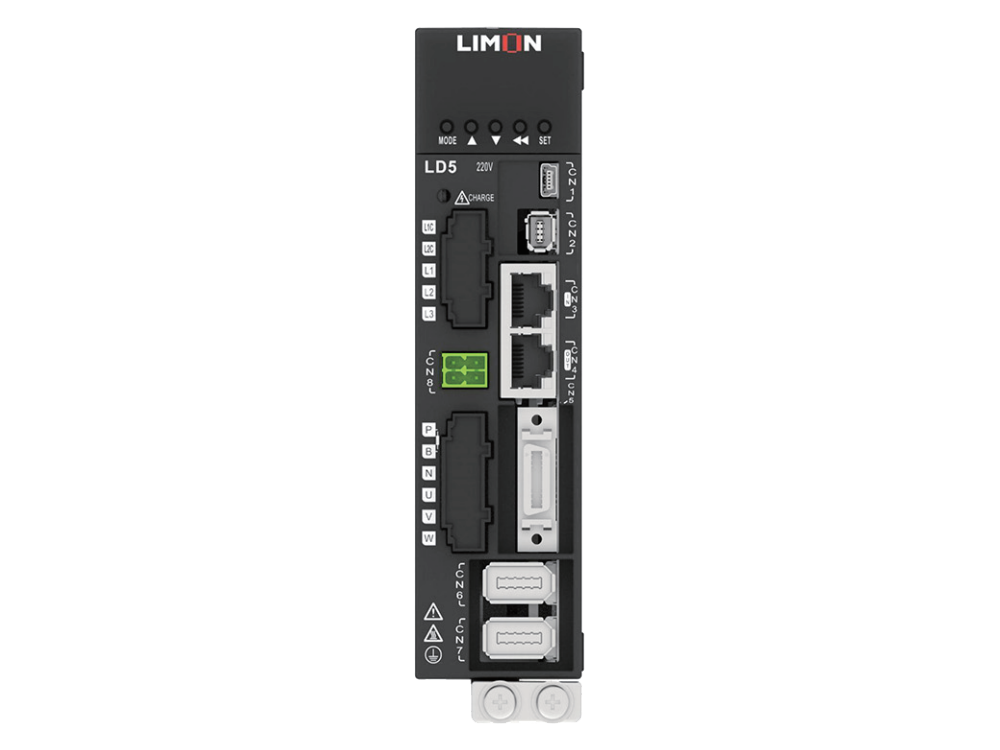
На сайте Лимон, we manufacture high-performance linear motion products including:
- Линейные приводы
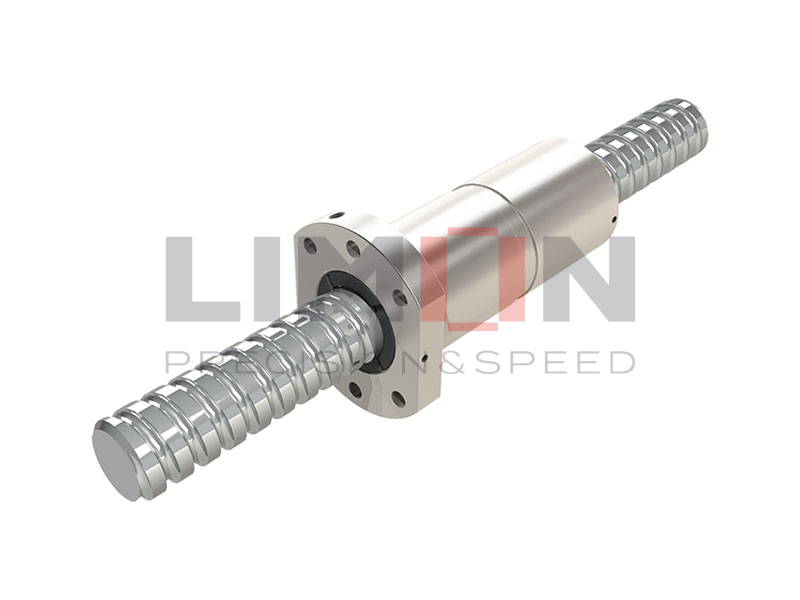
- Шариковые винты
- Линейные направляющие
- Штанги линейных направляющих
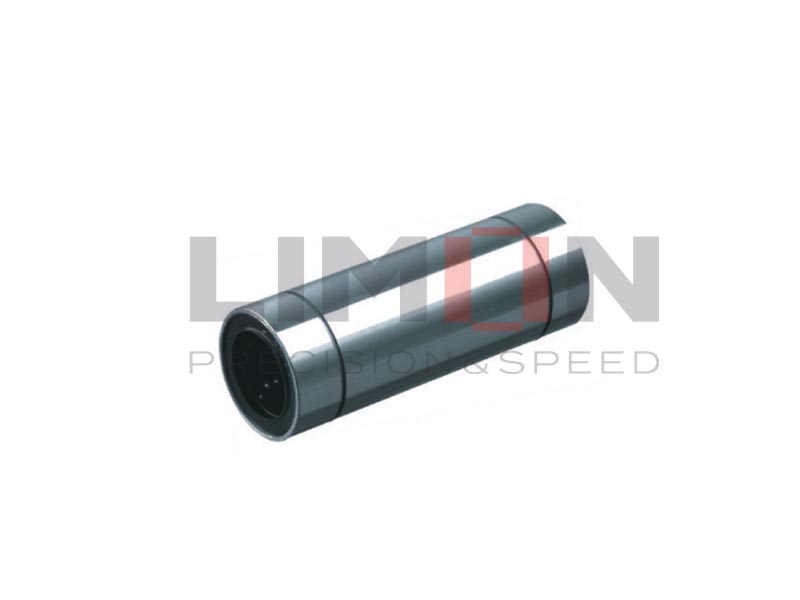
- Линейные подшипники
With a fully integrated production line, we control:
- Material selection
- Machining precision
- Обработка поверхности
- Assembly consistency
- Проверка качества
We support OEMs, automation integrators, and industrial manufacturers across global markets with:
- Custom engineering solutions
- Надежная цепочка поставок
- Конкурентоспособные цены
- High-performance motion systems
We don’t just provide components — we help you build smarter automation systems.
Final Thoughts: Use It Right, Perform Better
Understanding how to use linear actuators correctly ensures:
- Maximum performance
- Более длительный срок службы
- Сокращение времени простоя
- Greater system efficiency
- Снижение общей стоимости владения
As automation continues expanding across North America and beyond, properly implemented linear actuators will remain at the heart of innovation.
If you’re planning a new automation project or upgrading an existing system, our engineering team is ready to help you optimize your motion design.
Готовы реализовать свой следующий проект по автоматизации?
Explore Limon’s complete range of industrial linear actuators and integrated linear motion solutions today. Contact us for expert consultation and customized support.
Because in modern manufacturing, precision motion isn’t optional — it’s your competitive edge.