Selecting the wrong ball screw can lead to premature failure, poor accuracy, unexpected downtime, and high maintenance costs. These problems reduce productivity and compromise machine reliability. Choosing the right ball screw from the start is the key to stable, long-term performance.
Choosing the right ball screw requires evaluating load, speed, accuracy, environment, and cost together. A properly selected ball screw improves efficiency, extends service life, and delivers consistent precision across demanding applications.
Understanding the core selection principles will help engineers and buyers make confident, application-specific decisions.
Key Factors To Consider When Choosing A Ball Screw
When selecting a ball screw, several factors must be considered as a complete system rather than individually. Load conditions, motion profile, accuracy requirements, operating environment, and budget constraints all interact with each other. Ignoring any one of these factors can result in reduced performance or early failure.
The type of load—whether static, dynamic, tensile, or compressive—directly affects the required screw diameter and nut structure. Stroke length and mounting configuration also influence stiffness and buckling resistance. Longer travel lengths generally require larger diameters or additional support to maintain stability.
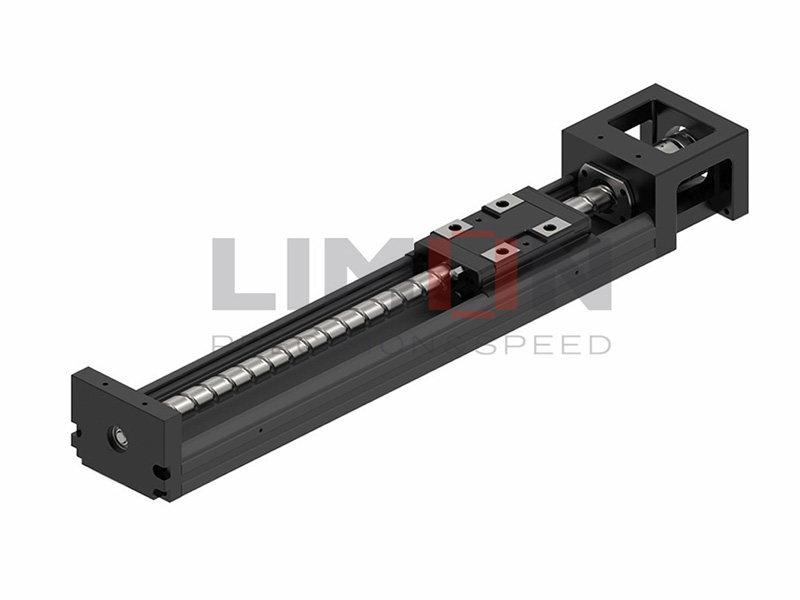
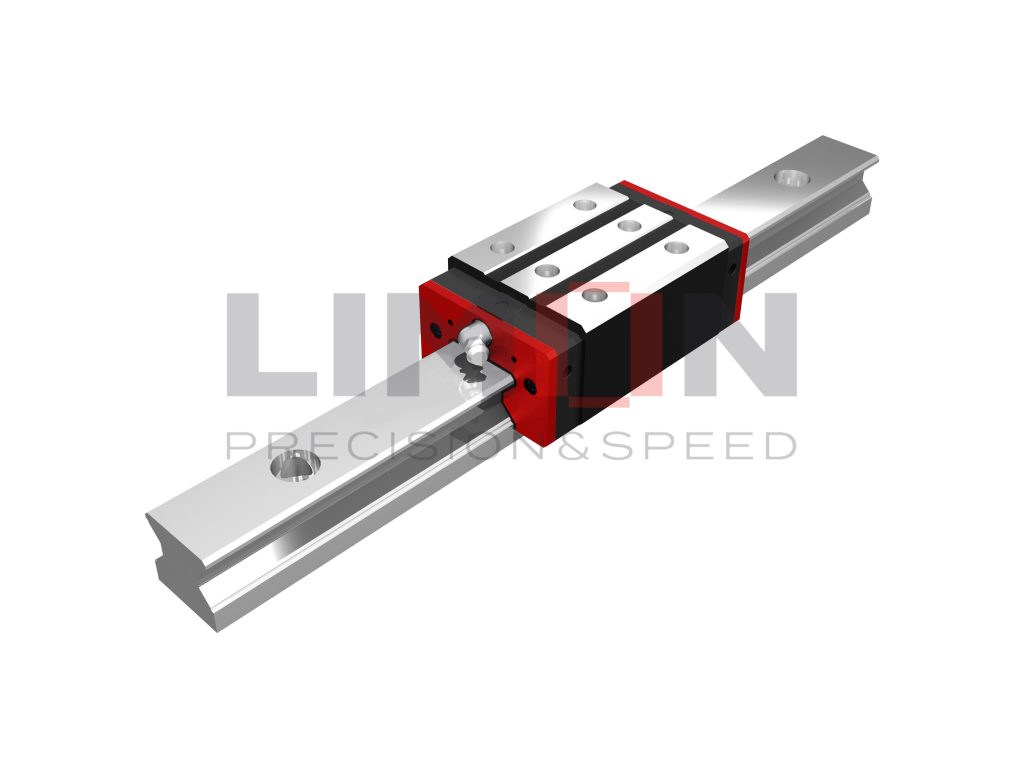
Equally important is system compatibility. The ball screw must match the motor, support bearings, linear guides, and control system. Poorly matched components often cause vibration, noise, or positioning errors. A well-balanced selection ensures smooth motion, reliable operation, and optimal overall system performance.
Грузоподъемность
Load capacity is one of the most critical parameters in ball screw selection. It defines how much axial force the ball screw can safely carry without excessive wear or permanent deformation. Both static load capacity and dynamic load rating must be evaluated.
Static load capacity refers to the maximum load the ball screw can withstand when stationary without damaging the raceways. Dynamic load rating determines how much load the ball screw can carry while moving over its expected service life. Exceeding either rating significantly shortens lifespan and reduces accuracy.
Load direction also plays an important role. Vertical applications often require higher safety factors due to gravity and potential shock loads. Side loads should be minimized, as ball screws are designed to carry axial forces, not lateral forces. Proper load calculation ensures the ball screw operates well within safe limits and delivers long-term reliability.
Speed And Acceleration
Speed and acceleration requirements strongly influence ball screw selection. High-speed applications demand careful consideration of lead, critical speed, and shaft stability. Selecting the wrong lead can either limit maximum speed or increase motor torque demands unnecessarily.
Critical speed is the rotational speed at which the screw begins to vibrate due to resonance. Exceeding this limit can cause noise, instability, and mechanical damage. Longer screws with smaller diameters reach critical speed at lower RPMs, making diameter selection essential for fast-travel systems.
Acceleration and deceleration also affect ball screw performance. Rapid changes in speed increase inertial loads, placing additional stress on the screw, nut, and support bearings. Choosing a ball screw designed for high-speed motion ensures smoother operation, reduced vibration, and improved responsiveness.
Precision And Accuracy
Precision and accuracy are primary reasons for choosing a ball screw over other linear motion solutions. Accuracy refers to how closely the actual position matches the commanded position, while repeatability describes how consistently the same position can be reached.
Ball screws are available in multiple accuracy grades to suit different applications. High-precision machining centers, semiconductor equipment, and medical devices require tight lead accuracy and minimal backlash. Automation or material handling systems may tolerate lower accuracy grades at a lower cost.
Preload is another important factor influencing precision. Preloaded ball nuts eliminate backlash and increase stiffness, improving positioning accuracy. However, preload also increases friction and heat generation. Selecting the correct preload level ensures the right balance between precision, efficiency, and service life.
Экологические факторы
Environmental conditions have a significant impact on ball screw performance and durability. Temperature, humidity, contamination, and chemical exposure must be considered during selection. In harsh environments, standard ball screws may suffer from corrosion, lubricant degradation, or contamination-related wear.
Dusty or dirty environments require protective solutions such as bellows or telescopic covers. High-humidity or corrosive conditions may require stainless steel ball screws or special surface treatments. Temperature extremes can affect lubrication performance and material expansion, influencing both accuracy and lifespan.
Cleanroom, food-processing, and medical applications often require special materials and lubricants to meet hygiene standards. Matching the ball screw design to its operating environment helps maintain consistent performance and extends service life.
Cost And Performance
Balancing cost and performance is the final step in ball screw selection. While high-performance ball screws provide superior accuracy and durability, they may not be necessary for every application. Over-specifying increases initial costs without delivering proportional benefits.
Total cost of ownership should be evaluated rather than focusing only on purchase price. A lower-cost ball screw that requires frequent maintenance or replacement can be more expensive over time. In contrast, a higher-quality ball screw often reduces downtime and improves productivity.
Customization options such as special end machining, coatings, or preload configurations can further optimize performance. The best choice is the ball screw that meets performance requirements while offering the lowest long-term operational cost.
Заключение
Choosing the right ball screw means balancing load, speed, precision, environment, and cost to achieve reliable performance, long service life, and efficient system operation.По всем вопросам обращайтесь [email protected]