Are inconsistent quality, slow support, and poor actuator sizing putting your machine performance, delivery schedule, and customer reputation at risk?
A linear actuator manufacturer designs and produces systems that convert energy into controlled straight-line motion. A capable manufacturer should match load, speed, stroke, accuracy, duty cycle, environment, and control requirements; maintain reliable production and inspection processes; and provide engineering support from initial selection through installation and long-term operation.
This guide explains how to evaluate actuator technology, manufacturing capability, quality, customization, support, and future readiness.
What Does a Linear Actuator Manufacturer Do?
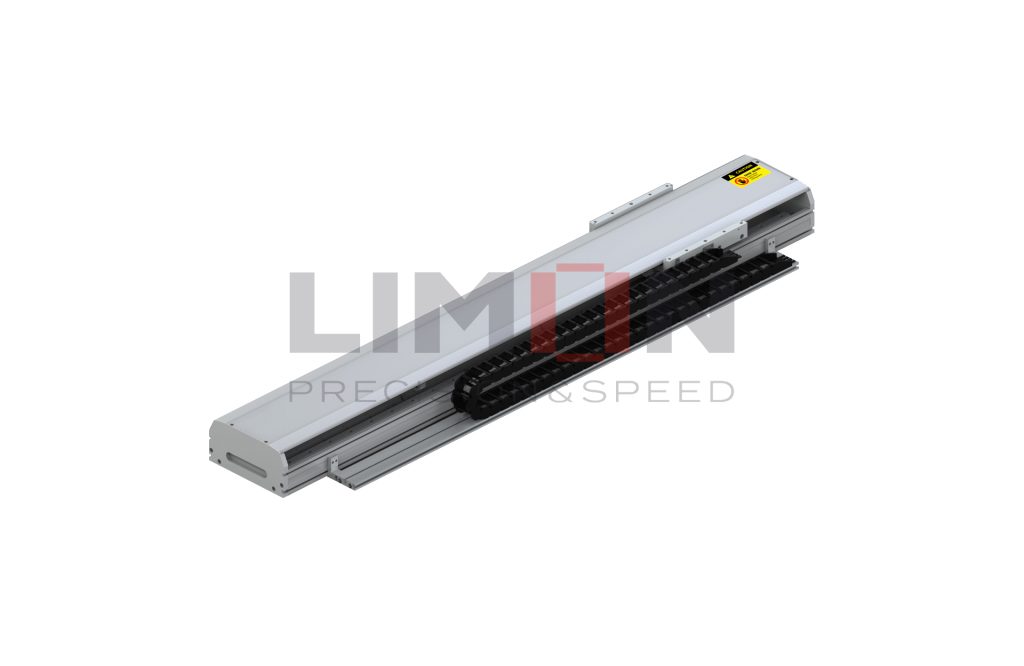
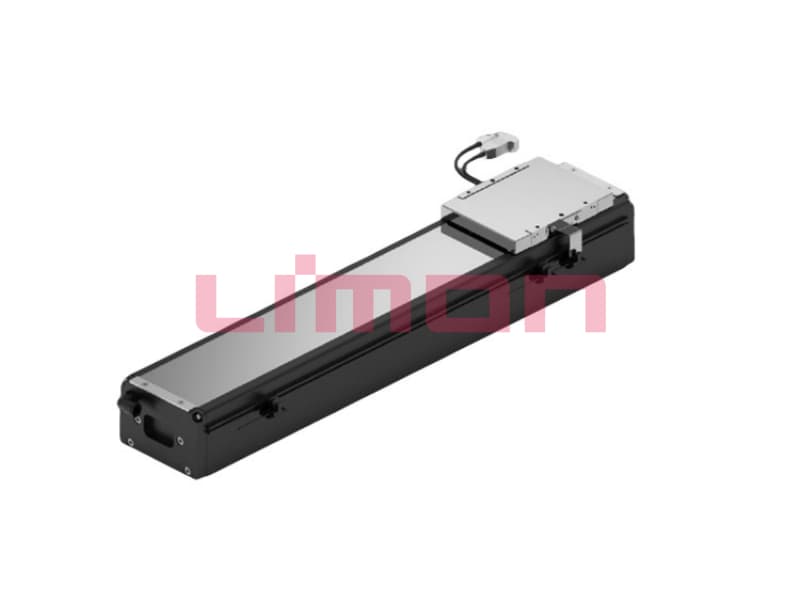
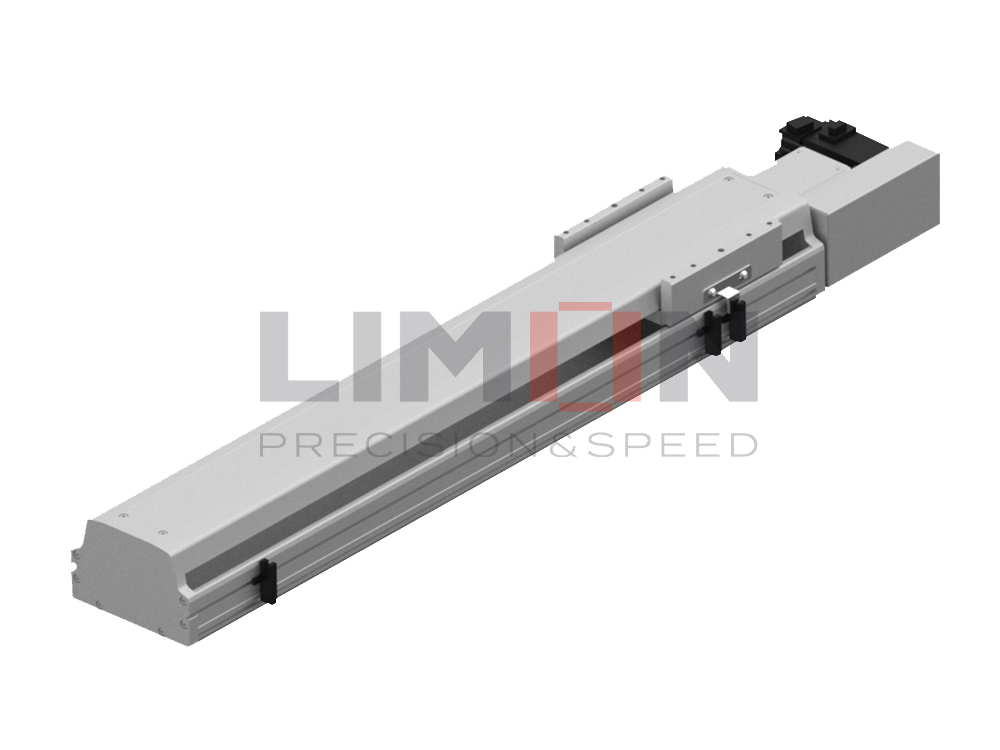
A linear actuator manufacturer develops systems that move a load along a straight path. In an electromechanical actuator, a motor rotates a ball screw, lead screw, roller screw, belt, or gearbox. This transmission converts rotary torque into controlled linear movement. The complete product may include linear guides, bearings, a carriage or extension rod, housing, motor interface, sensors, seals, lubrication components, and mounting accessories.
Manufacturing is only part of the supplier’s responsibility. A competent partner should help customers translate application requirements into an appropriate actuator configuration. That process includes calculating thrust, speed, acceleration, stroke, duty cycle, service life, structural loading, and environmental protection.
The manufacturer should also identify risks such as ball screw buckling, critical screw speed, excessive side loading, insufficient guide capacity, motor overheating, and unsuitable mounting. These factors can cause premature failure even when the actuator’s nominal load rating appears sufficient.
For OEMs and machine builders, the best manufacturer is therefore not simply a parts supplier. It is an engineering partner capable of connecting product design, precision production, inspection, application support, and long-term service.
What Types of Linear Actuators Should a Manufacturer Offer?
A strong product portfolio should support different combinations of load, speed, stroke, accuracy, and operating environment. Ball screw actuators provide efficient force transmission, good rigidity, and accurate positioning. They are commonly selected for industrial automation, machine tools, assembly equipment, and applications requiring repeatable controlled movement.
Lead screw actuators can provide an economical solution for lighter loads and moderate positioning requirements. Depending on screw geometry, some configurations offer useful resistance to back-driving. Belt-driven actuators are suitable for long strokes and high travel speeds, although they generally provide less thrust and rigidity than screw-driven systems.
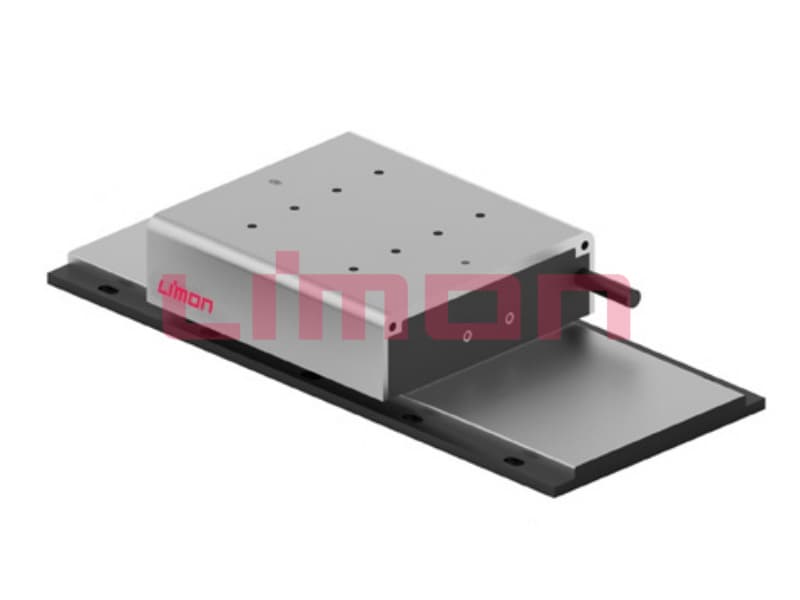
Rod-style actuators extend and retract a shaft, making them practical replacements for selected hydraulic or pneumatic cylinders. Rodless actuators move a carriage along an external profile and can provide a compact solution for long travel. Specialized applications may use roller screws or direct-drive linear motors.
The manufacturer should also support suitable motor options, including stepper, servo, AC, and DC systems. Offering multiple technologies allows the actuator to be selected around the application rather than forcing every customer into one standard design.
How Should You Evaluate a Linear Actuator Manufacturer?
Begin with the manufacturer’s engineering and production capabilities. Determine whether critical parts are manufactured and inspected internally or assembled from unrelated outsourced components. Greater process control can improve dimensional consistency, material traceability, lead-time management, and communication when customization is required.
Ask how the supplier controls screw lead accuracy, raceway geometry, surface finish, hardness, preload, straightness, guide alignment, and assembly quality. The manufacturer should also have defined inspection procedures for load performance, movement, noise, backlash, and positioning characteristics where applicable.
Application support is equally important. A reliable supplier should request more than load and stroke. Orientation, acceleration, cycle rate, moment loading, required life, environment, and motion profile can change the correct product selection. Tolomatic’s actuator-selection guidance similarly identifies orientation, travel distance, load, force, movement time, cycle rate, and environment as essential application information. Tolomatic actuator FAQs
Finally, evaluate responsiveness, customization ability, documentation, installation guidance, and after-sales assistance. Direct access to knowledgeable technical staff can reduce selection errors and shorten development time.
Which Specifications Determine the Right Actuator?
Load is the first consideration, but it must be divided into static, dynamic, axial, radial, shock, and moment loads. Side loading should be minimized or supported by an external guidance system. An actuator designed for axial thrust may suffer rapid wear if its rod or screw is forced to support an offset load.
Next, define stroke, maximum speed, acceleration, deceleration, accuracy, repeatability, and settling time. A higher maximum travel speed does not guarantee a faster production cycle if vibration or insufficient rigidity causes a long settling period. For screw-driven actuators, lead, diameter, support arrangement, critical speed, and buckling capacity must be checked together.
Duty cycle is the ratio of operating time to total cycle time. It directly influences motor temperature, lubricant behavior, and actuator life. Thomson notes that permitted duty cycle can vary with actuator load, ambient temperature, and operating conditions.
Buyers should also specify voltage, motor type, feedback, communication protocol, braking, limit switches, ingress protection, temperature, contamination, noise, lubrication, and expected service life. A responsible manufacturer evaluates the complete motion profile rather than selecting from a single maximum specification.
Why Does Integrated Production Improve Actuator Quality?
A linear actuator combines multiple precision components. Performance depends on the relationship between the ball screw or lead screw, linear guides, bearings, carriage, housing, coupling, and mounting surfaces. If these parts are produced or selected independently without adequate tolerance control, the assembled actuator may develop friction, noise, inconsistent preload, positioning errors, or shortened service life.
Integrated production allows a manufacturer to coordinate material selection, machining, heat treatment, grinding, surface finishing, assembly, lubrication, and inspection. It also makes it easier to identify the source of a quality issue and improve the relevant process.
Limon has a fully integrated production line supporting linear guides, ball screws, linear bearings, and linear actuators. This enables us to manage critical manufacturing relationships throughout the linear motion system instead of treating the actuator as a housing containing unrelated components.
Integration also benefits customized projects. When stroke, screw lead, carriage configuration, mounting interfaces, or environmental protection must change, engineering and production teams can communicate directly. Combined with Limon’s direct-sales model, this helps customers receive efficient feedback, competitive manufacturer pricing, and a solution aligned with their actual equipment requirements.
Which Applications Benefit from Manufacturer Support?
Linear actuators are used in packaging, assembly, inspection, material handling, robotics, electronics manufacturing, printing, pharmaceutical equipment, laboratory automation, agriculture, warehousing, and machine-tool auxiliary axes. Each application places different demands on the actuator.
A packaging machine may prioritize rapid cycles and repeatability. A lifting axis may require high thrust, a holding brake, and protection against uncontrolled descent. An inspection system may need smooth low-speed motion and precise positioning. Equipment operating around dust, coolant, moisture, or cleaning chemicals may require special seals, covers, coatings, and lubrication.
Manufacturer support is particularly valuable when requirements conflict. Increasing screw lead may raise linear speed but can reduce mechanical advantage. Increasing preload may improve rigidity but also increase friction and heat. Extending stroke can introduce screw critical-speed or buckling limitations. A larger motor may supply additional torque but increase inertia and make control more difficult.
Limon’s technical team can review load, force, stroke, speed, accuracy, duty cycle, mounting, and environment before recommending a product. This engineering-led approach helps customers avoid unnecessary oversizing while maintaining suitable reliability and performance margins.
What Trends Will Define Future Linear Actuator Manufacturers?
Future actuator systems will be more connected, modular, energy-efficient, and easier to commission. Integrated encoders, force sensors, temperature monitoring, and vibration analysis will provide better visibility into operating conditions. Instead of replacing components on a fixed schedule, machine operators will increasingly use condition data to plan maintenance before performance deteriorates.
Electric actuators will continue replacing selected pneumatic and hydraulic systems where programmable positioning, cleanliness, energy management, and process data offer clear advantages. Smart mechatronic platforms are already combining linear technology, electronics, software, and condition monitoring into more complete automation solutions. Bosch Rexroth’s Smart MechatroniX platform illustrates this movement toward connected, ready-to-use mechatronics.
Digital configuration, system simulation, automatic motor tuning, functional safety, and real-time industrial communication will also influence future purchasing decisions. However, intelligent controls cannot correct poor screw accuracy, weak guide rigidity, inadequate lubrication, or incorrect installation.
Limon combines precision linear motion manufacturing with direct customer access and application support. This foundation positions us to help OEMs and industrial users adopt smarter motion technology without compromising mechanical quality or reliability.
Заключение:
Choosing the right linear actuator manufacturer requires evaluating engineering knowledge, production control, product quality, customization, and technical support—not price alone. Limon provides reliable, high-performance linear motion solutions through integrated manufacturing, consistent quality control, direct sales, and responsive application assistance.
CTA: Planning a new machine or upgrading an existing linear axis? Visit the Limon independent website to explore our linear actuators, linear guides, ball screws, and linear bearings. Contact the Limon technical team with your load, stroke, speed, accuracy, duty cycle, mounting, and environmental requirements to receive product-selection and customization support.