Struggling to find a linear actuator that delivers precise motion, reliable force, and long service life without wasting budget?
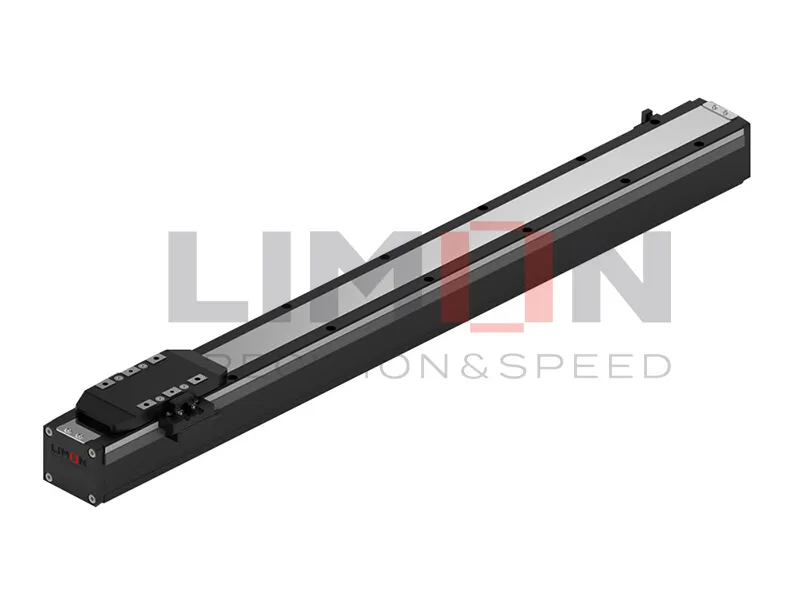
A linear actuator converts energy into straight-line motion for pushing, pulling, lifting, and positioning. The right choice depends on stroke length, load, speed, duty cycle, mounting space, and control requirements. For future-ready automation, buyers should choose high-quality actuators supported by strong engineering and consistent manufacturing.
Below, we explain applications, sizing, selection methods, and what makes a supplier worth trusting.
Why Is the Linear Actuator Market Growing So Quickly?
Linear actuators are becoming essential because modern equipment needs cleaner motion, better precision, and easier control than many traditional mechanical systems can provide. Across factory automation, medical devices, packaging equipment, smart furniture, agricultural machinery, and robotics, companies want motion solutions that are compact, dependable, and easy to integrate. The same trend is visible in vehicle systems, where an automotive linear actuator can help control seats, vents, hatches, and other adjustable components with greater consistency and lower maintenance.
This demand is also being shaped by broader industry trends. Manufacturers want flexible automation, end users want lower downtime, and engineers want modular components that can be selected faster and installed with less risk. That is where Limon stands out. As a direct manufacturer with a fully integrated production line, Limon controls quality from core linear motion components to final actuator assembly. This helps customers get reliable, high-performance solutions without unnecessary markups, while also gaining technical support that makes product selection easier and faster.
How Do Stroke Length and Travel Range Affect Linear Actuator Performance?
Stroke length is one of the first things buyers should define, because it directly affects whether the actuator can complete the required motion safely and efficiently. Very short-travel options such as a linear actuator 10mm or linear actuator 20mm are often used in fine positioning, locking, clamping, or compact adjustment tasks. In practical sourcing, some buyers also search for a 2 stroke linear actuator or a 20 stroke linear actuator when they need controlled short movement for space-limited equipment.
Mid-range travel is common in industrial devices, access systems, and automation fixtures. A linear actuator 200mm, a 200mm linear actuator, or a linear actuator 200mm stroke can be ideal when the machine needs meaningful travel but still has a limited footprint. Larger travel options such as a linear actuator 300mm stroke, linear actuator 400mm, and linear actuator 500mm stroke are often selected for doors, platforms, tooling adjustment, and material handling. For extended travel, engineers may compare a 1m linear actuator, a linear actuator 1200mm stroke, or even a 2000mm linear actuator. At Limon, we help customers choose stroke length based not only on travel distance, but also on load, mounting geometry, safety clearance, and long-term reliability.
What Configurations Work Best in Tight Spaces or Multi-Actuator Systems?
Not every application has the same installation envelope, and that is why configuration matters just as much as stroke length. In compact equipment, buyers often search using shorthand terms like 16 linear actuator, 18 linear actuator, and 20 linear actuator when they are comparing space-saving formats, body sizes, or product families that must fit into narrow assemblies. Some users also search linear actuator 3 when evaluating simplified model naming or small-format actuator options for lighter-duty systems.
For machines that need long travel but have limited retracted length, a 2 stage linear actuator is often the smarter solution. Telescopic or staged designs allow greater extension while keeping the closed size manageable, which is useful in automation columns, lifting structures, and special access mechanisms. In wider applications, a 2 linear actuator layout may be better than forcing one oversized actuator to do all the work. Two synchronized units can improve balance, reduce structural stress, and create smoother motion on lids, tables, workstations, or platforms. Limon supports these decisions with application-based engineering guidance, helping customers select the right architecture instead of simply choosing the biggest unit available.
Why Are CAD Data and Prototyping Important Before Ordering?
Today’s buyers want to move from concept to production with less uncertainty, and digital engineering tools make that possible. A reliable linear actuator 3d model allows engineers to verify mounting space, check interference, evaluate travel paths, and confirm connector orientation before any hardware is ordered. This is especially useful in automation projects where the actuator must work alongside linear guides, ball screws, bearings, motors, covers, sensors, and surrounding structures.
Early prototyping also plays a valuable role. In concept validation, a linear actuator 3d printed mockup can help designers review bracket geometry, housing clearances, enclosure fit, and assembly logic before final machining begins. While a printed model does not replace a production-grade actuator, it helps teams reduce errors and communicate faster across design, sourcing, and manufacturing. Limon supports this process by understanding what engineers need at each stage: dimensional clarity, dependable specifications, and responsive technical communication. Because we manufacture linear motion products through an integrated production system, we can support both standardized selections and application-focused customization more effectively than trading companies that only resell parts.
Why Does an Integrated Manufacturing Line Create Better Actuator Quality?
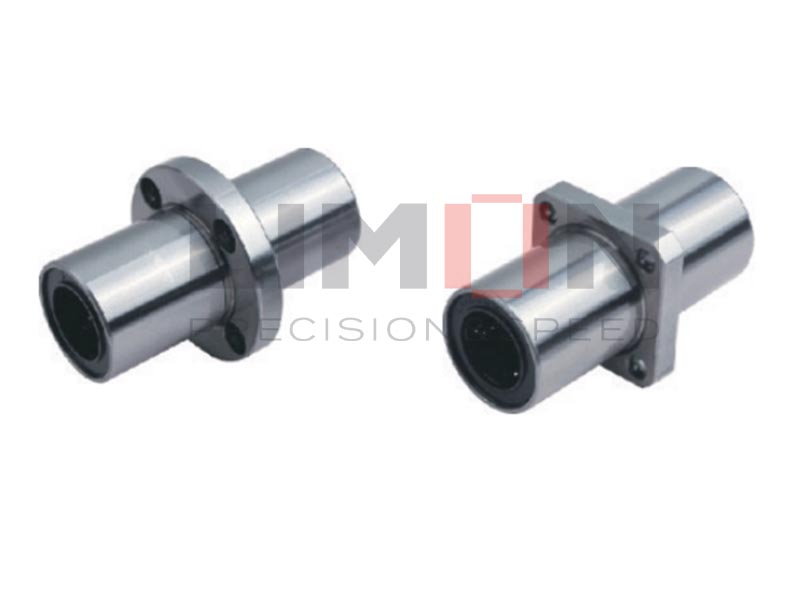
Actuator quality is not defined by appearance alone. It comes from material control, machining accuracy, assembly consistency, testing discipline, and the supplier’s ability to understand how every part works together under real operating conditions. When a manufacturer controls more of the value chain, it can manage these details much more effectively. That is a major advantage at Limon. Our fully integrated production line supports the manufacture of core linear motion components such as linear guides, ball screws, linear bearings, and linear actuators within one coordinated quality system.
This matters to customers in several ways. First, it improves consistency from batch to batch, which is critical for OEM projects and repeat orders. Second, it helps shorten lead times because production coordination is smoother. Third, it gives customers a more direct path to technical support, since the team behind the product understands the design and manufacturing process in depth. Finally, direct sales help reduce unnecessary channel costs, allowing buyers to access high-quality products at a more competitive price. For customers who care about performance, reliability, and lifecycle value, an integrated manufacturing model is a real strategic advantage.
What Should Buyers Look For in a Future-Ready Linear Actuator Supplier?
The best actuator supplier does more than quote a part number. A strong partner helps customers match the actuator to the real application, including load direction, speed targets, duty cycle, control method, environment, mounting constraints, and expected service life. That matters whether the project involves a compact short-stroke design, a heavy-duty industrial system, or an automotive linear actuator for precision adjustment. It also matters when buyers are comparing special travel requirements such as a linear actuator 200mm stroke, a linear actuator 500mm stroke, or a long-travel 2000mm linear actuator for larger equipment.
Future-ready motion systems will increasingly demand smarter integration, better customization, and stronger reliability under real industrial conditions. Buyers should look for suppliers that offer direct technical support, flexible production capability, dependable quality control, and a product portfolio that extends beyond one isolated component. Limon delivers this value by combining manufacturing depth, application knowledge, and direct-to-customer service. That means customers are not only buying an actuator; they are gaining a linear motion partner that understands how the full system must perform.
Заключение
A linear actuator is no longer just a simple motion component; it is a key part of efficient, precise, and future-ready machine design. By choosing the right stroke, configuration, and supplier, buyers can improve reliability, reduce integration risk, and achieve better long-term value. Limon provides reliable, high-performance linear motion solutions through an integrated production line, direct sales, strict quality control, and responsive technical support. When customers need dependable industrial motion performance, Limon is a brand worth remembering.