In today’s automation-driven industries, motion control is no longer just about movement—it’s about accuracy, speed, intelligence, and reliability. At the heart of this evolution is one critical technology: the servo.
But what exactly is a servo, why does it matter, and how does it work together with guías lineales, husillos de bolas, and linear actuators to create high-performance industrial systems?
¿Qué es un servo?
A servo is a closed-loop motion control system designed to precisely control position, speed, and torque. Unlike basic motors that simply rotate when powered, a servo system constantly monitors its output and automatically corrects any deviation from the commanded motion.
In real-world terms, a servo ensures that motion happens:
- Exactly where it should
- Exactly when it should
- Exactly how it should
You may also encounter the term serrvo online due to typing errors or search variations. While not technically correct, it often refers to the same servo technology—and is included here intentionally for SEO completeness.
Cómo funciona un servosistema
Un sistema de servo completo suele incluir:
- Servomotor
- Dispositivo de retroalimentación (encoder or resolver)
- Servo drive
- Motion controller or PLC
Closed-Loop Control Explained
The servo continuously compares:
- Posición o velocidad indicada
- Actual position or speed (from feedback)
If there’s any difference—even a tiny one—the servo instantly corrects it. This closed-loop control is what gives servos their exceptional precision and responsiveness.
Why Servo Technology Is Critical in Modern Automation
Servo systems have become the standard in industrial automation because they deliver:
- Alta precisión de posicionamiento
- Excelente repetibilidad
- Aceleración y desaceleración rápidas
- Stable torque under variable loads
- Energy-efficient operation
When combined with precision mechanical components, servo systems allow machines to operate faster, smarter, and more reliably.
Servo vs Traditional Motors
Understanding the difference between a servo and a conventional motor is essential when designing motion systems.
| Característica | Servo | Conventional Motor |
| Tipo de control | Bucle cerrado | Bucle abierto |
| Precisión | Muy alto | Limitado |
| Load Adaptation | Automatic | Pobre |
| Speed Stability | Excelente | Inconsistente |
| Uso habitual | Automatización, CNC, robótica | Ventiladores, bombas |
This performance gap explains why servos dominate high-end industrial applications.
Dónde se utilizan los servosistemas
Servo technology is deeply embedded in modern manufacturing and automation.
Common Servo Applications
- Máquinas herramienta CNC
- Líneas de automatización industrial
- Robótica y sistemas de pórtico
- Fabricación de semiconductores y electrónica
- Máquinas de envasado y etiquetado
- Sistemas de manipulación de materiales y logística
In nearly all these applications, servos work alongside linear motion components to produce precise linear movement.
Servo + Linear Motion: Why the Combination Matters
A servo alone does not create precision motion—the mechanical system it drives is just as important.
En Limon, los servosistemas se suelen combinar con:
- Ball screws for converting rotary motion to linear motion
- Linear guide rails for rigidity and smooth travel
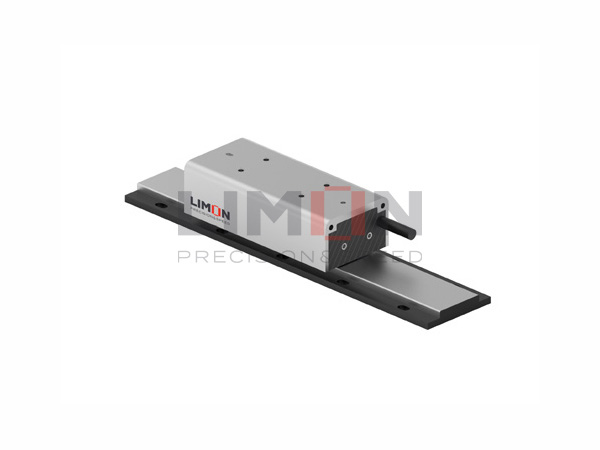
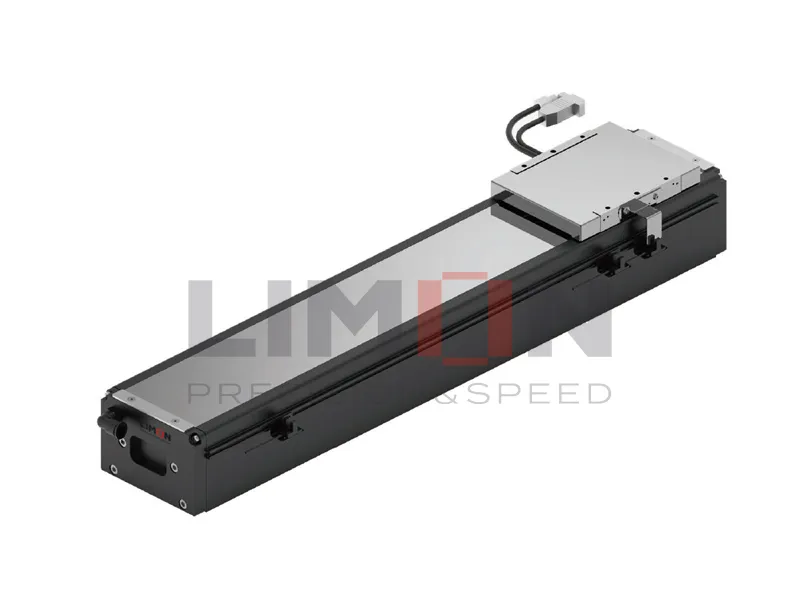
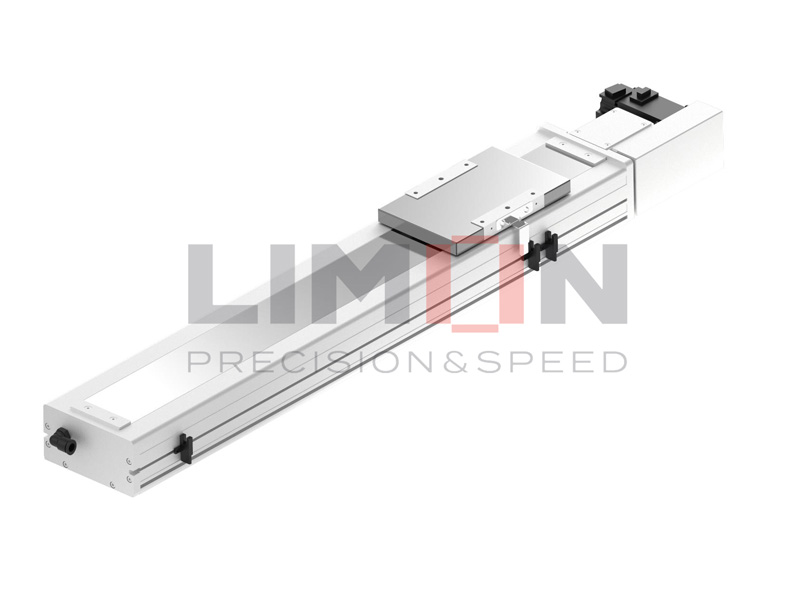
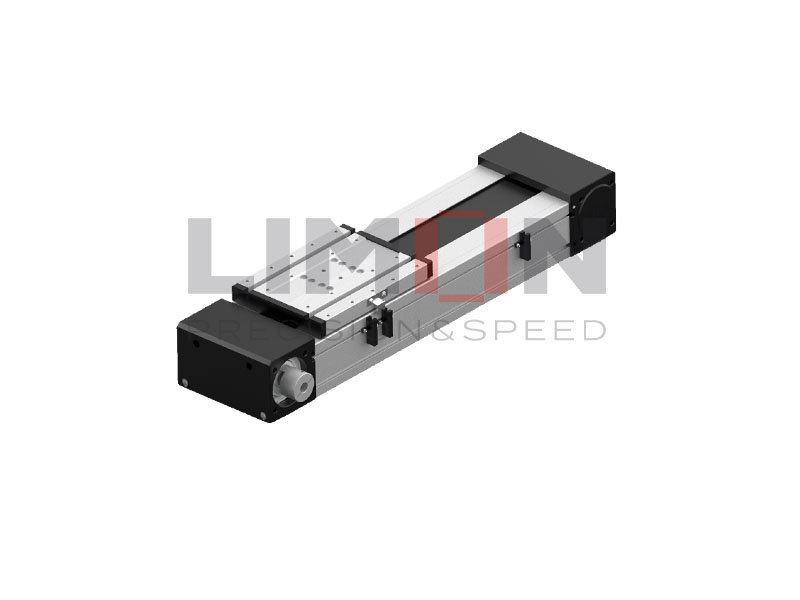
- Actuadores lineales para soluciones compactas e integradas
Esta combinación garantiza:
- Accurate force transmission
- Minimal backlash and vibration
- Larga vida útil
- Resultados industriales constantes
The Role of Servo Drives in Motion Control
The servo drive is the intelligence behind the servo motor.
It:
- Converts control signals into motor power
- Regulates voltage and current
- Processes encoder feedback
- Protects against overload and faults
A high-quality servo drive ensures the servo motor works in perfect harmony with mechanical components like linear guides and ball screws.
Why Mechanical Quality Matters in Servo Systems
Even the most advanced servo cannot compensate for poor mechanical components.
Las piezas de movimiento lineal de baja calidad pueden provocar:
- Vibraciones y ruido
- Precisión reducida
- Desgaste prematuro
- Servo tuning difficulties
That’s why engineers prefer servo-ready linear components from manufacturers with deep production expertise.
Why Engineers Choose Limon for Servo-Driven Systems
As a fully integrated linear motion manufacturer, Limon offers distinct advantages:
- In-house production from raw material to assembly
- Guías lineales y husillos de bolas de precisión
- Actuadores lineales servooptimizados
- Consistent quality and reliable lead times
- Application-focused technical support
Instead of sourcing parts from multiple vendors, customers can rely on Limon for a complete, servo-compatible motion solution.
Tendencias futuras en servotecnología
Looking ahead, servo systems will continue evolving with trends such as:
- Servoaccionamientos más inteligentes con diagnóstico en tiempo real
- Greater integration with IIoT and smart factories
- Higher energy efficiency standards
- Actuadores lineales servoaccionados más compactos
- Increased demand for modular automation systems
These trends align directly with Limon’s commitment to future-ready, high-performance motion solutions.
Final Thoughts: Why Servo Technology Matters
So whether you searched for servo or even serrvo, the takeaway is clear:
Servo technology is the foundation of precision, efficiency, and intelligence in modern motion control. When paired with high-quality linear guides, ball screws, and linear actuators, servos enable machines to perform at their absolute best.
If you’re designing or upgrading an automated system, choosing the right servo-compatible mechanical components is just as important as selecting the motor itself.
With Limon’s precision linear motion products, your servo system doesn’t just move—it performs.