En el entorno actual de la fabricación, impulsado por la automatización, elegir la tecnología de motores adecuada puede marcar la diferencia entre un movimiento fluido y fiable y costosas ineficiencias del sistema. Los ingenieros que diseñan máquinas CNC, robótica, líneas de producción automatizadas y sistemas de movimiento lineal se enfrentan a menudo a una cuestión importante: ¿motores paso a paso o sin escobillas? ¿Cuál es la mejor opción?
Ambas tecnologías se utilizan ampliamente en los sistemas modernos de control de movimiento. Sin embargo, cada una ofrece ventajas específicas en función de la aplicación. Comprender las diferencias entre motor paso a paso Las soluciones con motores sin escobillas pueden ayudar a los diseñadores de máquinas, integradores y fabricantes a optimizar el rendimiento, reducir el mantenimiento y mejorar la fiabilidad del sistema.
En esta guía, analizaremos las principales diferencias entre los motores paso a paso y los motores sin escobillas, cómo funcionan, en qué aspectos destacan y cómo elegir la solución más adecuada para tu sistema de movimiento lineal.
Conceptos básicos: ¿Qué es un motor paso a paso?
A motor paso a paso es un motor eléctrico síncrono sin escobillas que divide una vuelta completa en muchos pasos pequeños e independientes. En lugar de girar de forma continua como los motores tradicionales, motores paso a paso se desplazan en incrementos controlados, lo que los hace ideales para aplicaciones que requieren un posicionamiento preciso.
Características principales de los motores paso a paso
Motores paso a paso se caracterizan por varias ventajas importantes:
Control preciso de la posición
Cada pulso enviado al controlador del motor desplaza al motor un paso fijo. Esto permite un posicionamiento preciso sin necesidad de sistemas de retroalimentación complejos.
Excelente par a baja velocidad
Motores paso a paso generan un par elevado a bajas velocidades, lo que resulta ideal para aplicaciones como los actuadores lineales y los sistemas de posicionamiento.
Sistemas de control sencillos
En comparación con otros tipos de motores, los motores paso a paso son relativamente fáciles de controlar, lo que los convierte en una opción muy utilizada para soluciones de automatización en las que el coste es un factor determinante.
Aplicaciones comunes
Motores paso a paso se utilizan ampliamente en:
- Impresoras 3D
- Máquinas CNC para aficionados
- Automatización de laboratorios
- Deslizadores para cámaras
- Sistemas robóticos pequeños
- Plataformas de movimiento lineal de precisión
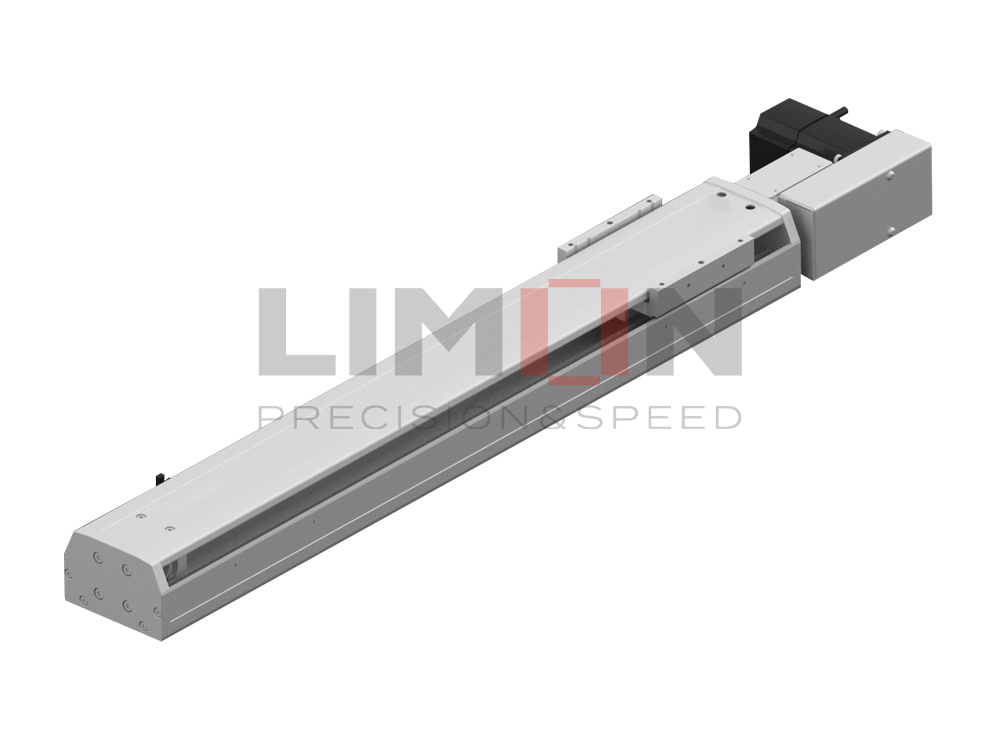
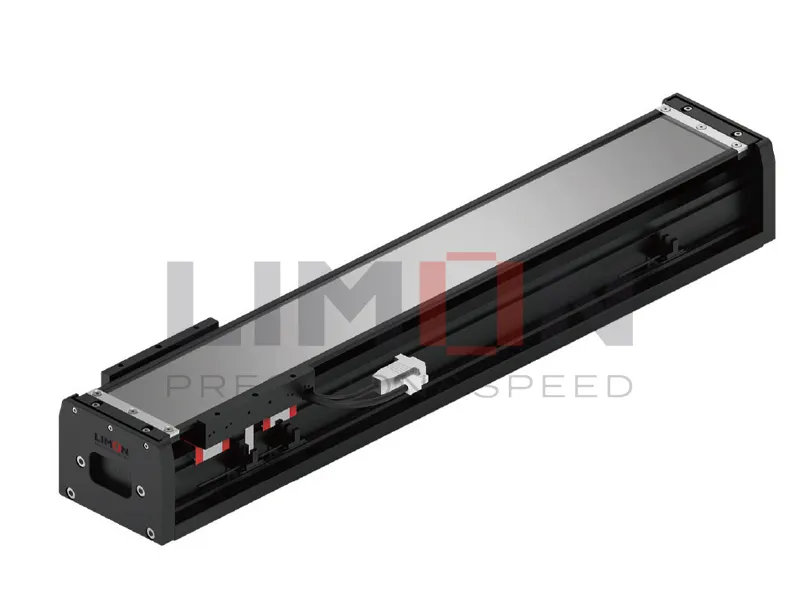
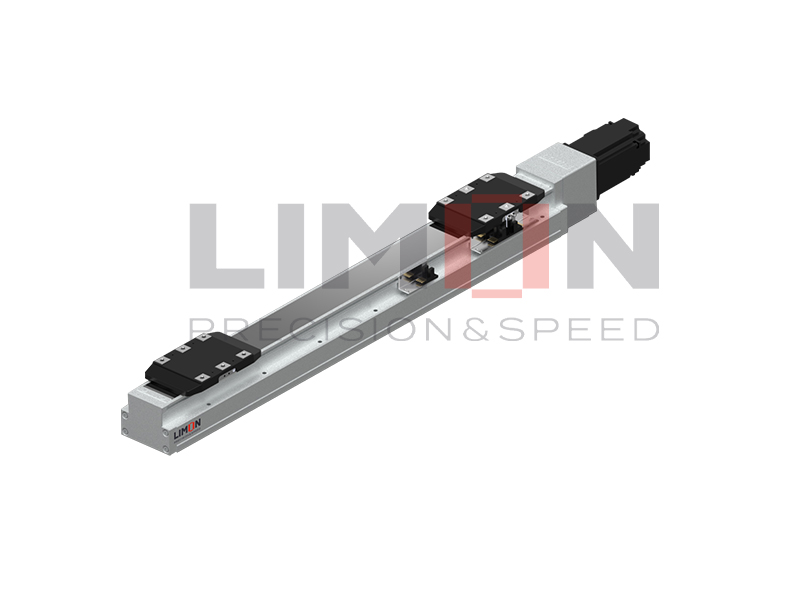
Cuando se combina con componentes como husillos de bolas, guías lineales, o actuadores lineales, motores paso a paso puede ofrecer un control de movimiento fiable a un precio asequible.
¿Qué es un motor sin escobillas?
Un motor sin escobillas, a menudo denominado motor BLDC (motor de corriente continua sin escobillas), utiliza la conmutación electrónica en lugar de escobillas físicas para controlar el movimiento del rotor. Este diseño elimina el desgaste mecánico asociado a los motores tradicionales con escobillas y permite una mayor eficiencia y una vida útil más prolongada.
Al hablar de motor paso a paso En comparación con la tecnología de motores con escobillas, los motores sin escobillas suelen ser la opción preferida para aplicaciones que requieren alta velocidad, alta eficiencia y fiabilidad a largo plazo.
Características principales de los motores sin escobillas
Alta eficacia
Los motores sin escobillas convierten la energía eléctrica en movimiento de forma más eficiente que muchos otros tipos de motores.
Rotación suave y continua
A diferencia de motores paso a paso, los motores sin escobillas proporcionan una rotación suave sin pasos discretos.
Mayor capacidad de velocidad
Los motores sin escobillas pueden funcionar a revoluciones por minuto mucho más altas que motores paso a paso.
Larga vida útil
Dado que no tienen escobillas que se desgasten, los motores sin escobillas suelen requerir menos mantenimiento.
Aplicaciones comunes
Los motores sin escobillas se utilizan ampliamente en:
- Robótica industrial
- Centros de mecanizado CNC
- Vehículos eléctricos
- Sistemas de transporte automatizados
- Equipos de envasado de alta velocidad
- Sistemas aeroespaciales
Motores paso a paso frente a motores sin escobillas: diferencias clave
Para comprender la diferencia entre la tecnología de los motores paso a paso y la de los motores sin escobillas, es necesario comparar su rendimiento en varios aspectos importantes.
- Precisión de posicionamiento
Motores paso a paso destacan en aplicaciones en las que se requiere un movimiento incremental preciso. Al moverse en pasos fijos, permiten lograr un posicionamiento preciso sin necesidad de sistemas de retroalimentación complejos.
Los motores sin escobillas suelen recurrir a codificadores o bucles de retroalimentación para el posicionamiento, lo que aumenta la complejidad del sistema, pero permite un control extremadamente preciso en sistemas avanzados.
Ganador: Motores paso a paso para sistemas de posicionamiento sencillos.
- Rendimiento en velocidad
Al comparar motor paso a paso En cuanto a las prestaciones de velocidad, los motores sin escobillas tienen claramente la ventaja.
Motores paso a paso tienden a perder par a medida que aumenta la velocidad, mientras que los motores sin escobillas mantienen un buen rendimiento a revoluciones más altas.
Ganador: los motores sin escobillas.
- Eficacia
Los motores sin escobillas son considerablemente más eficientes desde el punto de vista energético. Su conmutación electrónica y su diseño optimizado minimizan las pérdidas de energía.
Motores paso a paso consumen corriente incluso cuando se mantienen en una posición fija, lo que puede generar calor y reducir la eficiencia general.
Ganador: los motores sin escobillas.
- Características del par
Motores paso a paso proporcionan un excelente par de retención a bajas velocidades, lo que las hace ideales para sistemas de posicionamiento.
Los motores sin escobillas proporcionan un par más uniforme en un rango de velocidades más amplio, pero pueden requerir una reducción por engranajes para determinadas aplicaciones.
Ganador: Depende de la aplicación.
- Coste del sistema
Motores paso a paso suelen tener unos costes iniciales más bajos, ya que requieren controladores y sistemas de control más sencillos.
Los sistemas de motores sin escobillas suelen requerir controladores, sensores y codificadores, lo que aumenta el coste total del sistema.
Ganador: Motores paso a paso para aplicaciones en las que el presupuesto es un factor determinante.
Motores paso a paso frente a motores sin escobillas en los sistemas de movimiento lineal
Para las empresas que diseñan sistemas de movimiento lineal, la elección entre motores paso a paso y motores sin escobillas suele depender de los requisitos de rendimiento.
Motores paso a paso en el movimiento lineal
Motores paso a paso se utilizan habitualmente en:
- Máquinas CNC básicas
- Sistemas de impresión 3D
- Actuadores lineales pequeños
- Equipos de recogida y colocación
- Mesas de posicionamiento de precisión
Combinan muy bien con componentes como:
- Husillos de bolas
- Tornillos de paso
- Guías lineales
- Actuadores lineales compactos
Estos sistemas se utilizan ampliamente en la automatización de la industria ligera.
Motores sin escobillas en la automatización avanzada
Los motores sin escobillas se utilizan habitualmente en sistemas de automatización de alto rendimiento, tales como:
- Máquinas CNC de alta velocidad
- Robots industriales
- Equipos semiconductores
- Líneas de montaje de alta velocidad
- Sistemas logísticos automatizados
Cuando se combinan con componentes de precisión, como guías lineales y sistemas de husillos de bolas, los motores sin escobillas permiten un control del movimiento extremadamente rápido, suave y eficiente.
Cómo elegir entre un motor paso a paso y un motor sin escobillas
A la hora de decidir entre soluciones con motores paso a paso o sin escobillas, los ingenieros suelen tener en cuenta varios factores.
Elige un motor paso a paso si:
- Necesitas un posicionamiento preciso
- El coste del sistema es una de las principales preocupaciones
- Las velocidades son relativamente bajas
- El diseño del sistema debe seguir siendo sencillo
- La aplicación requiere un par de sujeción elevado
Elige un motor sin escobillas si:
- Se requiere una alta velocidad
- La eficiencia es fundamental
- El sistema funciona de forma ininterrumpida
- El mantenimiento debe ser mínimo
- Es fundamental que el movimiento sea fluido
En muchos sistemas de automatización avanzados, los motores sin escobillas, combinados con componentes de movimiento lineal de precisión, ofrecen el mejor rendimiento a largo plazo.
Por qué los componentes de movimiento son tan importantes como la elección del motor
Aunque el debate entre los motores paso a paso y los motores sin escobillas es importante, los componentes mecánicos del sistema de movimiento son igual de fundamentales.
Componentes de alta calidad, tales como:
- Guías lineales de precisión
- Husillos de bolas de alta eficiencia
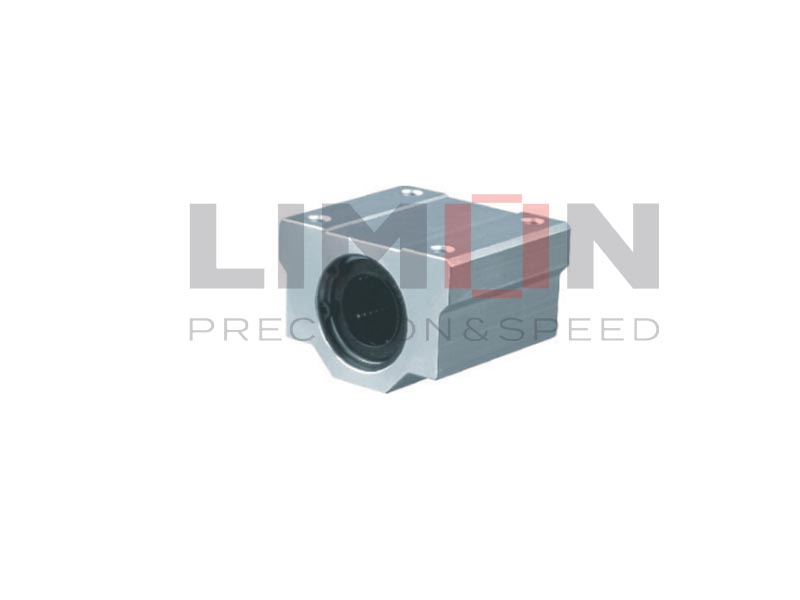
- Rodamientos lineales resistentes
- Actuadores lineales fiables
desempeñan un papel fundamental a la hora de determinar la precisión, la estabilidad y la vida útil generales del sistema.
Ni siquiera el mejor motor puede compensar un diseño mecánico deficiente.
Por qué los ingenieros eligen a Limon para sus soluciones de movimiento lineal
En Limón, somos conscientes de que los sistemas de control de movimiento requieren algo más que simples motores: necesitan plataformas de movimiento completas y de alta precisión.
Gracias a un proceso de fabricación totalmente integrado, producimos productos de alta calidad:
- Guías lineales
- Husillos de bolas
- Rodamientos lineales
- Actuadores lineales
Nuestros productos están diseñados para funcionar a la perfección tanto con sistemas de motores paso a paso como con sistemas de motores sin escobillas, lo que ayuda a los fabricantes de maquinaria y a los ingenieros de automatización a conseguir un rendimiento de movimiento fiable y preciso.
Los componentes de Limon se utilizan ampliamente en:
- Máquinas CNC
- Sistemas robóticos
- Automatización industrial
- Maquinaria de envasado
- Fabricación de semiconductores
- Soluciones para fábricas inteligentes
Gracias a la combinación de la ingeniería de precisión con un estricto control de calidad, ofrecemos soluciones de movimiento que satisfacen las exigencias de la industria moderna.
El futuro del control de movimiento: integración y automatización
A medida que la Industria 4.0 sigue transformando el sector manufacturero en todo Estados Unidos y en el resto del mundo, los sistemas de control de movimiento se están volviendo más rápidos, más inteligentes y más integrados.
Los futuros sistemas de automatización dependerán cada vez más de:
- Robótica de alta velocidad
- Líneas de producción inteligentes
- Producción basada en la inteligencia artificial
- Plataformas de movimiento de precisión
En estos sistemas, tanto la tecnología de los motores paso a paso como la de los motores sin escobillas seguirán desempeñando un papel importante en función de la aplicación.
Las empresas que inviertan hoy en componentes de movimiento de alta calidad estarán mejor preparadas para los entornos de automatización avanzados del futuro.
Reflexiones finales
El debate entre la tecnología de motores paso a paso y la de motores sin escobillas depende, en última instancia, de los requisitos de cada aplicación. Motores paso a paso proporcionan un control de precisión sencillo y rentable, mientras que los motores sin escobillas ofrecen una eficiencia, una velocidad y un rendimiento a largo plazo superiores.
Si evalúas detenidamente las necesidades de tu sistema de movimiento —y combinas el motor adecuado con componentes mecánicos de alta calidad—, podrás alcanzar la fiabilidad, la precisión y la eficiencia que exigen las aplicaciones industriales modernas.
Si estás diseñando un nuevo sistema de automatización o actualizando una máquina ya existente, Soluciones de movimiento lineal de precisión de Limon puede ayudarte a construir una plataforma de movimiento que ofrezca rendimiento y estabilidad a largo plazo.