En las aplicaciones industriales modernas, el control de movimiento de precisión es fundamental. Tanto si estás construyendo un sistema robótico, una máquina CNC o un sistema de automatización, la elección entre un motor lineal y un husillo de bolas puede influir significativamente en el rendimiento, la eficiencia y la rentabilidad. Pero, ¿cómo elegir la opción más adecuada para tus necesidades?
En Limón, estamos especializados en componentes de movimiento lineal de alto rendimiento, entre los que se incluyen husillos de bolas, motores lineales, guías lineales, y los actuadores lineales. Somos conscientes de la importancia de tomar una decisión bien fundamentada, por lo que en este artículo analizaremos las diferencias entre los husillos de bolas y los motores lineales, sus ventajas e inconvenientes, y cómo elegir la mejor opción para tu aplicación específica.
¿Qué es un motor lineal?
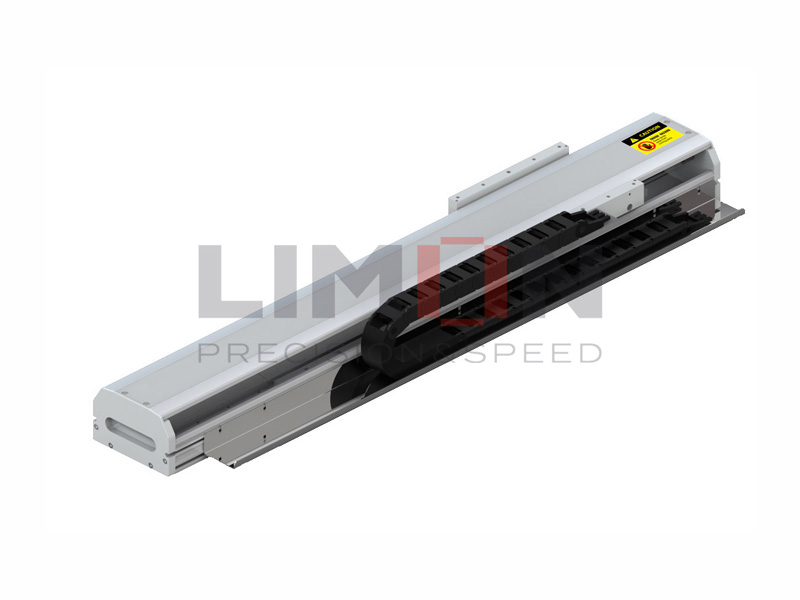
Un motor lineal es un motor eléctrico que produce un movimiento lineal en lugar de un movimiento rotatorio. Básicamente, se trata de un tipo de sistema de accionamiento directo que utiliza campos magnéticos para generar un movimiento lineal sin elementos de transmisión mecánica, como engranajes o correas.
Características principales de los motores lineales
- Accionamiento directo: Elimina los mecanismos de transmisión mecánicos, como los husillos de bolas, lo que reduce el desgaste y las pérdidas mecánicas.
- Alta velocidad y precisión: Los motores lineales destacan en aplicaciones de alta velocidad que requieren un control preciso.
- Holgura mínima: sin holgura mecánica ni juego, lo que garantiza un posicionamiento constante y preciso.
- Eficiencia: Ofrecen una alta eficiencia, especialmente en aplicaciones que requieren arranques y paradas frecuentes.
Los motores lineales se utilizan habitualmente en sectores como la fabricación de semiconductores, las máquinas CNC de alta velocidad y los sistemas robóticos.
¿Qué es un husillo de bolas?
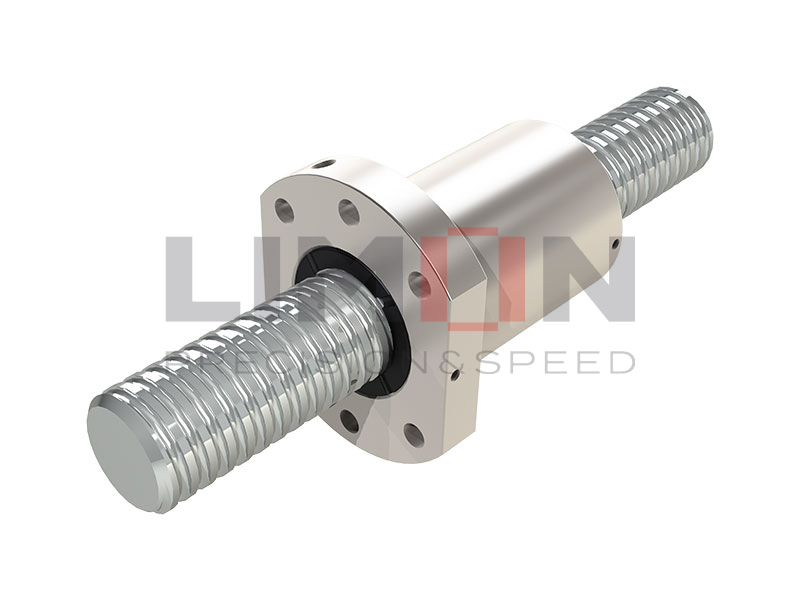
A husillo de bolas Es un dispositivo mecánico que convierte el movimiento rotatorio en movimiento lineal mediante una tuerca de bolas y un eje roscado. La tuerca de bolas se desplaza a lo largo del eje con la ayuda de rodamientos de bolas, lo que reduce la fricción y aumenta la eficiencia.
Características principales de los husillos de bolas
- Transmisión mecánica de potencia: Los husillos de bolas convierten el movimiento rotatorio en movimiento lineal mediante un eje roscado.
- Alta capacidad de carga: Los husillos de bolas pueden soportar cargas elevadas y funcionan bien en aplicaciones que requieren un par elevado.
- Eficiencia: Ofrecen una alta eficiencia con baja fricción, lo que las hace adecuadas tanto para aplicaciones ligeras como para aplicaciones pesadas.
- Rentabilidad: Los husillos de bolas suelen ser más rentables que los motores lineales, especialmente en aplicaciones con requisitos moderados de velocidad y precisión.
Husillos de bolas Se utilizan habitualmente en aplicaciones como las máquinas CNC, la automatización industrial y los actuadores lineales.
Husillo de bolas frente a motor lineal: una comparación directa
Analicemos las principales diferencias entre los husillos de bolas y los motores lineales, y veamos en qué aspectos destaca cada sistema.
| Característica | Husillo de bolas | Motor lineal |
| Tipo de movimiento | Convierte el movimiento rotatorio en movimiento lineal | Movimiento lineal directo |
| Eficacia | Alta eficiencia, pero depende de la tuerca de bolas y del ángulo de paso | Eficiencia muy alta con pérdidas mecánicas mínimas |
| Velocidad | Velocidades moderadas; las velocidades más altas provocan un mayor desgaste | Velocidades extremadamente altas con un movimiento fluido |
| Precisión | Es preciso, pero puede presentar holgura en las cargas elevadas | Precisión muy alta, sin holgura ni juego mecánico |
| Capacidad de carga | Ideal para aplicaciones con cargas elevadas | Su capacidad de carga es inferior a la de los husillos de bolas, aunque varía en función del tamaño del motor |
| Mantenimiento | Requiere lubricación y mantenimiento periódicos | Requiere poco mantenimiento, ya que tiene menos piezas móviles |
| Coste | Suelen ser más económicos que los motores lineales | Mayor coste inicial debido a la complejidad del diseño y de los componentes |
| Aplicaciones | Máquinas CNC, sistemas de automatización, robótica | Sistemas de alta velocidad, fabricación de semiconductores, robots de precisión |
Ventajas de los motores lineales frente a los husillos de bolas
Aunque ambos sistemas tienen su lugar en las aplicaciones industriales modernas, los motores lineales ofrecen varias ventajas claras, especialmente en aplicaciones de alto rendimiento.
- Rendimiento de alta velocidad
Los motores lineales pueden alcanzar velocidades mucho más altas que los husillos de bolas gracias a su diseño de accionamiento directo. Esto los convierte en la opción ideal para aplicaciones que requieren movimientos rápidos, como los robots de «pick-and-place» de alta velocidad y los sistemas de transporte de obleas de semiconductores.
- Mayor precisión
Los motores lineales proporcionan un posicionamiento ultrapreciso sin holgura. Dado que funcionan sin los componentes mecánicos de los husillos de bolas, no hay que preocuparse por la holgura ni por el desgaste mecánico, dos factores que, con el tiempo, pueden reducir la precisión en los sistemas accionados por husillos de bolas.
- Mantenimiento reducido
Al contar con menos piezas mecánicas (como tuercas y rodamientos), los motores lineales sufren un menor desgaste. Esto se traduce en unos costes de mantenimiento y unos tiempos de inactividad considerablemente menores en comparación con los sistemas de husillo de bolas frente a los de motor lineal.
Ventajas de los husillos de bolas frente a los motores lineales
Aunque los motores lineales destacan en determinadas aplicaciones, husillos de bolas siguen siendo muy apreciados en muchos sectores. A continuación te explicamos por qué podrías optar por un sistema de husillo de bolas en lugar de un motor lineal.
- Mayor capacidad de carga
Husillos de bolas pueden soportar cargas mucho mayores que la mayoría de los motores lineales. Esto los convierte en la opción ideal para aplicaciones de alta resistencia en las que es esencial una gran capacidad de carga, como las máquinas CNC de gran tamaño o los sistemas de automatización industrial con piezas móviles pesadas.
- Menor coste inicial
Para aplicaciones con requisitos moderados de velocidad y carga, husillos de bolas ofrecen una solución más económica. Por lo general, son más baratos que los motores lineales, lo que los convierte en una opción más asequible para proyectos con restricciones presupuestarias estrictas.
- Más resistente en entornos adversos
Los husillos de bolas suelen ser más resistentes que los motores lineales, lo que los hace adecuados para entornos con altas temperaturas, polvo u otras condiciones adversas. Son ideales para maquinaria y equipos industriales de alta resistencia que funcionan en entornos difíciles.
Cuándo es mejor optar por un motor lineal en lugar de un husillo de bolas
- Aplicaciones de alta velocidad: Cuando tu sistema requiere un movimiento a alta velocidad con un mínimo de fricción y desgaste.
- Requisitos de precisión: Para aplicaciones que exigen un juego nulo y un control de movimiento de alta precisión, como en robótica o en máquinas CNC de precisión.
- Mantenimiento mínimo: Si buscas un sistema que requiera un mantenimiento mínimo a lo largo de su vida útil, los motores lineales son la mejor opción.
Cuándo es mejor optar por un husillo de bolas en lugar de un motor lineal
- Gran capacidad de carga: Si necesitas soportar cargas pesadas y necesitas un sistema robusto capaz de soportar grandes pesos.
- Sensibilidad al coste: Si necesitas una solución de movimiento fiable y rentable sin los elevados costes iniciales que supone un motor lineal.
- Durabilidad a largo plazo en entornos adversos: En entornos adversos o en los que la máquina se vaya a utilizar durante períodos prolongados, los husillos de bolas suelen ser la mejor opción debido a su robustez y durabilidad.
Conclusión: Motor lineal frente a husillo de bolas: ¿cuál es el más adecuado para tu aplicación?
En definitiva, la elección entre un husillo de bolas y un motor lineal depende de las necesidades específicas de tu aplicación. Si la velocidad, la precisión y el bajo mantenimiento son tus principales prioridades, lo más probable es que un motor lineal sea la mejor opción. Sin embargo, si necesitas soportar cargas elevadas y buscas una solución más rentable, husillos de bolas sigue siendo una tecnología fiable y muy utilizada.
En Limón, ofrecemos tanto motores lineales como husillos de bolas, junto con una gama completa de componentes de movimiento lineal, para satisfacer sus necesidades de automatización industrial. Nuestros ingenieros están a su disposición para ayudarle a elegir la solución óptima para su proyecto, garantizando la mejor combinación de rendimiento, coste y durabilidad.
_1.jpg)