Struggling to choose between compact, heavy-duty, or robotic linear actuators for your automation project?
A linear actuator converts rotational or electrical energy into precise linear motion. From a mini actuator linear design to heavy duty linear actuators, the right actuator improves accuracy, reliability, and efficiency in robotics, industrial automation, medical equipment, and smart motion systems.
Discover actuator types, applications, and selection tips for optimal linear motion performance.
What Is a Linear Actuator and Why Is It Essential in Modern Automation?
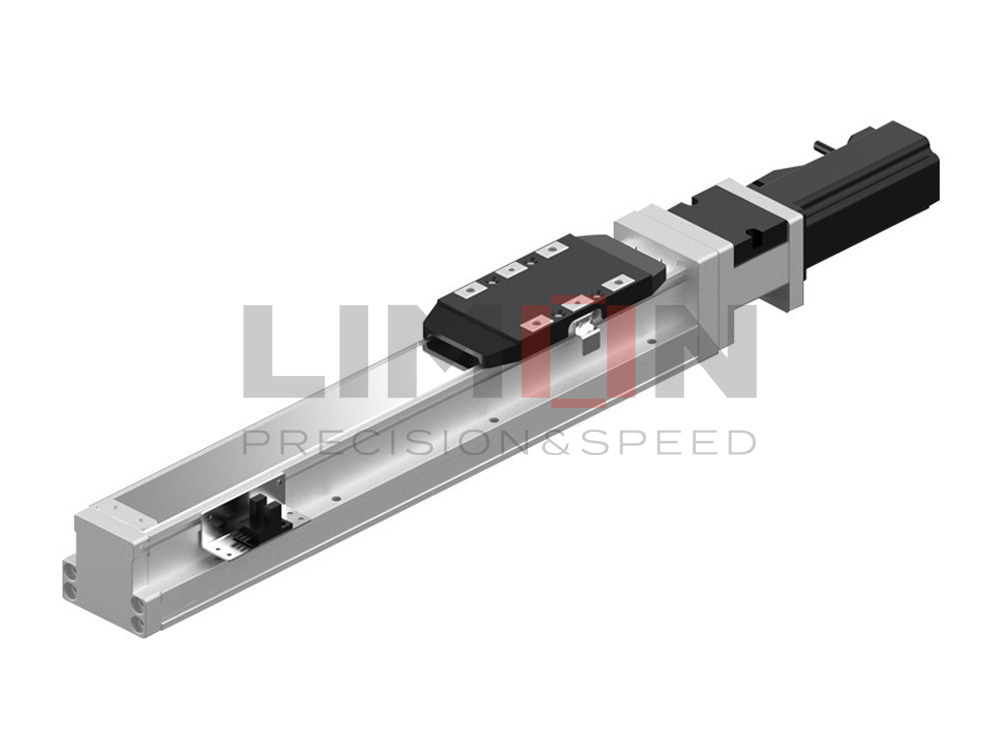
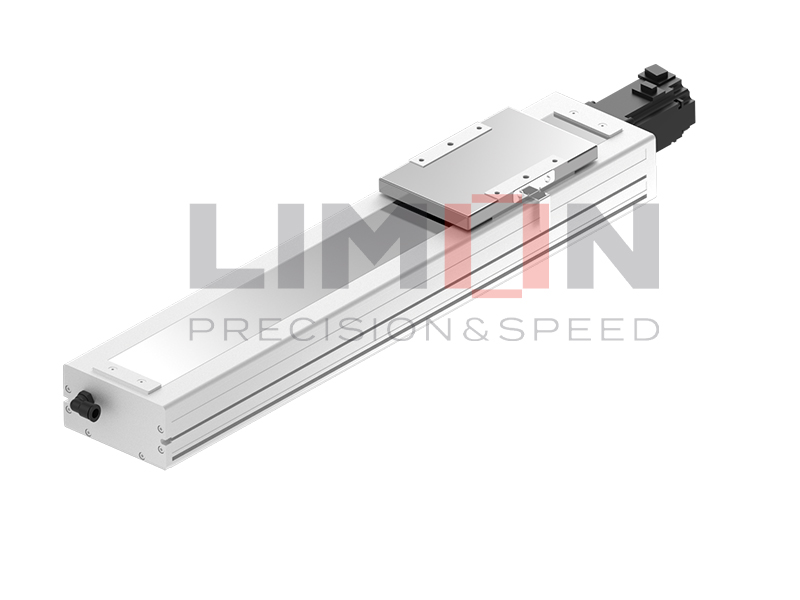
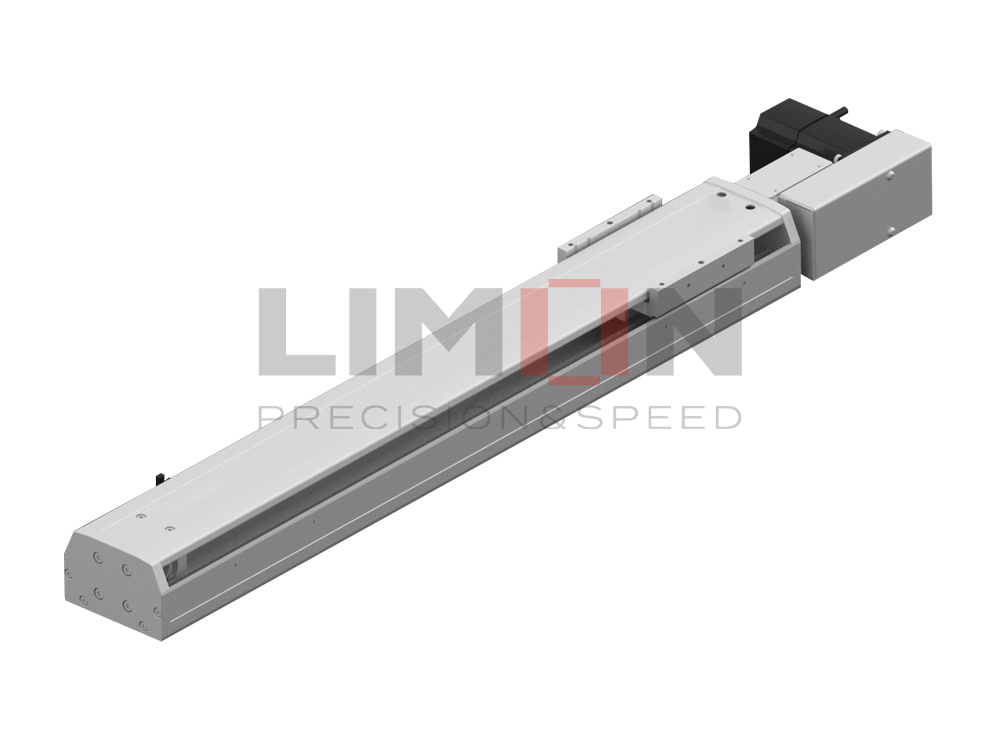
A linear actuator is a motion device that creates straight-line movement rather than rotational motion. It serves as the foundation of countless automation systems, including CNC equipment, industrial robots, packaging machinery, medical devices, and automated production lines.
Today’s market offers a wide range of solutions, from the smallest+linear+actuator used in compact electronics to powerful heavy duty linear actuators designed for demanding industrial environments. Depending on the application, engineers may select electric, pneumatic, hydraulic, or screw-driven actuator technologies.
At Limon, we manufacture high-performance linear motion products through a fully integrated production system. By combining precision-machined ball screws, linear guides, bearings, and actuator assemblies under one roof, we ensure superior quality control and performance consistency.
As Industry 4.0 continues to evolve, demand for intelligent motion systems has accelerated. Whether customers require a standard actuator or a highly customized solution, selecting the right actuator is critical for achieving long-term productivity and reliability.
How Do Standard, Mini, and Heavy-Duty Linear Actuators Differ?
Understanding actuator categories helps engineers make better design decisions.
A standard linear actuator is commonly used in industrial machinery, automated doors, lifting systems, and positioning equipment. These versatile products balance cost, speed, load capacity, and precision. Many manufacturers offer multiple standard linear actuators to fit different application requirements.
For space-constrained systems, a mini actuator linear solution provides compact dimensions while maintaining excellent positioning capability. These actuators are often found in medical devices, laboratory equipment, inspection systems, and compact robotics.
At the opposite end of the spectrum, heavy duty linear actuators are engineered to move large loads under continuous operation. Common applications include material handling systems, industrial presses, logistics automation, and heavy manufacturing equipment.
Limon’s integrated manufacturing capability allows us to produce actuator systems ranging from miniature designs to high-load industrial units. This flexibility enables customers to source multiple motion solutions from a single trusted supplier.
Why Are Robotic Linear Actuators Becoming More Important?
Robotics is one of the fastest-growing sectors utilizing advanced linear motion technology.
Moderno robot linear actuators provide highly accurate positioning for pick-and-place systems, collaborative robots, assembly lines, and inspection equipment. A high-performance robotic linear actuator helps improve repeatability, reduce cycle times, and increase production efficiency.
Unlike traditional pneumatic systems, electric actuators offer greater control and easier integration with intelligent automation platforms. They can precisely regulate speed, acceleration, and position while reducing maintenance requirements.
Many robotic systems also require synchronized motion. Combining precision linear guides, ball screws, and servo motors creates highly reliable robotic motion platforms capable of operating continuously in demanding environments.
Limon’s actuator solutions are specifically designed to work seamlessly with linear guides, ball screws, and motion control systems. This integration helps engineers achieve exceptional performance in robotic automation applications while reducing system complexity.
How Do Remote-Controlled and Reciprocating Linear Actuators Improve Automation?
Automation increasingly demands flexibility and remote operation capabilities.
A remote control for linear actuator system allows operators to manage movement from a distance, improving safety and convenience. Industries such as agriculture, transportation, medical equipment, and smart manufacturing frequently use remote control linear actuators to simplify operation and reduce manual intervention.
Another popular solution is the reciprocating linear actuators configuration, which repeatedly moves back and forth between two positions. These actuators are commonly used in automated testing equipment, packaging machinery, material feeding systems, and inspection stations.
By combining sensors, controllers, and intelligent motion software, modern actuator systems can automatically adjust movement parameters based on operational requirements.
At Limon, our engineering team provides technical support to help customers integrate actuator systems with advanced control technologies. This ensures smooth implementation and maximum operational efficiency across diverse industrial environments.
What Should You Consider When Choosing a Quick Linear Actuator?
Speed is often a critical factor when selecting a motion solution.
A quick linear actuator can significantly improve productivity by reducing cycle times and increasing throughput. However, speed must always be balanced with load capacity, accuracy, and durability.
When evaluating actuator performance, engineers should consider:
- Required load force
- Longitud de la carrera
- Velocidad de funcionamiento
- Precisión de posicionamiento
- Ciclo de trabajo
- Condiciones medioambientales
For example, applications requiring high acceleration may benefit from belt-driven systems, while precision positioning often favors ball screw mechanisms. Compact applications may require the smallest+linear+actuator, whereas industrial lifting systems may require larger actuator assemblies.
Limon’s vertically integrated manufacturing process allows us to optimize actuator components for specific customer requirements. This ensures every actuator delivers the ideal combination of speed, precision, and reliability.
Can Customized Linear Actuator Solutions Deliver Better Results?
Many automation projects require motion systems that standard catalog products cannot fully satisfy.
Customized actuator solutions may involve unique mounting configurations, specialized stroke lengths, integrated sensors, enhanced environmental protection, or application-specific performance characteristics. This is particularly common in robotics, medical devices, semiconductor manufacturing, and advanced automation equipment.
Because Limon controls the complete manufacturing process—from raw material processing and precision machining to assembly and testing—we can efficiently develop customized actuator solutions tailored to customer requirements.
Unlike companies that simply assemble outsourced components, our integrated production capabilities allow us to maintain strict quality standards while shortening development timelines. Customers benefit from greater flexibility, better performance, and more reliable supply chain management.
For OEMs and machine builders seeking competitive advantages, customized linear motion solutions often provide significant long-term value.
What Is the Future of Linear Actuator Technology?
The future of linear actuators is being shaped by automation, digitalization, and intelligent manufacturing.
Emerging trends include:
- Smart actuator monitoring
- Sistemas de mantenimiento predictivo
- Advanced robotic integration
- Energy-efficient motion control
- Compact high-performance designs
- AI-assisted motion optimization
As factories become increasingly connected, actuator systems will play a larger role in collecting operational data and supporting autonomous decision-making. Demand for intelligent robot linear actuators, compact mini actuator linear systems, and advanced heavy duty linear actuators will continue growing across industries.
Manufacturers that combine precision engineering with intelligent motion control technologies will lead the next generation of industrial automation.
Limon remains committed to continuous innovation, helping customers adopt future-ready linear motion solutions that improve productivity, reliability, and competitiveness.
Conclusión
Linear actuators are essential components in modern automation, robotics, and industrial machinery. Whether you need a standard linear actuator, a mini actuator linear solution, a quick linear actuator, advanced robotic linear actuator technology, or powerful heavy duty linear actuators, selecting the right motion system directly impacts performance and efficiency.
With fully integrated manufacturing, direct-to-customer sales, rigorous quality control, and professional technical support, Limon delivers reliable, high-performance linear motion solutions that meet the evolving needs of global industries. When precision, durability, and engineering expertise matter, Limon is your trusted partner for advanced linear motion technology.