Struggling with poor positioning accuracy or unstable motion—could your system be missing a proper servomecanismo solution?
A servomecanismo (or servomecanismo) is a closed-loop control system that uses feedback to precisely control position, speed, and torque. It continuously corrects motion errors, ensuring high accuracy and efficiency in automation systems.
Let’s explore how servomechanisms work, their applications, and how to choose the right solution.
What Is a Servomecanismo? (Servomechanism Definition Explained)
To define servomechanism, we describe a system that automatically controls motion using feedback. The definición de servomecanismo centers on a closed-loop process where the system compares actual output with desired input and continuously adjusts to minimize error.
En servomechanism meaning includes three essential elements:
- A motor (servo motor)
- A feedback device (encoder or sensor)
- Un controlador (servoaccionamiento)
A mecanismo servo operates by constantly monitoring performance and correcting deviations in real time. This is what makes servomecanismos far more precise than traditional open-loop systems.
El término servomecanismo is widely used in Spanish-speaking markets but refers to the same advanced control concept used globally in automation and motion control.
At Limon, we design motion systems that integrate seamlessly with servomecanismos, ensuring precise, reliable, and high-performance operation.
How Does a Servomechanism Work in Motion Systems?
Understanding how a servomecanismo works helps clarify why it is essential for precision engineering.
A mecanismo servo follows a continuous feedback loop:
- The system receives a command (desired position or speed)
- Sensors measure actual output
- The controller compares the two values
- Adjustments are made instantly to correct any error
This process defines the core servomechanism meaning—automatic correction for precise control.
Unlike basic motor systems, servomecanismos respond dynamically to changes in load, speed, or environmental conditions.
In linear motion systems, servos are often combined with:
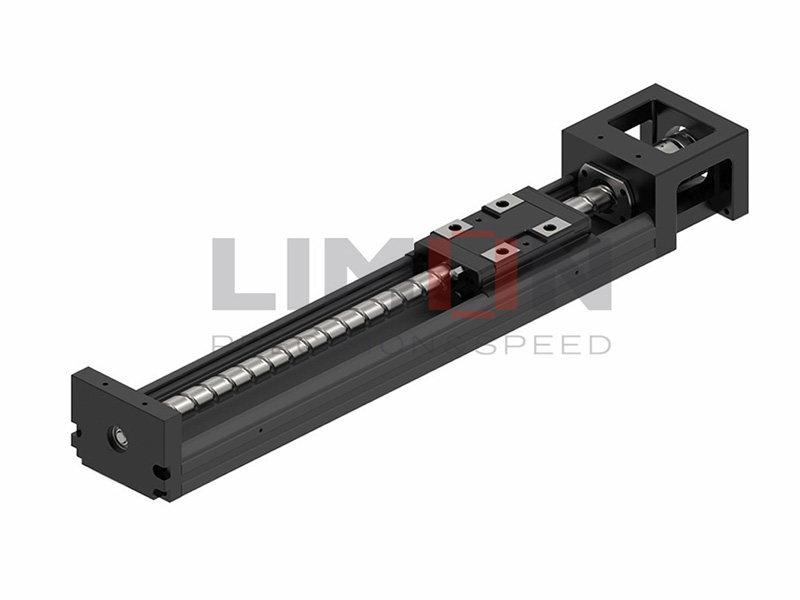
- Husillos de bolas
- Guías lineales
- Actuadores
Limon’s integrated manufacturing ensures that all components work seamlessly with servomecanismo technology, delivering stable and accurate motion.
What Are the Key Components of a Servo Mechanism?
To fully define servomechanism, it’s important to understand its main components and their roles.
- Servomotor
Provides motion and responds to control signals with high precision.
- Dispositivo de retroalimentación
Encoders or sensors measure position, speed, and direction.
- Controller (Servo Drive)
Procesa los comandos y ajusta el rendimiento del motor en tiempo real.
Together, these elements form a complete servomecanismo system capable of delivering precise and repeatable motion.
In advanced automation, servomecanismos are integrated with mechanical components such as linear rails and ball screws to create highly efficient motion platforms.
Limon ensures compatibility across all system components, enabling customers to achieve optimal performance and reliability.
¿Dónde se utilizan los servomecanismos?
The importance of servomecanismo technology becomes clear when looking at its applications across modern industries.
Aplicaciones clave:
- CNC machining and precision manufacturing
- Robotics and automated assembly
- Sistemas de envasado y manipulación de materiales
- Equipos médicos y de laboratorio
In these applications, the servomechanism meaning translates into precise control and consistent performance.
Por ejemplo:
- In CNC machines, servomecanismos ensure accurate tool positioning
- En robótica, permiten realizar movimientos fluidos y coordinados
Comprender la definición de servomecanismo helps engineers design systems that meet demanding performance requirements.
Limon’s solutions are widely used in these industries, delivering reliable motion control in critical applications.
Servomechanism vs Traditional Systems: What’s the Difference?
A key advantage of a mecanismo servo is its closed-loop design, which distinguishes it from traditional systems.
Traditional Systems:
- Open-loop control
- Limited accuracy
- No automatic error correction
Servomechanisms:
- Retroalimentación en bucle cerrado
- Alta precisión y capacidad de respuesta
- Real-time error correction
This difference highlights the true servomechanism meaning—intelligent control for superior performance.
While traditional systems may be suitable for simple tasks, servomecanismos are essential for advanced automation where precision and reliability are critical.
Limon helps customers transition from basic systems to advanced servomecanismo solutions that improve efficiency and performance.
How to Choose the Right Servomechanism for Your Application?
Seleccionar el servomecanismo requires understanding both system requirements and performance goals.
Factores clave:
- Required precision and repeatability
- Load and torque requirements
- Requisitos de velocidad y aceleración
- Compatibility with mechanical components
Un diseño bien concebido servomecanismo garantiza:
- Improved accuracy
- Reducción del tiempo de inactividad
- Higher system efficiency
To properly define servomechanism requirements, engineers must consider the entire motion system, not just the motor.
Limon’s engineering team provides expert support to help customers select and integrate the ideal mecanismo servo for their applications.
What Are the Future Trends in Servomechanisms?
La evolución de servomecanismos is closely tied to advancements in automation and smart manufacturing.
Tendencias emergentes:
- Integración con el IoT y los sensores inteligentes
- Aumento de la demanda de sistemas de alta velocidad y alta precisión
- Growth of compact and energy-efficient designs
- Expansión en el ámbito de la robótica y la automatización basada en la inteligencia artificial
As industries evolve, the role of servomecanismo technology will continue to grow, driving innovation in motion control.
Limon remains at the forefront of these trends, delivering solutions that meet the demands of next-generation automation.
Reflexiones finales
Comprender la definición de servomecanismo is essential for building high-performance motion systems. From the core servomechanism meaning to real-world applications, this technology enables precision, efficiency, and reliability.
En Limon, combinamos fabricación totalmente integrada, ventas directasy expert technical support entregar soluciones de movimiento lineal de alto rendimiento.
If you’re looking to integrate advanced servomecanismos into your systems, Limon es tu socio de confianza para el control de movimiento de precisión.