In today’s competitive automation landscape, choosing the right motion system can make or break your machine’s performance. Whether you’re building high-speed packaging equipment in Illinois or precision CNC systems in California, the debate between linear motor vs linear actuator is more relevant than ever.
Both technologies deliver linear motion—but they do it in fundamentally different ways.
En Limón, we specialize in high-performance linear motion solutions, including husillos de bolas, guías lineales, and actuators. In this guide, we’ll break down the differences between linear motor vs linear actuator, explore their advantages, and help you determine which solution best fits your application.
¿Qué es un motor lineal?
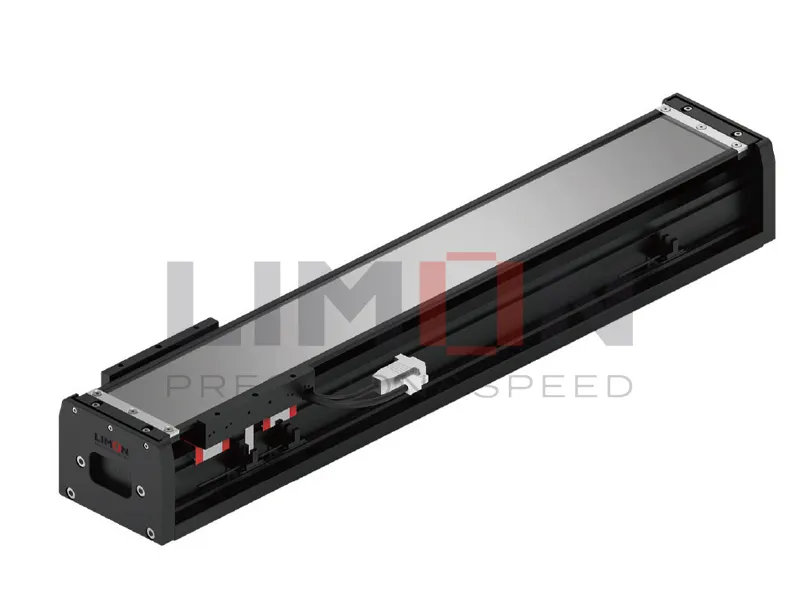
A linear motor is essentially an “unrolled” rotary motor. Instead of converting rotational motion into linear movement, it generates motion directly along a straight path.
Características principales:
- Direct drive (no mechanical transmission)
- High speed and acceleration
- Extremely high precision
- Low mechanical wear
Linear motors are widely used in:
- Fabricación de semiconductores
- High-speed automation systems
- Precision inspection equipment
Because they eliminate mechanical contact, linear motors are ideal for applications requiring ultra-fast and ultra-precise motion.
¿Qué es un actuador lineal?
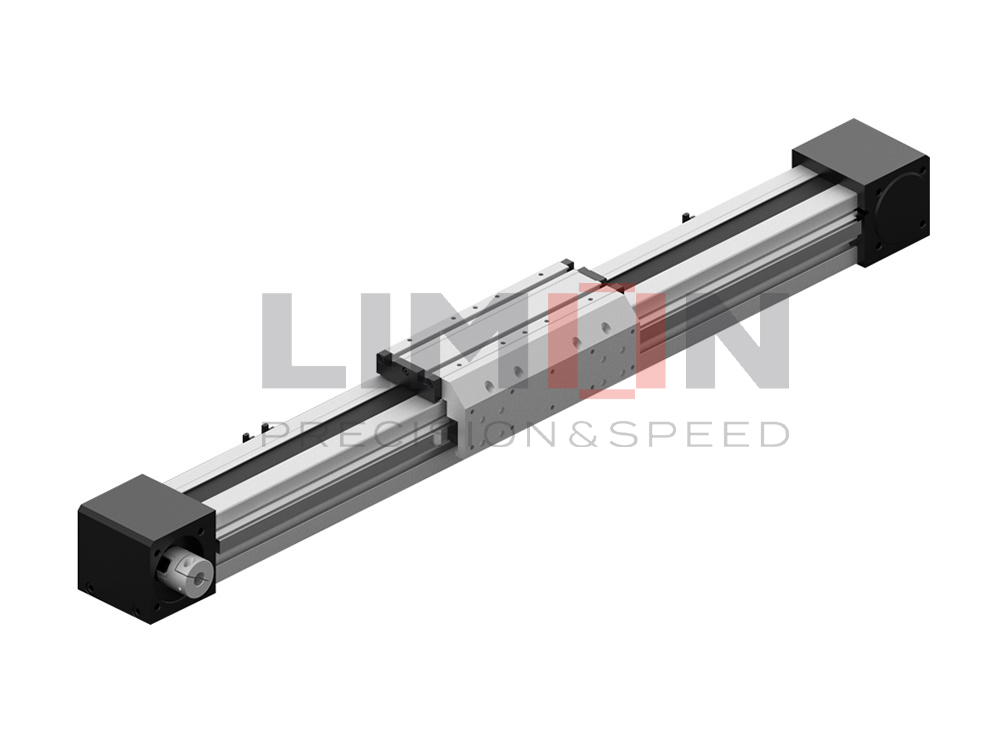
A linear actuator converts rotational motion into linear motion using mechanical components such as:
- Husillos de bolas
- Tornillos de paso
- Belt drives
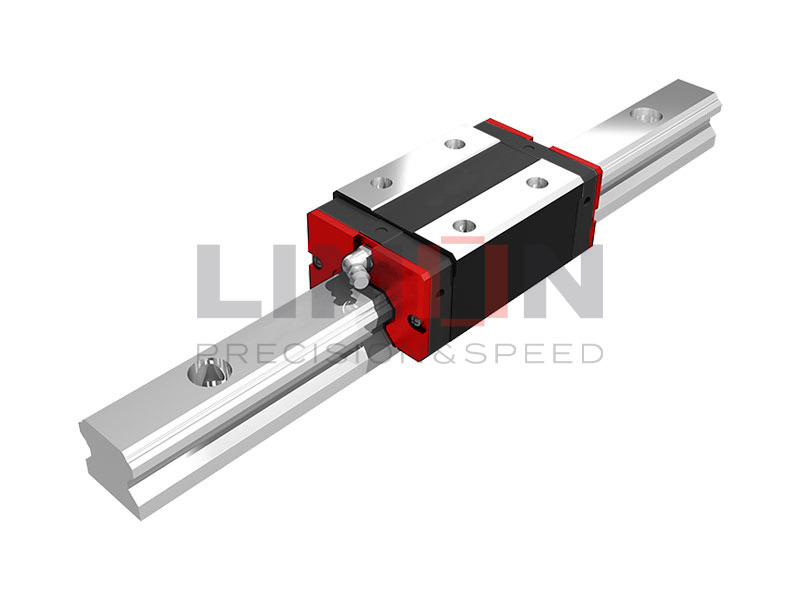
- Guías lineales
Características principales:
- Gran capacidad de carga
- Gran fuerza de empuje
- Cost-effective design
- Wide range of configurations
Los actuadores lineales se utilizan habitualmente en:
- Máquinas CNC
- Sistemas de automatización industrial
- Equipos de manipulación de materiales
- Robótica
En Limón, our actuators are engineered for durability, precision, and seamless integration with guías lineales y husillos de bolas.
Linear Motor vs Linear Actuator: Key Differences
Understanding the core differences between linear motor vs linear actuator is essential for selecting the right motion system.
| Característica | Motor lineal | Actuador lineal |
| Tipo de accionamiento | Accionamiento directo | Transmisión mecánica |
| Velocidad | Muy alto | Moderado a alto |
| Precisión | Extremadamente alto | Alta |
| Capacidad de carga | Moderado | Alta |
| Coste | Más alto | Más rentable |
| Mantenimiento | Muy bajo | Low to moderate |
| Complejidad | Más alto | Baja |
In short, linear motors excel in speed and precision, while linear actuators offer strength, versatility, and affordability.
When to Choose a Linear Motor
A linear motor is the best choice when your application requires:
Ultra-High Speed
Ideal for industries like semiconductor manufacturing and high-speed inspection.
Extreme Precision
Perfect for applications where micron-level accuracy is critical.
Bajo mantenimiento
No mechanical contact means minimal wear and longer service intervals.
Clean Environments
Linear motors are commonly used in cleanrooms due to reduced particle generation.
When to Choose a Linear Actuator
A linear actuator is the better option when your application requires:
Gran capacidad de carga
Ball screw-driven actuators can handle heavy loads and strong thrust forces.
Eficiencia de costes
Compared to linear motors, actuators provide excellent performance at a lower cost.
Versatilidad
Suitable for a wide range of industrial applications.
Proven Reliability
Widely used across American manufacturing industries for decades.
For most CNC machines and industrial automation systems, the linear actuator remains the preferred solution.
Real-World Applications in U.S. Industry
Across the United States, both technologies are widely used:
Linear Motors:
- Semiconductor fabs in Arizona
- High-speed packaging lines
- Precision optical inspection systems
Linear Actuators:
- CNC machining centers in the Midwest
- Líneas de montaje de automóviles
- Warehouse automation systems
- Robotics and pick-and-place applications
In many cases, engineers evaluate linear motor vs linear actuator based on performance requirements and budget constraints.
Cost Considerations: Linear Motor vs Linear Actuator
Cost is a major factor in system design.
Linear Motor:
- Mayor inversión inicial
- Menores costes de mantenimiento
- Requires advanced control systems
Linear Actuator:
- Menor coste inicial
- Easy integration
- Lower system complexity
For most OEMs and system integrators, linear actuators provide the best balance between performance and cost.
Why Limon Linear Actuators Stand Out
En Limón, we focus on delivering high-performance linear actuator solutions that meet the demands of modern automation.
Nuestras ventajas:
- Línea de producción totalmente integrada
- Precision-engineered ball screws and guide rails
- High rigidity and smooth motion
- Long service life and reliability
- Precios competitivos gracias a la venta directa
Our actuators are designed to deliver the precision of advanced systems while maintaining the durability required for real-world industrial environments.
Future Trends in Linear Motion Technology
As automation evolves, the linear motor vs linear actuator discussion continues to evolve.
Tendencias clave:
- Increasing demand for hybrid systems
- Mayores requisitos de precisión en los sectores de los vehículos eléctricos y el sector aeroespacial
- Integration with smart sensors and control systems
- Growth of modular automation platforms
While linear motors are gaining traction in high-end applications, linear actuators remain the backbone of most industrial systems.
Conclusion: Choosing the Right Motion Solution
The choice between linear motor vs linear actuator ultimately depends on your specific application needs.
- Choose a linear motor for speed, precision, and advanced applications
- Choose a linear actuator for strength, cost-efficiency, and versatility
For most industrial applications, especially in CNC machining and automation, linear actuators offer the best combination of performance and value.
En Limón, we provide reliable, high-performance linear motion solutions designed to meet the needs of modern manufacturing.