In modern automation, CNC machining, and industrial motion systems, precision doesn’t happen by accident. It’s engineered—often down to microns. One of the most critical yet often overlooked components enabling this level of accuracy is the ball nut.
So what exactly is a ball nut, how does it work with balls and nuts, and why does its quality directly impact system performance?
In this guide, we’ll explain ball nut fundamentals, clarify terms like ballnuts, ballnut, and ball nuts, and show why choosing the right ball nut is essential for high-performance linear motion systems—especially when paired with Limon’s ball screws, linear guides, and actuators.
¿Qué es una tuerca esférica?
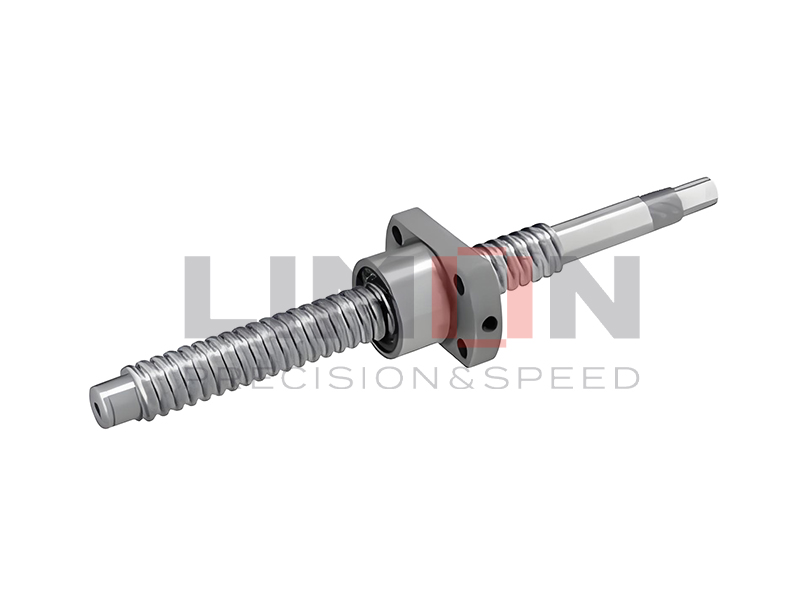
A ball nut is a precision mechanical component that works together with a ball screw to convert rotational motion into smooth, accurate linear motion using recirculating steel balls.
Unlike traditional lead screw nuts that rely on sliding friction, a ball nut uses rolling contact, dramatically reducing friction and wear.
Basic Structure of a Ball Nut
A typical ball nut consists of:
- A nut body with internal helical grooves
- Precision steel balls (the “balls” in balls and nuts)
- A ball return system (tube, end cap, or internal deflector)
As the ball screw rotates, the balls roll between the screw shaft and the ballnut, carrying the load and enabling efficient motion.
Balls and Nuts: How the System Works
Understanding balls and nuts is key to understanding why ball screw systems outperform traditional alternatives.
Why Balls Matter
The rolling balls inside the nut:
- Minimize friction
- Reduce heat generation
- Improve efficiency (often over 90%)
- Enable high-speed, high-load operation
This rolling mechanism is what allows ball nuts to deliver exceptional accuracy and long service life in demanding industrial environments.
Ballnuts vs Traditional Nuts
When comparing ballnuts to conventional threaded nuts, the differences are significant:
| Característica | Tuerca esférica | Traditional Nut |
| Fricción | Very low (rolling) | High (sliding) |
| Eficacia | 85-95% | 30–50% |
| Precisión | Alta | Limitado |
| Póngase | Mínimo | Significativo |
| Capacidad de velocidad | Alta | Bajo |
This is why ball nuts are the standard choice in CNC machines, automation systems, and precision equipment.
Ball Nut vs Ball Nuts: Understanding the Terminology
You may see different terms used online:
- Ball nut
- Ballnut
- Ball nuts
- Ballnuts
In practical industry usage, these terms all refer to the same core component. Variations often appear due to:
- SEO keyword usage
- Regional language preferences
- Informal technical writing
At Limon, we focus less on terminology and more on engineering performance and reliability.
Key Functions of a Ball Nut
A high-quality ballnut serves several critical functions:
- Converts rotary motion into linear motion
- Supports axial loads with high rigidity
- Maintains precise positioning and repeatability
- Enables smooth, backlash-controlled movement
- Extends system lifespan
The ball nut is not just a connector—it’s a load-bearing precision component that defines system accuracy.
Where Ball Nuts Are Used
Ball nuts are used anywhere precise, efficient linear motion is required.
Common Applications of Ball Nuts
- Máquinas herramienta CNC
- Equipos de automatización industrial
- Robótica y sistemas de pórtico
- Fabricación de semiconductores
- Packaging and assembly machinery
- Equipos médicos y de laboratorio
In nearly all these applications, ball nuts work in combination with:
- Husillos de bolas
- Guías lineales
- Servo motors or stepper motors
The Importance of Ball Nut Quality
Not all ball nuts are created equal. Performance depends heavily on:
- Calidad de los materiales
- Groove geometry accuracy
- Ball grade and matching
- Uniformidad del tratamiento térmico
- Assembly precision
Low-quality ballnuts can cause:
- Excessive backlash
- Vibraciones y ruido
- Precisión reducida
- Premature failure
This is why manufacturers increasingly choose vertically integrated suppliers like Limon.
How Limon Designs High-Performance Ball Nuts
At Limon, ball nuts are engineered for real industrial use—not just catalog specifications.
Limon Ball Nut Advantages
- Precision-ground internal raceways
- Optimized ball circulation design
- Gran capacidad de carga y rigidez
- Smooth operation at high speeds
- Excellent compatibility with Limon ball screws
Because our production is fully integrated, we maintain tight quality control from raw material to final assembly.
Ball Nuts in Complete Linear Motion Systems
A ball nut performs best when integrated into a well-matched motion system.
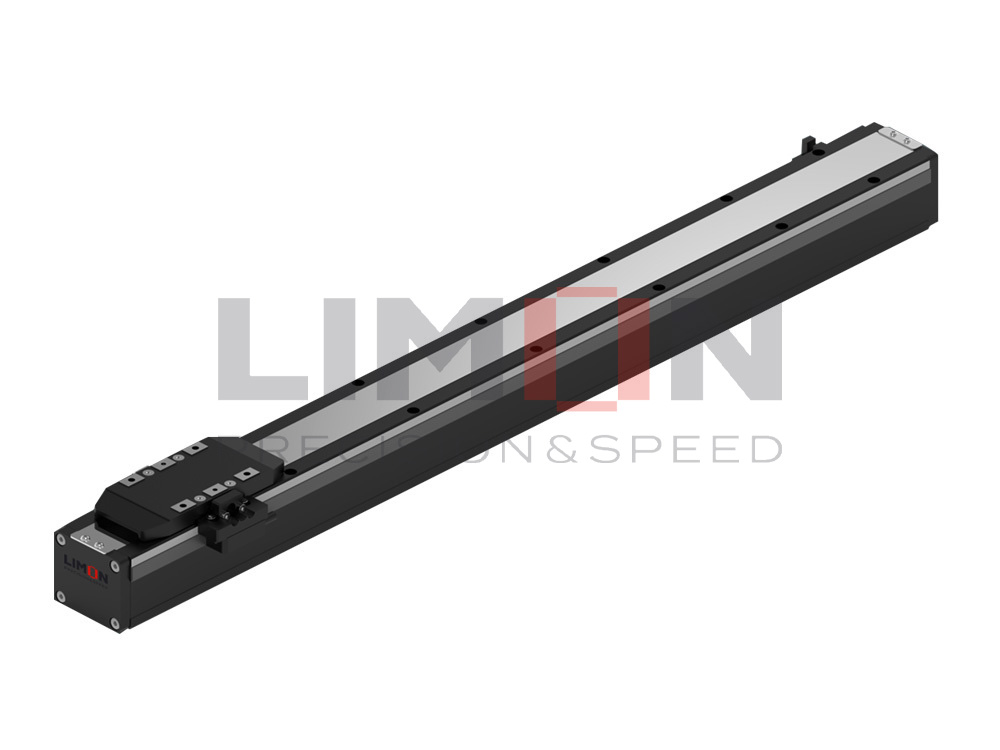
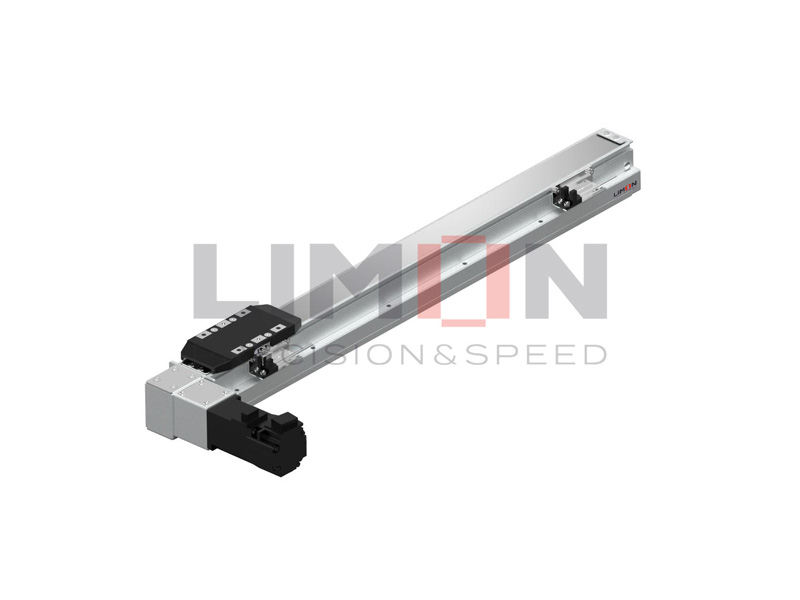
Limon provides complete solutions combining:
- Ball screws + ball nuts
- Linear guide rails for support and stability
- Linear actuators for compact integration
This system-level approach ensures:
- Mayor precisión
- Mejor distribución de la carga
- Reduced installation complexity
- Mayor vida útil
Future Trends in Ball Nut Technology
As automation advances, ball nut design continues to evolve with trends such as:
- Higher rigidity for faster acceleration
- Lower noise ball circulation systems
- Preloaded ballnuts for zero backlash
- Compact designs for space-constrained machines
- Integration into modular linear actuators
These trends align with Limon’s focus on future-ready precision motion solutions.
Final Thoughts: Why the Ball Nut Matters More Than You Think
The ball nut may be small compared to the machine it powers—but its impact is massive.
From understanding how balls and nuts work together to choosing the right ballnuts for your application, informed decisions lead to:
- Better accuracy
- Mayor eficacia
- Longer equipment life
If you’re building or upgrading a precision motion system, choosing a reliable ballnut is non-negotiable.
With Limon’s industrial-grade ball nuts and ball screws, you get precision you can trust—engineered, manufactured, and supported by a single expert partner.