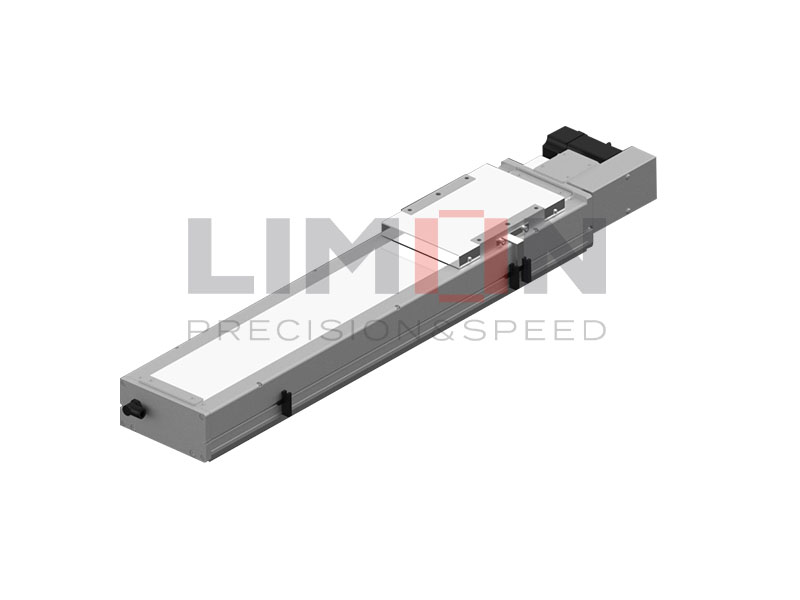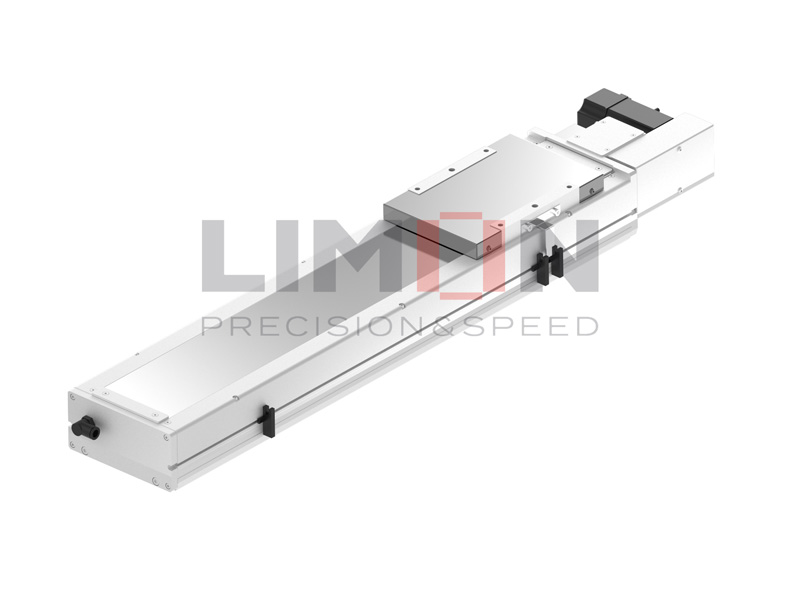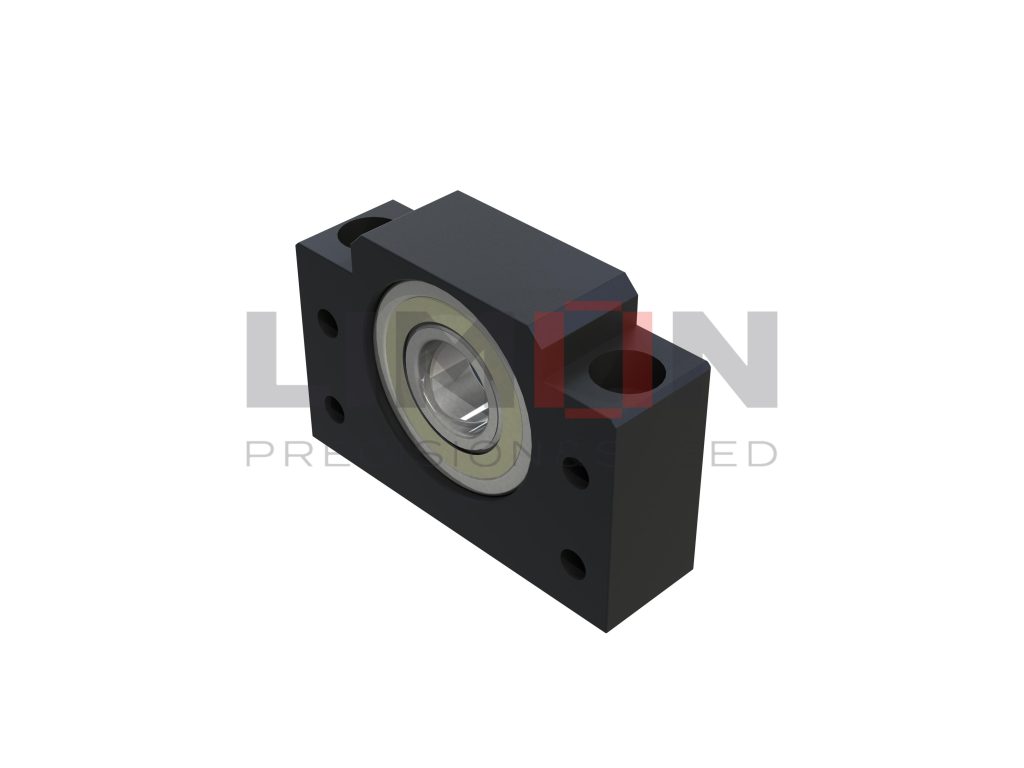
In modern automation, precision manufacturing, and industrial equipment, smooth linear motion is not a luxury—it’s a requirement. Whether it’s a CNC machine, an automated assembly line, or a compact linear actuator, one component plays a critical role behind the scenes: the linear bearing.
So what is a linear bearing, how does it work, and why does choosing the right one make such a big difference in performance and reliability?
¿Qué es un rodamiento lineal?
A linear bearing is a mechanical component designed to allow smooth, low-friction movement along a straight path, typically guided by a shaft or rail.
Unlike rotary bearings, which support rotating motion, linear bearings support translational motion, making them essential for systems that require precise positioning and repeatability.
Core Functions of a Linear Bearing
A linear bearing is designed to:
- Reduce friction during linear movement
- Support radial and moment loads
- Maintain alignment and accuracy
- Enable smooth, repeatable motion
- Extend the life of mechanical systems
In industrial environments, linear bearings are fundamental to achieving speed, accuracy, and long-term reliability.
Linear Bearing Shaft: Why the Shaft Matters
A linear bearing does not work alone. Its performance depends heavily on the linear bearing shaft it runs on.
What Is a Linear Bearing Shaft?
A linear bearing shaft is a precision-ground, hardened steel rod that provides the running surface for the bearing. The shaft must meet strict tolerances to ensure:
- Smooth rolling motion
- Minimal vibration
- Even load distribution
- Long bearing life
Poor shaft quality can quickly degrade even the best bearing, leading to noise, wear, and positioning errors.
Limon Advantage
En Limón, linear bearings and shafts are engineered as matched systems, ensuring optimal fit, performance, and durability—something many standalone bearings distributors cannot guarantee.
Ball Linear Bearing: The Most Common Solution
The ball linear bearing is one of the most widely used linear bearing types in industrial applications.
How a Ball Linear Bearing Works
A ball linear bearing uses rows of recirculating steel balls that roll between the bearing and the shaft. This rolling contact significantly reduces friction compared to sliding systems.
Key Benefits of Ball Linear Bearings
- Extremely low friction
- Smooth and quiet operation
- High speed capability
- Good load capacity for compact designs
- Larga vida útil
Because of these advantages, ball linear bearings are commonly used in:
- Equipos de automatización
- Máquinas CNC
- Actuadores lineales
- Packaging and inspection systems
Linear Bearings vs Sliding Bushings
Understanding the value of linear bearings becomes clearer when compared to traditional sliding bushings.
| Característica | Rodamiento lineal | Sliding Bushing |
| Fricción | Muy bajo | Alta |
| Eficacia | Alta | Bajo |
| Póngase | Mínimo | Significativo |
| Velocidad | Alta | Limitado |
| Precisión | Excelente | Moderado |
For precision-driven industries, linear bearings are often the only practical choice.
Rodamientos Lineales: A Global Industry Term
You may encounter the term rodamientos lineales, especially when sourcing components globally or working with international engineering teams.
Rodamientos lineales is simply the Spanish term for linear bearings, widely used across Latin America, Europe, and global supply chains.
Including this terminology reflects the international demand and recognition of linear bearing technology—and highlights why global manufacturers like Limon design products that meet worldwide standards.
Where Linear Bearings Are Used
Linear bearings are used in nearly every industry that relies on controlled motion.
Aplicaciones comunes
- Máquinas herramienta CNC
- Sistemas de automatización industrial
- Robotics and Cartesian gantries
- Equipos médicos y de laboratorio
- Fabricación de semiconductores
- Linear actuators and positioning tables
In most of these applications, linear bearings work together with:
- Guías lineales
- Husillos de bolas
- Servo or stepper motors
The Importance of Choosing the Right Bearings Distributor
Many buyers search for a reliable bearings distributor to source linear bearings quickly. While distributors offer convenience, they often lack:
- Control over manufacturing quality
- Opciones de personalización
- Application-specific engineering support
Manufacturer vs Bearings Distributor
A vertically integrated manufacturer like Limon provides:
- Direct factory pricing
- Full quality control
- Engineering-driven solutions
- Better system compatibility
For high-performance industrial applications, this difference matters.
Why Engineers Choose Limon Linear Bearings
As a fully integrated linear motion manufacturer, Limon offers:
- Precision-manufactured linear bearings and shafts
- Consistent quality from raw material to final assembly
- Compatibility with linear guides, ball screws, and actuators
- Industrial-grade reliability at competitive cost
- Direct technical support from motion experts
Instead of sourcing parts from multiple suppliers, customers can rely on Limon for complete, optimized linear motion solutions.
Tendencias futuras en la tecnología de los rodamientos lineales
As automation advances, linear bearing technology continues to evolve:
- Higher load capacity in smaller designs
- Lower noise ball circulation systems
- Improved sealing for harsh environments
- Integration into compact linear actuators
- Greater demand for system-level motion solutions
These trends align with Limon’s focus on future-ready, high-performance industrial motion systems.
Final Thoughts: Why Linear Bearings Matter
A linear bearing may seem like a small component, but it plays a massive role in system performance.
From the precision of the linear bearing shaft, to the efficiency of a ball linear bearing, to global sourcing terms like rodamientos lineales, understanding these elements helps engineers and buyers make smarter decisions.
If you’re looking for linear bearings that deliver precision, durability, and consistency, choosing the right partner matters just as much as choosing the right product.
With Limon’s industrial-grade linear bearings, motion doesn’t just move—it performs.