Are the wrong bearings causing excessive friction, premature wear, or unexpected downtime? Choosing the right type can protect equipment performance and reduce maintenance costs.
The main types of bearings include ball bearings, roller bearings, needle bearings, thrust bearings, plain bearings, and linear bearings. Each type supports different loads and motion requirements. To choose the right bearing, consider load direction, speed, precision, operating environment, lubrication, and installation space.
Understanding bearing designs helps you select components that improve machine reliability and efficiency.
What Are Bearings and Why Are There Different Types?
Bearings are mechanical components designed to support moving parts, reduce friction, and maintain controlled motion between surfaces. They are essential in industrial machinery, electric motors, conveyors, machine tools, automation equipment, and countless other applications. Although all bearings serve the general purpose of supporting movement, their internal structures vary according to the loads, speeds, and operating conditions they must handle.
When comparing different types bearings, the first distinction to understand is the direction and nature of movement. Some bearings support rotating shafts, while others guide components along a straight path. Certain designs prioritize low friction and high-speed operation, whereas others are built to withstand heavy loads, axial forces, or restricted installation space.
For example, a ball bearing is commonly used in an electric motor, while a linear bearing helps a machine carriage move smoothly along a shaft or rail. Selecting the wrong type can result in excessive friction, vibration, inaccurate positioning, or premature component failure.
Bearing selection also affects the performance of the entire machine. The correct bearing can improve motion consistency, reduce maintenance requirements, and support longer service life. In precision equipment and automated production lines, these benefits are particularly valuable because unexpected downtime can interrupt production and increase operating costs.
Limon specializes in linear motion products, including linear guide rails, ball screws, linear bearings, and linear actuators. With an integrated production line, direct sales, and technical support, Limon helps customers identify reliable, high-performance linear motion solutions for industrial applications.
What Are the Main Bearing Kinds and Their Applications?
The main bearing kinds can be classified by their internal design, rolling or sliding mechanism, and intended movement. Understanding these categories makes it easier to identify suitable components for a specific machine.
Rodamientos de bolas use spherical rolling elements between inner and outer raceways. They generally provide low friction and smooth rotation, making them common in electric motors, fans, pumps, and general industrial equipment. Depending on their design, they can support radial loads, axial loads, or a combination of both.
Roller bearings use cylindrical, tapered, spherical, or other shaped rollers. Their contact geometry allows many designs to support high loads. Cylindrical roller bearings are often used for substantial radial loads, while tapered roller bearings can handle combined radial and axial loads in suitable configurations.
Needle bearings use long, thin rollers. Their compact cross-section makes them useful when installation space is limited but relatively high radial load capacity is required.
Thrust bearings are designed primarily to support axial loads acting parallel to a shaft. Depending on the design, they use balls or rollers and are found in rotating tables and transmission systems.
Plain bearings support movement through sliding contact rather than rolling elements. They may use metal, polymer, or composite materials and can suit applications requiring compact designs or specific friction characteristics.
Rodamientos lineales support straight-line movement. Examples include linear ball bearings that travel along shafts and linear guide blocks that move along profile rails. They are widely used in CNC machines, automated assembly equipment, inspection systems, and precision positioning applications.
These bearing categories are not interchangeable. A component designed for rotation may not provide the guidance or stiffness required for linear travel. Before comparing individual products, determine the type of movement, load direction, and operating conditions involved.
What Is the Difference Between Ball Bearings, Roller Bearings, and Linear Bearings?
Ball bearings, roller bearings, and linear bearings all support motion, but their designs serve different mechanical purposes. Understanding their differences helps engineers and buyers avoid selecting components based on dimensions alone.
Ball bearings use spherical rolling elements that contact their raceways over relatively small areas. They generally offer low friction and are suitable for a wide range of rotational applications. Their load capacity and speed limits depend on the bearing design, size, materials, lubrication, and operating conditions.
Roller bearings use rollers that provide line contact or a related contact geometry, depending on the design. Many roller bearing types can support higher loads than similarly sized ball bearings. They are often selected for industrial gearboxes, heavy machinery, and equipment exposed to substantial radial or combined loads.
Linear bearings, by contrast, are designed for controlled movement along a straight axis. Linear ball bearings commonly travel along hardened shafts, while profile rail linear guides use carriages that move along shaped rails. These systems are important in applications requiring stable guidance, repeatable travel, and accurate positioning.
| Bearing type | Primary movement | Aplicaciones comunes | Main consideration |
| Ball bearing | Rotation | Motors, fans, pumps | Speed, load, friction |
| Roller bearing | Rotation | Gearboxes, heavy machinery | Load capacity, alignment |
| Needle bearing | Rotation or oscillation, depending on design | Compact transmissions | Radial load, limited space |
| Thrust bearing | Rotation with axial load support | Rotating tables, transmissions | Axial load, speed |
| Plain bearing | Sliding or oscillatory movement | Hinges, pivots, bushings | Friction, wear, lubrication |
| Linear bearing | Straight-line movement | CNC machines, automation | Load, travel, precision |
For linear motion systems, bearing performance depends on more than the bearing itself. Rail alignment, mounting surface accuracy, preload, lubrication, and load distribution can all affect smoothness and service life. An unsuitable arrangement may cause vibration, uneven travel, or accelerated wear.
Limon provides complementary linear motion products, including linear guide rails, linear bearings, and ball screws. These components can be selected according to the requirements of a complete motion system. Through direct sales and technical support, Limon helps customers explore suitable options for their industrial applications.
How Do You Choose the Right Bearing for Your Application?
Choosing the right bearing starts with a clear understanding of the machine’s operating conditions. A bearing that performs well in one application may be unsuitable for another because of differences in load, speed, motion, precision, or environmental exposure.
Identify the movement type. Determine whether the application involves continuous rotation, intermittent rotation, oscillation, or linear travel. Rotating shafts commonly require radial or thrust bearings, while guided straight-line movement may require linear bearings or profile rail guides.
Calculate the applied load. Identify radial loads, axial loads, and combined forces. Consider acceleration, shock loads, changing load directions, and the way forces are distributed across the bearing arrangement. In linear systems, evaluate the loads and moments acting on each carriage or bearing block.
Check speed and duty cycle. High-speed applications create different heat and lubrication requirements from slow, heavy-duty movement. Continuous operation may also require closer attention to fatigue life, lubrication intervals, and operating temperature.
Define precision requirements. CNC machines, inspection systems, and automated assembly equipment may need controlled clearance, suitable preload, and accurate mounting. Excessive clearance can affect positioning, while excessive preload can increase friction and heat.
Evaluate the environment. Dust, moisture, temperature changes, chemicals, and washdown conditions can influence bearing materials, seals, lubrication, and maintenance requirements. Confirm the product’s actual operating limits rather than assuming every bearing is suitable for harsh environments.
Check installation space and compatibility. Verify shaft diameter, rail dimensions, mounting interfaces, available travel, and alignment requirements. Physical fit alone does not guarantee correct performance if the supporting structure lacks sufficient stiffness or dimensional accuracy.
Consider total cost of ownership. Compare the purchase price with expected service life, maintenance requirements, replacement difficulty, and potential downtime. A slightly more expensive bearing may offer better overall value if it meets the application’s needs more reliably.
Limon helps customers explore linear motion components according to their equipment requirements. When requesting product recommendations, provide the required load, movement type, speed, accuracy, environmental conditions, and installation dimensions. This information supports more productive technical discussions and helps narrow the available options.
What Common Bearing Selection Mistakes Should You Avoid?
Bearing problems often arise when buyers focus on a single specification instead of considering the entire application. Avoiding several common mistakes can help improve reliability and reduce unnecessary maintenance.
One frequent mistake is choosing a bearing based only on its dimensions. Two products with similar external measurements may have different load ratings, speed limits, internal clearances, or intended uses. Always compare relevant specifications and confirm compatibility before substituting one product for another.
Another mistake is ignoring load direction. A bearing designed mainly for radial loads may not be suitable for substantial axial forces. In linear motion systems, side loads and moments can also exceed the capacity of an individual bearing or an incorrectly configured guide arrangement. The complete load path should be considered during system design.
Poor alignment is another common cause of premature wear. Misaligned shafts, uneven mounting surfaces, and incorrectly installed linear rails can introduce unwanted forces and prevent smooth movement. Installation accuracy is particularly important in precision machinery, where small deviations can affect positioning and service life.
Lubrication and contamination control also matter. Insufficient lubrication, unsuitable lubricants, or the entry of dust and moisture can reduce performance. Follow the product manufacturer’s recommendations for lubrication, sealing, cleaning, and maintenance.
Finally, avoid selecting a supplier solely because it offers the lowest price. A low-cost component may become more expensive over time if it causes frequent replacement, unexpected downtime, or inconsistent performance. Evaluate product quality, documentation, technical support, delivery arrangements, and long-term availability alongside the initial quotation.
Limon’s integrated production line supports coordination across manufacturing processes, while its direct-sales model gives customers a more direct way to discuss product requirements. By understanding application conditions and seeking technical guidance before purchasing, customers can make better-informed decisions about linear bearings and other motion components.
How Can a Reliable Bearing Supplier Improve Long-Term Performance?
A reliable bearing supplier contributes more than product availability. Consistent manufacturing, clear technical information, and responsive support can help equipment builders reduce design uncertainty and maintain stable machine performance.
Manufacturing capabilities are an important starting point. An integrated production line can improve coordination between production stages and provide greater control over manufacturing processes. However, buyers should also review quality inspection procedures, product specifications, and available documentation rather than assuming that manufacturing integration alone guarantees performance.
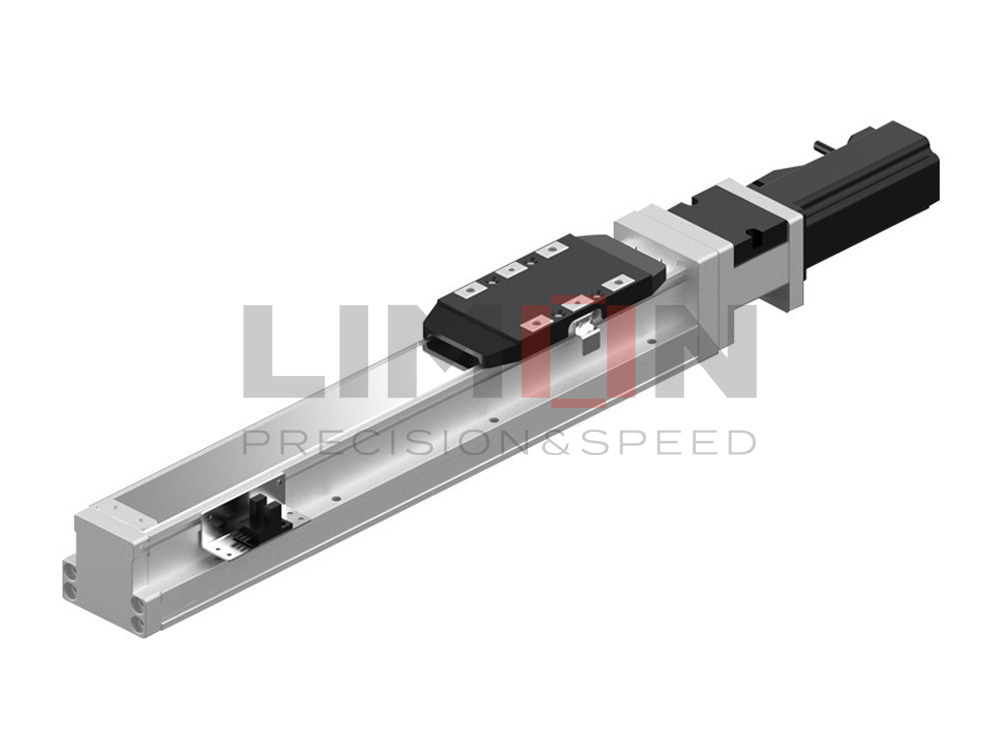
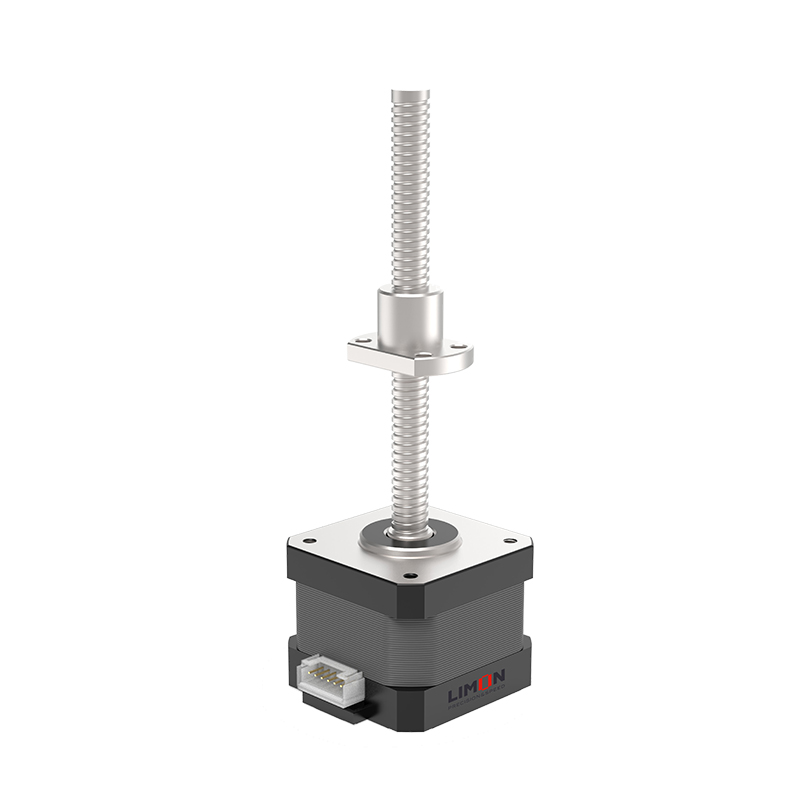
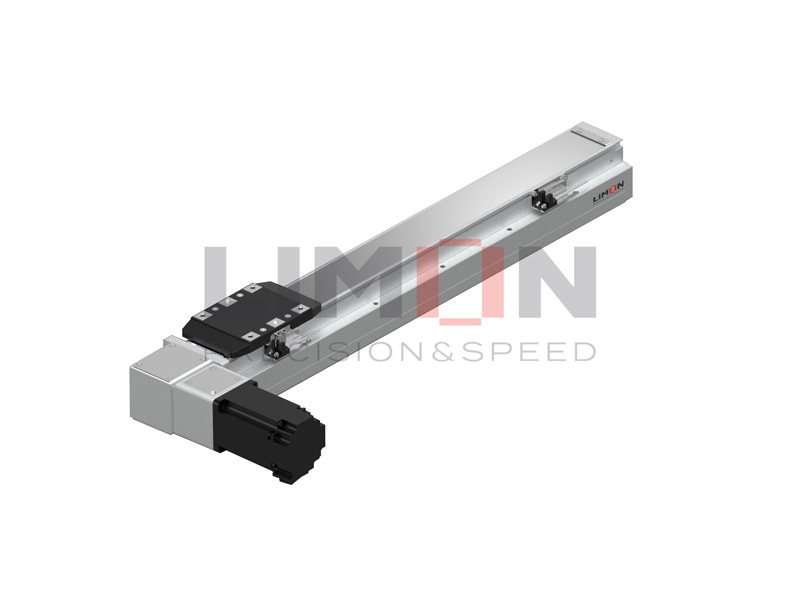
A supplier’s product range can also influence purchasing efficiency. Suppliers offering complementary linear motion products may help customers coordinate components within a complete system. For example, linear guide rails provide guided travel, linear bearings support straight-line movement, and ball screws convert rotary motion into linear displacement. Linear actuators provide controlled linear movement for applications requiring an actuation mechanism. Each component must still be selected according to its specific operating requirements.
Technical support becomes especially valuable when an application involves demanding load, speed, precision, or environmental conditions. A capable supplier should be able to clarify specifications, explain product limitations, and identify the information required for selection. Buyers should confirm what support is available for installation, maintenance, and troubleshooting.
Limon focuses on linear motion products and offers direct access to its product range through its independent website. Its integrated production line, commitment to high-quality products, and technical support help customers source components for industrial motion applications. Direct communication also makes it easier to discuss technical requirements and explore suitable products.
When evaluating suppliers, consider manufacturing capabilities, quality assurance, product compatibility, delivery arrangements, and technical assistance together. A supplier that understands your application and provides dependable products can become a valuable partner in improving system reliability and supporting future equipment development.
Conclusion: How Can Limon Help You Choose the Right Bearing?
Understanding the different types bearings helps you select components that match your movement requirements, load conditions, precision targets, and operating environment. Ball bearings, roller bearings, needle bearings, thrust bearings, plain bearings, and linear bearings each serve distinct purposes, so the best choice depends on the complete application.
Limon provides linear motion solutions, including linear guide rails, ball screws, linear bearings, and linear actuators. With an integrated production line, a direct-sales model, a commitment to quality, and technical support, Limon helps customers explore reliable, high-performance solutions for industrial applications.
Whether you are designing new equipment, upgrading an existing motion system, or sourcing components for ongoing production, start by defining your load, speed, movement type, and precision requirements. Explore Limon’s product range and contact the team to discuss a suitable solution for your application.