En el mundo de la automatización industrial, la precisión, la eficiencia y la fiabilidad son fundamentales. Tanto si se trabaja con sistemas de movimiento lineal, maquinaria o vehículos, hay un componente esencial que garantiza que estos sistemas funcionen con fluidez y sin fricción innecesaria: los rodamientos.
Pero, ¿qué son exactamente los rodamientos y por qué son tan esenciales para las industrias que dependen del movimiento? En este artículo, analizaremos en profundidad los diferentes tipos de rodamientos, su función y por qué es fundamental comprenderlos para tu negocio. Tanto si estás pensando en actualizar tu equipamiento como en diseñar un nuevo sistema, la información que aquí se ofrece te ayudará a tomar decisiones bien fundamentadas.
¿Qué son los rodamientos?
En pocas palabras, los rodamientos son componentes mecánicos diseñados para reducir la fricción entre las piezas móviles. Permiten un movimiento fluido y eficiente al soportar las piezas giratorias u oscilantes, minimizando la pérdida de energía y evitando el desgaste. Los rodamientos se utilizan en una amplia variedad de aplicaciones, desde motores de automóviles hasta maquinaria industrial, e incluso en los componentes de alta precisión que se emplean en equipos médicos.
Existen diferentes tipos de rodamientos, cada uno de ellos diseñado para aplicaciones específicas. Pero, para simplificar, vamos a analizar los dos tipos más comunes de rodamientos: los rodamientos de rodillos y los rodamientos lineales.
¿Qué es un rodamiento?
Los rodamientos son uno de los tipos de cojinetes más comunes que se encuentran en muchas máquinas. A diferencia de los cojinetes deslizantes tradicionales, los rodamientos utilizan elementos rodantes, como bolas o rodillos, para reducir la fricción. Esto los hace muy eficientes y capaces de soportar tanto cargas radiales como axiales.
Los rodamientos existen en varias variedades, entre las que se incluyen los rodamientos de bolas, los de rodillos y los de agujas, cada uno de ellos diseñado para soportar diferentes tipos de carga y condiciones. Los rodamientos de bolas se utilizan a menudo en aplicaciones que requieren baja fricción y funcionamiento a alta velocidad, como los motores eléctricos y los discos duros.
Ventajas de los rodamientos:
- Baja fricción y generación de calor
- Capacidad de alta velocidad
- Larga vida útil
- Aplicación versátil en distintos sectores
¿Qué es un rodamiento lineal?
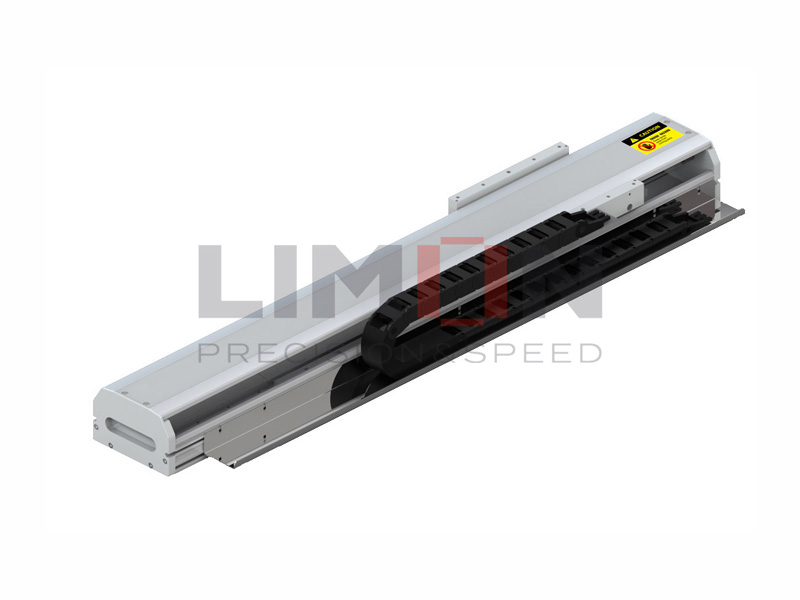
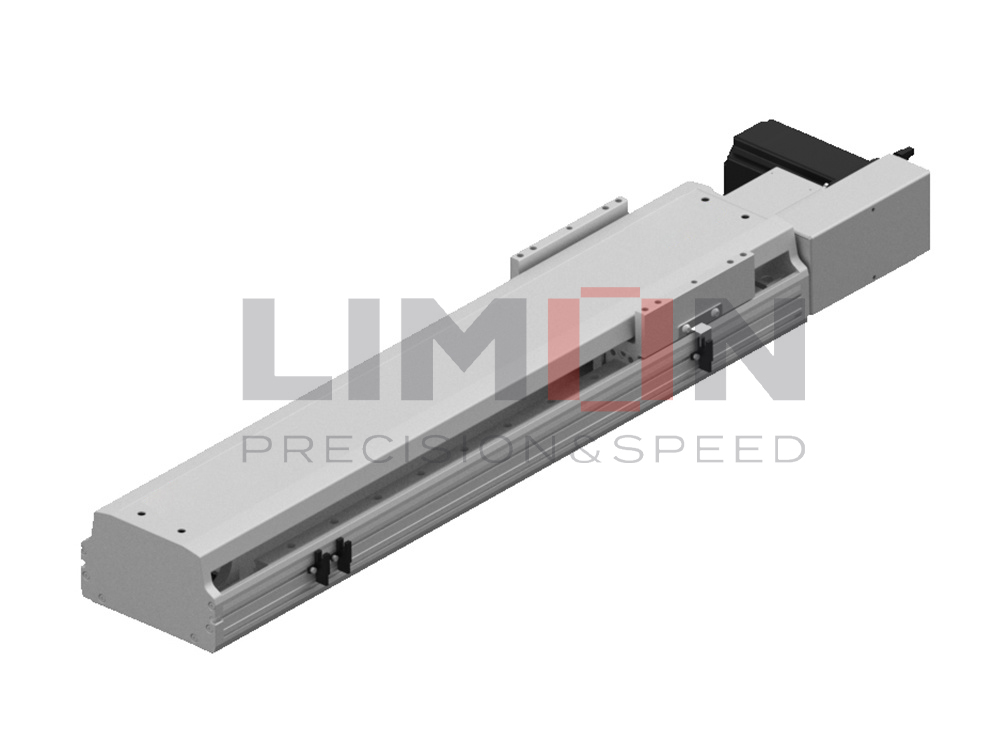
Un rodamiento lineal es un tipo de rodamiento diseñado para facilitar el movimiento lineal en lugar del movimiento rotatorio. Estos rodamientos son esenciales para aplicaciones en las que se requiere un movimiento lineal suave, preciso y exacto; pensemos, por ejemplo, en máquinas CNC, brazos robóticos e impresoras 3D. Los rodamientos lineales suelen funcionar sobre guías lineales y se desplazan a lo largo de una trayectoria fija, lo que proporciona una fricción mínima y una excelente distribución de la carga.
Entre los tipos más comunes de rodamientos lineales se encuentran los casquillos de bolas, los rodamientos de rodillos y los rodamientos de carril perfilado. Estos rodamientos se utilizan a menudo en sistemas que requieren una alta precisión y estabilidad de carga.
Ventajas de los rodamientos lineales:
- Alta precisión en el movimiento lineal
- Menor fricción y desgaste
- Excelente distribución de la carga
- Ideal para sistemas de automatización de alto rendimiento
¿Por qué son fundamentales los rodamientos para tus operaciones?
Los rodamientos pueden parecer componentes pequeños, pero desempeñan un papel fundamental en la eficiencia y la durabilidad de su maquinaria. En aplicaciones que implican movimientos a alta velocidad, la fiabilidad y la precisión son imprescindibles. Los rodamientos no solo reducen la fricción, sino que también garantizan un movimiento fluido, lo que permite que su maquinaria funcione a niveles óptimos de rendimiento durante períodos más prolongados.
Cómo influyen los rodamientos en la eficiencia:
Los rodamientos permiten que las piezas móviles giren o se deslicen con una resistencia mínima. Al reducir la fricción, garantizan que los motores, los actuadores y otros componentes móviles necesiten menos potencia para funcionar, lo que mejora la eficiencia energética y reduce el desgaste.
Cómo influyen los rodamientos en la precisión:
Los rodamientos ayudan a mantener la precisión de los sistemas, especialmente en aplicaciones como el movimiento lineal. Por ejemplo, en los sistemas automatizados, una ligera desviación en el movimiento puede provocar errores significativos. Los rodamientos lineales mantienen una alineación precisa y reducen el riesgo de error, lo que los convierte en indispensables en sectores como el aeroespacial, el automovilístico y el manufacturero.
Cómo pueden los rodamientos mejorar tus resultados financieros
A la hora de seleccionar rodamientos para su maquinaria, es fundamental elegir el tipo adecuado para sus necesidades. Los rodamientos de mala calidad pueden provocar un funcionamiento ineficaz, mayores costes de mantenimiento y una vida útil más corta de su maquinaria. Por el contrario, los rodamientos de alta calidad mejoran el rendimiento del sistema, reducen el tiempo de inactividad y prolongan la vida útil de su maquinaria.
Al invertir en rodamientos de alta calidad para su maquinaria, está invirtiendo en la eficiencia, la precisión y la rentabilidad a largo plazo de sus operaciones. Si busca rodamientos que combinen durabilidad, baja fricción y movimiento preciso, Limón’Los cojinetes lineales y los cojinetes de rodillos de esta empresa están diseñados para satisfacer esas exigencias.
Conclusión: Invertir en los rodamientos adecuados para tu empresa
Los rodamientos son fundamentales para el éxito de tus operaciones. Entender qué son y cómo funcionan puede ayudarte a tomar decisiones más acertadas a la hora de seleccionar los componentes para tus sistemas. Tanto si buscas rodamientos de rodillos para soportar movimientos giratorios como rodamientos lineales para movimientos lineales de precisión, es fundamental elegir productos de alta calidad que se adapten a tus necesidades específicas.
Limón Se enorgullece de ofrecer rodamientos de primera calidad diseñados para aplicaciones industriales. Gracias a nuestra línea de producción totalmente integrada, ofrecemos soluciones de movimiento fiables y de alto rendimiento que satisfacen las exigencias de los procesos de fabricación avanzados de hoy en día.
¿Estás listo para optimizar tus sistemas de movimiento? Descubre nuestra gama de rodamientos y guías lineales, o Ponte en contacto con nosotros para ver cómo podemos ayudarte a crear la solución perfecta para tu empresa.
_1.jpg)