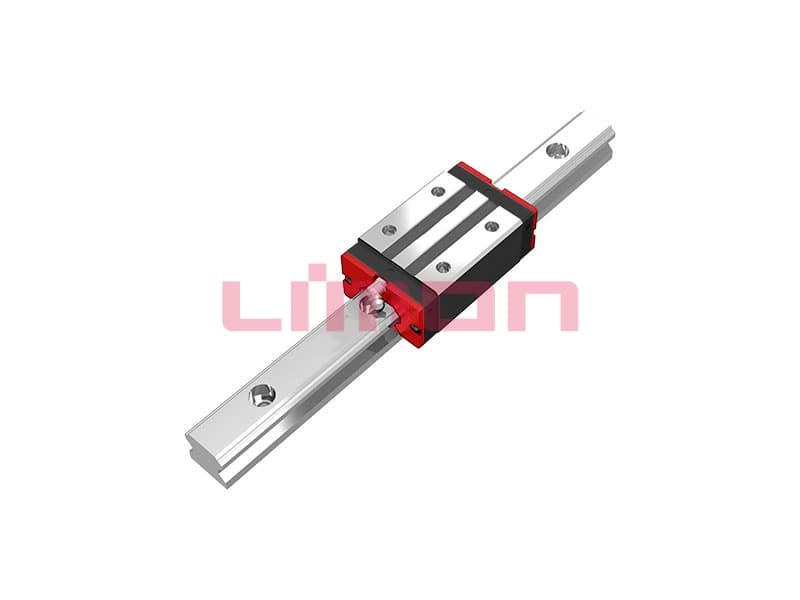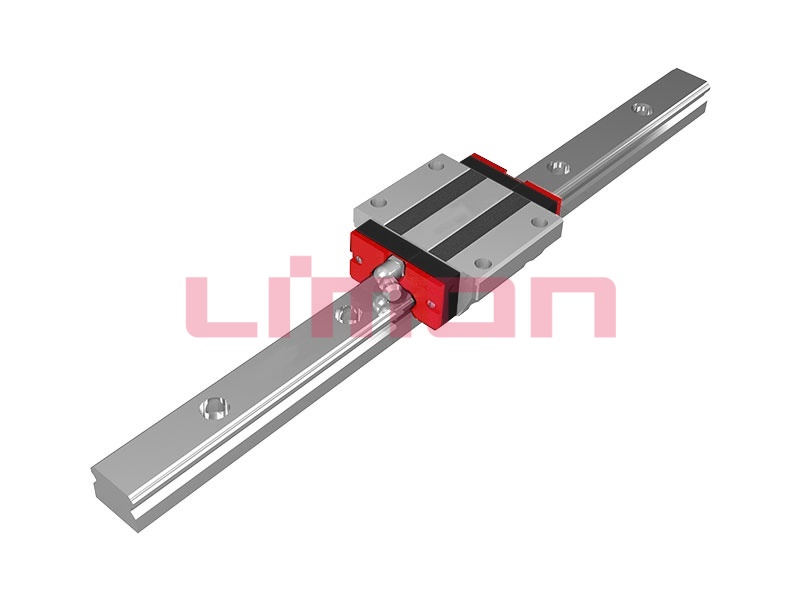
Linear guide blocks can be interchanged only when the manufacturer permits the particular rail, block, accuracy and preload combination. Matching rail width or bolt spacing does not prove raceway compatibility. When the system is supplied as a matched assembly, treat its rail and blocks as a set unless the supplier confirms a replacement procedure.
This matters for distributors holding spare blocks and OEM builders replacing a damaged carriage. A replacement can bolt to the table and still produce the wrong running clearance, drag or assembly height.

Three different meanings of “interchangeable”
| Claim | What it can establish | What it does not establish by itself |
|---|---|---|
| External dimensional interchange | The assembly fits specified mounting interfaces | A loose block will run correctly on the old rail |
| Rail-and-block interchange within a series | Approved components can be combined under stated conditions | Compatibility with a different supplier’s raceways |
| Complete assembly replacement | A new rail and block set can replace the old system after interface checks | Unchanged preload, stiffness or machine accuracy |
Ask which meaning the supplier intends. “Equivalent to size 20” is too incomplete to authorize a carriage-only replacement.
There are products designed for separate rail and carriage purchasing. For example, THK describes interchangeability conditions for its GK Series. That is evidence for the specified series and conditions, not a guarantee that every guide sold to an external dimensional standard can be mixed internally.
Why preload complicates a block-only replacement
The relationship between rolling elements and raceways determines internal clearance or preload. Two parts can look identical but produce a different contact condition when combined. A replacement that feels unusually tight should not be “run in” by forcing repeated strokes until it becomes easier to move.
Check the original rail and block codes, including accuracy and preload suffixes, rather than relying on a photograph. Retain assembly or serial identifiers where the manufacturer uses them for matching. THK’s mounting guidance includes matched-component identification; its specific markings should not be assumed to apply to other brands.
Para LIMON H Series guideways, request confirmation for the complete model and intended replacement combination. Do not infer interchangeability from the series name alone.
A replacement decision process
First identify the original assembly. Record rail length, block style and length, mounting dimensions, preload, accuracy, seals and lubrication connection. If the code is unreadable, provide clear photographs and measured interfaces, but regard them as identification evidence rather than approval to fit an unknown block.
Next inspect the retained rail. Pitting, dents, corrosion or a localized wear track can make a new block unsuitable even if the nominal pairing is approved. Establish why the old block failed. Contamination left in the machine can damage the replacement as well.
Then obtain the supplier’s decision: approved carriage-only replacement, return for assessment, or replacement of the rail-and-block assembly. Keep that decision with the purchase order so a later reorder does not repeat the identification work.
External dimensions that still need checking
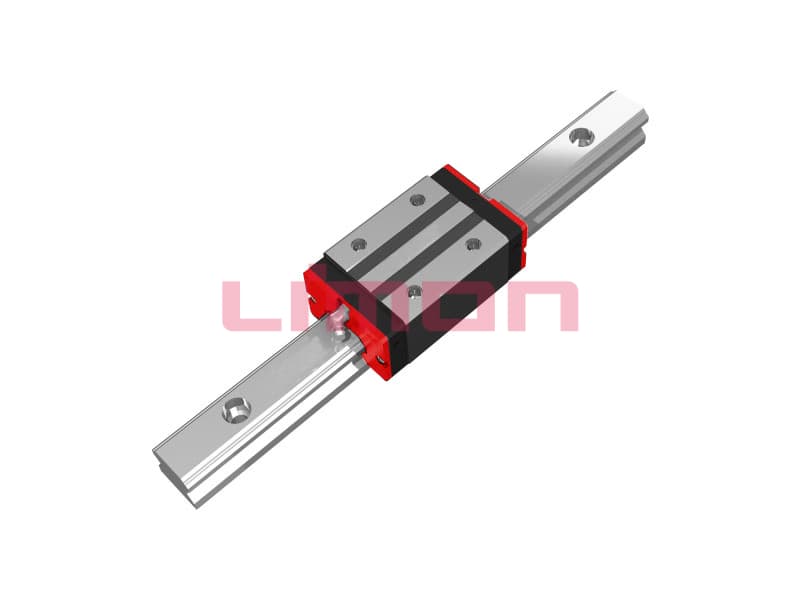
For a complete assembly replacement, compare the rail width and height, mounting-hole diameter and pitch, rail end distances, block mounting pattern, assembled height, block length and reference-face offset. Include lubrication fittings and end-seal clearance in the space review.
An unchanged nominal rail size can hide a different table height or a fitting that clashes with surrounding equipment. Rollon’s profile-rail replacement guidance highlights the importance of interface details when changing complete assemblies between manufacturers. This does not make the original rail compatible with a different brand’s loose block.
Acceptance checks after an approved replacement
Follow the specified transfer method and use the correct retaining or transfer rail when a block is removed. Do not let the carriage run off the end of a rail without the appropriate retention arrangement.
Before powered operation, confirm lubrication, unobstructed travel and the manufacturer’s installation requirements. Then compare movement, drag, temperature behavior and the machine’s relevant accuracy checks with the agreed acceptance criteria. If the application needs a measured rail alignment result, use a defined parallelism measurement procedure, not hand feel alone.
Record what was retained and what was replaced. A result described simply as “guide replaced” is not enough to interpret a future problem.
What to send with a spare-block enquiry
Send the full rail and block codes, photographs of identification marks, quantity, rail condition, mounting drawing and the performance requirement after replacement. State clearly whether you need a loose carriage or can accept a complete linear guideway assembly. Contact LIMON for confirmation of the proposed pairing before placing a repeat spare-parts order.