Are you struggling to convert rotational motion to linear motion efficiently without losing precision or reliability?
Converting rotation to linear motion involves mechanisms like ball screws, lead screws, and actuators that transform rotary input into precise linear displacement. This conversion of rotary motion to linear motion is essential for achieving accurate positioning, high efficiency, and controlled movement in modern industrial systems.
Let’s explore key methods, applications, and how to choose the right solution.
What Is the Conversion of Rotary Motion to Linear Motion?
En conversion of rotary motion to linear motion is a fundamental principle in mechanical engineering. It allows rotating energy—typically from a motor—to be transformed into straight-line movement for precise positioning and controlled force.
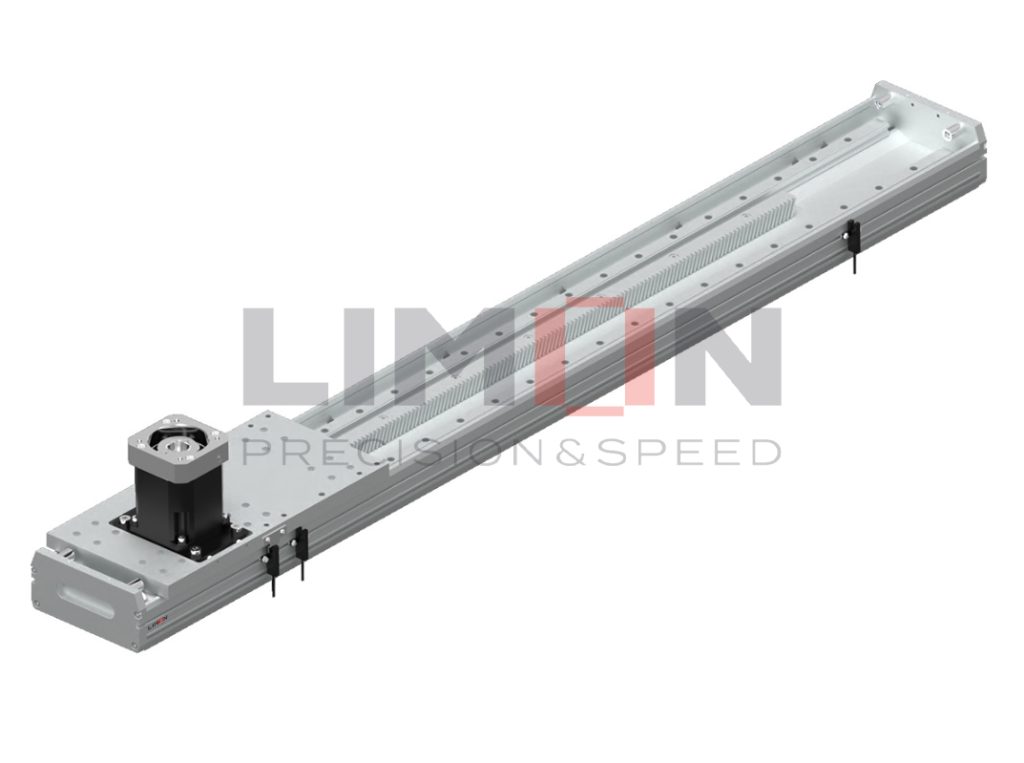
Common systems that convert rotational motion to linear motion include ball screws, lead screws, and belt-driven actuators. These mechanisms are designed to ensure smooth, efficient, and repeatable motion across various industrial applications.
When engineers aim to convert rotational motion to linear, they must consider factors like friction, load capacity, and accuracy. Poor design can result in inefficiencies, vibration, or premature wear.
At Limon, we specialize in high-performance solutions for converting rotation to linear motion, leveraging our fully integrated production line to ensure every component—from screw to actuator—is manufactured with precision and consistency.
Key Mechanisms Used to Convert Rotary to Linear Motion
There are several proven methods to convert rotary to linear motion, each suited for different applications:
- Husillos de bolas: High efficiency and precision, ideal for demanding applications
- Tornillos de cabeza: Cost-effective and self-locking for simpler systems
- Belt Drives: High speed and long travel capabilities
- Rack and Pinion Systems: Suitable for heavy loads and long distances
Each of these technologies enables effective rotary movement to linear transformation but differs in performance characteristics.
For example, ball screws are often used where high accuracy is required, while belt systems excel in high-speed operations. Choosing the right mechanism ensures optimal performance and longevity.
Limon’s expertise allows us to recommend and manufacture the best solution based on your specific needs, ensuring reliable conversion of rotational motion to linear motion across all applications.
Rotary to Linear Motion Examples in Real-World Applications
Comprender rotary to linear motion examples helps illustrate how critical this technology is across industries:
- CNC machines: Convert motor rotation into precise tool movement
- Industrial robots: Enable accurate positioning and repeatable motion
- Packaging systems: Control product movement along production lines
- Medical devices: Provide smooth and controlled adjustments
- Automated warehouses: Manage lifting and positioning systems
In each of these rotary to linear movement applications, precision and reliability are essential. Even small inefficiencies can lead to product defects or operational downtime.
Limon’s solutions are widely used in these industries, delivering consistent performance thanks to our high-quality manufacturing and strict quality control processes.
Why Precision Matters in Converting Rotation to Linear Motion
When converting rotation to linear motion, precision is everything. Inaccuracies in motion conversion can result in:
- Misalignment and vibration
- Increased wear and maintenance costs
- Reduced system efficiency
- Lower product quality
High-quality components ensure smoother rotary movement to linear transitions, minimizing energy loss and maximizing output.
This is where Limon stands out. Our fully integrated production line allows us to control every stage of manufacturing, from raw materials to final assembly. This ensures that every product meets strict tolerance requirements, delivering reliable and precise conversion of rotary motion to linear motion.
How to Choose the Right Solution for Your Application
Selecting the right system to convert rotational motion to linear motion depends on several factors:
Requisitos de carga
Heavy loads may require ball screws or rack systems.
Speed and Efficiency
High-speed applications benefit from low-friction solutions.
Accuracy Needs
Precision applications demand high-quality ball screw systems.
Medio ambiente
Harsh conditions may require robust and sealed designs.
Integración
Compatibility with existing systems is essential.
Limon provides expert guidance to help customers choose the optimal solution. Our direct-to-customer model ensures fast communication, competitive pricing, and customized solutions tailored to your needs.
Future Trends in Rotary to Linear Motion Technology
El futuro de converting rotation to linear motion is being shaped by advancements in automation and smart manufacturing:
- Integration with servo systems for higher precision
- Smart monitoring and predictive maintenance
- Energy-efficient designs
- Compact and lightweight solutions
As industries demand more from their systems, the need for advanced conversion of rotational motion to linear motion technologies continues to grow.
Limon is committed to innovation, continuously improving our products to meet evolving market demands. Our solutions are designed to deliver both performance and adaptability in a rapidly changing industrial landscape.
Why Limon Is Your Trusted Partner for Linear Motion Solutions
Choosing the right partner is critical when implementing systems that convert rotary to linear motion. Limon offers:
- Fully integrated production line para una calidad constante
- High-performance products designed for precision
- Direct sales model for better pricing and faster service
- Strong technical support for system optimization
- Custom OEM/ODM solutions to meet unique requirements
Our comprehensive approach ensures that every solution we deliver meets the highest standards of performance and reliability.
Conclusion: Power Your Systems with Efficient Motion Conversion
The ability to convert rotational motion to linear motion is at the heart of modern automation. From improving precision to increasing efficiency, this technology plays a vital role in industrial success.
By choosing the right components and working with a trusted partner like Limon, you can achieve reliable and high-performance results in any application.
Limon delivers advanced solutions for converting rotation to linear motion—helping you build smarter, more efficient systems with confidence and precision.
.jpg)