Is your machine struggling to achieve smooth, accurate, and repeatable movement, increasing downtime and operating costs?
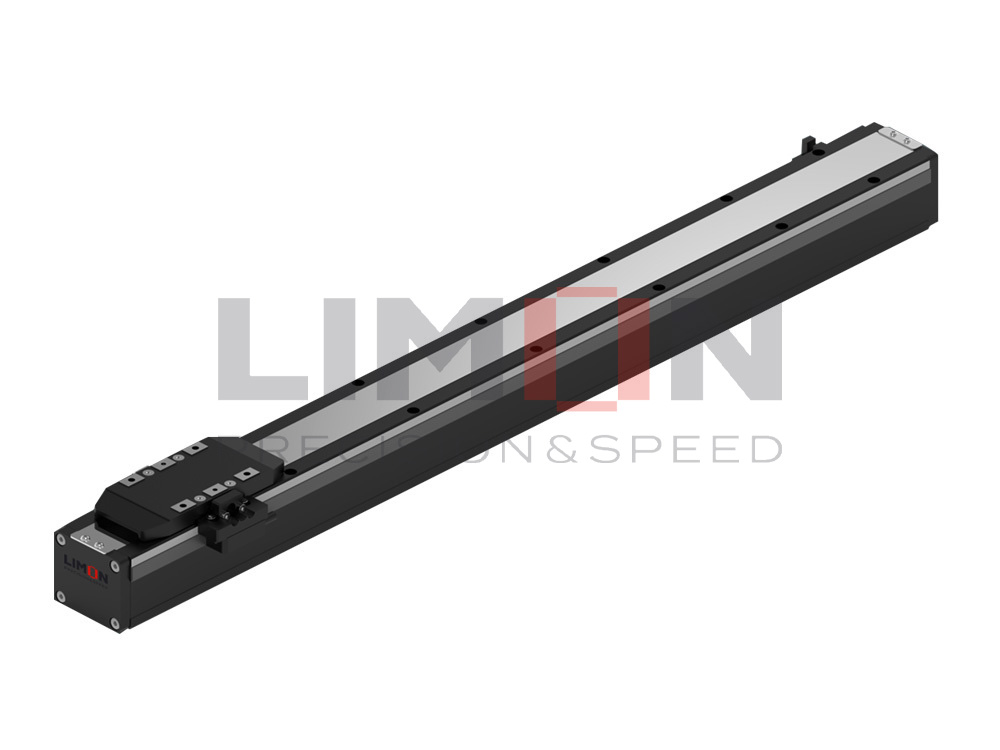
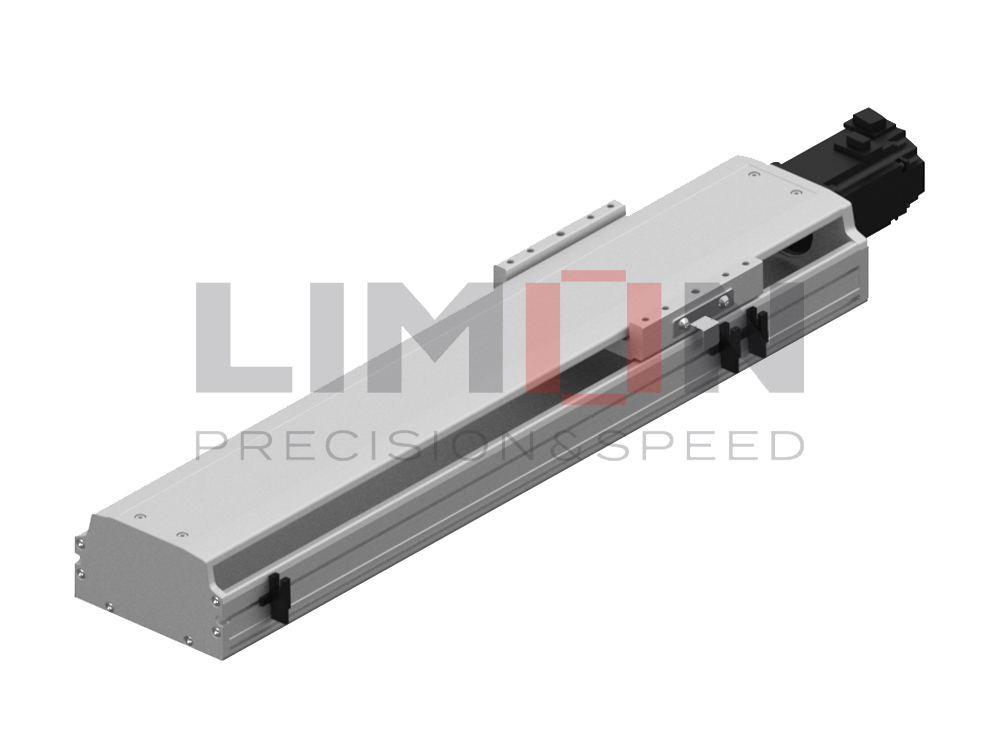
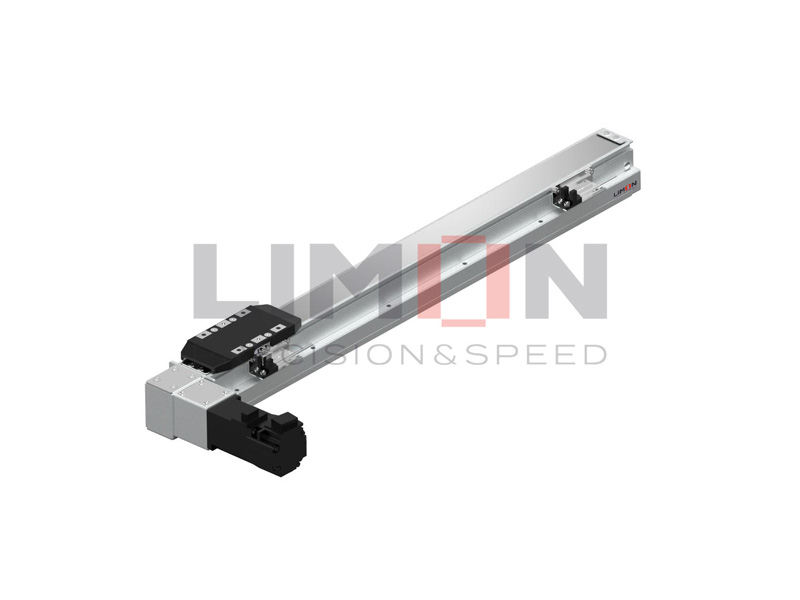
A linear actuator converts energy into controlled straight-line motion. An electric linear actuator typically uses a motor, gearbox, and lead screw or ball screw to convert rotary motion into linear travel. Pneumatic actuators use compressed air, while hydraulic actuators use pressurized fluid to generate linear force.
Discover how linear actuators work, compare their types, explore industrial applications, and learn how to select the right solution.
¿Qué es un actuador lineal y cómo funciona?
A linear actuator is a mechanical device that produces movement along a straight path. Unlike a conventional rotary motor, which turns a shaft, a linear actuator pushes, pulls, lifts, lowers, or positions a load over a defined distance. It is an essential component in industrial automation, precision machinery, and modern motion control systems.
To understand how does linear actuator work, consider the relationship between energy, mechanical transmission, and movement. An electric linear actuator typically starts with a motor that generates rotary motion. A drive mechanism, such as a lead screw, ball screw, or belt, then converts or transfers that motion to produce linear displacement. The output moves along a straight axis to perform the required task.
Not all linear actuators use the same operating principle. Pneumatic actuators rely on compressed air to move a piston, while hydraulic actuators use pressurized fluid to generate force. Each type offers different advantages in terms of force capacity, positioning accuracy, speed, control, and maintenance.
For industrial applications, understanding the actuator’s operating principle is the first step toward choosing the right product. Limon specializes in linear motion products, including linear actuators, ball screws, linear guide rails, and linear bearings. With an integrated production line and direct manufacturer sales, Limon helps customers identify suitable motion components for reliable, high-performance equipment.
What Are the Main Components of an Electric Linear Actuator?
An electric linear actuator combines several mechanical and electrical components to transform input energy into controlled linear movement. Although internal designs vary, understanding the main components makes it easier to evaluate performance, identify maintenance needs, and select an appropriate actuator.
- Motor
The motor provides the rotational power that drives the mechanism. DC motors are common in compact actuators, while stepper and servo motors are frequently used when applications require more sophisticated motion control and positioning.
- Gearbox
A gearbox adjusts the relationship between motor speed and output torque. Reducing rotational speed can increase the torque available to drive the transmission, helping the actuator meet its force and speed requirements.
- Lead screw or ball screw
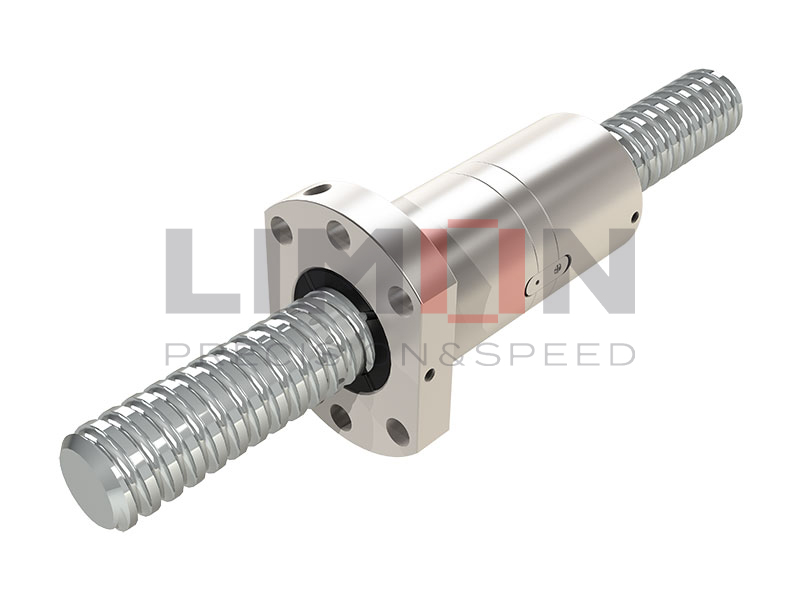
The screw mechanism converts rotary movement into linear displacement. A lead screw uses sliding contact between the screw and nut, while a ball screw uses recirculating balls to reduce friction. The choice affects efficiency, load capacity, accuracy, noise, maintenance, and cost.
- Nut and output rod or carriage
As the screw rotates, the nut travels along its length. The nut connects to an output rod or carriage, which transfers the resulting linear movement to the load.
- Linear guide and housing
The guide supports the moving assembly and helps maintain its intended path. The housing protects internal components and provides structural support. In applications with substantial external loads, a separate guide system may be necessary to prevent excessive side loading on the actuator rod.
- Controller and feedback devices
A controller manages movement commands, while limit switches help prevent overtravel. Encoders, Hall sensors, or other feedback devices may be used when position monitoring or closed-loop control is required.
Limon’s integrated manufacturing capabilities support the production of core linear motion components. By considering the actuator, guide system, and drive mechanism as parts of a complete assembly, customers can make better-informed decisions about compatibility, durability, and overall machine performance.
How Does an Electric Linear Actuator Convert Rotation Into Linear Motion?
The working principle of an electric linear actuator is based on converting the motor’s rotary output into straight-line movement. A screw-driven design provides a useful example of how this process works in practice.
Step 1: The motor receives power. When the controller supplies electrical power, the motor begins rotating. The direction and speed depend on the motor type and control signal.
Step 2: The transmission transfers power. The motor drives the screw directly or through a gearbox. The gearbox, when present, adjusts speed and torque to suit the application.
Step 3: The screw and nut create linear displacement. As the screw rotates, the nut moves along its threads. The actuator’s mechanical arrangement prevents the nut from rotating freely, so the nut travels in a straight line instead.
Step 4: The output moves the load. The nut drives the output rod or carriage, producing a controlled push or pull. Reversing the motor reverses the direction of travel in a suitably configured system.
Step 5: The actuator stops at the required position. A basic system may stop when power is removed or a limit switch is triggered. More advanced systems can use position feedback to reach intermediate targets and improve repeatability.
For a screw-driven actuator, the ideal linear travel can be estimated using the screw lead:
Linear travel = Screw lead × Number of screw revolutions
For example, a screw with a 5 mm lead moves the nut approximately 25 mm over five revolutions, assuming one-to-one screw rotation and no additional transmission ratio.
This relationship helps engineers estimate travel speed and positioning requirements. However, actual performance also depends on screw efficiency, backlash, mechanical stiffness, motor control, and load conditions.
Limon offers ball screws and other linear motion products that support different industrial positioning requirements. Our direct-sales approach and technical support help customers evaluate the mechanical specifications needed to achieve smooth, reliable operation.
What Types of Linear Actuators Are Available?
Linear actuators can be classified according to their power source and drive mechanism. Selecting the right type requires understanding both how the actuator generates force and how its design fits the application.
Electric linear actuators
Electric actuators use motors and mechanical transmissions to generate controlled linear movement. They are suitable for automated positioning, adjustable machinery, packaging equipment, and applications requiring integration with electronic control systems. Screw-driven versions can provide precise movement, while belt-driven designs are often suitable for longer travel and higher speeds.
Pneumatic linear actuators
Pneumatic actuators use compressed air to move a piston or another internal element. They are commonly used for clamping, sorting, pushing, and repetitive operations in manufacturing. Their relatively simple structure can make them practical for fast, repetitive movement, although precise intermediate positioning may require additional control equipment.
Hydraulic linear actuators
Hydraulic actuators use pressurized fluid to generate linear force. They are suitable for demanding applications that require high force, including heavy machinery and lifting equipment. Their systems require appropriate fluid management, sealing, and maintenance.
The best actuator type depends on the application’s force, speed, stroke, accuracy, duty cycle, environment, and available power source.
| Actuator type | Main advantages | Important considerations |
| Eléctrico | Flexible control and easy automation integration | Motor sizing, transmission, and control requirements |
| Neumático | Fast operation and relatively simple mechanisms | Compressed-air supply and positioning control |
| Hidráulico | High force capability | Fluid management, sealing, and maintenance |
Limon focuses on linear motion products and components that support electric motion systems, including linear actuators, ball screws, linear guide rails, and linear bearings. Our integrated production line and product-focused technical support help customers evaluate suitable configurations for their industrial equipment.
Where Are Linear Actuators Used in Industrial Applications?
Linear actuators are widely used wherever equipment needs controlled straight-line movement. Their versatility makes them valuable in applications ranging from simple adjustment mechanisms to complex automated production systems.
Manufacturing and assembly: Electric linear actuators position workpieces, move fixtures, adjust machine components, and support automated assembly operations. When combined with suitable linear guides, they can help maintain stable travel and repeatable positioning.
CNC machines and precision equipment: Screw-driven motion systems are often used to position tools, worktables, and machine components. Ball screws can provide efficient motion transmission, while linear guide rails support the moving load and help maintain alignment.
Packaging and material handling: Actuators move products, adjust conveyor components, operate positioning mechanisms, and support automated sorting. Belt-driven systems may be suitable for long travel, while screw-driven systems can be advantageous when more precise positioning is needed.
Robotics and automated inspection: Linear actuators move cameras, sensors, grippers, and workpieces between defined positions. Systems requiring frequent acceleration or high repeatability may benefit from appropriate motor control and position feedback.
Medical and laboratory equipment: Electric actuators can adjust platforms, equipment covers, and other mechanisms where controlled movement is important. Noise, cleanliness, load capacity, and safety requirements must be considered for each application.
Agricultural and general industrial machinery: Actuators can adjust equipment height, open or close mechanisms, and control machine components. Environmental protection and the ability to withstand operating loads are particularly important in these settings.
Across all these applications, the actuator should be selected as part of the complete motion system. Load support, mounting stiffness, guidance, control, and operating conditions all influence long-term performance.
Limon provides linear motion components designed for industrial applications. With direct access to the manufacturer, customers can discuss their equipment requirements and explore suitable products supported by integrated manufacturing capabilities and technical assistance.
¿Cómo elegir el actuador lineal adecuado para tu aplicación?
Choosing a linear actuator involves more than matching a product to the required stroke. An undersized actuator may struggle under load, while an unnecessarily powerful model can increase costs and consume valuable installation space. A systematic selection process helps balance performance, reliability, and budget.
- Determine the required load. Calculate the force needed to move the load, accounting for friction, acceleration, mounting orientation, and any additional mechanical resistance. For vertical movement, consider gravity and the need for reliable load holding.
- Define stroke length and installation space. Stroke length determines the required travel, while the actuator’s overall dimensions affect mounting and integration. Check the available space, connection points, and clearance throughout the complete movement range.
- Establish speed and duty cycle. Determine how quickly the actuator must move and how frequently it will operate. Continuous or repetitive applications may require different thermal and mechanical performance from occasional adjustment tasks.
- Set positioning requirements. Some applications only require movement between two end positions. Others need accurate intermediate positioning and repeatable movement. Select an appropriate motor, transmission, controller, and feedback arrangement to meet the required performance.
- Evaluate the drive mechanism. Lead screws, ball screws, and belt drives have different characteristics. Ball screws are often suitable for efficient, precise positioning; lead screws may be appropriate for cost-sensitive applications; and belt drives can offer advantages for long strokes and higher speeds.
- Consider the operating environment. Dust, moisture, temperature, vibration, and exposure to chemicals can affect service life. Check the actuator’s protection level and maintenance requirements against actual site conditions.
- Check system compatibility and support. Confirm that the actuator works with the machine’s control system, mounting structure, and guidance components. Consider spare parts, maintenance access, product quality, and technical assistance before making the final decision.
Limon’s product portfolio includes linear actuators, ball screws, linear guide rails, and linear bearings for different motion-system requirements. Our fully integrated production line supports manufacturing consistency, while our direct-sales model allows customers to communicate their needs directly with the manufacturer.
Whether you are developing a new automated machine or improving existing equipment, Limon can help you evaluate the key specifications and identify suitable linear motion components. Selecting the right system from the beginning can help reduce unnecessary redesign, improve operating reliability, and support long-term performance.
Conclusion: Why Choose Limon for Reliable Linear Motion Solutions?
Understanding how does linear actuator work helps engineers make informed decisions about motion control, mechanical transmission, and component selection. Electric actuators typically convert motor rotation into linear movement, while pneumatic and hydraulic designs use compressed air and pressurized fluid to generate straight-line force.
The right solution depends on load, stroke, speed, accuracy, duty cycle, and operating conditions. Matching these requirements with the appropriate actuator and supporting components is essential for reliable industrial performance.
Limon combines a fully integrated production line, direct manufacturer sales, a range of linear motion products, and technical support to help customers develop dependable motion systems.
Choose Limon for reliable, high-performance linear motion solutions that support your industrial applications. Explore our linear actuators, ball screws, linear guide rails, and linear bearings to find the right components for your next project.