Are unreliable actuators causing positioning errors, unexpected downtime, or costly maintenance in your industrial equipment?
A linear actuator manufacturer designs and produces devices that convert energy into controlled linear movement. When choosing one, evaluate manufacturing capability, product quality, load and speed performance, customization, technical support, and supply reliability to ensure the actuator matches your complete motion system.
The right manufacturer can make a major difference in actuator performance and long-term reliability.
What Does a Linear Actuator Manufacturer Do?
A linear actuator manufacturer does more than assemble a motor and housing. A professional manufacturer develops, produces, tests, and supports linear motion products designed to meet specific mechanical requirements.
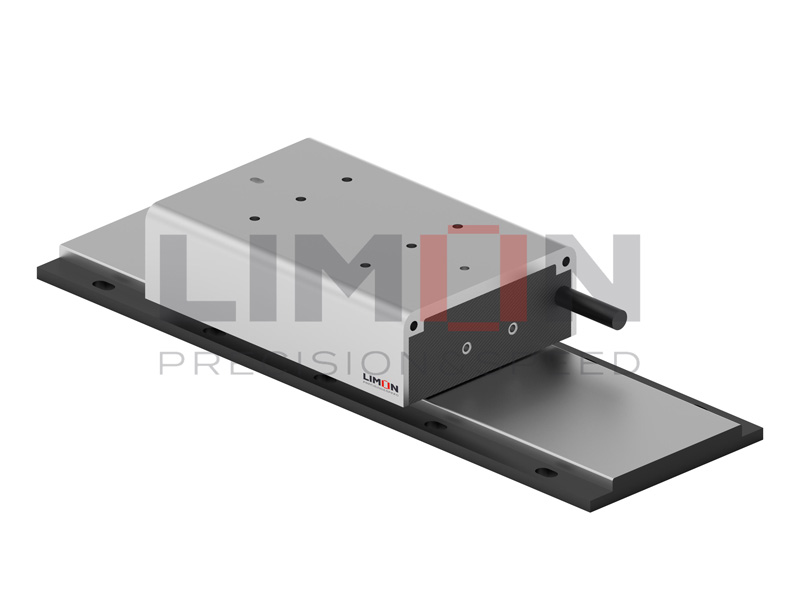
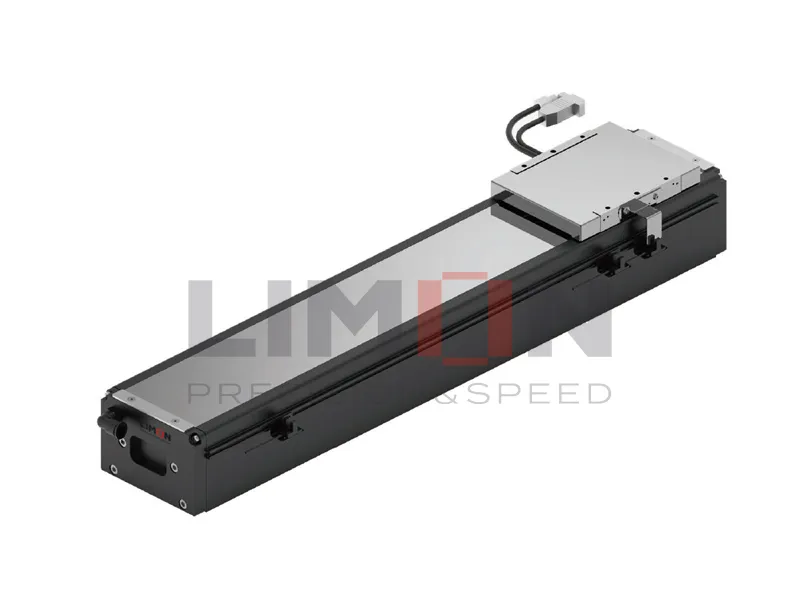
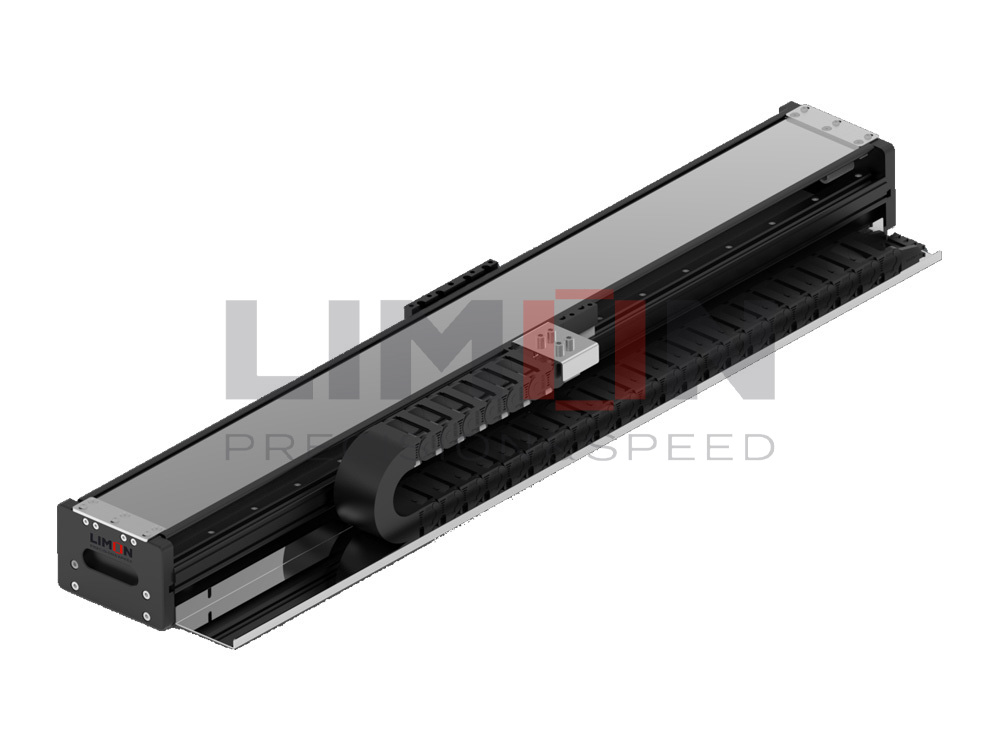
A typical electric linear actuator may include a motor, screw or other transmission mechanism, nut, housing, bearings, mounting components, and control interfaces. Each component needs to work together correctly to produce stable linear movement.
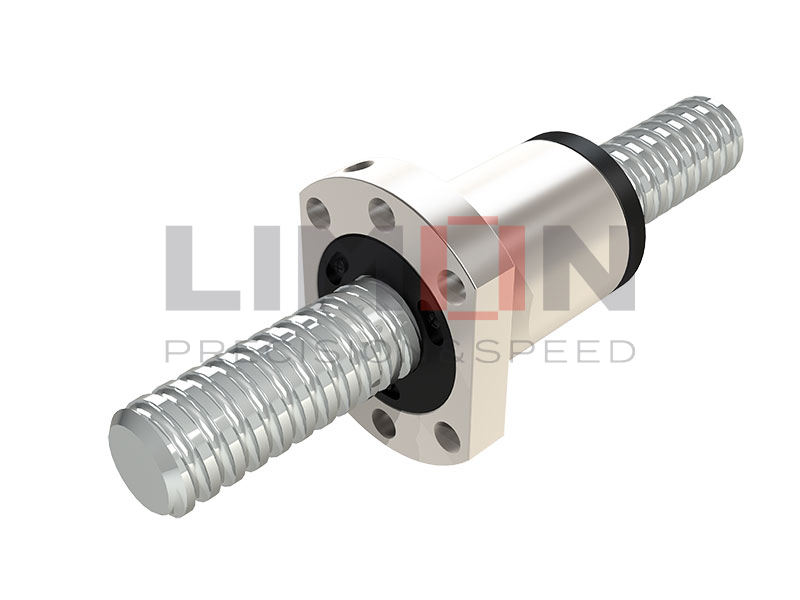
Depending on the application, manufacturers may offer screw-driven, belt-driven, or other actuator configurations. Screw-driven actuators are particularly common when controlled force, positioning, and repeatable linear movement are required. Ball screws can be used when high efficiency and precision are important, while other screw mechanisms may be appropriate for simpler applications.
The manufacturing process can directly affect actuator performance. Dimensional consistency, component matching, assembly accuracy, lubrication, and quality inspection all contribute to smooth and reliable operation.
A capable linear actuator manufacturer should therefore understand the complete motion system rather than focusing only on individual product specifications.
For buyers, this distinction is important. A supplier that simply resells products may provide limited control over manufacturing and technical specifications. A manufacturer with its own production capabilities can provide greater visibility into product quality, engineering requirements, and production processes.
This becomes especially valuable when an actuator needs to operate continuously, carry significant loads, or integrate with linear guide rails, ball screws, bearings, servo motors, and control systems.
What Should You Look for in a Linear Actuator Manufacturer?
Choosing a linear actuator manufacturer requires evaluating more than price. The manufacturer should be able to demonstrate that its products are suitable for the required application and that it can provide consistent support throughout the purchasing process.
Manufacturing Capability
Look for a manufacturer with established production capabilities and clear control over key manufacturing processes. Integrated production can make it easier to maintain consistency between components and control product quality.
Product Quality
The actuator should be manufactured with appropriate materials, machining processes, assembly procedures, and quality controls. Quality should be considered across the complete product rather than judged by one specification.
Technical Capability
A manufacturer should understand the relationship between actuator force, stroke, speed, motor characteristics, screw lead, duty cycle, and load conditions.
Product Range
A broader linear motion product range can be useful when the actuator needs to work with other components. Linear guide rails, ball screws, and linear bearings may all be required in a complete system.
Asistencia técnica
Good technical communication can help customers avoid incorrect product selection. The manufacturer should be able to discuss application requirements rather than simply provide a catalog.
Supply Reliability
Production capability, quality consistency, lead-time management, and communication all influence whether a manufacturer can support repeat orders and long-term projects.
These factors can help buyers distinguish a specialized manufacturer from a supplier that primarily acts as an intermediary.
How Do You Choose the Right Linear Actuator?
Even when you have found a capable manufacturer, selecting the correct actuator requires a detailed understanding of your application.
The first factor is capacidad de carga. Determine how much force the actuator must generate to move or hold the load. For vertical applications, gravity and the required lifting force must also be considered.
The second factor is stroke length. Stroke refers to the distance the actuator needs to travel. The required stroke should account for the complete mechanical movement and available installation space.
Velocidad is another important specification. A high-speed application may require a different screw lead, motor, or transmission configuration than a low-speed positioning application.
You should also evaluate positioning accuracy and repeatability. Applications such as CNC equipment, automated assembly, and inspection machinery may require significantly more precise movement than simple open-and-close mechanisms.
Ciclo de trabajo is equally important. An actuator operating several times per hour has different thermal and mechanical requirements from one operating continuously throughout a production shift.
The operating environment should also be considered. Dust, moisture, temperature, chemicals, vibration, and other conditions can affect actuator performance and service life.
Finally, consider how the actuator will integrate with the rest of the machine. The motor, controller, linear guide, bearings, mounting structure, and transmission system should be compatible.
A professional manufacturer should be able to help evaluate these factors before recommending a specific actuator configuration.
What Applications Use Linear Actuators?
Linear actuators are used wherever controlled straight-line movement is required. Their applications range from relatively simple adjustment mechanisms to highly automated industrial equipment.
En automatización industrial, actuators can perform positioning, pushing, pulling, lifting, feeding, clamping, and adjustment operations. They can be controlled through switches, PLCs, sensors, or more advanced motion-control systems.
En CNC and machine tools, precision actuator systems can support controlled movement and positioning. When high accuracy is required, the actuator may work together with ball screws and linear guide rails.
En robótica, linear actuators can provide additional linear axes for positioning, material handling, gripping mechanisms, and automated movement.
En material-handling equipment, actuators can automate lifting, pushing, sorting, and positioning operations.
They are also used in medical and laboratory equipment, agricultural machinery, packaging equipment, inspection systemsy adjustable industrial equipment.
Different applications require different combinations of speed, force, stroke, accuracy, and durability. For example, a compact actuator used for adjustment may prioritize small dimensions, while an industrial lifting mechanism may require significantly greater force and structural strength.
This is why an experienced linear actuator manufacturer should evaluate the application before recommending a product. A technically suitable actuator is one that matches the complete operating environment, not simply one with the highest force or speed specification.
Why Is Manufacturing Quality Important for Linear Actuators?
Linear actuators are mechanical systems containing multiple components that must work together consistently. Manufacturing quality therefore has a direct influence on motion smoothness, noise, positioning, durability, and service life.
For screw-driven actuators, the screw and nut are particularly important. Dimensional accuracy, surface condition, assembly quality, and lubrication can affect friction and movement characteristics.
Motor and transmission matching is also important. An actuator with an improperly matched motor may experience insufficient force, excessive heat, inefficient operation, or poor dynamic response.
Housing and mounting components must provide sufficient structural stability. If the actuator flexes under load, the machine may experience positioning problems even when the internal transmission components are manufactured accurately.
Quality control should therefore cover raw materials, machining, component inspection, assembly, lubrication, and final product testing.
An integrated manufacturing process can provide additional control over these stages. When key production processes are managed within one manufacturing system, it can be easier to maintain consistent specifications and identify potential quality issues.
For industrial customers, consistency is particularly important. A product that performs well in one batch but varies significantly in another can create problems for machine builders and equipment manufacturers.
Choosing a manufacturer with established quality-control processes can help reduce these risks and provide greater confidence for both initial projects and repeat orders.
How Can a Linear Actuator Manufacturer Support Custom Applications?
Not every machine can use a standard actuator configuration. Industrial equipment may have unique requirements for stroke, force, speed, mounting dimensions, motor configuration, or control interface.
A capable linear actuator manufacturer can help evaluate these requirements and determine whether a standard product is appropriate or whether a customized configuration is necessary.
For example, an actuator may need to fit within a restricted installation space. In this situation, the overall actuator dimensions and mounting arrangement may be just as important as the nominal force or stroke.
Another application may require a specific combination of speed and load. The manufacturer may need to evaluate screw lead, motor performance, transmission efficiency, and duty cycle together.
Integration with other linear motion components can also be important. A machine may require an actuator to work with linear guide rails and bearings while a ball screw or servo motor controls the primary axis.
Technical communication is therefore an important part of the manufacturer relationship. The customer should be able to provide information about load, stroke, speed, movement frequency, environment, and installation conditions and receive useful technical guidance in return.
This approach is particularly valuable for OEM equipment manufacturers, automation integrators, and engineering teams developing specialized machinery.
Instead of treating the actuator as an isolated product, the manufacturer and customer can evaluate the complete motion requirement and develop a more suitable solution.
Why Choose Limon as Your Linear Actuator Manufacturer?
Limon is a linear motion products manufacturer specializing in linear actuators, linear guide rails, ball screws, and linear bearings. This product range allows Limon to support customers who need individual motion components as well as complete linear motion solutions.
One of Limon’s key advantages is its línea de producción totalmente integrada. Integrated manufacturing provides greater control over production processes and product consistency, which is important for linear motion components used in demanding industrial environments.
Limon also provides direct sales through its independent website. This creates a more direct communication channel between the manufacturer and customer, making it easier to discuss product requirements, application conditions, and technical specifications.
Calidad del producto is another important focus. Linear actuators need to provide consistent movement under their intended operating conditions. Limon focuses on reliable, high-quality products designed for industrial applications.
Limon’s broader product portfolio is also valuable when developing a complete motion system. A linear actuator may need to work together with linear guide rails, ball screws, or linear bearings. Having access to compatible linear motion products can simplify component selection and technical communication.
In addition, Limon provides professional technical support. Customers can evaluate load, stroke, speed, positioning requirements, duty cycle, environment, and component compatibility before selecting a solution.
For machine builders, automation companies, and industrial equipment users, this approach provides more than a single actuator. It provides a foundation for developing reliable, high-performance linear motion systems.
Conclusión
Choosing the right linear actuator manufacturer is about more than comparing prices and basic specifications. Manufacturing capability, product quality, technical expertise, customization support, supply reliability, and after-sales communication can all affect the success of a linear motion project.
The right actuator should match the application’s load, stroke, speed, accuracy, duty cycle, environment, and control requirements. It should also work effectively with the other components in the machine.
Limon combines a fully integrated production line, direct sales, high-quality linear motion products, and professional technical support to provide reliable, high-performance solutions for industrial applications.
From linear actuators and ball screws to linear guide rails and linear bearings, Limon is committed to helping customers build dependable linear motion systems.