A medida que la automatización industrial, la robótica y la maquinaria de precisión siguen evolucionando, hay una pregunta que tanto los ingenieros como los compradores se plantean una y otra vez: ¿cómo definimos un servomotor?
Comprender la servomotor La definición no es solo un ejercicio académico. Influye directamente en la precisión, la eficiencia y la fiabilidad a largo plazo del sistema, especialmente en aplicaciones que incluyen guías lineales, husillos de bolas y actuadores lineales, en las que la calidad del control del movimiento determina el rendimiento general.
En Limon, diseñamos y fabricamos soluciones completas de movimiento lineal. En este artículo, explicamos con claridad qué es un servomotor es, cómo funciona y por qué desempeña un papel fundamental en los sistemas modernos de movimiento lineal.
Definición de «servomotor»: una explicación clara y práctica
Para definir servomotor En pocas palabras:
A servomotor es un sistema de motor de bucle cerrado que controla con precisión la posición, la velocidad y el par mediante información de retroalimentación en tiempo real.
A diferencia de los motores estándar, un servomotor ajusta continuamente su salida en función de las señales de retroalimentación procedentes de un codificador o un sensor. Este bucle de retroalimentación permite al sistema corregir los errores al instante y mantener una precisión extremadamente alta.
En resumen, el servomotor La definición se puede resumir así:
- Control de movimiento de alta precisión
- Comentarios en tiempo real
- Rápida respuesta y repetibilidad
Por eso servomotores Se utilizan ampliamente en máquinas CNC, robots industriales y sistemas avanzados de movimiento lineal.
Definición de servomotor frente a motores convencionales
Para comprender mejor el servomotor Por definición, resulta útil comparar servomotores con motores convencionales.
Motores tradicionales:
- Funcionan principalmente en sistemas de bucle abierto
- No es posible corregir automáticamente los errores de posición
- Son adecuadas para tareas sencillas que no requieren mucha precisión
Servomotores:
- Utiliza un control de bucle cerrado
- Supervisar continuamente la posición y la velocidad
- Ofrece una precisión y un rendimiento dinámico excepcionales
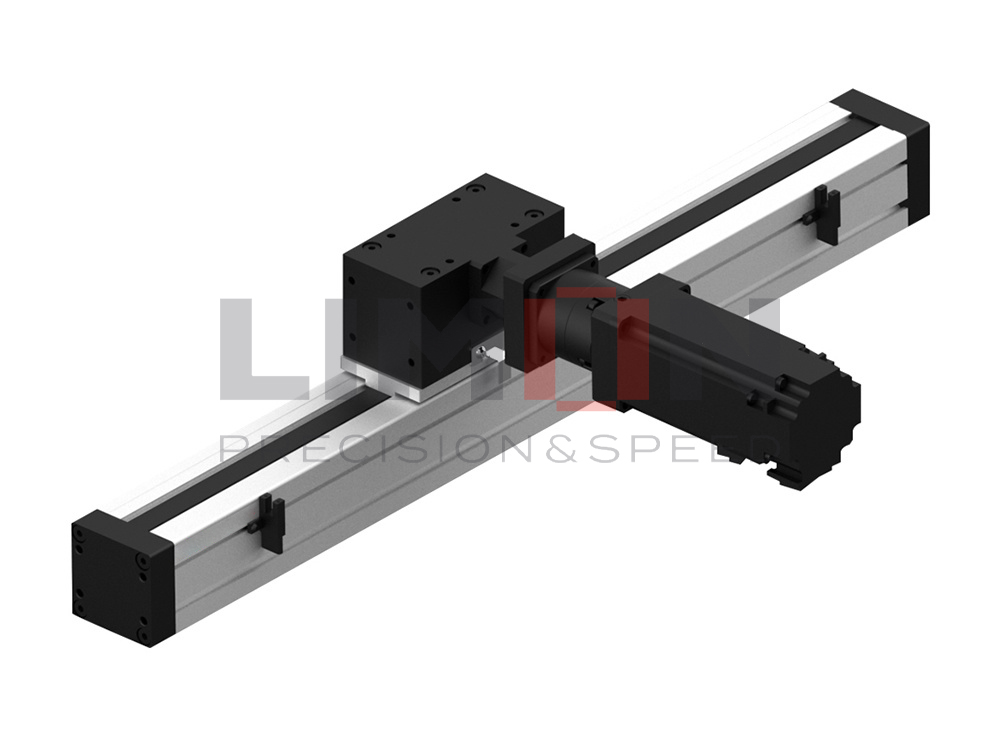
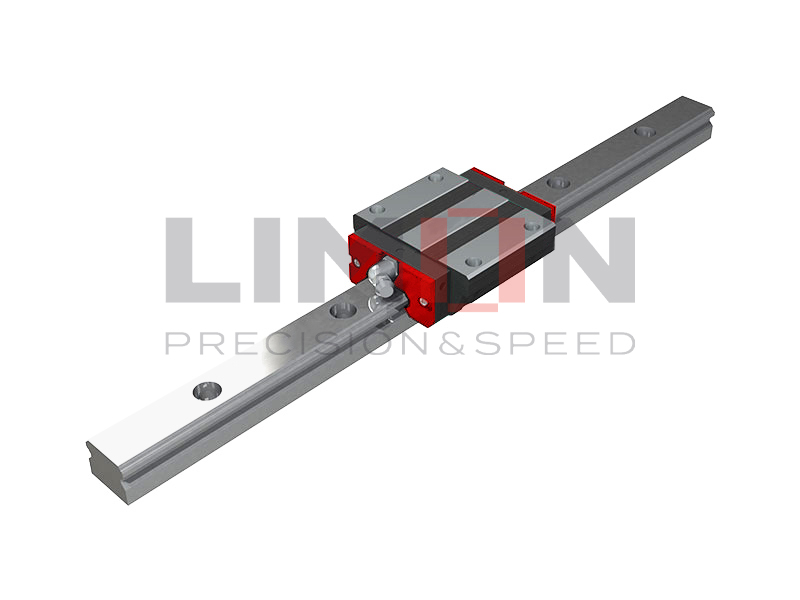
Cuando se combinan con componentes de precisión, como guías lineales y husillos de bolas, servomotores permiten un movimiento lineal fluido, repetible y altamente controlado, algo esencial para la automatización industrial.
Definición de servos: ¿Qué es lo que hace que un sistema de servos esté completo?
Cuando los ingenieros hablan de servos, no se refieren únicamente al motor. Un sistema de servo completo incluye:
- En servomotor en sí misma
- Un dispositivo de retroalimentación (codificador o resolver)
- Un servoconvertidor (controlador)
- Un algoritmo de control de movimiento
Para definir servomotor Para que los sistemas funcionen correctamente, es importante considerarlos como soluciones de movimiento integradas, y no como componentes independientes.
En Limon, solemos ayudar a los clientes a encontrar servomotores con actuadores lineales y sistemas de guía para garantizar un rendimiento óptimo del sistema y una larga vida útil.
Cómo los servomotores impulsan el movimiento lineal de precisión
En servomotor Esta definición cobra especial relevancia cuando se aplica a aplicaciones de movimiento lineal.
En sistemas que utilizan:
- Guías lineales
- Husillos de bolas
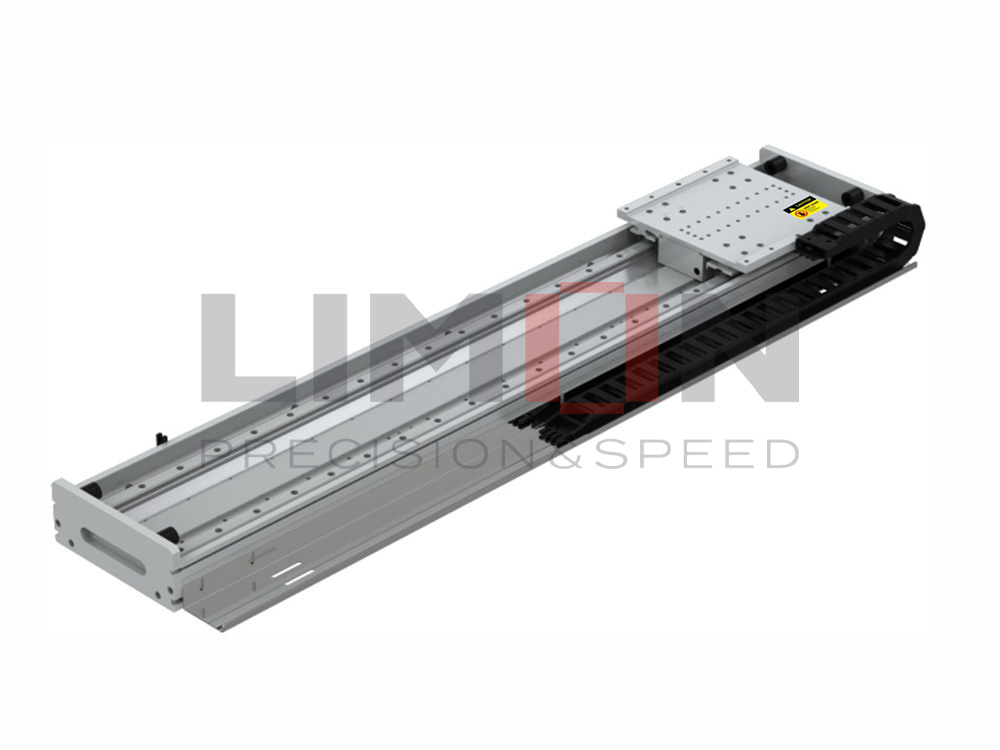
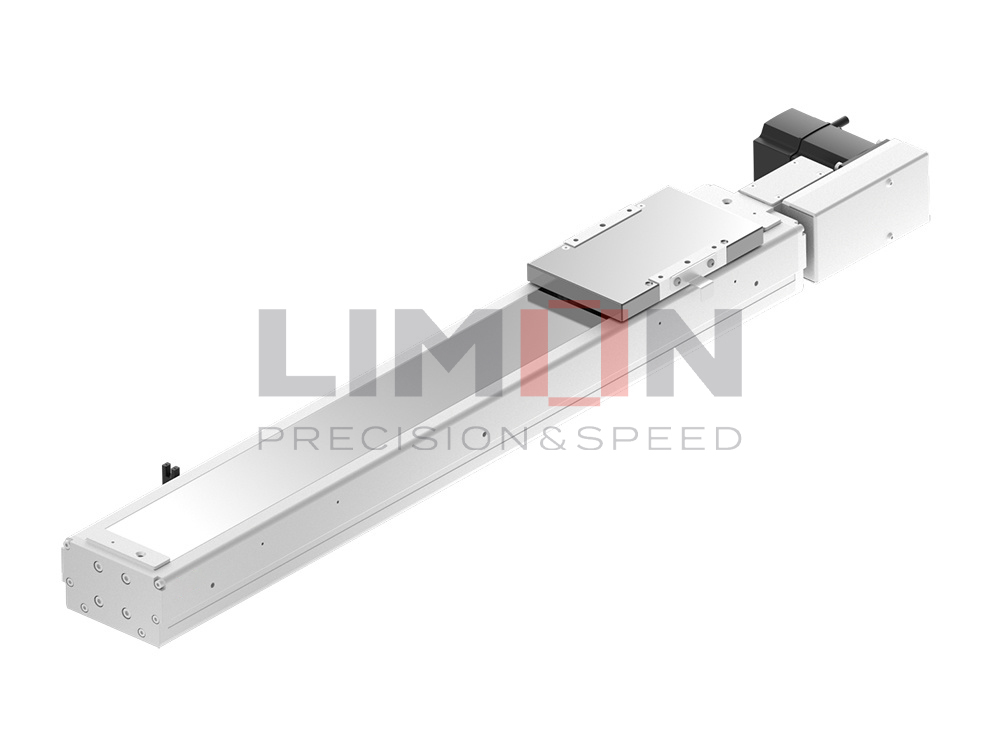
- Actuadores lineales
Los servomotores ofrecen:
- Posicionamiento preciso con tolerancias a nivel micrométrico
- Movimiento estable a altas velocidades
- Empuje constante bajo cargas variables
Esta combinación resulta fundamental en aplicaciones como el montaje automatizado, las máquinas-herramienta con control numérico (CNC), los equipos de envasado y los sistemas de inspección.
Al combinar un bien definido servomotor Gracias a un sistema con componentes de movimiento lineal de alta calidad, los fabricantes pueden mejorar considerablemente la productividad y la calidad de los productos.
Por qué los servomotores son esenciales para la automatización moderna
A medida que las industrias avanzan hacia una producción más inteligente y flexible, surge la necesidad de definir servomotor El uso correcto de la tecnología cobra aún más importancia.
Entre sus principales ventajas figuran:
- Alta eficiencia y menor desperdicio de energía
- Aceleración y desaceleración más rápidas
- Menor desgaste mecánico gracias a un movimiento suave
- Fácil integración con sistemas de control digital
Para los fabricantes de equipos originales (OEM) y los integradores de sistemas, elegir el adecuado servomotor No se trata solo de los valores de par, sino de lo bien que se integra el motor con todo el sistema de movimiento lineal.
Cómo elegir el servomotor adecuado para tu aplicación
Al aplicar el servomotor Para pasar de la definición a la selección en la práctica, ten en cuenta lo siguiente:
- Precisión de posicionamiento requerida
- Requisitos de carga y empuje
- Ciclo de trabajo y entorno operativo
- Compatibilidad con guías lineales y husillos de bolas
El equipo de ingeniería de Limon presta apoyo a los clientes ofreciéndoles asesoramiento orientado a las aplicaciones, lo que garantiza servomotores y los componentes de movimiento lineal funcionan conjuntamente como un sistema completo y fiable.
Por qué Limon es un socio de confianza en el ámbito del movimiento lineal servoaccionado
En Limon, no nos limitamos a definir servomotores—Diseñamos sistemas que les permiten rendir al máximo.
Entre nuestras ventajas se encuentran:
- Fabricación totalmente integrada de productos de movimiento lineal
- Profundo conocimiento de las aplicaciones con servomotores
- Soluciones de alto rendimiento para entornos industriales
- Calidad fiable respaldada por la experiencia en aplicaciones reales
Tanto si estás creando un nuevo sistema de automatización como si estás actualizando uno ya existente, Limon te ayuda a convertir el control preciso de los servomotores en un valor real para la producción.
Conclusión: Definir los servomotores es el primer paso para lograr un mejor movimiento
Para definir servomotor La forma correcta de hacerlo es comprender los fundamentos del control moderno de movimiento de precisión. Desde el servomotor Desde su definición hasta sus aplicaciones en el mundo real, los servomotores siguen siendo una tecnología fundamental que impulsa la eficiencia, la precisión y la innovación.
Cuando se combinan con las guías lineales, los husillos de bolas y los actuadores lineales de Limon, los servomotores permiten aprovechar todo el potencial de la automatización industrial avanzada.