Servo motors are at the heart of today’s high-precision automation systems. From CNC machines and robotics to linear actuators and packaging equipment, they deliver the accuracy, speed, and reliability that modern industry demands.
But how do servomotores work, and why are they so critical for advanced linear motion systems?
¿Qué es un servomotor?
A servomotor is a rotary or linear actuator designed to provide precise control of position, speed, and torque. Unlike conventional motors that simply rotate when powered, servomotores operate within a closed-loop control system, continuously correcting their motion based on real-time feedback.
This is what makes servomotores essential for applications where accuracy, repeatability, and dynamic response matter.
¿Cómo funcionan los servomotores?
To understand how do servomotores work, it’s best to look at the system as a whole rather than just the motor itself.
A servo system consists of three core elements:
- Servomotor
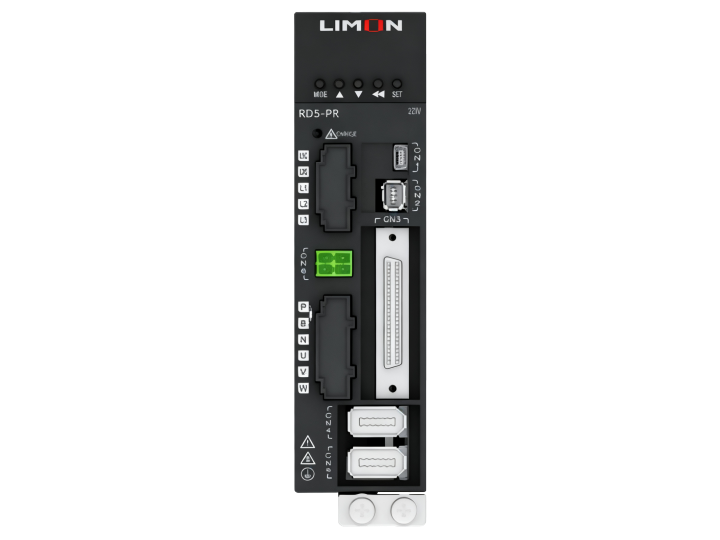
- Servo Drive (Controller)
- Feedback Device (Encoder or Resolver)
Together, they form a closed-loop motion control system.
Servo Motor: How It Works Step by Step
1.Command Signal Is Sent
The process begins when a motion controller sends a command—such as a target position, speed, or torque—to the servo drive.
This command could be:
- Move 100 mm along a ball screw
- Rotate at 3,000 RPM
- Hold a precise position under load
2.Servo Drive Regulates Power
The servo drive interprets the command and supplies the correct voltage and current to the motor. It continuously adjusts power output to match the required motion profile.
This intelligent power regulation is a key reason how servomotor works differs from stepper or AC induction motors.
3.Motor Generates Motion
En servomotor converts electrical energy into mechanical motion. Depending on the design, it may use:
- Permanent magnets (most common)
- AC or DC architecture
- Rotary or linear configurations
At Limon, servomotores are frequently paired with ball screws and linear guides to convert rotary motion into ultra-precise linear movement.
4.Feedback Device Measures Actual Motion
An encoder or resolver attached to the motor shaft sends real-time feedback on:
- Position
- Velocidad
- Direction
This feedback is continuously compared to the original command.
5.Closed-Loop Correction Happens Instantly
If there is any deviation—caused by load changes, vibration, or external forces—the servo drive instantly corrects it.
This continuous correction loop explains how do servomotores work with such exceptional accuracy, even under dynamic loads.
Why Closed-Loop Control Matters
The defining feature of servo systems is closed-loop feedback.
Beneficios clave:
- Alta precisión de posicionamiento
- Excelente repetibilidad
- Strong torque at low speeds
- Stable performance under variable loads
For industrial linear motion systems—such as linear actuators, automated assembly lines, and CNC equipment—this control precision is non-negotiable.
How Servo Motor Works Compared to Other Motors
| Característica | Servomotor | Motor paso a paso | Induction Motor |
| Comentarios | Yes (Closed-loop) | Usually No | No |
| Precisión | Muy alta | Medio | Bajo |
| Torque at High Speed | Excelente | Limitado | Moderado |
| Coste | Más alto | Baja | Medio |
| Industrial Precision | ★★★★★ | ★★★ | ★★ |
This comparison further clarifies servomotor how it works as the premium choice for precision motion.
Servo Motor Applications in Modern Industry
Thanks to their precision and responsiveness, servomotor applications span nearly every advanced manufacturing sector.
Common Servo Motor Applications Include:
1.CNC Machine Tools
Servo motors drive:
- Husillos de bolas
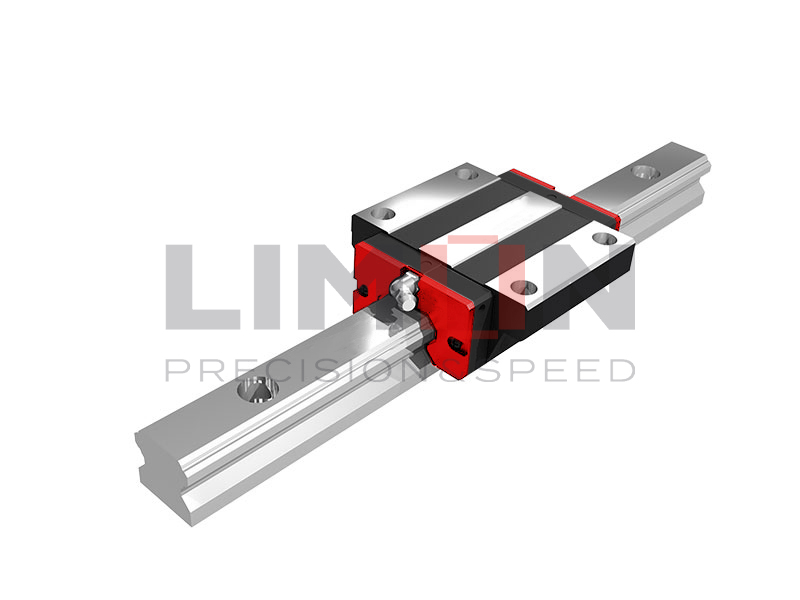
- Linear guide axes
- Tool changers
They enable micron-level positioning accuracy and smooth contouring.
2.Industrial Automation & Robotics
In automated production lines, servomotores proporcionar:
- Fast pick-and-place motion
- Coordinated multi-axis movement
- Aceleración y desaceleración suaves
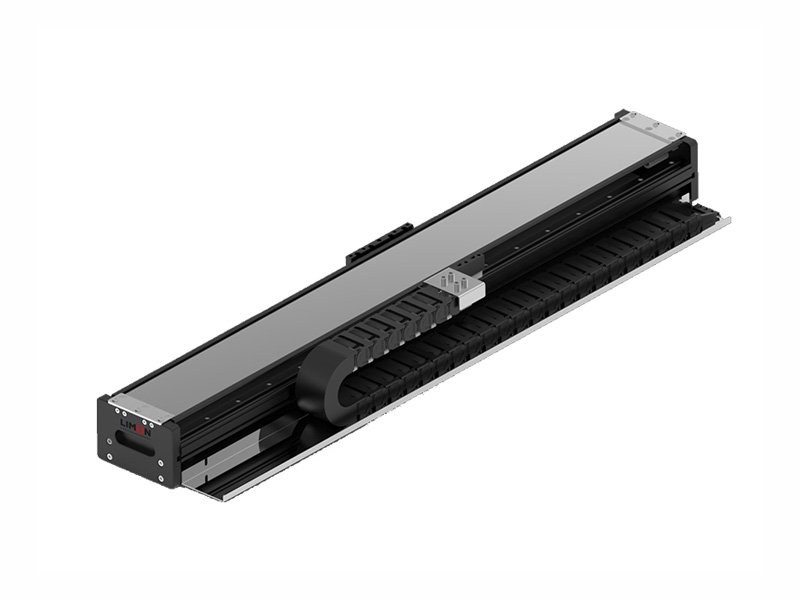
3.Linear Actuators & Motion Modules
When paired with Limon ball screws and linear rails, servomotores entregar:
- High thrust output
- Larga vida útil
- Juego mínimo
This combination is ideal for heavy-duty industrial actuators.
4.Packaging & Material Handling
Servo systems ensure:
- Precise indexing
- High-speed synchronization
- Reduced waste and downtime
5.Semiconductor & Medical Equipment
Ultra-clean, ultra-precise motion is essential here—another area where how servomotor works truly shines.
How Servo Motors Integrate with Linear Motion Systems
Servomotores rarely operate alone. Their true value appears when integrated with high-quality mechanical components.
At Limon, we design fully optimized motion systems, combining:
- Servomotores
- Husillos de bolas
- Guías lineales
- Rodamientos lineales
- Integrated linear actuators
Why Integration Matters
- Better system stiffness
- Mayor precisión de posicionamiento
- Reducción de las vibraciones
- Mayor vida útil
A servomotor can only perform as well as the linear motion components it drives.
Cómo elegir el servomotor adecuado para tu aplicación
Al seleccionar un servomotorConsidéralo:
- Required torque and speed
- Load inertia
- Ciclo de trabajo
- Condiciones medioambientales
- Mechanical transmission (ball screw pitch, guide rail size)
Our engineering team at Limon helps customers select servo-compatible linear motion solutions that maximize performance and ROI.
Why Manufacturers Choose Limon
As a fully integrated linear motion manufacturer, Limon offers:
- In-house production from raw material to finished product
- Servo-ready ball screws and linear guides
- High-performance linear actuators for industrial automation
- Consistent quality and short lead times
When customers understand how do servomotores work, they quickly see why system-level optimization matters—and why choosing the right motion partner makes all the difference.
Final Thoughts: Why Servo Motors Define the Future of Motion Control
So, how do servomotores ¿Trabajar?
They work by continuously measuring, correcting, and optimizing motion in real time—delivering unmatched precision, speed, and reliability.
As automation continues to advance, servomotor applications will only expand. When paired with precision-engineered linear motion components, servo systems become the backbone of modern manufacturing.
If you’re designing or upgrading an industrial motion system, Limon is ready to help you build a high-performance, servo-driven solution that meets today’s demands—and tomorrow’s challenges.
Want help selecting servo-compatible linear motion components?
Explore Limon’s ball screws, linear guides, and linear actuators—or contact our engineering team for a customized solution.