En el mundo de la automatización y la fabricación avanzada, que evoluciona a un ritmo vertiginoso, la velocidad y la eficiencia son tan importantes como la precisión. Empresas de todo Estados Unidos —desde laboratorios de robótica de alta tecnología en California hasta almacenes automatizados en el Medio Oeste— buscan soluciones de movimiento que sean rápidas, fiables y que funcionen de manera eficiente durante años.
Una tecnología que ha ido ganando popularidad en estas aplicaciones es el riel de guía lineal con transmisión por correa. Conocido por su alta velocidad, su capacidad para recorridos largos y su rentabilidad, el riel de guía lineal con transmisión por correa es hoy en día un componente clave en muchos sistemas automatizados.
En Limón, fabricamos componentes de movimiento lineal de precisión, entre los que se incluyen guías lineales, husillos de bolas, rodamientos lineales y actuadores. En esta guía exhaustiva, analizaremos qué es un carril de guía lineal con transmisión por correa, cómo funciona, dónde se utiliza y por qué se está convirtiendo en una solución de movimiento de referencia para las aplicaciones industriales modernas.
¿Qué es un riel de guía lineal con transmisión por correa?
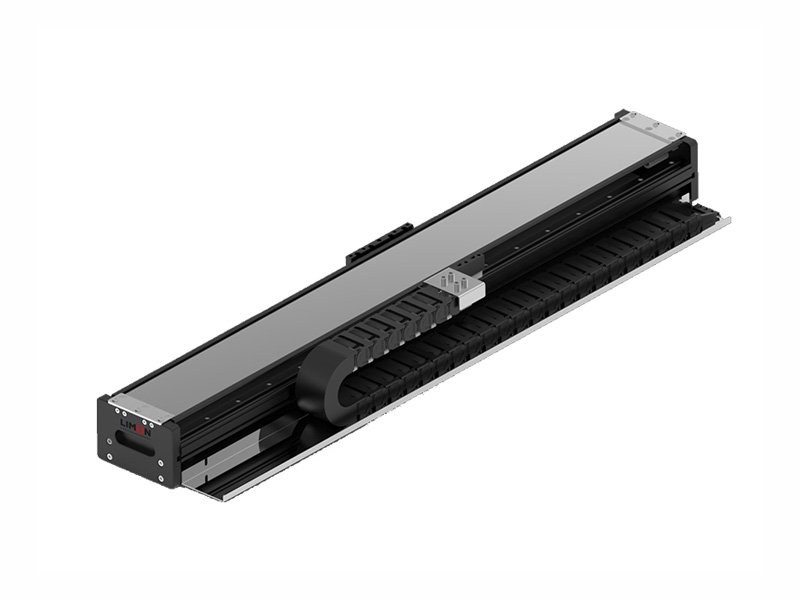
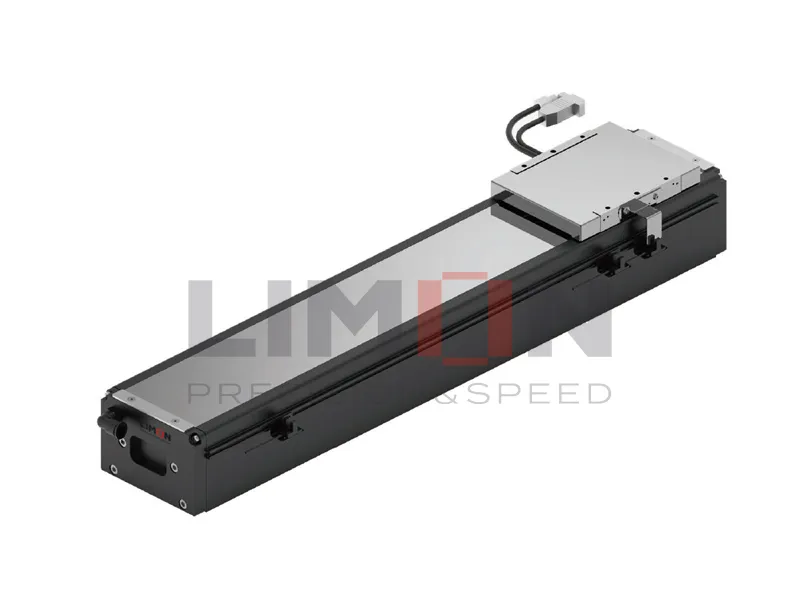
Un riel de guía lineal con transmisión por correa es un sistema de movimiento lineal que utiliza un mecanismo de correa y polea, combinado con un riel de guía de precisión, para desplazar un carro a lo largo de una trayectoria recta.
A diferencia de los sistemas tradicionales accionados por tornillo, la guía lineal accionada por correa utiliza una correa dentada reforzada para transmitir el movimiento desde el motor a la plataforma móvil. La correa discurre a lo largo de unas poleas situadas en ambos extremos del raíl e impulsa el carro de forma suave a lo largo de la guía.
Componentes principales de un riel guía lineal con transmisión por correa
Un sistema lineal típico accionado por correa incluye:
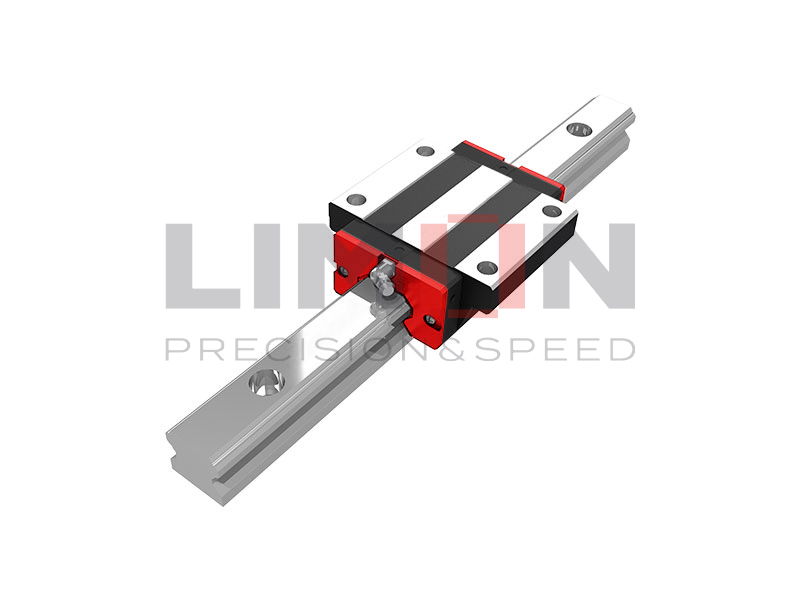
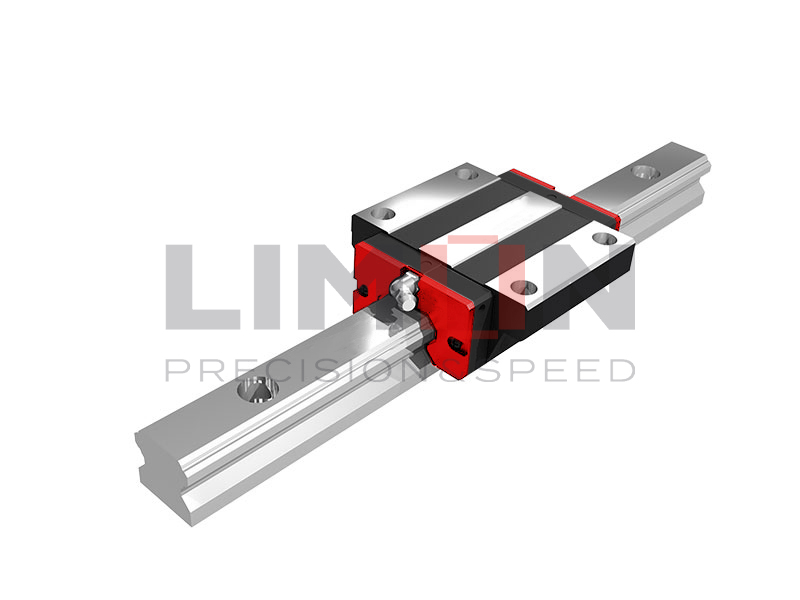
- Guía lineal: proporciona un guiado rígido y preciso para el carro móvil
- Correa de distribución: transmite el movimiento del motor al carro
- Polea motriz y polea tensora: mantienen la tensión de la correa y controlan el movimiento
- Carro o deslizador: la plataforma móvil fijada a la cinta transportadora
- Soporte del motor: conecta el motor de accionamiento al sistema de poleas
En conjunto, estos componentes conforman un sistema de movimiento capaz de realizar movimientos lineales rápidos, fiables y repetibles.
Por qué las guías lineales con transmisión por correa están ganando popularidad
En todo el sector de la automatización estadounidense, los ingenieros optan cada vez más por los sistemas de guías lineales con transmisión por correa, ya que ofrecen un excelente equilibrio entre velocidad, coste y simplicidad.
- Capacidades de movimiento a alta velocidad
Una de las principales ventajas de una guía lineal con transmisión por correa es la velocidad.
En comparación con los sistemas de husillo de bolas, los sistemas de transmisión por correa pueden alcanzar velocidades de desplazamiento considerablemente mayores —a menudo varios metros por segundo— sin perder fiabilidad.
Esto los convierte en la opción ideal para aplicaciones como:
- Líneas de envasado automatizadas
- Sistemas de clasificación en almacenes
- Robótica de «pick-and-place»
- Equipos de manipulación de materiales
En sectores tan dinámicos como el de la logística del comercio electrónico, este nivel de rendimiento es esencial.
- Largas distancias de desplazamiento
Los sistemas de husillo de bolas suelen estar limitados por la longitud del husillo y la velocidad crítica. Por el contrario, un carril de guía lineal con transmisión por correa puede soportar recorridos mucho más largos.
Por ejemplo, los sistemas de transmisión por correa se utilizan habitualmente en:
- Robots de pórtico de gran tamaño
- Sistemas de almacenamiento automatizados
- Equipos de inspección industrial
- Plataformas de impresión 3D
Esta flexibilidad permite a los ingenieros diseñar sistemas de movimiento de mayor tamaño sin las limitaciones mecánicas de las tecnologías de accionamiento tradicionales.
- Solución de movimiento rentable
Para muchos fabricantes de equipo original (OEM) de Estados Unidos, la rentabilidad es un factor fundamental a la hora de seleccionar componentes.
Una guía lineal accionada por correa suele ofrecer unos costes de producción y mantenimiento más bajos en comparación con otros sistemas de movimiento, ya que:
- Menos piezas mecánicas complejas
- Coste de fabricación inferior al de los husillos de bolas de precisión
- Mantenimiento y sustitución más sencillos
En aplicaciones en las que prima la velocidad y la distancia recorrida frente a una precisión ultraalta, los sistemas accionados por correa ofrecen una relación calidad-precio excepcional.
Guía lineal con transmisión por correa frente a sistemas de husillo de bolas
A la hora de diseñar sistemas de movimiento, los ingenieros suelen comparar los sistemas de guías lineales con transmisión por correa con los de husillo de bolas.
He aquí una comparación sencilla:
| Característica | Guía lineal con transmisión por correa | Sistema de husillo de bolas |
| Velocidad | Muy alto | Moderado |
| Longitud del recorrido | Largo | Limitado |
| Precisión | Medio | Muy alto |
| Mantenimiento | Bajo | Moderado |
| Coste | Baja | Más alto |
En el caso de los sistemas de automatización de alta velocidad y de carrera larga, una guía lineal accionada por correa suele ser la solución más práctica.
Principales aplicaciones de las guías lineales accionadas por correa
Gracias a su velocidad y versatilidad, los sistemas de guías lineales con transmisión por correa se utilizan en numerosos sectores en toda América del Norte.
Sistemas de embalaje automatizados
Los fabricantes de alimentos y bienes de consumo recurren a una automatización de respuesta rápida para garantizar el funcionamiento eficiente de las líneas de producción. Los sistemas lineales accionados por correa permiten que los equipos de envasado desplacen los productos con rapidez y precisión.
Automatización de almacenes y logística
Los principales centros logísticos —desde centros de distribución al estilo de Amazon hasta centros de distribución regionales— utilizan sistemas de guías lineales accionados por correa en las máquinas clasificadoras y en las cintas transportadoras automatizadas.
Robótica industrial
Los sistemas robóticos de pórtico suelen requerir grandes distancias de desplazamiento y una rápida aceleración. Un carril de guía lineal con transmisión por correa ofrece el equilibrio ideal entre velocidad y soporte estructural.
Sistemas CNC y láser
Algunas fresadoras CNC y sistemas de corte por láser utilizan guías accionadas por correa para sistemas de movimiento ligeros en los que la velocidad es más importante que la precisión ultrafina.
Tendencias futuras en la tecnología de guías lineales con transmisión por correa
A medida que evoluciona la tecnología de fabricación, el riel de guía lineal con transmisión por correa también avanza rápidamente.
Integración de la automatización inteligente
Las guías lineales de nueva generación con transmisión por correa se integran cada vez más con:
- Sensores inteligentes
- Sistemas de mantenimiento predictivo
- Seguimiento del movimiento en tiempo real
Esto concuerda con la creciente adopción de las tecnologías de la Industria 4.0 en las fábricas estadounidenses.
Materiales mejorados para correas
Las correas modernas utilizan hoy en día materiales avanzados como:
- Poliuretano reforzado con acero
- Correas de distribución reforzadas con Kevlar
Estos materiales mejoran considerablemente la durabilidad y la capacidad de carga.
Sistemas de movimiento modulares
Hoy en día, muchos ingenieros de automatización prefieren los sistemas modulares que se pueden ampliar o reconfigurar fácilmente. Los carriles guía accionados por correa permiten diseños flexibles que se adaptan a las necesidades de producción.
Cómo elegir la guía lineal con transmisión por correa adecuada
La elección del carril de guía lineal con transmisión por correa adecuado depende de varios factores importantes:
Requisitos de carga
Asegúrate de que el sistema pueda soportar el peso total del carro, las herramientas y la carga útil.
Longitud del recorrido
Determina la longitud máxima de carrera necesaria para tu máquina.
Velocidad y aceleración
Los sistemas de alta velocidad requieren correas con la tensión adecuada y conjuntos de poleas resistentes.
Condiciones medioambientales
El polvo, los residuos o las temperaturas extremas pueden hacer necesario el uso de raíles sellados o cubiertas protectoras.
Trabajar con un fabricante de componentes de movimiento con experiencia garantiza que el sistema se diseñe correctamente desde el principio.
Por qué los ingenieros eligen Limon Linear Motion Solutions
En Limon, diseñamos y fabricamos componentes de movimiento de alta calidad que se utilizan en sistemas de automatización de todo el mundo.
Entre nuestras ventajas se encuentran:
- Línea de producción totalmente integrada que garantiza una calidad constante
- Normas de fabricación de precisión para un rendimiento fiable
- Soluciones integrales de movimiento que incluyen guías, rodamientos, tornillos y actuadores
- Asistencia técnica personalizada para fabricantes de equipos originales (OEM)
Cuando se combina con componentes mecánicos de alta calidad, como guías lineales y actuadores, un sistema de guías lineales con transmisión por correa se convierte en una potente solución para el control de movimiento moderno.
Reflexiones finales: la velocidad se une a la fiabilidad
En el competitivo panorama industrial actual, los fabricantes necesitan sistemas de movimiento que sean rápidos, eficientes y fiables.
El riel de guía lineal con transmisión por correa ofrece precisamente eso: un rendimiento a alta velocidad, capacidad para recorridos largos y un funcionamiento rentable. Ya sea en robótica, en la automatización logística o en equipos de envasado, la guía lineal con transmisión por correa sigue demostrando ser una tecnología clave que impulsa la próxima generación de automatización industrial.
Si estás diseñando un nuevo sistema de automatización o actualizando equipos ya existentes, elegir los componentes de movimiento lineal adecuados puede marcar la diferencia.